442.webp)
Home elevators are becoming increasingly common in modern houses, villas, duplex homes, and residential buildings. Once considered a luxury product, residential elevators are now widely used for accessibility, convenience, safety, and property value improvement.
One of the most searched questions from homeowners is:
“How much does a home elevator cost?”
The answer depends on several important factors, including elevator type, number of floors, load capacity, installation requirements, customization, and country of purchase.
In 2026, the average residential elevator cost ranges from $10,000 to more than $100,000. Small home lifts designed for two floors are much cheaper than luxury panoramic villa elevators with smart automation systems.
This guide explains residential elevator pricing in detail, including installation costs, elevator types, hidden expenses, maintenance, and how to choose the best home elevator for your project.
Average Home Elevator Cost
The average cost of a residential elevator can be divided into three categories:
| Elevator Type | Average Price Range |
|---|---|
| Basic Home Lift | $10,000 – $20,000 |
| Standard Residential Elevator | $20,000 – $50,000 |
| Luxury Villa Elevator | $50,000 – $100,000+ |
The final project cost usually includes:
Elevator equipment
Installation labor
Shaft construction
Electrical work
Interior decoration
Safety systems
Transportation
Permits and inspections
Many homeowners focus only on equipment pricing and underestimate installation costs. In some projects, civil construction expenses account for 30% to 50% of the total investment.
Home Elevator Cost by Elevator Type
Different elevator systems have different prices, maintenance requirements, and installation conditions.
Hydraulic Home Elevator Cost
Hydraulic elevators are one of the most popular choices for residential applications.
Average price:
$15,000 – $40,000
Hydraulic systems use a hydraulic pump and cylinder to move the elevator cabin.
Advantages include:
Smooth operation
High load capacity
Stable performance
Quiet running
Good safety performance
Hydraulic elevators are ideal for:
2-5 floor homes
Elderly users
Wheelchair accessibility
Villas and duplex houses
However, hydraulic elevators may require:
Machine room
Hydraulic oil system
Larger installation space
Although the initial cost is moderate, long-term maintenance can be slightly higher than traction systems.
Traction Home Elevator Cost
Traction elevators use steel ropes and counterweight systems.
Average price:
$25,000 – $60,000
Traction elevators are commonly used in high-end residential projects because they offer:
Higher energy efficiency
Faster speed
Lower electricity consumption
Smooth operation
Longer service life
Modern traction home elevators often include:
Gearless motors
Smart control systems
Automatic rescue devices
Touchscreen operation panels
Traction elevators are suitable for:
Luxury homes
Multi-floor villas
Smart residential projects
The installation cost is usually higher than hydraulic elevators, but operating costs are often lower over time.
Vacuum Home Elevator Cost
Vacuum elevators use air pressure technology to move the cabin vertically.
Average price:
$35,000 – $80,000
Vacuum elevators are known for:
Modern appearance
Panoramic glass design
Space-saving structure
Easy installation
Minimal civil construction
These elevators are often selected for luxury homes because of their futuristic appearance.
However, vacuum elevators usually have:
Smaller load capacity
Higher equipment cost
Slower speed compared to traction systems
Shaftless Home Elevator Cost
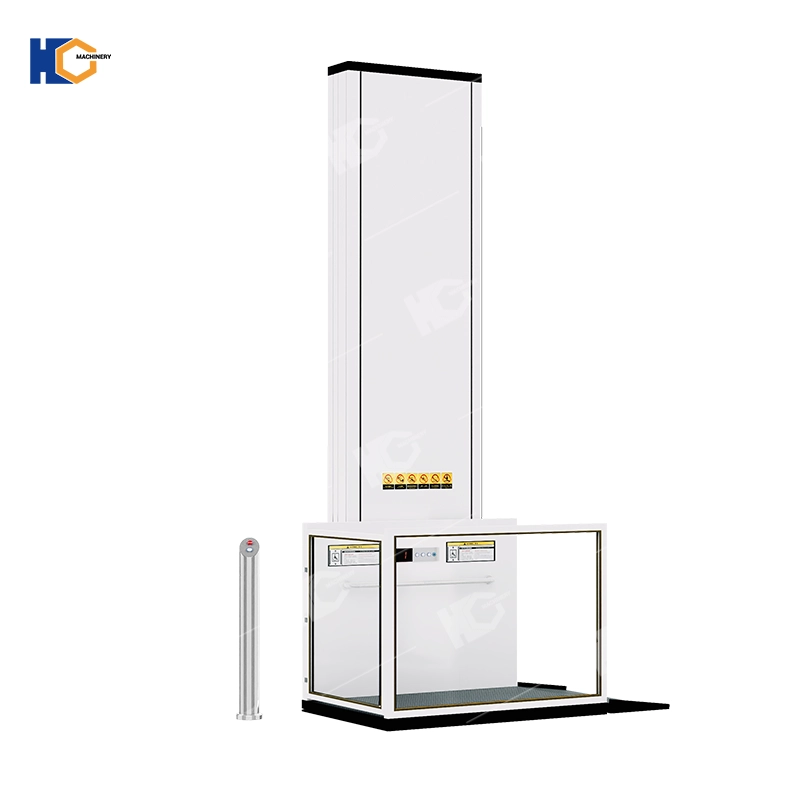
Shaftless elevators are compact residential lifts designed for limited spaces.
Average price:
$10,000 – $25,000
Advantages include:
Low installation cost
Minimal construction
Small footprint
Quick installation
Shaftless lifts are popular in:
Existing homes
Small duplexes
Elderly accessibility projects
They are usually limited to two floors and smaller lifting capacities.
Home Elevator Cost by Number of Floors
The number of stops directly affects the elevator price because additional floors require:
Longer guide rails
More powerful motors
Additional doors
Larger shafts
More installation work
2-Story Home Elevator Cost
Typical price:
$15,000 – $35,000
This is the most common residential elevator configuration.
Small hydraulic lifts and shaftless elevators are popular choices for two-story homes.
3-Story Home Elevator Cost
Typical price:
$25,000 – $50,000
3-floor elevators usually require stronger drive systems and more advanced control technology.
Traction elevators become more common in this category.
4-5 Floor Villa Elevator Cost
Typical price:
$40,000 – $100,000+
Luxury residential elevators for large villas often include:
Automatic sliding doors
Premium cabin interiors
Smart home integration
Panoramic glass cabins
Remote monitoring systems
Customization significantly increases pricing.
Home Elevator Installation Cost
Installation is a major part of residential elevator expenses.
Average installation cost:
$5,000 – $20,000
The actual price depends on:
House structure
Elevator type
Shaft design
Labor cost
Local building regulations
Installation expenses may include:
| Installation Item | Estimated Cost |
|---|---|
| Shaft Construction | $3,000 – $15,000 |
| Electrical Work | $1,000 – $5,000 |
| Structural Reinforcement | $2,000 – $10,000 |
| Elevator Installation Labor | $3,000 – $12,000 |
| Inspection & Permits | $500 – $3,000 |
New construction homes are much easier and cheaper to prepare for elevator installation than existing houses.
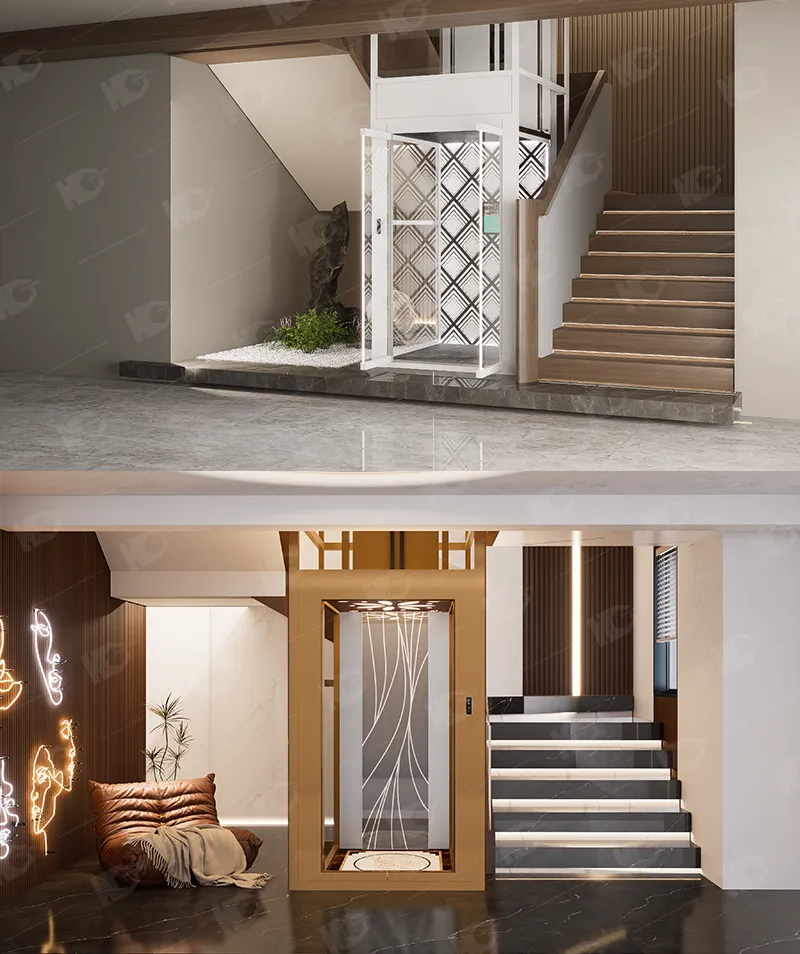
Cost of Installing a Home Elevator in an Existing House
Retrofitting a home elevator into an existing house usually costs more because contractors may need to:
Cut through concrete floors
Reinforce structures
Relocate pipes and wiring
Modify staircases
Rebuild walls
Retrofit home elevator projects generally cost:
$25,000 – $80,000+
Modern compact elevators and shaftless lifts reduce installation difficulty, making retrofitting more affordable than in the past.
Small Home Elevator Cost
Compact residential elevators are increasingly popular in urban housing projects.
Average price:
$10,000 – $30,000
Small home lifts usually feature:
Compact design
Low power consumption
Quiet operation
Minimal pit depth
Easy installation
These elevators are ideal for:
Townhouses
Small villas
Duplex apartments
Elderly homeowners
Even a small elevator can dramatically improve daily convenience and accessibility.
Luxury Home Elevator Price
Luxury residential elevators focus on design, technology, and customization.
Average price:
$50,000 – $150,000+
High-end features include:
Glass panoramic cabins
Smart home connectivity
Voice control
Marble flooring
Custom lighting
Stainless steel interiors
Automatic telescopic doors
Luxury elevators are commonly installed in:
High-end villas
Beach houses
Luxury duplex apartments
Modern smart homes
Some fully customized villa elevators exceed $200,000.
Home Elevator Maintenance Cost
Regular maintenance is necessary to ensure safety and long-term performance.
Average annual maintenance cost:
$300 – $2,000
Maintenance usually includes:
Motor inspection
Door system adjustment
Lubrication
Electrical testing
Safety system inspection
High-quality elevators generally have lower maintenance frequency and fewer unexpected repairs.
Skipping maintenance can shorten elevator lifespan and increase repair costs.
Home Elevator Electricity Cost
Residential elevators consume relatively low electricity compared to commercial systems.
Average monthly electricity cost:
$10 – $50
Traction elevators are usually more energy-efficient than hydraulic elevators.
Modern home lifts often include:
Energy-saving motors
LED lighting
Standby power systems
Electricity costs are rarely a major concern for residential elevator owners.
Factors That Affect Home Elevator Cost
Several factors determine final residential elevator pricing.
Elevator Capacity
Larger elevators require:
Stronger motors
Larger cabins
Heavier structural support
Higher load capacities increase manufacturing and installation costs.
Cabin Customization
Customized interiors can significantly increase pricing.
Popular customization options include:
Glass walls
Wooden panels
Luxury flooring
LED lighting
Smart displays
Standard cabin designs are more affordable.
Safety Features
Advanced safety systems may increase costs but are essential for residential use.
Important safety features include:
Emergency stop button
Battery backup
Overload protection
Door interlock system
Automatic rescue device
Country of Manufacture
European and American elevators are usually more expensive than Chinese-made systems.
Many Chinese manufacturers now offer:
CE-certified elevators
OEM customization
Global shipping
Competitive factory pricing
Choosing a reliable supplier is critical for long-term performance and spare parts availability.
Is a Home Elevator Worth the Cost?
For many homeowners, installing a residential elevator is a long-term investment rather than an expense.
Benefits include:
Improved Accessibility
Home elevators help:
Elderly users
Disabled individuals
Wheelchair users
People with mobility limitations
They make multi-story homes safer and more comfortable.
Increased Property Value
Homes with elevators often attract higher market prices, especially in luxury real estate markets.
Residential elevators improve:
Property appeal
Resale value
Buyer interest
Daily Convenience
Homeowners use elevators for:
Groceries
Laundry
Furniture
Baby strollers
Heavy luggage
Carrying heavy items upstairs every day becomes much easier.
How to Reduce Home Elevator Cost
Homeowners can reduce costs by making smart purchasing decisions.
Install During New Construction
Preparing elevator space during house construction can save thousands of dollars.
Choose Standard Sizes
Standard cabins and standard doors are cheaper than customized designs.
Avoid Unnecessary Luxury Features
Premium materials and smart systems can double the project budget.
Focus on practical functionality first.
Compare Multiple Suppliers
Different manufacturers offer very different prices for similar products.
Important considerations include:
Product certification
Warranty
Technical support
Spare parts supply
Installation assistance
The cheapest supplier is not always the best long-term option.
How Long Does a Home Elevator Last?
A well-maintained residential elevator can last:
20-30 years or longer
Factors affecting lifespan include:
Build quality
Installation quality
Usage frequency
Maintenance schedule
Premium traction elevators often have the longest service life.
Conclusion
How much does a home elevator cost in 2026?
The answer depends on the elevator type, installation conditions, customization level, and number of floors.
Typical price ranges include:
Small home lifts: $10,000 – $25,000
Standard residential elevators: $20,000 – $50,000
Luxury villa elevators: $50,000 – $150,000+
In addition to equipment pricing, homeowners should also consider:
Installation costs
Structural modifications
Maintenance expenses
Long-term operating costs
A residential elevator improves accessibility, safety, convenience, and property value. For multi-story homes, installing a home elevator is becoming an increasingly practical investment rather than a luxury upgrade.
390.webp)