Hydraulic cargo lift specifications.pdf
What Is a Hydraulic Cargo Lift?
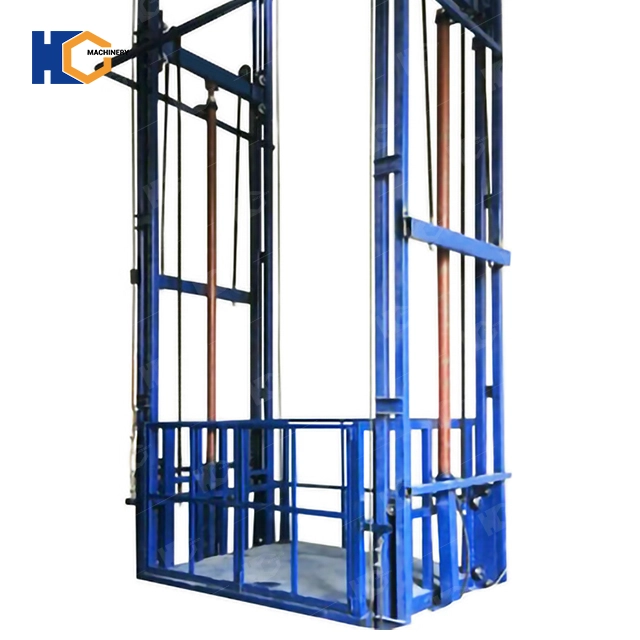
A hydraulic cargo lift is a vertical lifting platform designed specifically for goods, pallets, and industrial materials, not passengers. It uses a hydraulic power system to raise and lower a platform smoothly and safely between different heights or floors.
Compared with traction elevators, hydraulic cargo lifts feature:
Simpler structure
Higher load capacity at lower speeds
Lower civil construction requirements
Easier maintenance
These advantages make them widely used in factories, warehouses, logistics centers, and industrial buildings.
Hydraulic cargo lift is vital component in modern logistics and material handling systems. This lift, leveraging hydraulic power to facilitate the vertical movement of goods, plays a critical role in various industries, from manufacturing to warehousing. Understanding the concept, classification, basic parameters, specifications, configurations, and advantages of hydraulic cargo lifts is essential for optimizing their use in diverse applications.
Hydraulic cargo lift is a mechanical system designed to elevate and lower heavy loads using hydraulic cylinders. The primary principle behind this lift involve converting hydraulic energy into mechanical force, which enables smooth and efficient vertical movement.
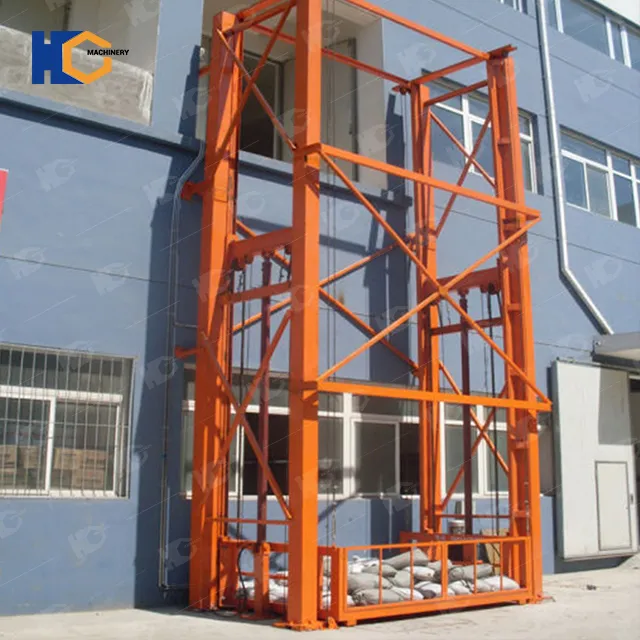
To understand the cargo lift specifications, we should know about the classification firstly. There are two main types of hydraulic cargo lifts: scissor lifts and guid rail lifts.
Standard Lifting Height Specifications
Chinese lift factories typically manufacture hydraulic cargo lifts with a wide lifting height range, allowing them to cover almost all industrial applications.
Common lifting heights include:
1.5 m
2 m
3 m
4 m
6 m
8 m
10 m
12 m
For special projects, customized heights up to 14 m or higher are available with reinforced structures.
In practice:
1.5–3 m is used for dock leveling and production line height adjustment
4–6 m is common for mezzanine floors and warehouses
8–12 m is suitable for multi-floor cargo transfer
Load Capacity Specifications (China Factory Standards)
Load capacity is the core parameter of any hydraulic cargo lift. Chinese manufacturers usually design platforms with extra safety margins, rather than working at theoretical limits.
Typical factory-direct load ratings:
500 kg
1,000 kg
2,000 kg
3,000 kg
5,000 kg
For heavy-duty industrial applications, customized designs can reach 8,000 kg to 10,000 kg, using multi-cylinder hydraulic systems and reinforced scissor or guide rail structures.
A general rule used by factories:
Rated capacity = actual working load + 20–30% safety margin
Platform Size and Structure Specifications
Platform Dimensions
Chinese factories offer fully customizable platform sizes. Common standard sizes include:
1500 × 1500 mm
2000 × 2000 mm
2500 × 2000 mm
3000 × 2000 mm
Platform size is usually selected based on:
Pallet dimensions
Cargo length and width
Forklift or hand pallet truck access
Platform Surface
Standard options include:
Anti-slip steel plate
Checkered plate
Reinforced steel plate with ribs
Optional configurations:
Roller conveyor platform
Removable ramps
Hinged flaps for smooth entry
Hydraulic System Specifications
The hydraulic system determines lifting stability and long-term reliability.
Hydraulic Power Unit
Typical specifications:
Motor power: 2.2 kW – 7.5 kW
Voltage: 220V / 380V / 415V
Frequency: 50 Hz or 60 Hz
Hydraulic Cylinders
Single-cylinder or multi-cylinder configuration
Chrome-plated piston rods
Heavy-duty seals for long service life
Hydraulic Oil
Anti-wear hydraulic oil (ISO VG 32 / 46)
Stable performance under industrial temperatures
Hydraulic lifting ensures smooth movement, even under full load, which is critical for fragile or high-value cargo.
Lifting Speed Specifications
Hydraulic cargo lifts are designed for controlled movement, not high speed.
Typical lifting speeds:
60–120 mm/s (lifting)
Slightly faster lowering speed due to gravity assistance
These speeds balance efficiency and safety, preventing sudden movements that could damage cargo.
Guide Structure Specifications
Chinese factories mainly offer two structural types:
Scissor-Type Hydraulic Cargo Lift
Compact design
High load capacity
Ideal for 1.5 m – 12 m lifting height
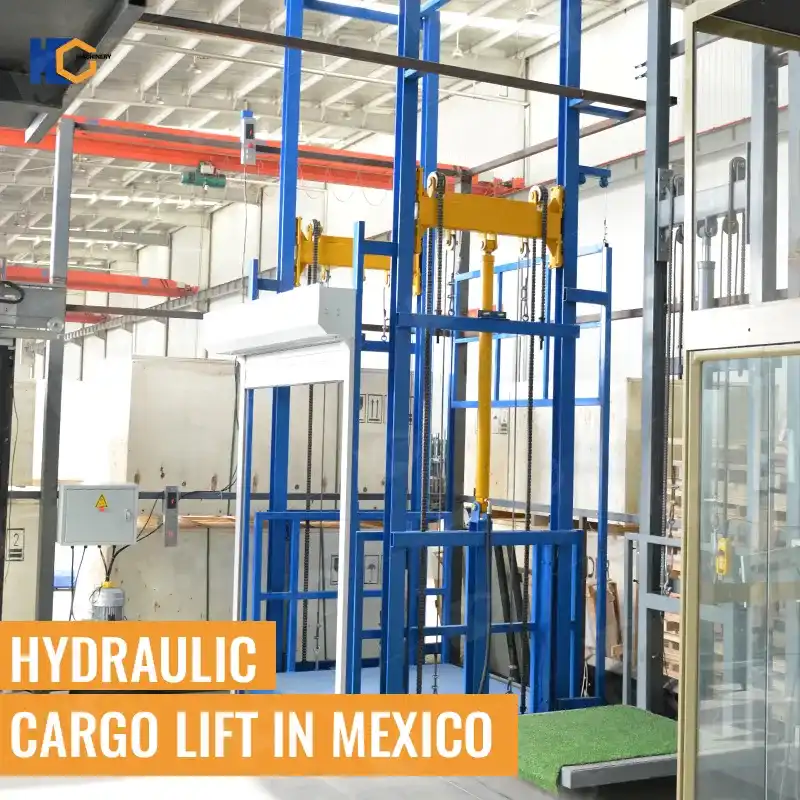
Guide Rail Hydraulic Cargo Lift
Vertical guide rails on both sides
Suitable for multi-floor applications
Stable for high lifts and heavy loads
Structure selection depends on space, height, and load requirements.
Installation Specifications
Pit-Mounted Installation
Platform flush with floor at lowest position
Pit depth: typically 300–500 mm
Best for frequent loading and unloading
Surface-Mounted Installation
No pit required
Faster installation
Suitable for renovation projects
Chinese factories usually provide installation drawings and load calculations to match site conditions.
Safety Specifications (Standard Configuration)
Safety systems are not optional; they are built into standard factory designs.
Common safety features include:
Overload protection valve
Emergency stop button
Upper and lower limit switches
Hydraulic hose rupture valve
Mechanical safety locks (optional)
For export markets, safety configurations can be adjusted to meet CE or equivalent standards.
Control System Specifications
Control methods are simple and reliable.
Standard options:
Push-button control panel
Wired control box
Foot switch (optional)
Advanced options:
Remote control
PLC-based control system
Interlock with doors or conveyors
Controls are designed for non-specialist operators, reducing training time.
Power Supply Specifications
Chinese hydraulic cargo lifts support multiple power configurations:
220V single-phase (light duty)
380V three-phase (industrial standard)
415V for specific regions
This flexibility allows easy integration into global industrial environments.
Operating Environment Specifications
Designed operating conditions:
Temperature range: –10°C to +45°C
Indoor or covered outdoor use
Industrial humidity and dust conditions
For harsh environments, additional protection such as sealed electrical boxes or anti-corrosion coating is available.
Manufacturing Standards and Quality Control
China factories typically follow:
Strict welding standards
Load testing before shipment
Electrical and hydraulic system inspection
Each lift is tested at 125% of rated load to ensure safety and reliability.
Typical Applications Based on Specifications
Factories: machine installation, material transfer
Warehouses: pallet lifting, mezzanine access
Logistics centers: dock height adjustment
Industrial buildings: multi-floor cargo movement
These applications rely directly on the specifications discussed above.
Why Choose Hydraulic Cargo Lifts from China Factories?
The advantage lies in specification flexibility:
Wide lifting height range
Multiple load capacity options
Custom platform sizes
Competitive factory-direct pricing
Instead of adapting operations to equipment, Chinese manufacturers adapt equipment to operations.
Final Thoughts
Understanding hydraulic cargo lift specifications is the key to choosing the right solution. Chinese factories provide a complete range of practical, field-tested specifications that meet real industrial demands—from 1.5 m low lifts to 12 m multi-floor cargo systems.
When selected correctly, a hydraulic cargo lift is not just a machine, but a long-term productivity tool that works quietly, reliably, and safely for years.
In industrial lifting, precision matters—but clarity of specifications matters even more.
222.webp)
740.webp)
916.webp)
697.webp)
 667.webp)