HC lift Price List-Boom Lift (2).pdf
Self-propelled articulating boom lifts are essential machines in modern construction, maintenance, and industrial operations. Designed for flexibility, height access, and safety, these machines allow workers to reach difficult locations that traditional equipment cannot handle.
This guide explains what self-propelled articulating boom lifts are, their types, how they are manufactured, key components, working principles, applications, problems they solve, and how they compare with other aerial work platforms—all in clear, practical language.
What Is a Self-Propelled Articulating Boom Lift?
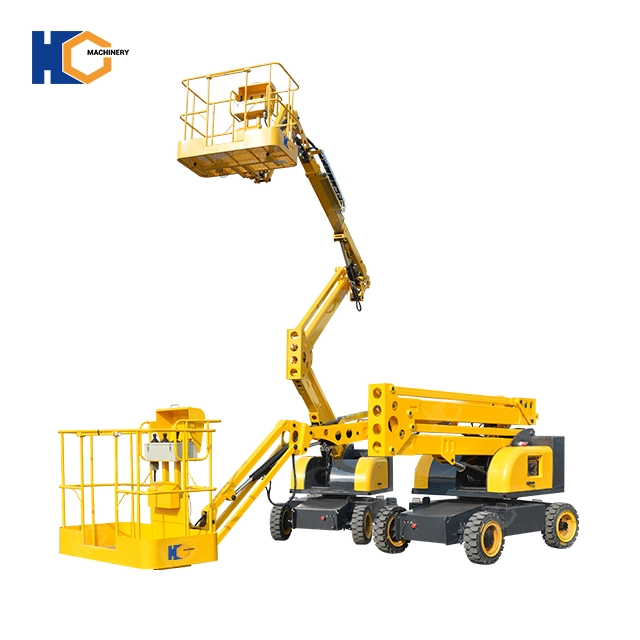
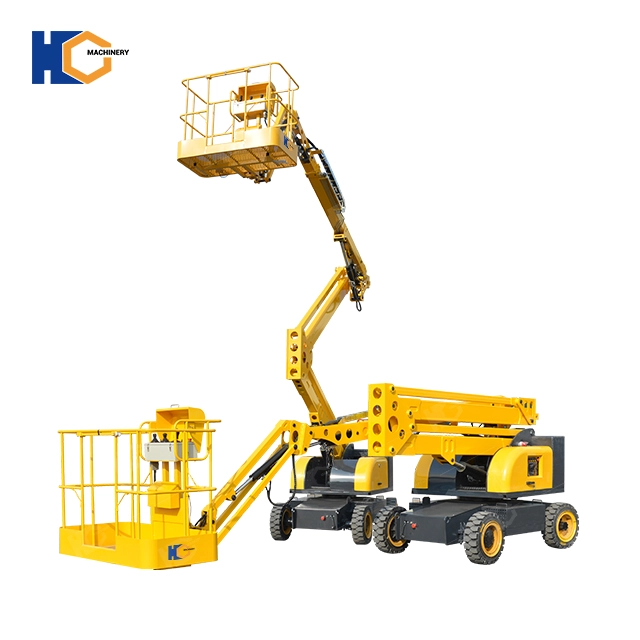
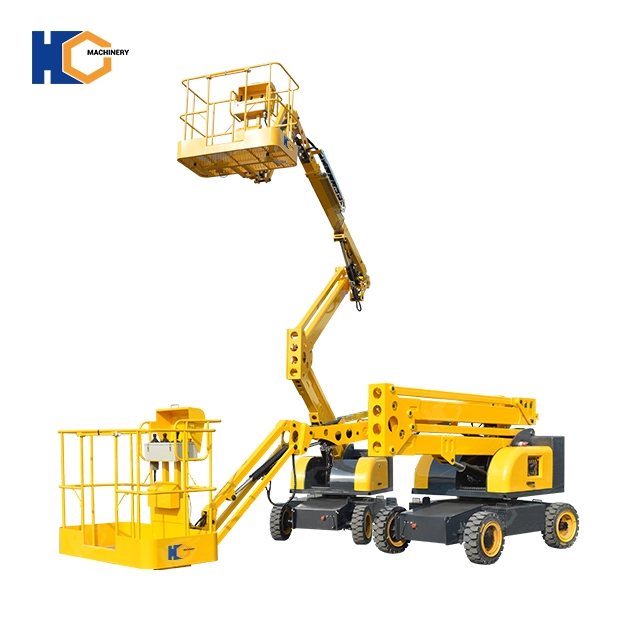
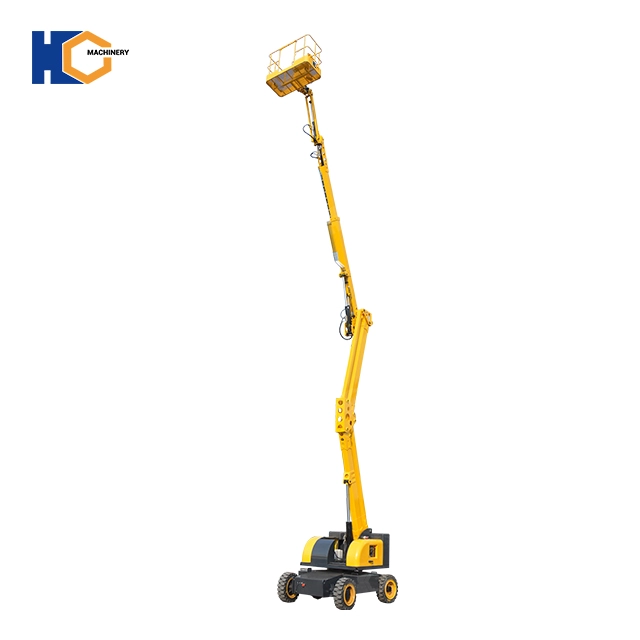
A self-propelled articulating boom lift is a mobile aerial work platform (AWP) equipped with a jointed arm (boom) that can bend at multiple points, allowing it to reach up, over, and around obstacles.
“Self-propelled” means the machine can move on its own without needing towing or external transport during operation.
In simple terms:
It’s a flexible lifting machine that lets workers reach hard-to-access places safely—like going around a wall instead of through it.
Key Features
Multi-joint (articulating) boom
360° rotation (on most models)
Self-driving capability
Elevated work platform (basket)
Precise positioning controls
Types of Self-Propelled Articulating Boom Lifts
1. Electric Articulating Boom Lifts
Power source: Battery
Advantages:
Zero emissions
Quiet operation
Ideal for indoor use
Applications:
Warehouses
Shopping malls
Airports
2. Diesel Articulating Boom Lifts
Power source: Diesel engine
Advantages:
Higher power
Suitable for rough terrain
Longer operating time
Applications:
Construction sites
Outdoor maintenance
3. Hybrid Boom Lifts
Power source: Combination of electric and diesel
Benefits:
Energy efficient
Flexible indoor/outdoor use
4. Rough Terrain Articulating Boom Lifts
Features:
Four-wheel drive
Large tires
High ground clearance
Best for:
Uneven surfaces
Harsh outdoor environments
5. Compact Articulating Boom Lifts
Features:
Smaller size
Lightweight
Best for:
Narrow spaces
Indoor operations
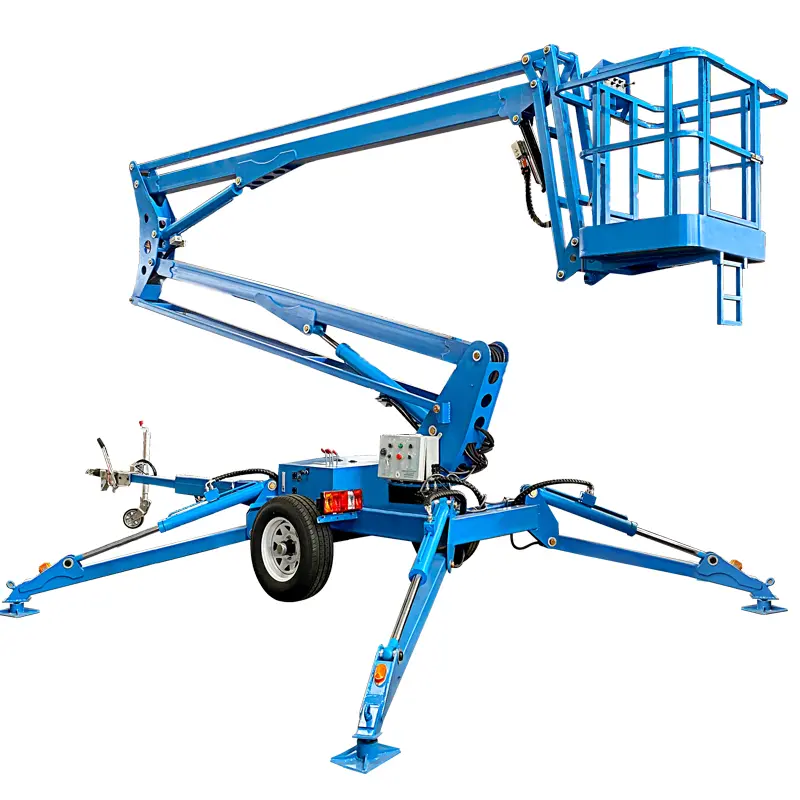
6. Trailer-Mounted Articulating Lifts (Comparison Category)
Although not self-propelled, these are worth noting for comparison.
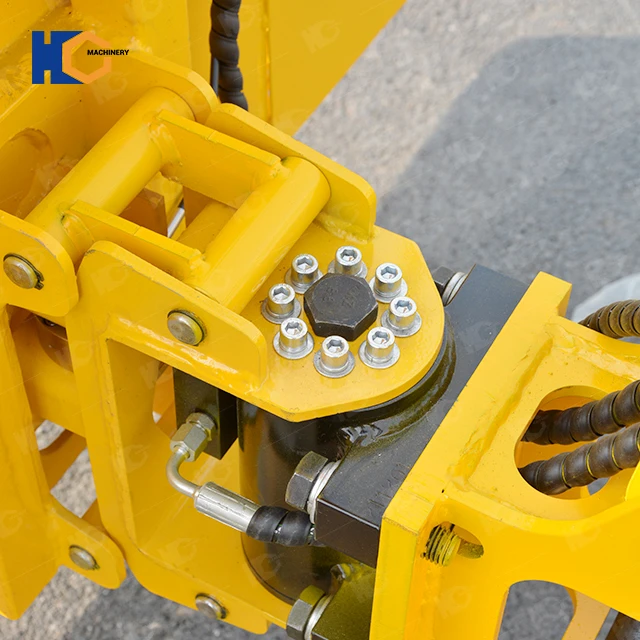
938045.webp "self-propelled articulating boom lifts (2)938045.webp")
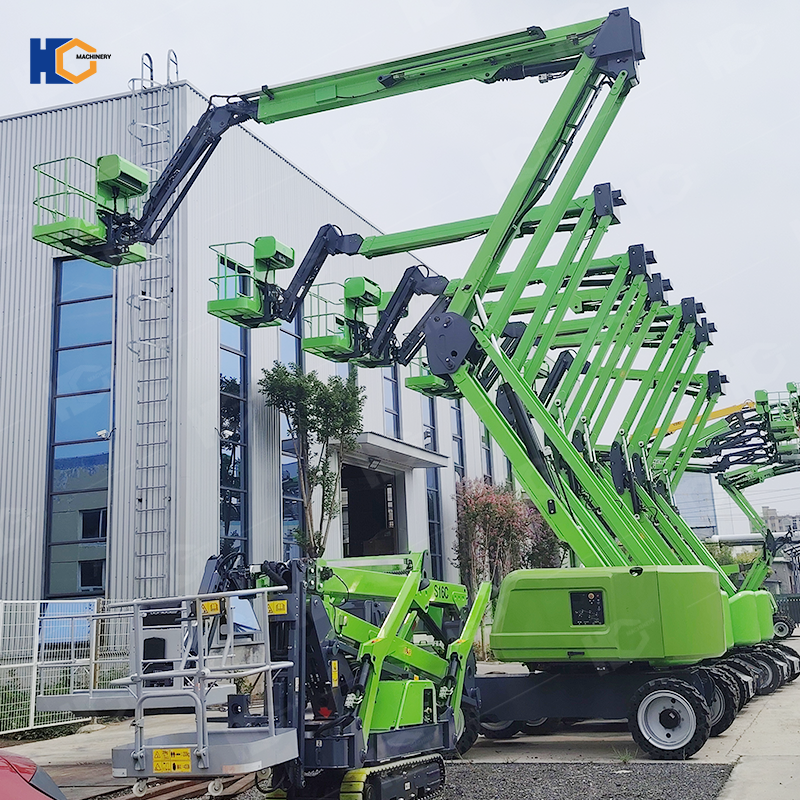
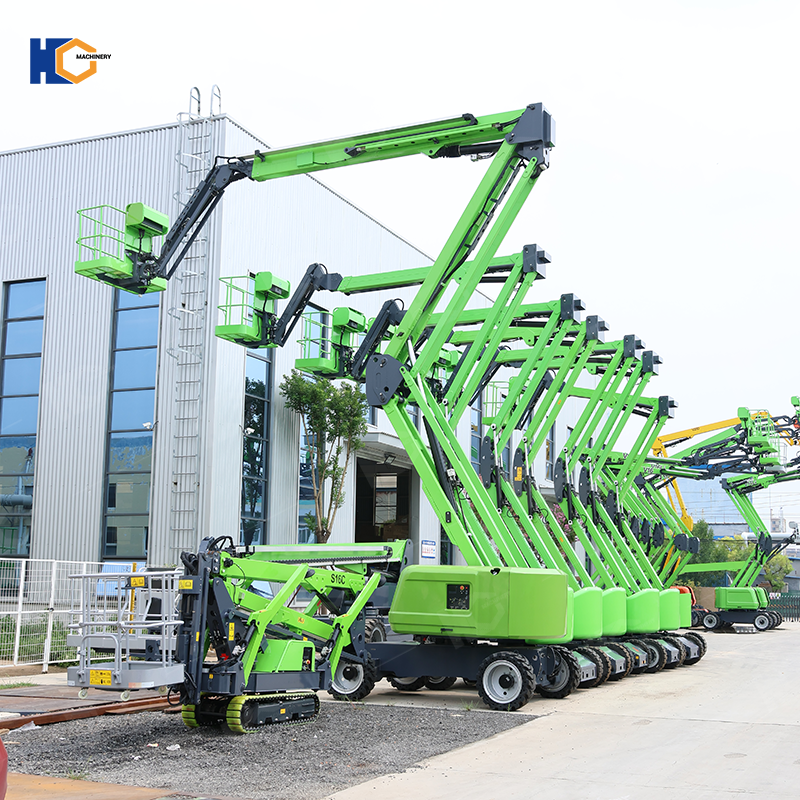
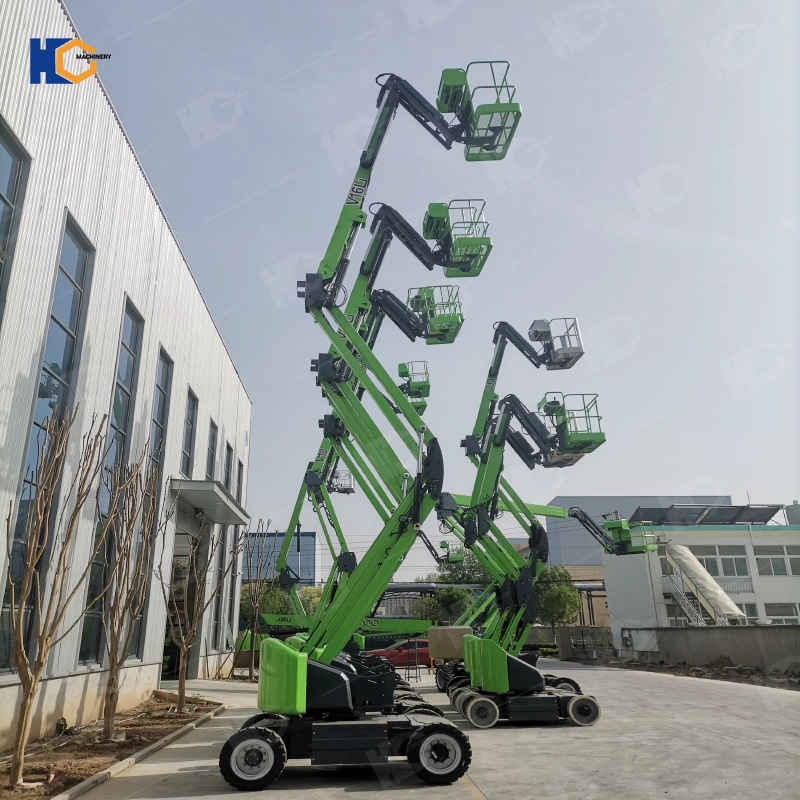
Factory real shots
How Self-Propelled Articulating Boom Lifts Are Manufactured
1. Design and Engineering
Engineers define:
Maximum working height
Load capacity
Reach distance
Safety requirements
3D modeling and simulation ensure stability and performance.
2. Structural Fabrication
High-strength steel is cut and welded
Boom arms are precisely engineered
Chassis and frame are constructed
3. Hydraulic System Integration
Hydraulics power the boom movement:
Cylinders
Pumps
Valves
4. Electrical System Installation
Includes:
Control panels
Sensors
Wiring harnesses
5. Power System Assembly
Depending on type:
Battery packs
Diesel engines
Hybrid systems
6. Painting and Surface Treatment
Anti-corrosion coating
Powder painting
7. Testing and Quality Control
Load testing
Stability testing
Safety certification
Key Components of a Self-Propelled Articulating Boom Lift
1. Chassis
The base structure supporting the entire machine.
2. Boom Arm
Multi-section arm with joints for flexible movement.
3. Turntable
Allows rotation of the boom.
4. Platform (Basket)
Where the operator stands.
5. Hydraulic System
Controls lifting, extension, and articulation.
6. Drive System
Enables movement:
Wheels or tracks
Motors or engines
7. Control System
Joysticks
Electronic control units
8. Safety Systems
Emergency stop
Tilt sensors
Overload protection
Working Principle
Step 1: Positioning
The operator drives the machine to the work location.
Step 2: Stabilization
The system ensures balance and safety.
Step 3: Boom Operation
Hydraulic cylinders extend and articulate the boom.
Step 4: Elevation
The platform rises to the desired height.
Step 5: Precision Movement
The operator adjusts position using controls.
Step 6: Task Execution
Work is performed at height.
Main Applications
1. Construction
Building maintenance
Steel structure installation
High-rise work
2. Industrial Maintenance
Equipment servicing
Factory repairs
3. Warehousing
High shelving access
4. Utilities
Electrical line maintenance
Street lighting
5. Aviation
Aircraft maintenance
6. Event Setup
Stage lighting
Rigging
Pain Points Solved
1. Hard-to-Reach Areas
Articulating arms reach around obstacles.
2. Safety Risks
Provides stable working platform.
3. Time Inefficiency
Faster setup than scaffolding.
4. Labor Intensity
Reduces manual effort.
5. Limited Access Equipment
More flexible than straight boom lifts.
Competitive Analysis
Articulating Boom Lift vs Scissor Lift
| Feature | Articulating Boom | Scissor Lift |
|---|---|---|
| Reach | Multi-directional | Vertical only |
| Flexibility | High | Low |
| Cost | Higher | Lower |
Articulating Boom vs Telescopic Boom Lift
| Feature | Articulating | Telescopic |
|---|---|---|
| Movement | Flexible | Straight |
| Reach | Around obstacles | Long horizontal reach |
| Precision | High | Moderate |
Boom Lift vs Scaffolding
| Feature | Boom Lift | Scaffolding |
|---|---|---|
| Setup Time | Fast | Slow |
| Mobility | High | None |
| Safety | High | Depends |
How to Choose the Right Boom Lift
Key Factors:
Working height
Load capacity
Indoor vs outdoor use
Terrain conditions
Power source
Budget
Future Trends
1. Electrification
More battery-powered models.
2. Smart Controls
IoT integration
Remote monitoring
3. Lightweight Materials
Improved efficiency and portability.
4. Autonomous Operation
Future integration with robotics.
Conclusion
Self-propelled articulating boom lifts are powerful, flexible, and essential tools for working at height. Their ability to navigate complex environments makes them superior to many traditional access solutions.
Whether for construction, maintenance, or industrial use, these machines improve safety, efficiency, and productivity.
In today’s fast-paced industries, having the right access equipment is not just helpful—it’s critical. And when it comes to flexibility and performance, self-propelled articulating boom lifts stand out as one of the most effective solutions available.