181637.webp)
185408.webp)
681.webp)
If you’ve ever tried to fix a ceiling light while balancing on a ladder, you already know why single mast lifts exist. A single mast lift (one-person aluminum lift) is designed to replace unsafe, inefficient height-access methods with a compact, stable, and professional solution.
This guide explains everything you need to know—from how it works and how to use it, to customization options, technical specs, and how it compares with other lifting equipment. If you're evaluating whether this is the right investment, this article will give you a clear, practical answer.
What Is a Single Mast Lift?
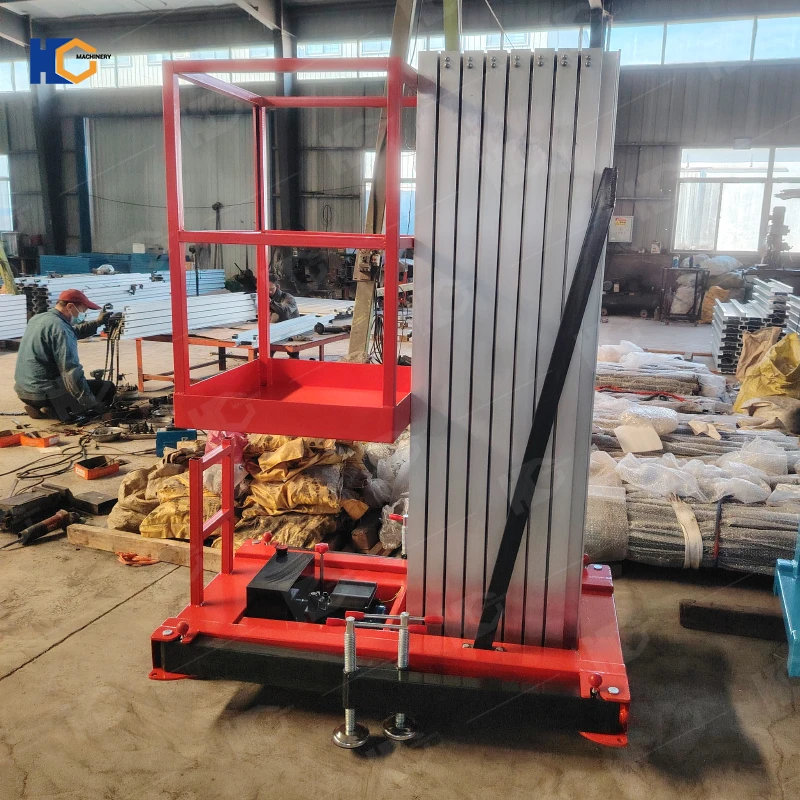
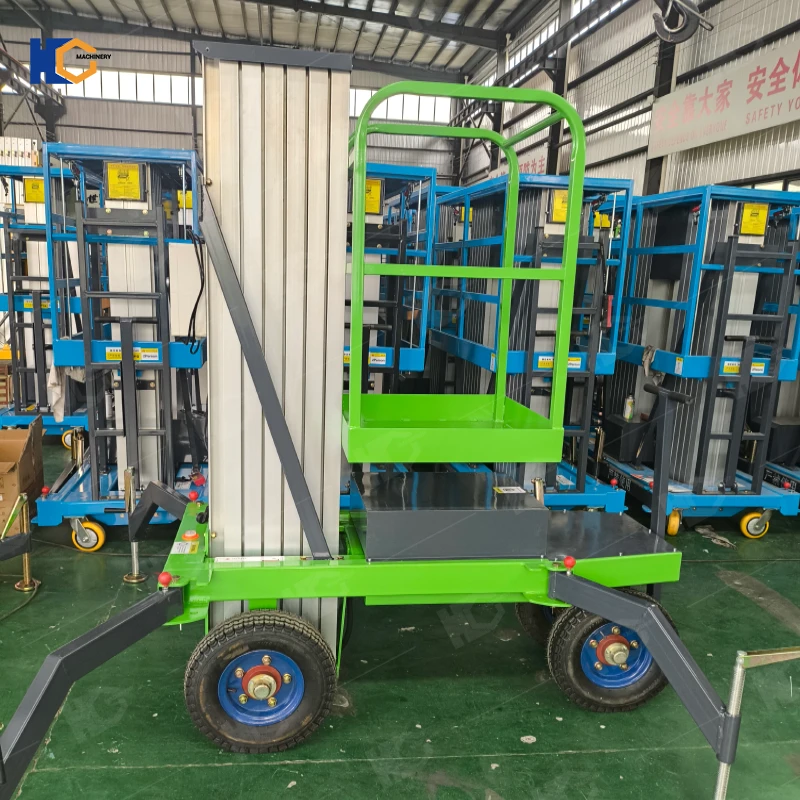
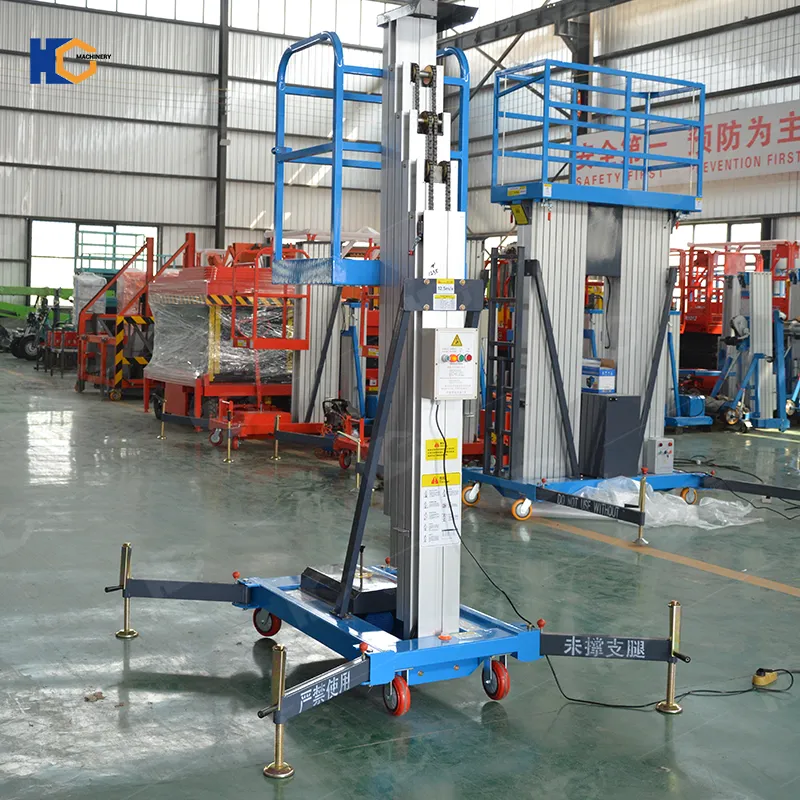
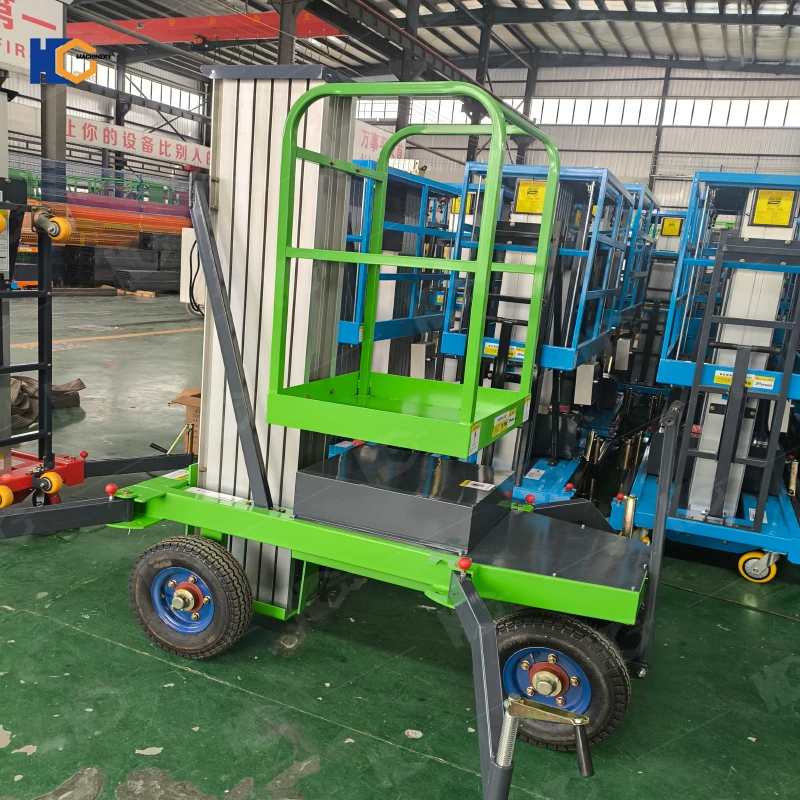
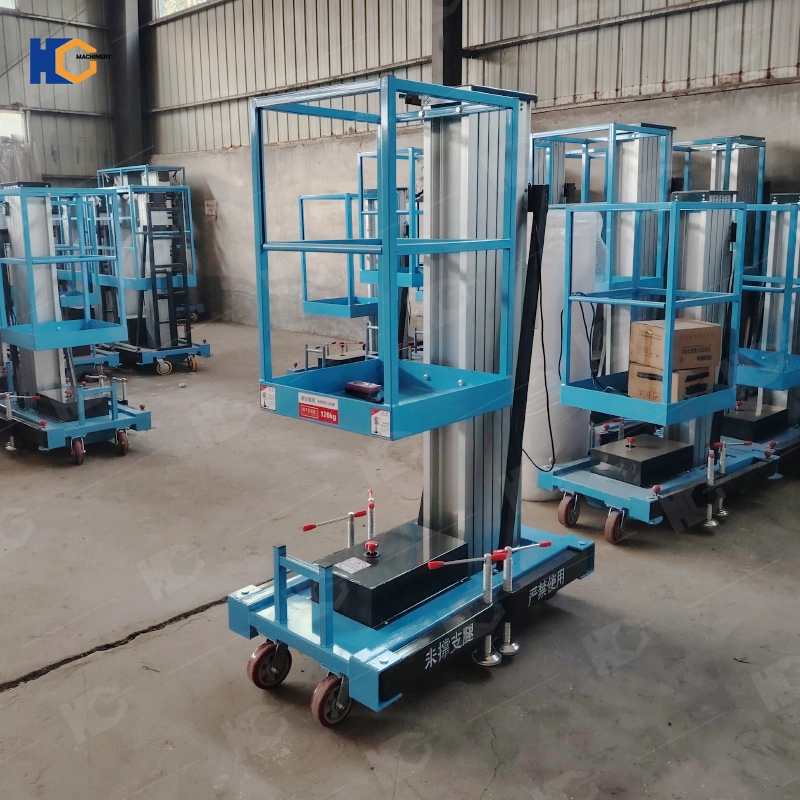
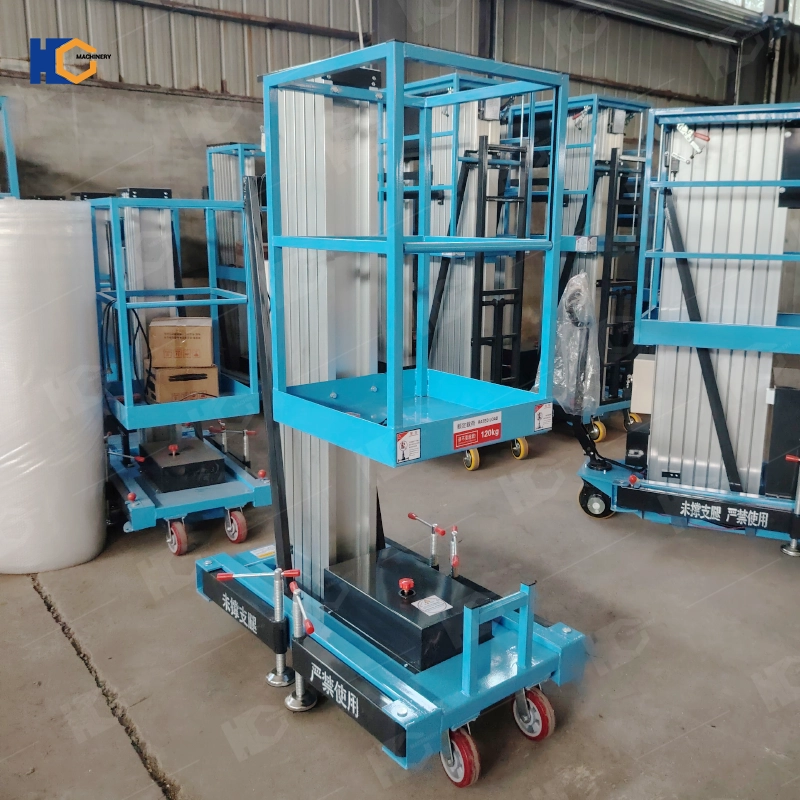
A single mast lift is a vertical lifting platform made from high-strength aluminum alloy, designed for one operator. It uses a single telescopic mast to raise a small platform straight up, making it ideal for indoor maintenance, installation, and inspection tasks.
Key Characteristics:
Single vertical mast structure
Lightweight aluminum construction
Compact footprint (fits through standard doors)
Electric or battery-powered lifting
Designed for one-person operation
Unlike bulky scissor or boom lifts, a single mast lift focuses on simplicity, safety, and portability.
181423770.webp "Aluminum mast lift (2)181423770.webp")
Why Aluminum? (Material Advantage Explained)
Aluminum is not just a design choice—it’s a performance upgrade.
Benefits of Aluminum Structure:
Lightweight: Easier to move and transport
Corrosion-resistant: Ideal for long-term indoor/outdoor use
High strength-to-weight ratio: Strong without being bulky
Low maintenance: No rust-related degradation
Compared to steel lifts, aluminum mast lifts are easier to handle, especially in environments where floor load limits and maneuverability matter.
Typical Technical Specifications
Although specs vary by model, here’s a realistic baseline for a single mast one-person lift:
| Parameter | Typical Range |
|---|---|
| Working Height | 6 m – 12 m |
| Platform Height | 4 m – 10 m |
| Load Capacity | 100 – 150 kg |
| Platform Size | 600 × 600 mm |
| Machine Weight | 250 – 400 kg |
| Power Supply | AC / DC (battery) |
| Lift Speed | 0.1 – 0.2 m/s |
Key insight: These lifts are optimized for light-duty vertical access, not heavy lifting.
Core Components Breakdown
1. Base Unit
Provides structural stability
Includes wheels (often with brakes)
May include outriggers for extra support
2. Single Mast Column
Telescopic aluminum sections
Extends vertically using hydraulic force
Ensures smooth, stable lifting
3. Platform (Work Basket)
Compact workspace for one person
Equipped with guardrails and entry gate
Anti-slip flooring
4. Lifting System
Electric motor + hydraulic pump
Drives vertical movement
5. Control System
Ground control panel
Optional platform controls
Emergency stop button
6. Safety Systems
Overload protection
Tilt sensor
Emergency descent system
185837056.webp "Aluminum mast lift (2)185837056.webp")
Customization Options (Key Selling Point)
One of the biggest advantages of modern single mast lifts is customization. Manufacturers can tailor the lift to your exact working conditions.
1. Height Customization
Standard: 6–10 m
Custom: Up to 12 m or more
2. Power Options
AC (plug-in) for indoor use
DC battery for mobile applications
3. Platform Modifications
Extended platform size
Tool trays or holders
Insulated platforms (for electrical work)
4. Mobility Enhancements
Non-marking wheels (for malls/hospitals)
Forklift pockets
Trailer-mounted versions
5. Safety Upgrades
Anti-collision sensors
Automatic leveling system
Dual control systems
6. Smart Features
Digital display panels
Remote control operation
IoT tracking (fleet management)
Customization allows businesses to optimize efficiency without overpaying for unnecessary features.
How to Use a Single Mast Lift (Step-by-Step)
Using a mast lift is straightforward, but proper operation is critical for safety.
Step 1: Pre-Operation Inspection
Check power supply or battery level
Inspect hydraulic system for leaks
Ensure wheels and brakes are functional
Verify safety devices
Step 2: Position the Lift
Move to a flat, stable surface
Engage wheel locks
Deploy outriggers if available
Step 3: Enter the Platform
Open access gate
Step onto platform carefully
Close and secure gate
Step 4: Operate the Lift
Use control panel to raise platform
Ascend slowly to desired height
Avoid sudden movements
Step 5: Perform Work
Maintain balance
Do not exceed load capacity
Keep tools organized
Step 6: Lower the Platform
Use control to descend slowly
Exit platform safely
804425994.webp "Aluminum mast lift (2)804425994.webp")
Safety Guidelines (Non-Negotiable)
Always use on level ground
Never exceed rated load
Avoid strong winds (for outdoor use)
Do not move lift while elevated
Wear safety gear when required
A mast lift is safer than a ladder—but only when used correctly.
Key Advantages of Single Mast Lifts
1. Compact and Space-Saving
Perfect for narrow aisles, elevators, and indoor environments.
2. Easy One-Person Operation
No need for additional crew.
3. High Safety Compared to Ladders
Stable platform reduces fall risk.
4. Cost-Effective
Lower purchase and maintenance cost than larger lifts.
5. Quick Setup
Ready to use within minutes.
Limitations You Should Know
1. Limited Load Capacity
Not suitable for heavy tools or multiple workers.
2. No Horizontal Reach
Vertical movement only.
3. Smaller Platform
Restricted working space.
4. Height Limit
Not ideal for very high applications (>12 m).
Competitive Analysis: Mast Lift vs Other Equipment
1. Single Mast Lift vs Scissor Lift
| Feature | Single Mast Lift | Scissor Lift |
|---|---|---|
| Size | Compact | Large |
| Load Capacity | Low | High |
| Mobility | High | Medium |
| Cost | Lower | Higher |
Choose mast lift for tight indoor spaces.
2. Single Mast Lift vs Boom Lift
| Feature | Mast Lift | Boom Lift |
|---|---|---|
| Reach | Vertical only | Multi-directional |
| Cost | Low | High |
| Complexity | Simple | Complex |
Boom lifts are better for complex access, but cost significantly more.
3. Single Mast Lift vs Ladder
| Feature | Mast Lift | Ladder |
|---|---|---|
| Safety | High | Low |
| Efficiency | High | Low |
| Comfort | High | Poor |
Ladders are cheaper—but far less safe and efficient.
Real-World Applications
1. Facility Maintenance
Lighting repairs
HVAC inspection
2. Retail & Shopping Centers
Display installation
Ceiling cleaning
3. Warehouses
Inventory checks
Rack maintenance
4. Airports & Stations
Equipment servicing
Sign installation
Cost and ROI Analysis
Purchase Cost:
Basic models: $2,000–$5,000
Advanced/custom: $5,000–$10,000+
ROI Factors:
Reduced labor cost
Faster task completion
Improved safety (fewer accidents)
Most businesses recover investment within 6–12 months.
Maintenance Tips
Daily:
Inspect controls and safety systems
Clean platform
Monthly:
Check hydraulic oil
Inspect mast alignment
Yearly:
Full system inspection
Replace worn parts
Common Buying Mistakes
Choosing insufficient height
Ignoring safety certifications
Overlooking customization needs
Buying based on price alone
How to Choose the Right Supplier
Look for:
CE/ISO certification
Customization capability
After-sales support
Spare parts availability
Future Trends
Lithium battery integration
Smart diagnostics
Ultra-lightweight materials
Autonomous positioning systems
Final Verdict
A single mast lift one-person aluminum customizable solution is one of the smartest investments for businesses that need safe, efficient, and flexible vertical access.
Best For:
Indoor maintenance
Tight workspaces
Light-duty tasks
Not Ideal For:
Heavy-duty lifting
Multi-person work
Complex reach applications
Conclusion
If your work involves frequent access to heights but doesn’t require heavy lifting or complex movement, a single mast aluminum lift delivers the perfect balance of portability, safety, and cost-efficiency.
It replaces ladders, reduces risk, and improves productivity—all while being easy to operate and maintain.
In short, it’s not just equipment—it’s a smarter way to work at height.