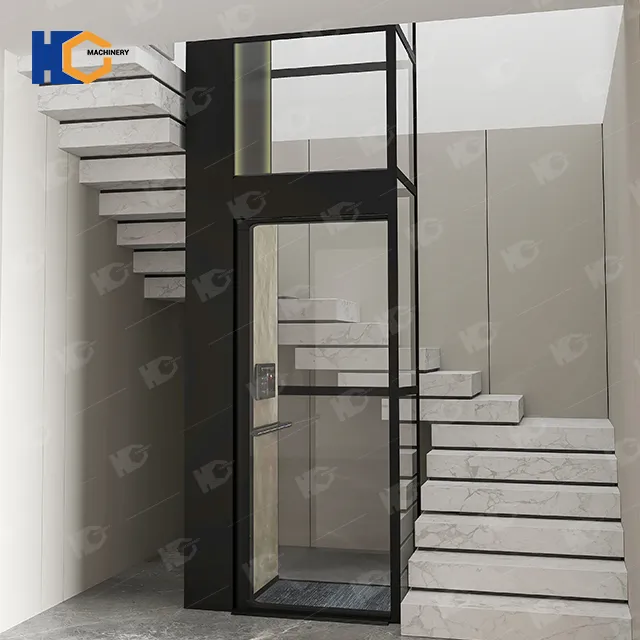
Hydraulic elevators are one of the most popular choices for home lifts and low-rise buildings. They’re known for smooth rides, strong lifting power, and relatively simple mechanics. But how do they actually work—and are they right for your home?
This guide explains the working principle, components, system design, pros and cons, and real-world applications of hydraulic home elevators in a way that’s easy to understand and useful for decision-making.
What Is a Hydraulic Elevator?
A hydraulic elevator is a type of lift that uses fluid pressure to raise and lower the elevator car. Instead of cables and counterweights (like traction elevators), it relies on a hydraulic cylinder and pump system.
In simple terms:
It pushes the elevator up using liquid pressure and lets it come down in a controlled way.
Where Hydraulic Elevators Are Used
Hydraulic elevators are commonly found in:
Private homes (2–5 floors)
Villas and townhouses
Small apartment buildings
Commercial low-rise buildings
Hospitals and accessibility upgrades
They are especially popular in residential settings because of their reliability and lower installation complexity.
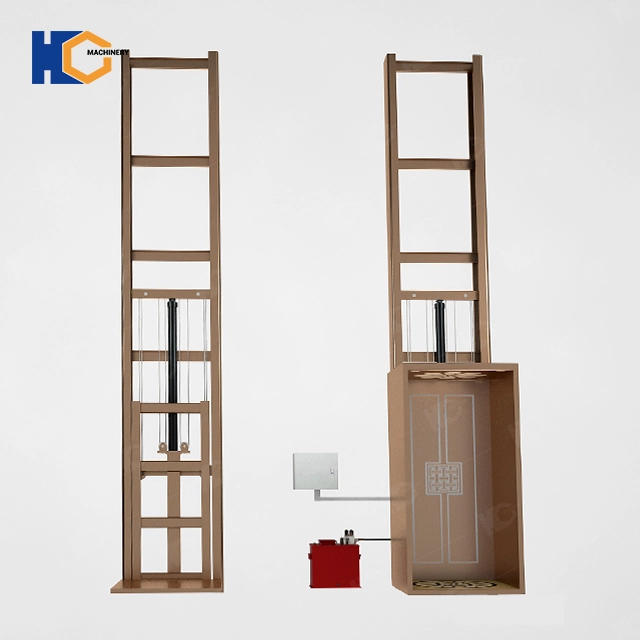
Core Working Principle (Easy Explanation)
The system is based on a simple physical idea:
Liquids don’t compress easily—so when pressure is applied, they transmit force efficiently.
This is known as hydraulic pressure.
How a Hydraulic Elevator Works (Step-by-Step)
Step 1: Call the Elevator
You press a button, and the system sends a signal to the control unit.
Step 2: Pump Activates (Going Up)
An electric motor starts a pump that pushes hydraulic oil into a cylinder.
Step 3: Piston Moves Up
The oil pressure pushes a piston upward inside the cylinder.
Step 4: Elevator Car Rises
The piston lifts the elevator car smoothly to the desired floor.
Step 5: Stop at Floor
The system stops pumping when the correct level is reached.
Step 6: Going Down
To descend:
A valve opens
Oil flows back into the reservoir
Gravity lowers the elevator
Key Insight:
Upward movement = powered by pump
Downward movement = controlled by gravity
Main Components of a Hydraulic Elevator
Understanding the parts helps you understand the system.
1. Hydraulic Cylinder
The core lifting component
Contains the piston
Installed underground or alongside the shaft
2. Piston (Plunger)
Moves up and down inside the cylinder
Directly lifts the elevator car
3. Hydraulic Pump
Pushes oil into the cylinder
Powered by an electric motor
4. Oil Reservoir (Tank)
Stores hydraulic fluid
Supplies oil to the system
5. Control Valve
Regulates oil flow
Controls speed and stopping
6. Elevator Car (Cab)
The compartment that carries passengers
7. Guide Rails
Keep the elevator moving straight and stable
8. Controller System
Acts as the “brain”
Manages movement, safety, and floor selection
Types of Hydraulic Elevators
Not all hydraulic elevators are built the same.
1. Direct-Acting Hydraulic Elevator
Piston directly pushes the car
Cylinder located below or beside the lift
Best for:
Low-rise residential use
2. Roped Hydraulic Elevator
Uses ropes and pulleys
Cylinder movement is amplified
Best for:
Slightly taller buildings
3. Hole-Less Hydraulic Elevator
No deep pit required
Uses side-mounted cylinders
Best for:
Homes with limited space
Advantages of Hydraulic Home Elevators
1. Smooth and Quiet Operation
Hydraulic systems provide:
Soft starts and stops
Minimal vibration
2. Strong Lifting Power
Can handle:
Heavier loads
Wheelchairs and equipment
3. Lower Installation Complexity
Compared to traction elevators:
No overhead machine room required (in some designs)
Easier to install in existing homes
4. Cost-Effective for Low-Rise Buildings
More affordable than traction systems for:
2–5 floors
5. Safety and Reliability
Fewer moving parts
Stable lifting mechanism
Disadvantages to Consider
1. Slower Speed
Hydraulic elevators are slower than traction elevators.
2. Limited Height
Best for:
Low-rise buildings only
3. Energy Efficiency
Uses more energy when going up
Less efficient than traction systems
4. Maintenance Requirements
Hydraulic oil needs monitoring
Potential for leaks over time
5. Space Requirements
Requires space for:
Pump unit
Oil tank
Hydraulic Elevator vs Traction Elevator
| Feature | Hydraulic | Traction |
|---|---|---|
| Speed | Slower | Faster |
| Height Limit | Low-rise | High-rise |
| Cost | Lower | Higher |
| Installation | Simpler | More complex |
| Energy Efficiency | Lower | Higher |
Bottom line:
Hydraulic = better for homes
Traction = better for tall buildings
Safety Features in Hydraulic Elevators
Modern systems include:
Emergency stop buttons
Door interlocks
Overload protection
Backup lowering system
Pressure relief valves
Important:
Even during power failure, many systems allow safe descent.
Applications in Home Use
1. Accessibility
Wheelchair users
Elderly residents
2. Convenience
Moving groceries
Transporting luggage
3. Property Value
Adds:
Luxury
Functionality
Common Problems (and Solutions)
Problem 1: Oil Leakage
Solution:
Regular maintenance
Quality seals
Problem 2: Slow Operation
Reality:
Normal for hydraulic systems
Problem 3: Noise from Pump
Solution:
Install in separate room
Use sound insulation
Installation Considerations
1. Space Planning
Shaft size
Machine room (or compact unit)
2. Pit Depth
Usually shallow compared to traction systems
3. Power Supply
Standard residential electricity
4. Local Regulations
Safety codes
Certification requirements
Cost of Hydraulic Home Elevators
Typical price ranges:
Basic models: $10,000 – $25,000
Mid-range: $25,000 – $50,000
Custom luxury: $50,000+
Factors affecting cost:
Number of floors
Size and capacity
Custom design
Installation complexity
Maintenance Tips
Check hydraulic fluid levels
Inspect seals and hoses
Schedule annual servicing
Monitor system performance
Future Trends
1. Eco-Friendly Hydraulic Fluids
Reducing environmental impact.
2. Compact Designs
Better for smaller homes.
3. Smart Controls
Remote monitoring
App-based operation
4. Energy Improvements
More efficient pump systems.
Final Thoughts
Hydraulic elevators are a practical, reliable, and cost-effective solution for home vertical transportation.
Best suited for:
Low-rise homes
Accessibility needs
Budget-conscious installations
Key strengths:
Simplicity
Strength
Smooth operation
Limitations:
Speed
height range
Bottom Line
If you need a home elevator that is:
Reliable
Easy to install
Cost-effective
A hydraulic system is one of the smartest choices available.
It may not be the fastest option—but for most homes, it delivers exactly what matters:
Safe, smooth, and dependable vertical movement—every single day.
390.webp)