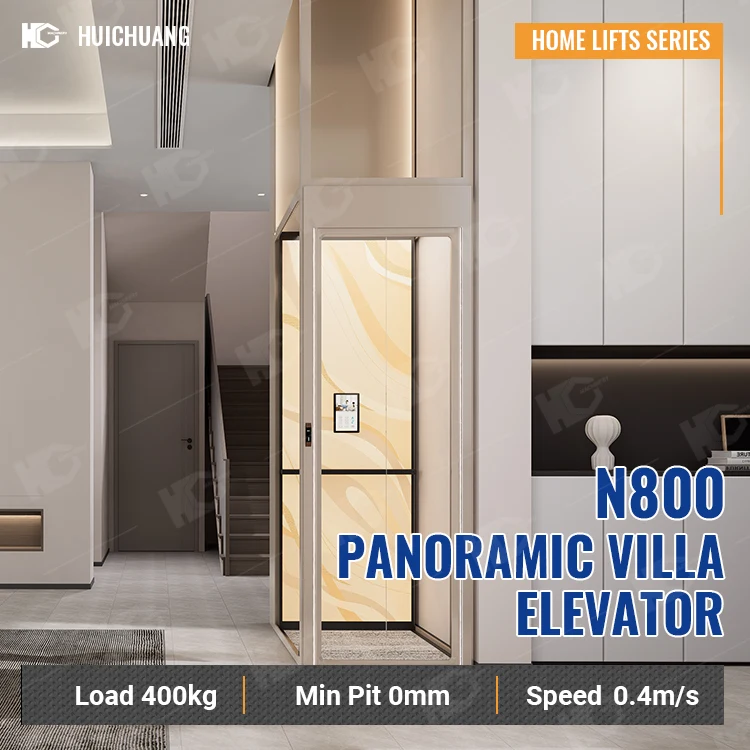
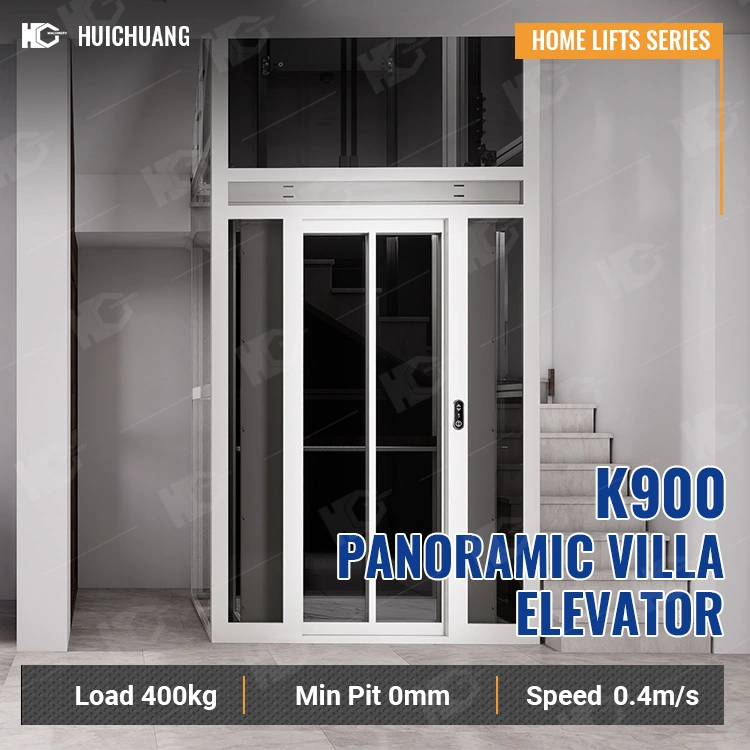
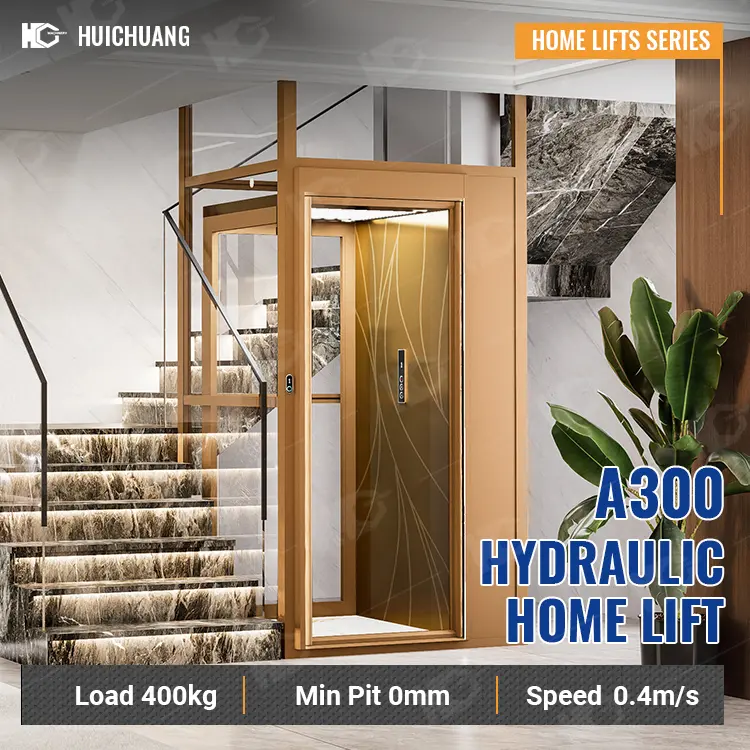
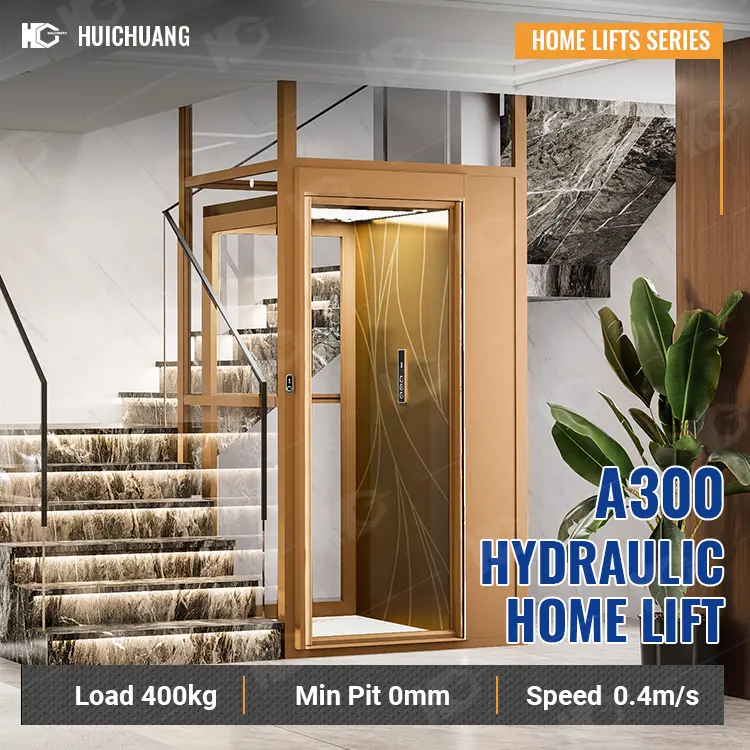
In modern residential design, comfort, accessibility, and long-term value have become essential considerations. One solution that perfectly combines all three is the hydraulic home elevator. Once considered a luxury feature, hydraulic elevators are now increasingly common in villas, duplex homes, and multi-story residences. This guide provides a fully structured and detailed overview of hydraulic home elevators for residential use—covering how they work, their advantages, technical specifications, applications, comparisons, and practical procurement advice. By the end, you will have a clear and confident understanding of whether this system is right for your project. A hydraulic home elevator is a residential lift system that uses liquid pressure to move the elevator car vertically. Unlike traction elevators that rely on cables and counterweights, hydraulic systems use a piston-driven mechanism. The system operates through three main components: A hydraulic pump A fluid reservoir A cylinder and piston When the elevator is activated, the pump pushes hydraulic oil into the cylinder, forcing the piston upward and lifting the cabin. To descend, the system gradually releases the fluid back into the tank, allowing a smooth and controlled lowering process. This design results in stable, quiet, and vibration-free movement, making it particularly suitable for residential environments. Hydraulic elevators are widely used in low-rise residential buildings (typically 2–5 floors) due to their balance of performance, cost, and reliability. One of the biggest advantages is the exceptionally smooth ride quality. The hydraulic mechanism ensures gentle starts and stops, which is especially beneficial for elderly users or families with children. Hydraulic systems can easily handle heavier loads compared to many other residential elevator types. Typical capacities range from: 250 kg for small households Up to 400–500 kg for larger families or wheelchair access With fewer moving parts than traction systems, hydraulic elevators are known for: Stable performance Lower mechanical wear Long service life Hydraulic elevators offer more installation flexibility because the machine room can be placed nearby, rather than above the shaft. This makes them suitable for both: New construction projects Existing home retrofits Safety is a major strength of hydraulic systems. The cabin is supported by the piston at all times, and in the event of power failure, the elevator can safely descend using controlled pressure release. Hydraulic home elevators are designed specifically for residential use, with parameters tailored for comfort and practicality. These specifications make hydraulic elevators ideal for low-rise buildings where high speed is not required but stability is critical. Understanding the different configurations helps in selecting the right system. This traditional design uses a piston installed below ground level. It offers excellent stability but requires deeper construction work. A modern alternative that eliminates underground drilling. It is easier to install and well-suited for existing homes. Combines hydraulic power with a rope system, allowing for slightly greater travel heights. Traditional systems require a dedicated machine room Newer designs reduce space requirements with compact power units A hydraulic home elevator consists of several key components: Drives the system by pumping fluid into the cylinder. The core lifting mechanism responsible for vertical movement. The passenger area, which can be customized in terms of size, material, and design. Manages operation, safety functions, and floor positioning. Ensure smooth and stable vertical travel. Hydraulic home elevators are versatile and can be used in a variety of residential scenarios. Enhance luxury living while improving convenience. Provide effortless access between floors, especially for daily use. Improve mobility and independence while reducing the risk of accidents. Ideal for upgrading existing homes without major structural changes. Suitable for low-rise apartments or shared housing. Hydraulic elevators are more practical for residential use, while traction systems are better for commercial or tall buildings. Pneumatic elevators are space-saving, but hydraulic systems offer better strength and long-term reliability. Before purchasing, it’s important to evaluate installation conditions. Elevator shaft (hoistway) Pit depth of approximately 150–200 mm Machine room or compact unit space Stable power supply Hydraulic elevators generally require more preparation than compact lift systems but deliver superior performance in return. Modern hydraulic home elevators are equipped with advanced safety systems: Emergency stop button Overload protection Door interlock system Automatic leveling Power failure emergency lowering Alarm system These features ensure safe and reliable operation for all users. The price of a hydraulic home elevator depends on multiple factors. Number of floors Load capacity Cabin size and materials Customization level Installation complexity Basic models: $15,000 – $25,000 Standard systems: $25,000 – $50,000 Luxury designs: $50,000+ Additional costs may include civil works, electrical installation, and maintenance. Regular inspection of hydraulic oil Checking seals and valves Routine system testing Hydraulic elevators typically last 15–25 years, making them a long-term investment. Smooth and quiet operation Strong load capacity High safety level Cost-effective for residential use Durable and reliable Requires installation space Slower than traction elevators Needs periodic maintenance Potential risk of oil leakage (rare with modern systems) Consider: Number of users Floors to be served Special requirements (wheelchair access, etc.) Ensure your home can accommodate: Shaft dimensions Machine room or compact system Choose based on usage: 250 kg → small households 400–500 kg → larger families Prioritize models with: Backup systems Emergency controls Modern elevators can be customized with: Glass panels Premium finishes Smart lighting Look for manufacturers with: Industry experience International certifications Proven export capability Ensure specifications are clear and meet your requirements. Evaluate not just price, but: Features Installation services After-sales support Reliable suppliers should provide: Maintenance support Spare parts availability Technical assistance Focus on durability and performance rather than just initial cost. Hydraulic home elevators are evolving with new technologies: Machine room-less designs Smart control systems Energy-efficient pumps Luxury customization options These innovations are making hydraulic elevators even more attractive for modern homes. Hydraulic home elevators are a practical, safe, and cost-effective solution for residential buildings. With their smooth operation, strong load capacity, and flexible installation, they meet the needs of both modern homeowners and property developers. By understanding the system’s features, comparing available options, and working with reliable suppliers, buyers can make a confident investment that enhances both daily living and property value. In today’s housing landscape, a hydraulic home elevator is no longer just an upgrade—it’s a smart, future-ready solution for comfortable and accessible living.What Is a Hydraulic Home Elevator?
How It Works
Why Hydraulic Elevators Are Ideal for Homes
Smooth and Quiet Operation
Strong Load Capacity
High Reliability
Flexible Installation
Enhanced Safety
Technical Specifications Overview
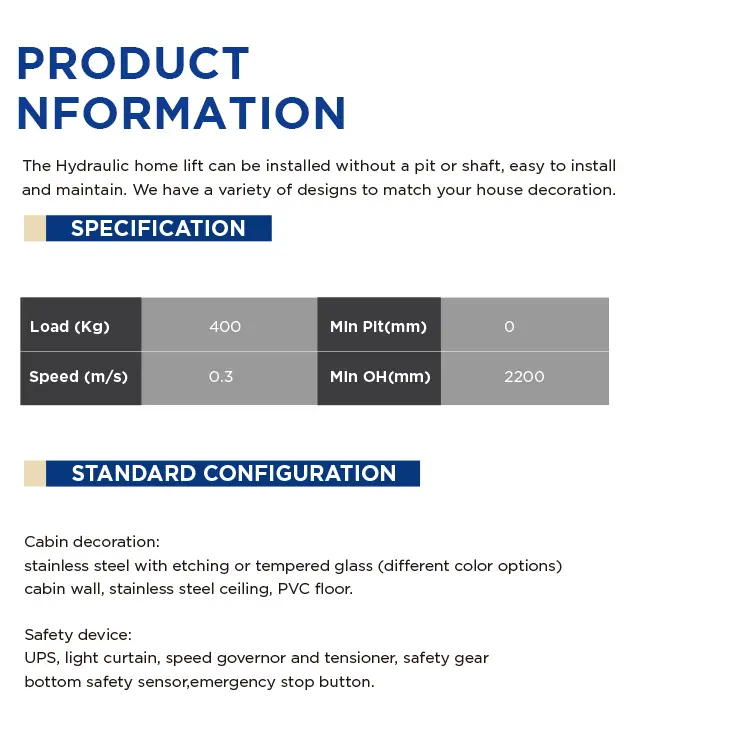
Parameter Typical Range Load Capacity 250–500 kg Speed 0.3 – 1.0 m/s Travel Height Up to 15 m Number of Stops 2–5 floors Power Supply 220V / 380V Drive System Hydraulic piston Control System PLC / Microprocessor Door Type Automatic / Manual Types of Hydraulic Home Elevators
Holed Hydraulic Elevator
Holeless Hydraulic Elevator
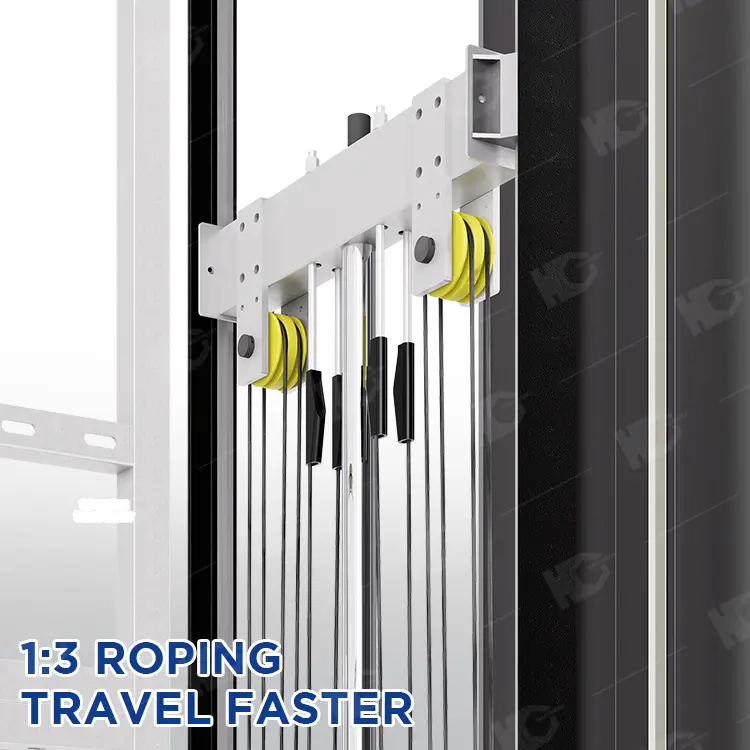
Roped Hydraulic Elevator
Machine Room vs Compact Systems

Main Components Explained
Hydraulic Power Unit
Cylinder and Piston
Elevator Cabin
Control System
Guide Rails
Applications in Residential Settings
Private Villas
Multi-Story Houses
Homes with Elderly or Disabled Residents
Renovation Projects
Small Residential Buildings
Comparison with Other Elevator Types
Hydraulic vs Traction Elevators
Feature Hydraulic Traction Cost Lower Higher Speed Moderate High Installation Easier More complex Noise Very low Moderate Best Use Homes High-rise buildings Hydraulic vs Pneumatic Elevators
Feature Hydraulic Pneumatic Load Capacity High Lower Installation Moderate Easy Space Requirement Larger Compact Durability High Moderate 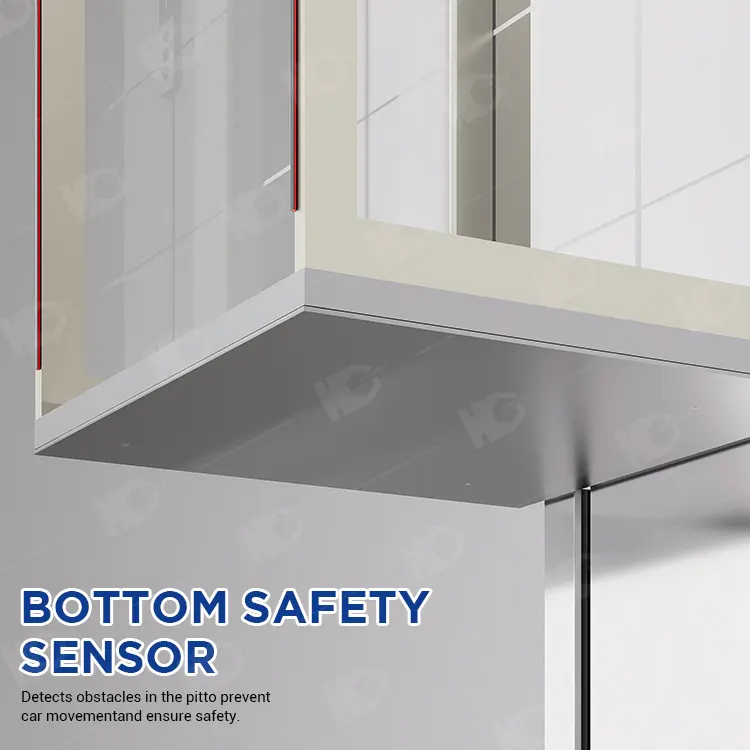
Space and Installation Requirements
Key Requirements:
Safety Features
Cost Breakdown
Main Cost Factors:
Typical Price Range:

Maintenance and Lifespan
Maintenance Needs:
Lifespan:
Advantages and Limitations
Advantages:
Limitations:
How to Choose the Right Hydraulic Home Elevator
Step 1: Define Your Needs
Step 2: Evaluate Space
Step 3: Select Appropriate Capacity
Step 4: Check Safety Features
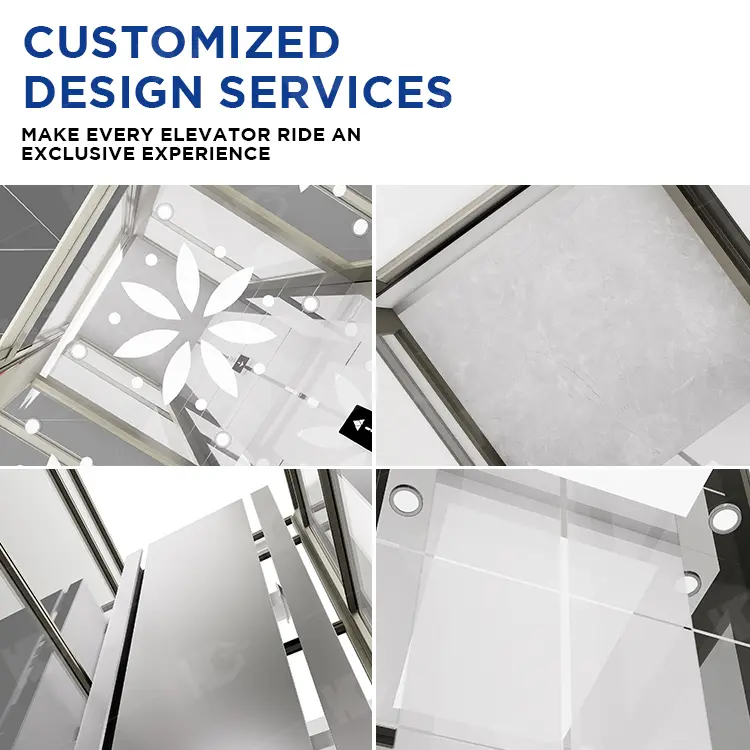
Step 5: Consider Design
Procurement Advice for Buyers
Choose a Trusted Supplier
Request Detailed Technical Data
Compare Multiple Offers
Confirm After-Sales Service
Plan for Long-Term Value
Future Trends
Conclusion
390.webp)