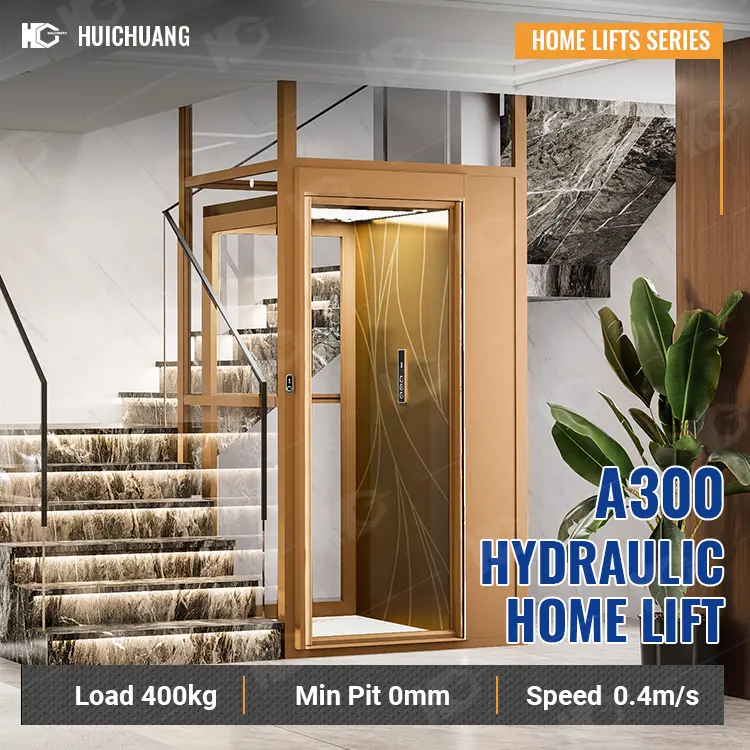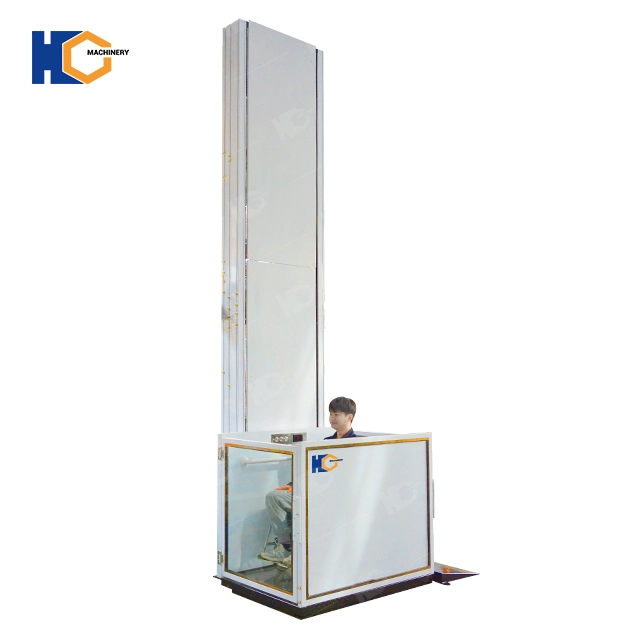
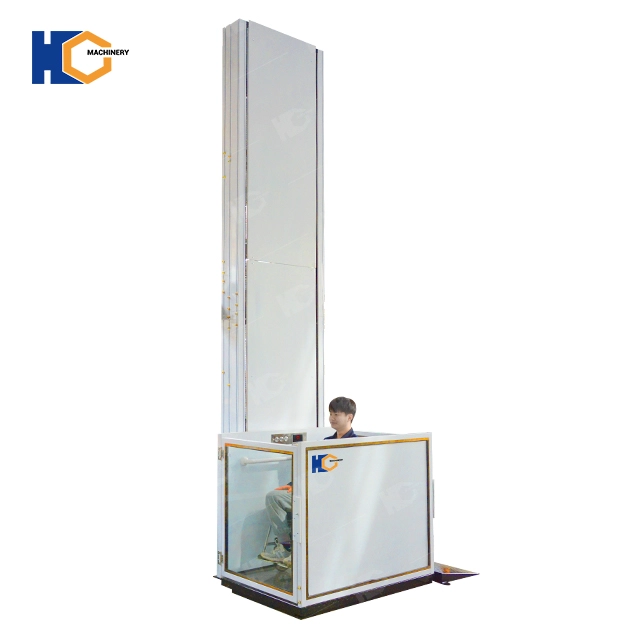
Wheelchair lifts, also known as vertical platform lifts, are a valuable addition to homes for individuals with mobility challenges. They provide an efficient and safe way to navigate between different levels of a house. However, like any significant home modification, wheelchair lifts come with their own set of advantages and disadvantages. This article explores the pros and cons of installing a wheelchair lift in a home.
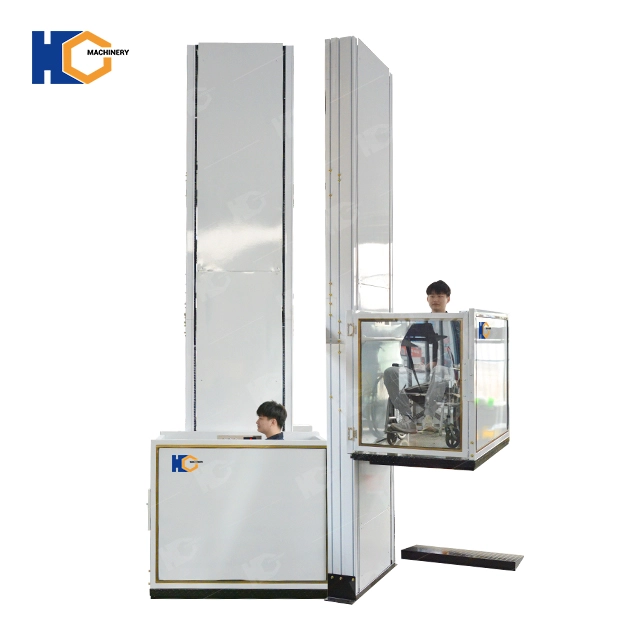
What is a Wheelchair Lift?
A wheelchair lift, also known as a vertical platform lift, is a mechanical device designed to lift a wheelchair and its user vertically to overcome architectural barriers such as stairs, elevated entrances, or different floor levels within a building. These lifts provide an essential solution for individuals with mobility challenges, allowing them to move freely and independently within their homes or public spaces.
Wheelchair lifts operate by moving vertically, similar to an elevator, but are specifically designed to accommodate wheelchairs and their users. They provide access to different levels of a building without the need for ramps or elevators.
The lift consists of a sturdy platform that supports the wheelchair and user. The platform is often equipped with safety features such as guardrails, non-slip surfaces, and safety gates to ensure a secure ride.
Wheelchair lifts come with user-friendly controls, typically mounted on the platform or on nearby walls. These controls allow the user or a caregiver to operate the lift easily, moving it up or down as needed.
Modern wheelchair lifts are equipped with various safety features, including emergency stop buttons, backup power systems (to allow operation during power outages), and sensors to detect obstructions and prevent accidents.
Wheelchair lifts are designed to handle the weight of a standard wheelchair and its user, with typical weight capacities ranging from 500 to 750 pounds (225 to 340 kilograms).
Types of Wheelchair Lifts
Vertical Platform Lifts (VPLs):
These are the most common type of wheelchair lift, designed to provide vertical access to different levels of a building. They are suitable for both indoor and outdoor use and can be installed in residential homes, public buildings, and commercial spaces.
Inclined Platform Lifts (IPLs):
Inclined platform lifts are designed to travel along the incline of an existing staircase. They are an excellent solution for homes or buildings where space is limited and a vertical lift is not feasible.
Portable Wheelchair Lifts:
These are movable units that can be used temporarily or in multiple locations. They are ideal for events, temporary accessibility needs, or for use in areas where permanent installation is not possible.
Applications of Wheelchair Lifts
Residential Use:
Wheelchair lifts are often installed in private homes to provide access to different floors, porches, or decks. They help individuals with mobility challenges live independently and safely within their own homes.
Public Buildings:
Public facilities such as schools, libraries, and government buildings use wheelchair lifts to comply with accessibility standards and ensure that all individuals can access services and amenities.
Commercial Spaces:
Businesses, including retail stores, restaurants, and offices, install wheelchair lifts to provide inclusive access to customers and employees with mobility impairments.
Healthcare Facilities:
Hospitals, clinics, and nursing homes use wheelchair lifts to facilitate the movement of patients and ensure accessibility throughout the facility.
A wheelchair lift is a crucial device that enhances accessibility and independence for individuals with mobility challenges. By providing a safe and efficient means of vertical transportation, wheelchair lifts overcome architectural barriers and ensure that all individuals can access the spaces and services they need. Whether in residential homes, public buildings, commercial spaces, or healthcare facilities, wheelchair lifts play a vital role in promoting inclusivity and improving the quality of life for people with disabilities.
Pros of Wheelchair Lifts
Increased Accessibility:
Data: According to the U.S. Census Bureau, nearly 20% of the population has some form of disability, with mobility impairments being one of the most common. Wheelchair lifts enhance accessibility for these individuals, allowing them to move freely between floors.
Independence:
Benefit: Wheelchair lifts enable users to navigate their homes without assistance, promoting independence and self-sufficiency. This is especially important for those who wish to live independently and avoid relying on caregivers for mobility.
Space Efficiency:
Design: Unlike ramps, which require a significant amount of space due to their gradual incline, wheelchair lifts are vertical and compact. This makes them suitable for homes with limited space where installing a ramp is not feasible.
Safety:
Features: Modern wheelchair lifts come equipped with safety features such as non-slip surfaces, guardrails, emergency stop buttons, and backup power sources. These features ensure safe and reliable operation, even in emergencies.
Increased Property Value:
Market Impact: Installing a wheelchair lift can enhance the value of a home by making it more accessible to potential buyers with mobility needs. It demonstrates a commitment to accessibility, which can be a selling point.
Cons of Wheelchair Lifts
High Initial Cost:
Data: The cost of purchasing and installing a wheelchair lift can range from $5,000 to $15,000, depending on the type, features, and complexity of the installation. This high upfront cost can be a barrier for many homeowners.
Maintenance and Repairs:
Ongoing Costs: Wheelchair lifts require regular maintenance to ensure safe operation. This includes periodic inspections, servicing, and potential repairs, which can add to the long-term costs of ownership.
Space Requirements:
Installation: While more space-efficient than ramps, wheelchair lifts still require a dedicated area for installation. This might involve structural modifications to the home, which can be disruptive and costly.
Noise:
Operation: Some wheelchair lifts, especially older models or less expensive options, can be noisy during operation. This might be a consideration for those sensitive to noise or for homes where quiet operation is desired.
Aesthetic Considerations:
Design: While functionality is paramount, wheelchair lifts can sometimes detract from the aesthetic appeal of a home. Ensuring that the lift integrates well with the home’s design and décor might require additional investment.
Conclusion
Wheelchair lifts for homes offer significant benefits in terms of accessibility, independence, and safety, making them a valuable investment for individuals with mobility challenges. However, they also come with considerations such as high initial costs, maintenance requirements, and potential noise issues.
When deciding whether to install a wheelchair lift, it’s essential to weigh these pros and cons carefully and consider the specific needs and constraints of the household. For many, the enhanced quality of life and increased independence that a wheelchair lift provides far outweigh the drawbacks, making it a worthwhile addition to the home.
Cost
If you are planning to purchase Wheelchair Lifts for home, then the cost is an issue that must be considered. First of all, I would like to remind you that you should not just covet cheapness, because after all, it is a device that you will use every day in your own house. Convenient operation and good safety performance are all factors that are linked to cost.
Cost of Wheelchair Lifts: A Detailed Comparison
| Type of Lift | Basic Models | Mid-Range Models | High-End Models |
|---|---|---|---|
| Vertical Platform Lifts | $3,000 - $8,000 | $8,000 - $12,000 | $12,000 - $20,000+ |
| Inclined Platform Lifts | $3,000 - $7,000 | $7,000 - $12,000 | $12,000 - $15,000+ |
| Portable Wheelchair Lifts | $1,500 - $3,000 | $3,000 - $6,000 | $6,000 - $10,000+ |
Additional Costs
| Additional Cost | Price Range | Factors |
|---|---|---|
| Installation | $500 - $5,000 | Complexity of installation, structural modifications, electrical work, customizations |
| Maintenance and Repairs | $100 - $500 per year | Regular inspections, servicing, potential repairs |
| Permits and Inspections | $100 - $300 | Local building codes and regulations |
The above price is a summary of the prices we have given to customers in the past. Most of our customers customize Wheelchair Lifts for home. The price will vary according to the function, size and other parameters. Although it is not an accurate price, it has a certain reference effect.
Company Introduction: JNCH Lift
About Us
JNCH Lift is a renowned manufacturer of wheelchair lifts for homes. With a strong commitment to quality, innovation, and customer satisfaction, we specialize in designing and producing high-performance wheelchair lifts that enhance accessibility and independence for individuals with mobility challenges.
Join Us as a Partner
We are currently seeking global partners to collaborate with us and expand our market reach. By partnering with JNCH Lift, you can enhance your economic benefits and offer top-quality accessibility solutions to your customers. Our partnership program is designed to provide you with the tools, support, and resources needed to succeed in the growing accessibility market.
Why Partner with JNCH Lift?
Quality Products:
Our wheelchair lifts are designed with the highest standards of safety, durability, and reliability, ensuring customer satisfaction and long-term use.
Innovation:
We continuously invest in research and development to bring innovative products to the market, keeping you ahead of the competition.
Comprehensive Support:
We offer extensive support to our partners, including technical training, marketing materials, and customer service assistance, to help you succeed.
Competitive Advantage:
Partnering with a renowned brand like JNCH Lift gives you a competitive edge in the market, enhancing your reputation and attracting more customers.
Benefits of Partnership
Increased Profitability:
Our high-quality products and strong brand reputation can help you boost your sales and profitability.
Market Expansion:
Access to new markets and customer segments by offering innovative and reliable accessibility solutions.
Collaborative Growth:
Work with a trusted partner committed to mutual growth and success.
Contact Us
Enhance your economic benefits by joining us as a global partner. Together, we can improve accessibility and independence for individuals worldwide. For more information about our partnership program, please visit our website or contact our business development team.
Room 203, Second Floor, Building 8, Phase Ⅱ, Zhizao Town, Jibei Street, Jiyang District, Jinan City, Shandong Province
892.webp)