
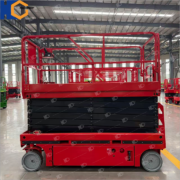
18 Common Scissor Lift Applications
/0 Comments/in blog /by jnhclift18 Scissor Lift Applications: A Complete Guide to Industries, Use Cases, and Benefits
Scissor lifts have become one of the most essential pieces of aerial work equipment across modern industries. From warehouse maintenance and commercial construction to aircraft servicing and manufacturing plants, scissor lifts provide a safe, efficient, and cost-effective solution for working at height.
Unlike ladders or traditional scaffolding, scissor lifts offer a stable working platform that can lift both workers and tools vertically while maintaining excellent load capacity. Advances in hydraulic systems, electric drive technology, lithium batteries, and intelligent safety controls have expanded the range of applications for scissor lifts, making them indispensable for businesses worldwide.
Whether you are a contractor, facility manager, rental company, or industrial buyer, understanding where and how scissor lifts are used can help you choose the right equipment for your projects.
What Is a Scissor Lift?
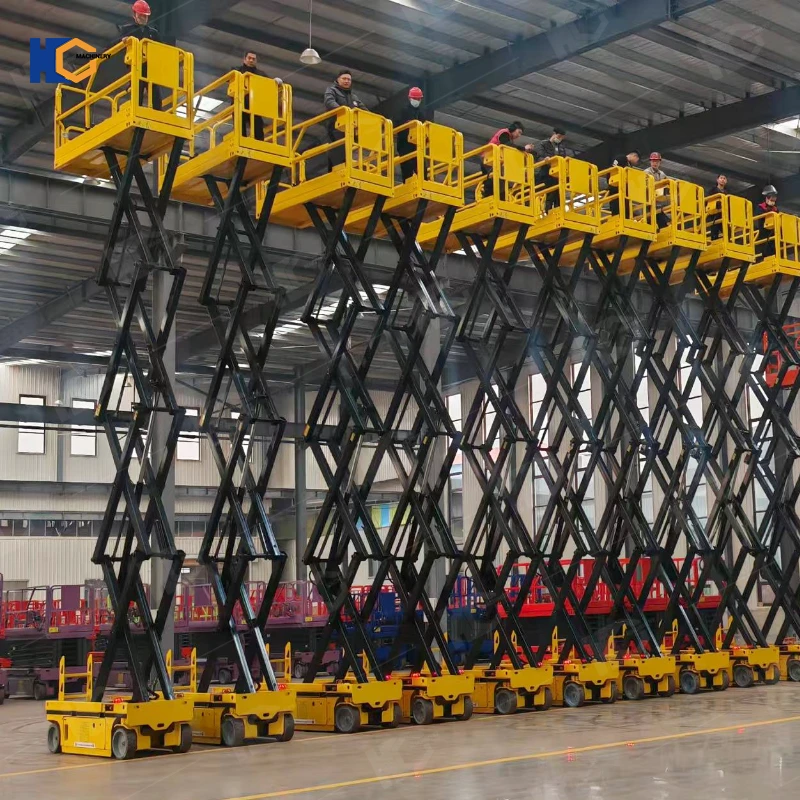
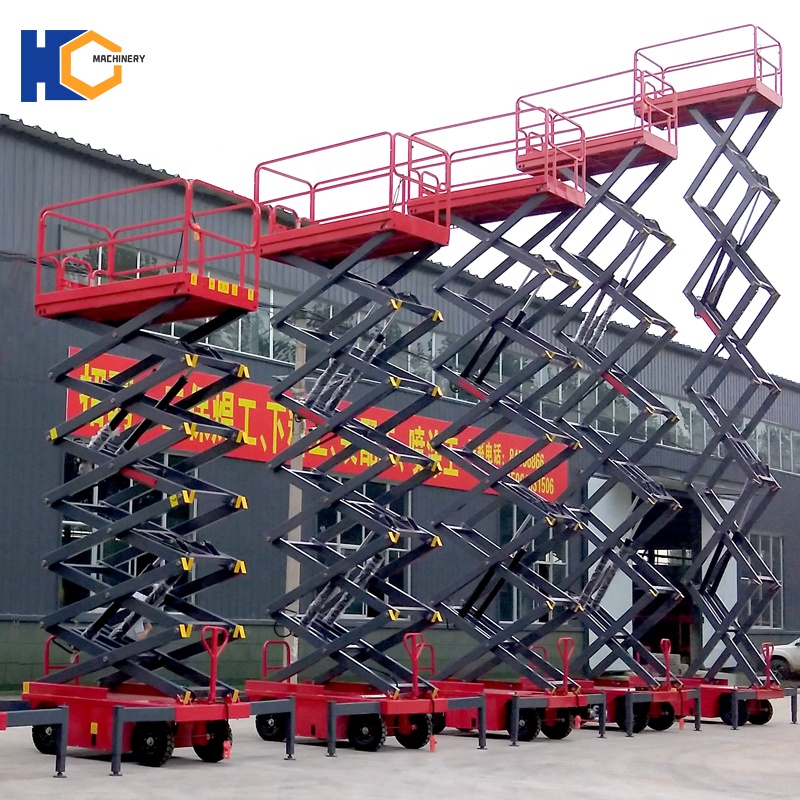
A scissor lift is a type of aerial work platform (AWP) designed to move workers, equipment, and materials vertically. It gets its name from the crisscrossing metal supports beneath the platform, which resemble a pair of scissors. As hydraulic cylinders, electric actuators, or pneumatic systems extend these supports, the platform rises straight upward.
Unlike boom lifts, which provide both vertical and horizontal reach, scissor lifts are designed primarily for vertical elevation. This makes them ideal for tasks that require a stable working platform directly above the machine.
Modern scissor lifts are available in:
- Hydraulic scissor lifts
- Electric scissor lifts
- Diesel-powered scissor lifts
- Self-propelled scissor lifts
- Rough terrain scissor lifts
- Mini scissor lifts
- Mobile scissor lifts
- Stationary scissor lifts
- High-capacity industrial scissor lifts
Working heights typically range from 6 m (20 ft) to 22 m (72 ft), while load capacities vary from 230 kg to over 2,000 kg, depending on the model.
Why Are Scissor Lifts So Popular?
Scissor lifts continue gaining popularity because they offer several advantages over ladders, scaffolding, and temporary platforms.
Key benefits include:
- Large working platform
- High load capacity
- Excellent stability
- Fast lifting speed
- Reduced labor costs
- Improved workplace safety
- Easy operation
- Low maintenance
- Multiple power options
- Long service life
For companies performing frequent elevated work, a scissor lift often delivers a faster return on investment than repeatedly assembling scaffolding.
Main Applications of Scissor Lifts
Scissor lifts serve dozens of industries. Below are the most common application areas.
1. Building Construction
Construction remains the largest market for scissor lifts.
Workers use them for:
- Ceiling installation
- Steel structure assembly
- Window installation
- Curtain wall construction
- HVAC installation
- Plumbing work
- Electrical wiring
- Fire protection systems
- Interior finishing
- Painting
- Roofing
- Drywall installation
Because the platform can carry several workers along with tools and materials, productivity is significantly higher than using ladders.
Typical lifting height:
- Indoor: 6–14 m
- Outdoor: 10–22 m
2. Warehouse Operations
Modern logistics centers increasingly rely on electric scissor lifts.
Applications include:
- High shelving maintenance
- Inventory management
- Lighting replacement
- Warehouse cleaning
- Conveyor maintenance
- Security camera installation
- Barcode system installation
- Fire sprinkler inspection
Electric models produce zero emissions and low noise, making them ideal for indoor warehouses.
3. Manufacturing Plants
Factories frequently use scissor lifts for equipment maintenance.
Common tasks include:
- Machine servicing
- Production line repairs
- Factory lighting replacement
- Air duct maintenance
- Pipeline inspection
- Industrial cleaning
- Equipment installation
Self-propelled models allow technicians to move quickly between workstations without lowering the platform.
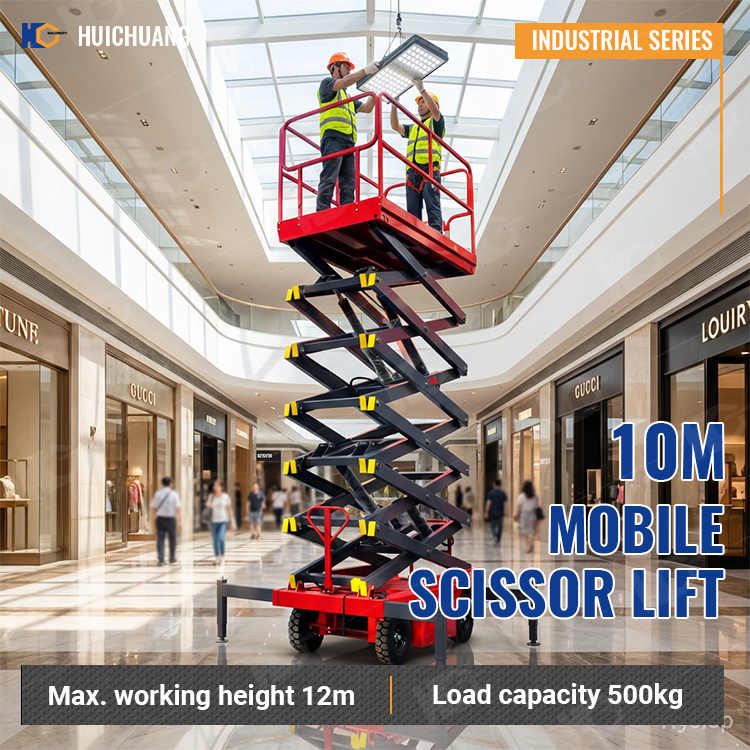
4. Shopping Malls
Large commercial buildings require regular maintenance.
Typical applications include:
- Decorative lighting installation
- Sign replacement
- Ceiling repairs
- HVAC servicing
- Glass cleaning
- CCTV installation
- Holiday decorations
- Banner hanging
Electric scissor lifts operate quietly and do not disturb shoppers.
5. Airports
Airports demand reliable aerial work platforms for daily operations.
Scissor lifts assist with:
- Terminal maintenance
- Lighting systems
- HVAC repairs
- Passenger bridge servicing
- Security equipment installation
- Surveillance camera maintenance
- Ceiling inspection
Some airports also use specialized scissor platforms for baggage handling systems.
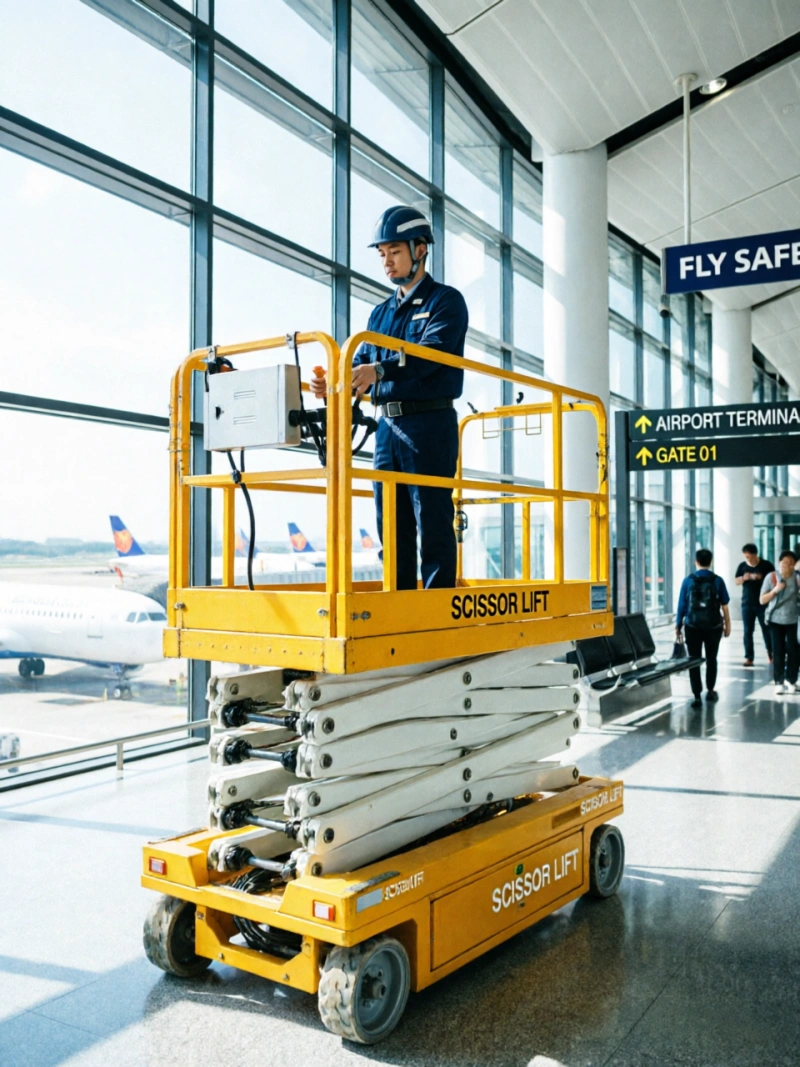
Scissor Lift is working at the airport.
6. Aircraft Maintenance
Aircraft maintenance requires stable working platforms around the fuselage.
Applications include:
- Engine inspection
- Wing maintenance
- Cabin servicing
- Aircraft cleaning
- Paint preparation
- Lighting installation
For larger aircraft, scissor lifts are often combined with boom lifts to access different sections efficiently.
7. Automotive Manufacturing
Vehicle assembly plants use scissor lifts throughout production.
Typical jobs include:
- Assembly line maintenance
- Robotic equipment repair
- Conveyor servicing
- Lighting replacement
- Vehicle inspection
- Factory upgrades
Industrial scissor lifts reduce downtime and improve maintenance efficiency.
8. Exhibition and Convention Centers
Event venues frequently install and remove temporary structures.
Scissor lifts help with:
- Stage construction
- LED screen installation
- Audio equipment mounting
- Lighting systems
- Exhibition booth setup
- Advertising banners
- Decorative displays
Because setup schedules are often tight, self-propelled models improve productivity.
9. Hotels
Hotels require ongoing facility maintenance without disrupting guests.
Applications include:
- Chandelier maintenance
- Ceiling repairs
- HVAC systems
- Wall decoration
- Exterior cleaning
- Security systems
- Lighting upgrades
Compact electric lifts easily navigate hotel corridors and elevators.
10. Hospitals
Hospitals prioritize low-noise, emission-free equipment.
Electric scissor lifts are used for:
- Lighting maintenance
- Air filtration systems
- Medical gas pipeline inspection
- Ceiling repairs
- Electrical systems
- Security equipment
Their quiet operation minimizes disruption in patient areas.
11. Schools and Universities
Educational institutions use scissor lifts for campus maintenance.
Typical tasks include:
- Auditorium lighting
- Gymnasium maintenance
- Library repairs
- Sports facility maintenance
- Security camera installation
- Roof inspections
Many schools prefer electric models due to their clean operation.
12. Municipal Engineering
City governments use scissor lifts for public infrastructure projects.
Applications include:
- Street lighting
- Traffic signs
- Public buildings
- Parks
- Bus stations
- Pedestrian bridges
- Public art maintenance
Outdoor diesel scissor lifts provide sufficient power for uneven terrain.
13. Power and Utility Industry
Utility companies regularly inspect elevated equipment.
Applications include:
- Transformer maintenance
- Indoor substations
- Cable installation
- Control room maintenance
- Electrical equipment inspection
Insulated models may be selected where electrical safety is critical.
14. Renewable Energy Projects
As renewable energy expands globally, scissor lifts support:
- Solar panel installation
- Wind turbine base maintenance
- Battery storage facilities
- Electrical connections
- Monitoring equipment
Compact lifts improve access between solar arrays.
15. Data Centers
Modern data centers require precision maintenance.
Scissor lifts assist with:
- Cable management
- Cooling systems
- Lighting
- Server room maintenance
- Fire suppression systems
Electric lifts minimize contamination and noise.
16. Cold Storage Facilities
Cold warehouses present unique challenges.
Scissor lifts are used for:
- Refrigeration systems
- Ceiling maintenance
- Storage rack repairs
- Lighting replacement
Battery-powered models perform well indoors without generating exhaust fumes.
17. Retail Stores
Large supermarkets and retail chains use mini scissor lifts for:
- Shelf maintenance
- Promotional displays
- Signage installation
- Inventory management
- Ceiling lighting
Compact dimensions allow operation in narrow aisles.
18. Facility Management
Facility management companies rely on scissor lifts for ongoing maintenance contracts.
Typical services include:
- Building inspections
- Cleaning
- Lighting replacement
- HVAC maintenance
- Fire protection systems
- Exterior façade work
Owning a versatile fleet enables faster response times across multiple sites.
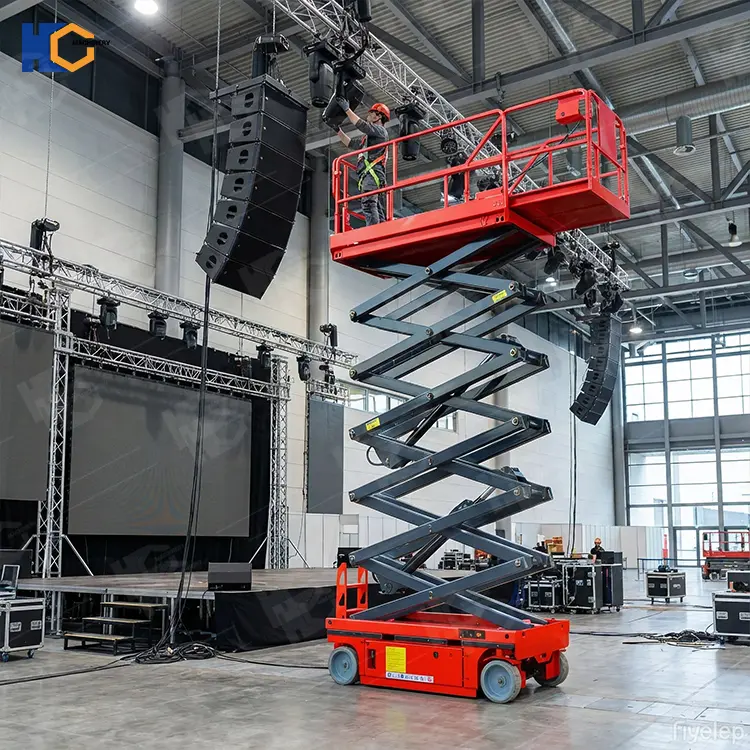
A scissor lift is setting up a stage.
Choosing the Right Scissor Lift for Different Applications
When selecting a scissor lift, consider the following factors:
Working Height
Always choose a model with sufficient platform height to safely reach the work area. Remember that working height is typically calculated as platform height plus approximately 2 meters for the operator.
Load Capacity
Estimate the combined weight of:
- Operators
- Tools
- Equipment
- Materials
Common capacities include:
- 230 kg
- 320 kg
- 450 kg
- 500 kg
- 680 kg
- 1,000 kg
- 2,000 kg+
Indoor or Outdoor Use
- Electric scissor lifts: Best for indoor applications due to zero emissions and low noise.
- Diesel scissor lifts: Suitable for outdoor construction sites requiring higher power.
- Rough terrain scissor lifts: Designed for uneven ground with four-wheel drive and larger tires.
Platform Size
A larger platform improves efficiency when multiple workers or bulky materials are involved.
Safety Features
Modern scissor lifts incorporate advanced safety systems, including:
- Emergency stop button
- Automatic pothole protection
- Tilt alarm
- Overload protection
- Platform guardrails
- Emergency lowering system
- Anti-crush protection
- Hydraulic hose burst valves
- Non-slip platform flooring
- Automatic braking
Regular inspections and operator training are essential to ensure safe operation.
Maintenance Tips
Routine maintenance helps extend equipment life and reduce downtime.
Key maintenance tasks include:
- Inspect hydraulic oil levels.
- Check battery condition and charging system.
- Lubricate pivot points.
- Examine tires and wheels.
- Test emergency controls.
- Inspect hydraulic hoses for leaks.
- Tighten fasteners.
- Verify safety devices.
- Clean the platform and chassis.
Following the manufacturer’s maintenance schedule ensures reliable performance and reduces repair costs.
Future Trends in Scissor Lift Applications
The scissor lift industry is evolving rapidly with new technologies that improve productivity and sustainability.
Emerging trends include:
- Lithium-ion battery systems for longer operating times and faster charging
- Telematics for remote fleet monitoring and predictive maintenance
- Smart diagnostics that reduce downtime
- Compact designs for confined workspaces
- Energy-efficient electric drive systems
- Enhanced safety sensors and anti-collision technologies
- Lightweight materials that improve transport efficiency
- Increased automation and fleet management integration
As industries continue to prioritize workplace safety, operational efficiency, and lower emissions, the demand for advanced scissor lifts is expected to grow across construction, logistics, manufacturing, infrastructure, and facility management sectors.
Conclusion
Scissor lifts have become indispensable across a wide range of industries thanks to their versatility, safety, and efficiency. Whether installing electrical systems in a commercial building, maintaining warehouse lighting, servicing industrial machinery, or supporting large-scale infrastructure projects, these aerial work platforms provide a reliable solution for working at height.
Selecting the right scissor lift depends on the application, required working height, load capacity, operating environment, and power source. Businesses that invest in high-quality equipment from an experienced manufacturer benefit from improved productivity, reduced labor costs, enhanced worker safety, and a longer service life.
For contractors, rental companies, distributors, and industrial buyers, understanding the full range of scissor lift applications is the first step toward choosing equipment that delivers lasting value and meets the demands of modern workplaces.

Jnhclift (Huichuang Lift), based in Jinan, China, is a professional manufacturer of scissor lifts, home elevators, and lift platforms. With our own dedicated factory, we deliver high-quality, reliable lifting solutions tailored to meet diverse industrial and residential needs.
 Room 203, Second Floor, Building 8, Phase Ⅱ, Zhizao Town, Jibei Street, Jiyang District, Jinan City, Shandong Province
 +8615628811021
 admin@jnhclift.com