
Traction elevator
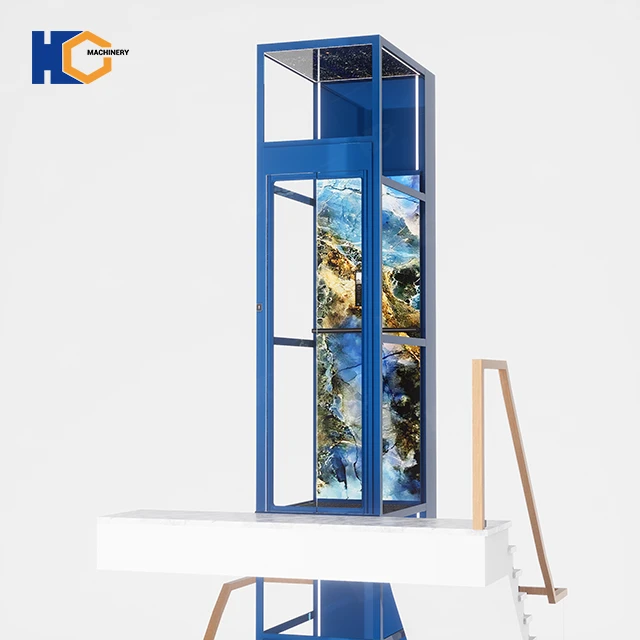
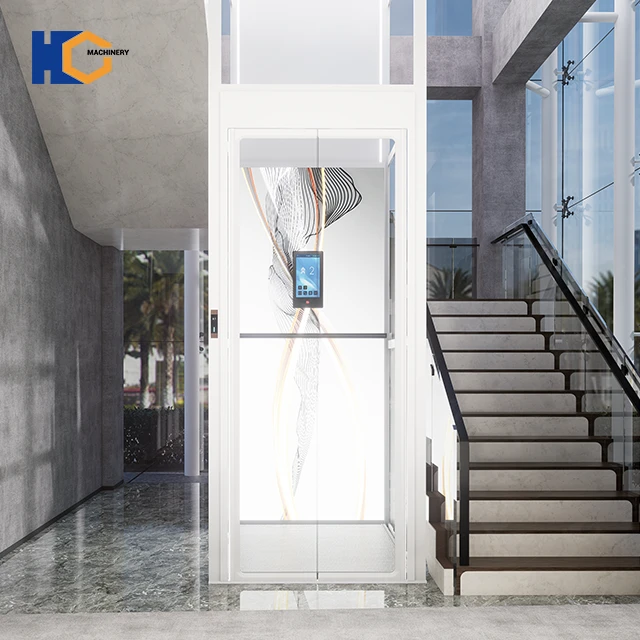
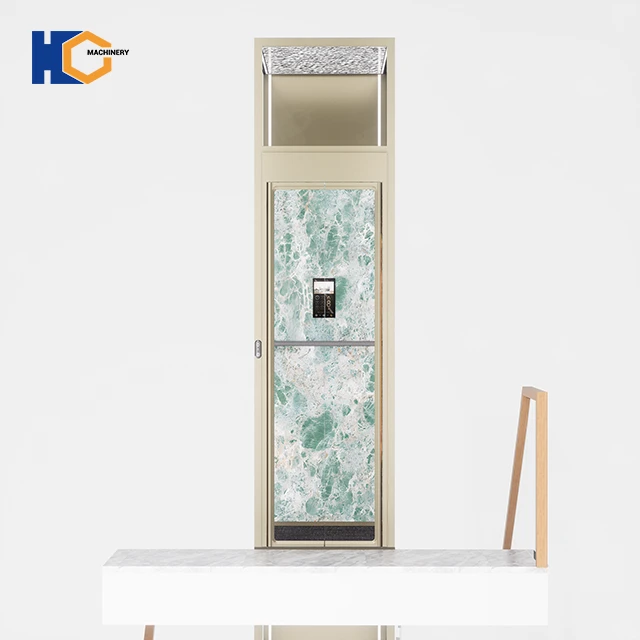
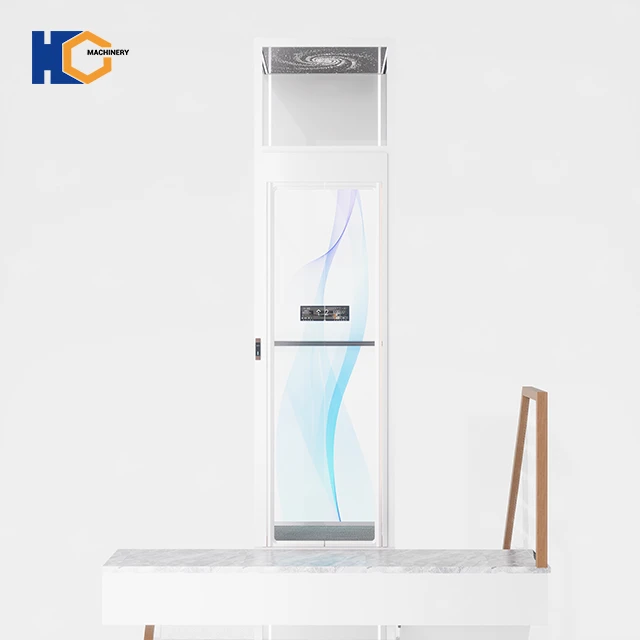
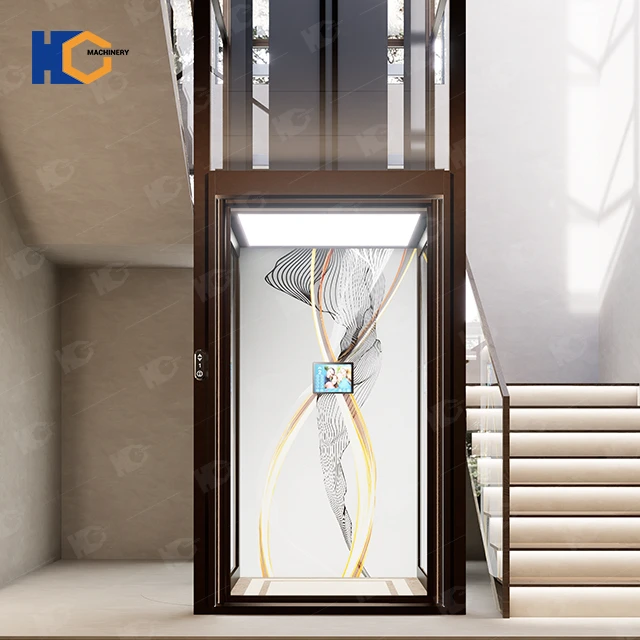
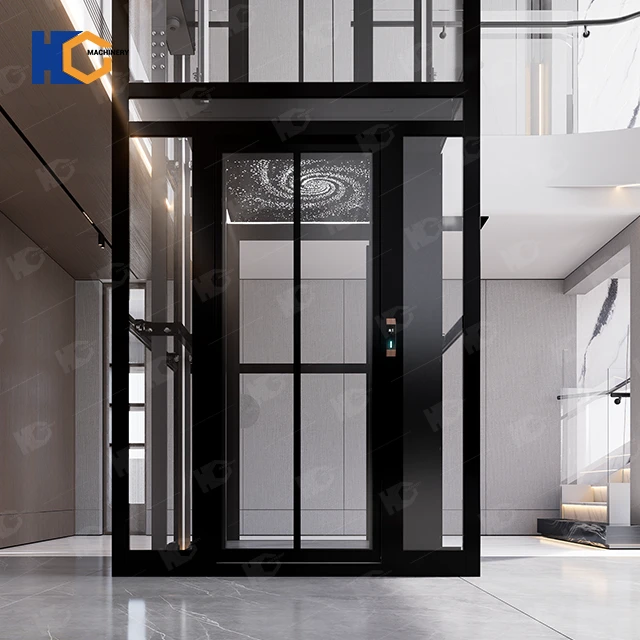
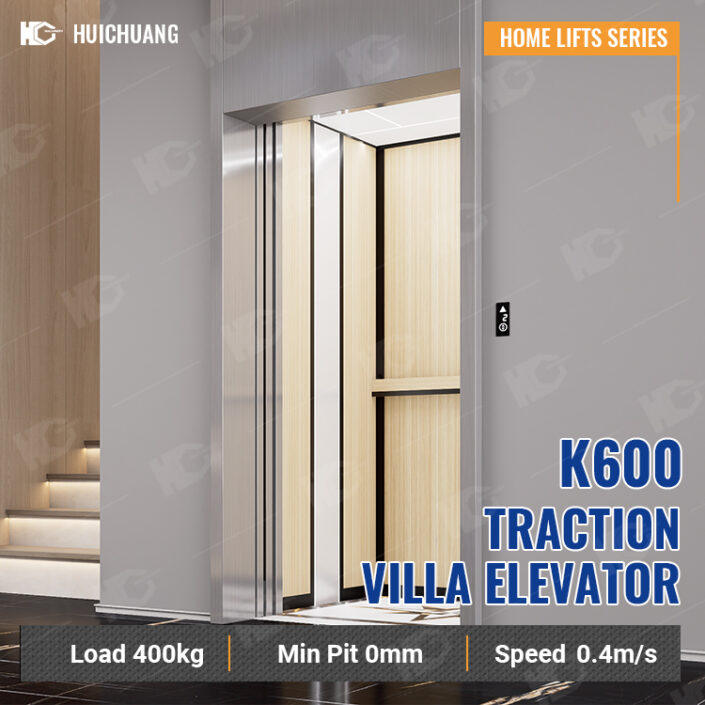
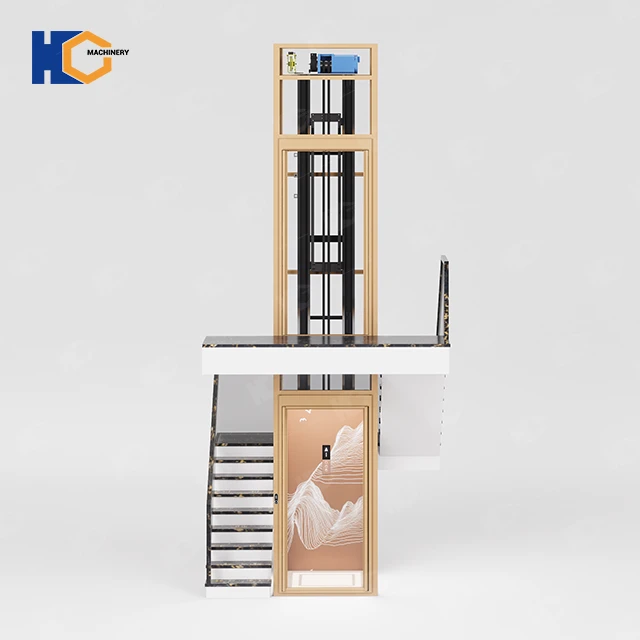
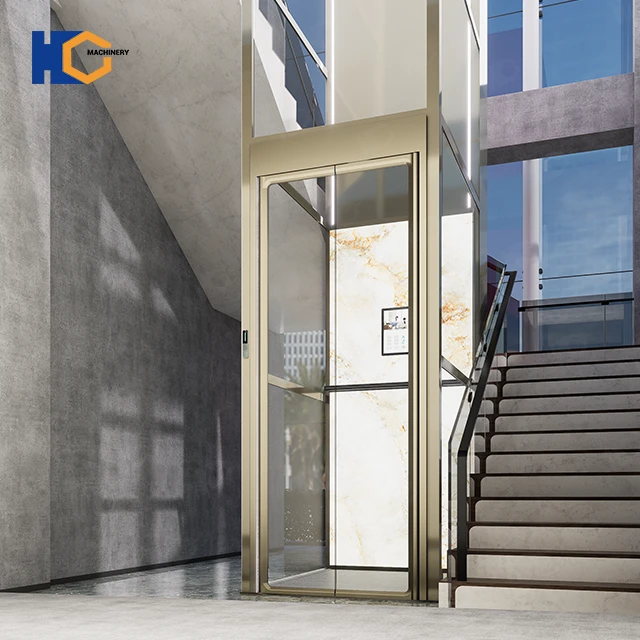
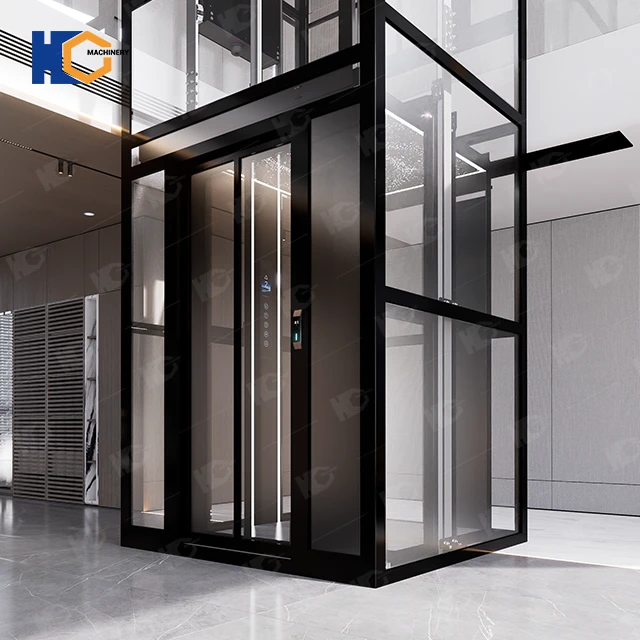
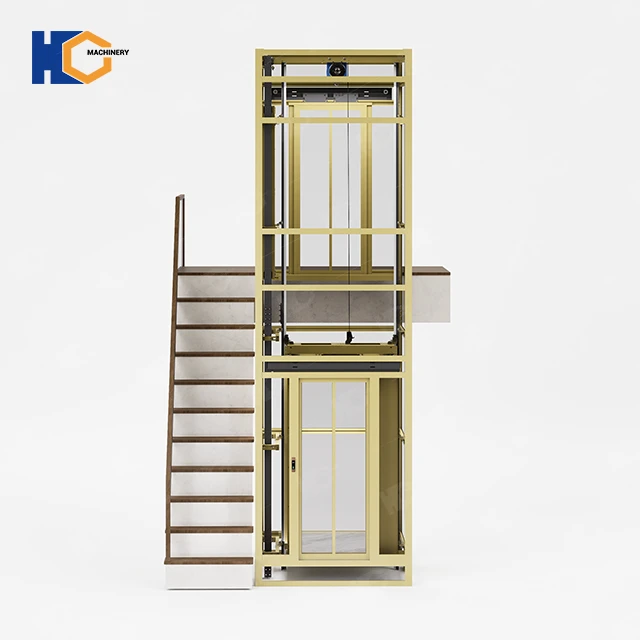
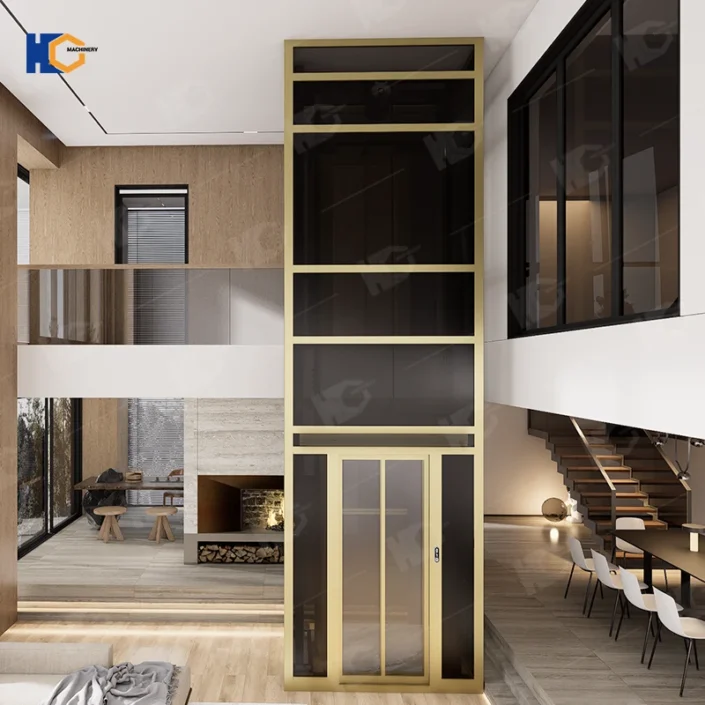
A Traction Elevator, also known as a Traction Home Elevator, is an advanced vertical transportation system that uses steel ropes, counterweights, and an electric traction machine to move the elevator cabin smoothly between floors. Compared with traditional hydraulic systems, traction elevators provide faster operating speeds, higher energy efficiency, quieter performance, and smoother travel comfort, making them one of the most popular elevator solutions for modern residential and commercial buildings.
As a professional Traction Home Elevator manufacturer and supplier, modern factories provide customized elevator solutions for villas, duplex homes, luxury residences, apartments, offices, hotels, and low- to mid-rise commercial buildings. These elevators are widely used in projects requiring elegant design, space-saving structure, energy-efficient operation, and long-term reliability. Modern traction elevators can be customized with panoramic glass cabins, automatic doors, smart touch controls, intelligent leveling systems, and luxury interior decorations to match different architectural styles.
Compared with hydraulic home elevators, traction elevators generally offer lower energy consumption, higher travel speed, and reduced maintenance related to hydraulic oil systems. They are especially suitable for buildings with more floors or higher daily usage frequency. Compared with pneumatic vacuum elevators, traction elevators provide larger cabin sizes, higher load capacities, and smoother ride quality. Compared with traditional chain-driven or screw-driven lifts, traction systems offer better operational efficiency and quieter performance.
Modern traction home elevators also feature advanced safety technologies such as emergency braking systems, automatic rescue devices, overload protection, infrared door sensors, and intelligent control systems. Machine-room-less (MRL) traction elevators are increasingly popular because they reduce building space requirements while maintaining strong performance.
With elegant appearance, energy-saving operation, and premium riding comfort, traction home elevators have become a preferred solution for high-end residential and commercial vertical transportation projects worldwide.
Hydraulic elevator reviews
FREQUENTLY ASKED QUESTIONS
How much does a traction home elevator cost?
The price depends on factors such as travel height, number of stops, load capacity, cabin size, door configuration, interior finishes, and optional features. In general, a residential traction elevator from a Chinese manufacturer typically ranges from USD 12,000 to USD 35,000 (FOB price), while installation, freight, and local construction costs are quoted separately.
What should I consider when choosing a traction elevator supplier in China?
Look for a manufacturer with proven export experience, ISO 9001-certified quality management, international certifications (such as CE where applicable), strong engineering capabilities, OEM/ODM services, comprehensive technical documentation, readily available spare parts, and responsive after-sales support. Request project references and factory quality inspection reports before placing an order.
How long does it take to manufacture and install a traction elevator?
Production typically takes 25–45 days, depending on the level of customization. Installation usually requires 7–15 days, although the schedule may vary based on the building structure, travel height, and local installation conditions.
What safety features are included in a traction elevator?
A high-quality traction elevator is equipped with multiple safety systems, including an overspeed governor, safety gear, automatic brakes, door interlocks, overload protection, emergency alarm, emergency lighting, battery-powered rescue operation, and compliance with international safety standards such as EN 81 or relevant local codes.
What is the typical load capacity of a traction elevator?
Residential traction elevators commonly have load capacities ranging from 250 kg to 450 kg (550–1,000 lbs), accommodating 2–6 passengers. Larger custom models are available for luxury homes or light commercial applications.
Does a traction elevator require a machine room?
Not necessarily. Many modern traction elevators use a Machine-Room-Less (MRL) design, where the compact motor is installed inside the hoistway. This saves building space, simplifies installation, and reduces construction costs.
What is the typical load capacity of a traction elevator?
Residential traction elevators commonly have load capacities ranging from 250 kg to 450 kg (550–1,000 lbs), accommodating 2–6 passengers. Larger custom models are available for luxury homes or light commercial applications.
How many floors can a traction home elevator serve?
Most residential traction elevators are designed for 2 to 6 floors, with a travel height of up to 20–30 meters (65–100 feet). Custom models can be engineered for taller buildings, depending on local regulations and project requirements.
Why should I choose a traction elevator instead of a hydraulic elevator?
Traction elevators generally offer higher travel speeds, lower long-term energy consumption, smoother operation, and greater travel heights than hydraulic elevators. They are the preferred choice for buildings with frequent use or more than three floors.
 Room 203, Second Floor, Building 8, Phase Ⅱ, Zhizao Town, Jibei Street, Jiyang District, Jinan City, Shandong Province
 +86 152 5319 3706
 admin@jnhclift.com