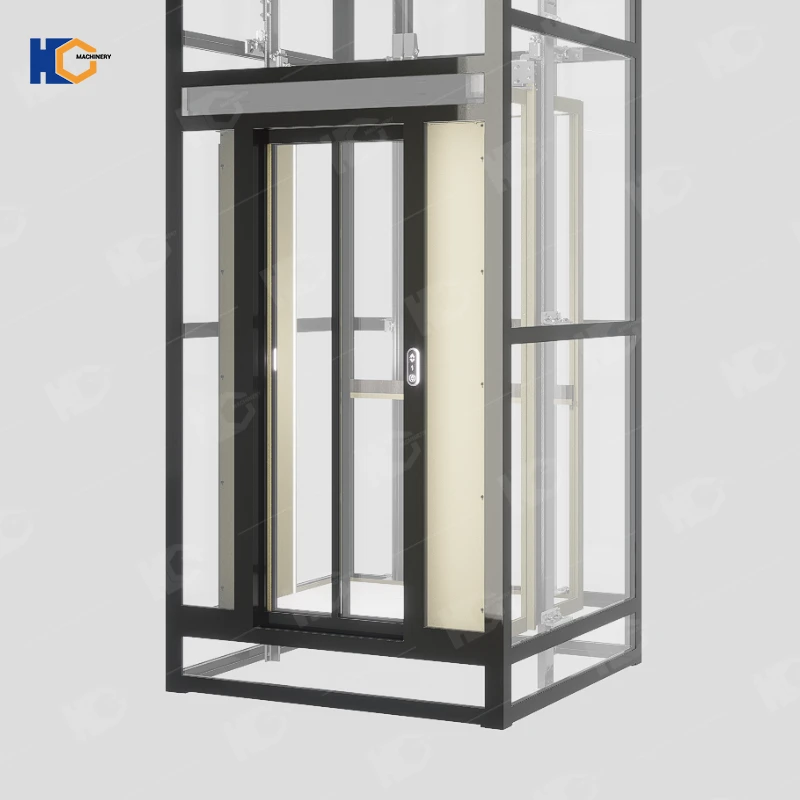
Modern homes and villas are increasingly integrating functional amenities — among them, a glass panoramic home elevator (sometimes called a “sightseeing” or “observation” elevator) features both practicality and design value. For multi-story houses, older residents, or simply convenience and luxury, a compact glass traction home elevator can significantly improve the quality of daily life and property value.
If you’re considering purchasing such a lift, this guide — with data drawn from Chinese factories — gives a detailed look at design features, typical specifications, pricing, what affects cost, and how to choose the right model for your home.
1. What Is a Glass Traction Home Elevator?
A glass traction home elevator is a residential lift using a traction drive (i.e. cable & counterweight / motor drive) — rather than hydraulic — combined with a transparent / glass / panoramic cabin or shaft design. This means:
The cabin walls (or the shaft walls) may be partly or fully glass (or acrylic + metal) so passengers enjoy exterior or interior views while ascending/descending.
Because it’s traction-driven, the elevator tends to be more energy-efficient, smooth, and compact, often not requiring a deep pit or a large machine room, especially in modern “MRL” (machine-room-less) or compact configurations.
“Small” or “residential” indicates the lift is sized for homes or villas — typically 1–4 persons, capacity around 250 kg to 400–500 kg — and designed for a few stops (floors) rather than high-rise use.
For homeowners, this provides not only mobility convenience (especially with stairs) but also a design feature — the glass cabin adds aesthetic value and allows natural light and visibility. If you'd like to learn more about small, panoramic glass traction home elevators, you can read our article: Small Glass Home Elevator: A Complete Guide to Design, Benefits, and Buying Tips
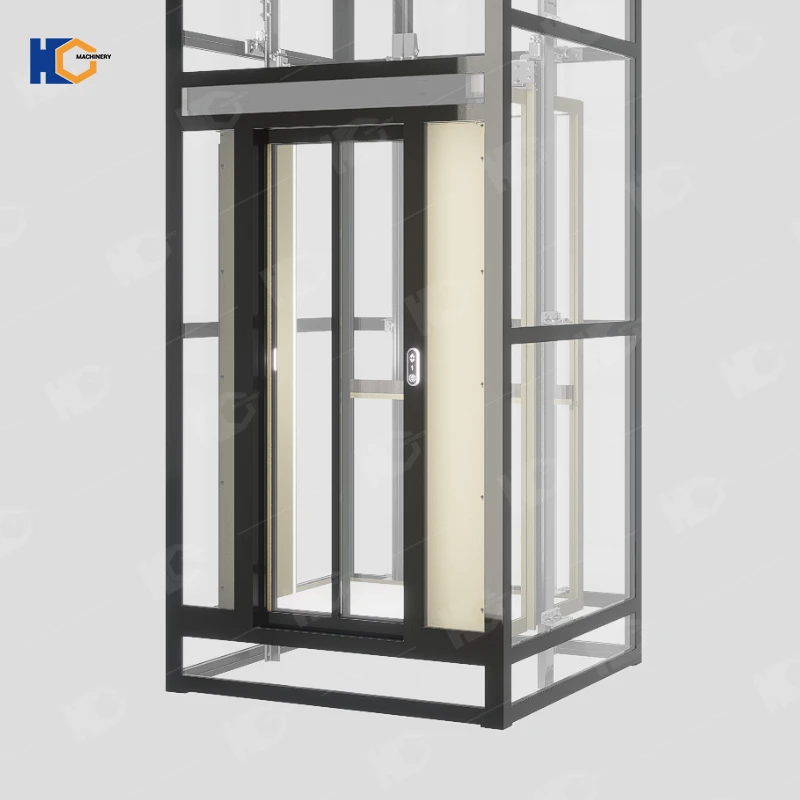
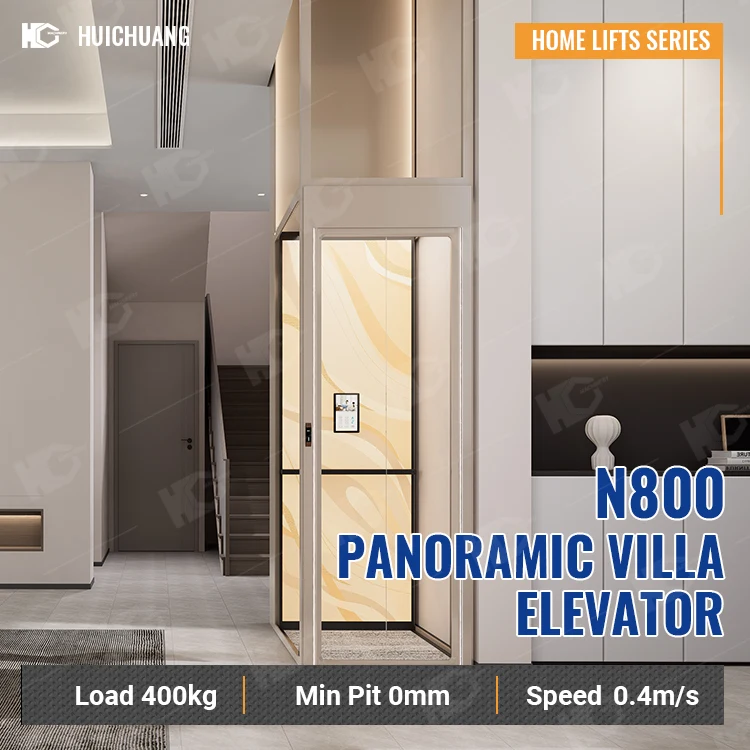
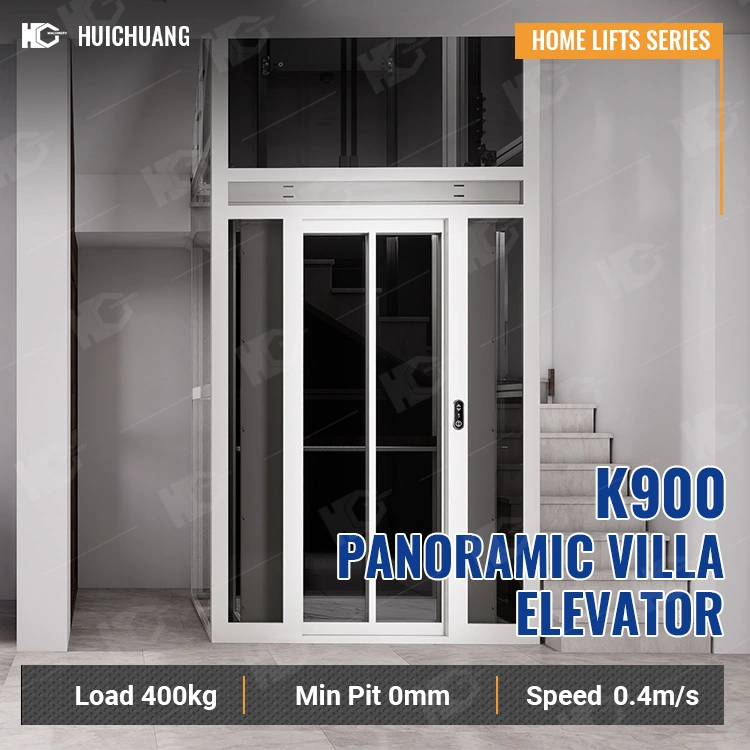
This compact, panoramic glass traction home elevator is an innovative solution for vertical transportation in modern residences. Its key highlight lies in its high-strength, fully transparent glass shaft and car design, combined with traction drive technology, ensuring smooth and quiet operation. It not only efficiently connects interior spaces, but its panoramic views transform the process of going up and down stairs into a scenic experience, adding elegance and a touch of technology to modern home life.
2. Why Many Homeowners Choose Glass Traction Home Elevators
2.1 Compact & Shaft-Flexible Design
Many traction lifts from Chinese factories don’t require large overhead rooms or deep pits, which makes them feasible for retrofit in existing homes or villas.
2.2 Smooth Ride & Energy Efficiency
Compared with hydraulic lifts, traction elevators — especially with modern inverter drives — run more quietly, smoothly, and consume less electricity.
2.3 Aesthetics & Property Value
Glass-cabin elevators add a sense of luxury and modern style. They often increase comfort and convenience, which can improve property appeal (for resale or long-term living).
2.4 Affordability (Factory-Sourced)
Chinese lift manufacturers offer comparatively low factory prices, making glass home elevators accessible for more homeowners. For basic small residential traction models, costs can remain within a moderate budget.
2.5 Customization & Versatility
From cabin finishes (glass, stainless steel, wood-style panels) to control systems, door types, and shaft arrangements (shafted or shaftless), many components can be tailored to home design.
3. Typical Specifications for a Small Glass Traction Home Elevator
Here is a reference specification chart for small-to-mid-size residential glass traction elevators, often offered by factories like Huichuang Lift and others.
| Specification | Typical Range / Value |
|---|---|
| Rated Load / Capacity | 250 kg (2 persons) to 500 kg (4 persons) |
| Number of Stops / Floors | 2–5 stops (depending on house height) |
| Drive Type | Traction drive (gearless or geared), motor-room-less or compact configuration |
| Cabin / Shaft Materials | Glass external panels (full or partial), stainless steel / aluminum / metal frame, optional flooring and finishing materials |
| Door Types | Manual swing or automatic sliding doors (depending on model and custom options) |
| Speed | Typically low-speed elevator (~0.3–0.6 m/s) for home use — precise speed depends on configuration and standards (varies by market) (standard for residential lifts) |
| Shaft or Shaftless Option | Available — for tight spaces, some lifts are shaftless or use glass shaft; suitable for retrofit in villas or existing homes |
| Safety Features | Overload sensors, emergency stop, backup power for lowering, brake system, emergency alarm, safety interlocks, optional EN/CE/ISO certification (depending on supplier) |
| Customization Options | Cabin finishing (glass, steel, wood-look), control panel, buttons, LED lights, door finishes, shaft design — often available under OEM / custom-order from factory |
4. Typical Factory Price Range: What You Pay Directly from China
An important advantage of sourcing from a Chinese factory like Huichuang Lift is transparent, relatively low factory pricing compared with imported or local western-brand units. Based on current factory quoting ranges:
Basic small two-stop / 250 kg glass traction home elevator: USD $6,800 – $7,200
3-stop / 300 kg version: USD $8,000 – $8,500
4-stop / 350 kg version: USD $9,000 – $9,800
5-stop / 400 kg version: USD $10,000 – $11,500
For more premium or customized versions (with high-end glass cabins, stainless finishes, larger capacity, or additional features), promotional material from other Chinese glass-elevator manufacturers suggests FOB pricing in the range of USD $9,000 – $16,000 per set, depending on size and custom configuration.
These factory prices do not include installation, shipping, local compliance, or possible structural modifications — so final on-site cost will add to this base.
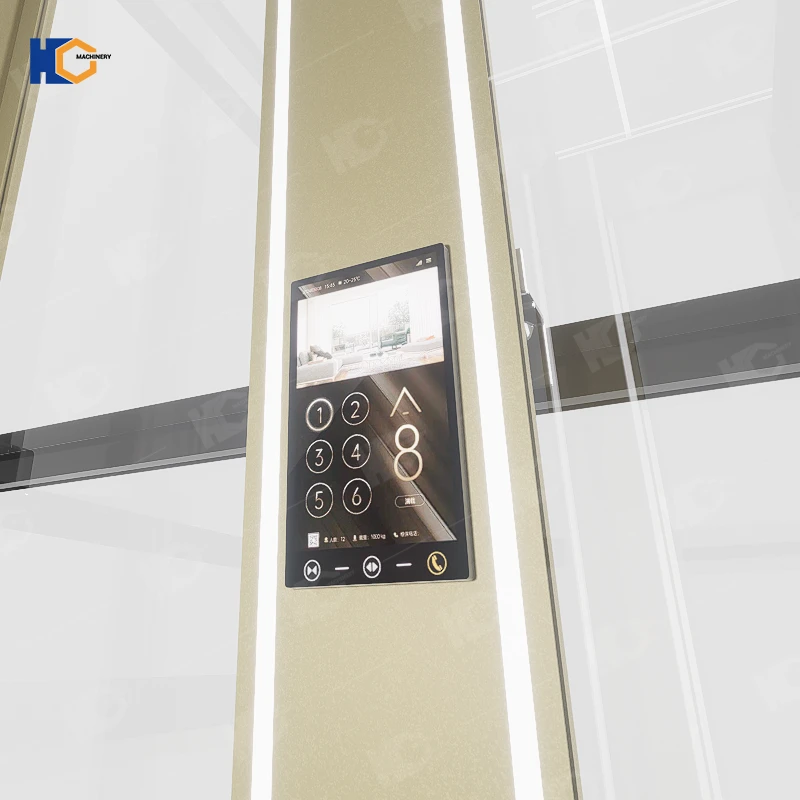
This is an integrated elevator control panel with the following core functions:
Floor Selection: A numeric keypad allows passengers to select their target floor (floors 1-6 and 8 are shown in the image).
Environmental Information Display: Real-time display of temperature, time, and monitoring footage (e.g., a bank lobby view).
Multimedia Control: Equipped with music switching and volume control buttons, providing entertainment features for passengers.
Communication and Security: Includes an intercom button for easy emergency contact or service assistance.
The overall design emphasizes intelligent interaction and scenario-based services, making it particularly suitable for environments such as banks and high-end commercial venues that require a combination of security monitoring and a comfortable experience.
5. What Affects the Final Price: Key Cost Drivers
When you negotiate or plan a purchase, here are the main factors influencing final cost:
5.1 Number of Floors / Stops and Lift Capacity
More stops and higher capacity require longer steel guide rails, more robust traction cable systems, bigger motors — increasing material and labor costs.
5.2 Cabin & Shaft Materials and Finish
Glass panoramic cabins, stainless steel doors, luxury flooring, lighting, and aesthetic detailing drive cost up compared to basic panel cabins.
5.3 Drive System & Control Hardware
Traction drives tend to cost more than simpler screw-driven or hydraulic home lifts, but offer smoother performance and less maintenance. Additional control features (digital panels, automation, safety interlocks) add cost.
5.4 Shaft vs Shaftless Design
Shaft-based lifts require structural support and sometimes masonry or steel work — increasing installation complexity (and cost). Shaftless or self-supporting glass shafts save construction cost but may limit size/options.
5.5 Shipping, Customs & Local Installation
Freight from China, import duties, local crane rental (if needed), local wiring and power compliance, and qualified installer labor — all add to final budget.
5.6 Certifications and Safety Compliance
Lifts intended for export often need to meet CE, EN81, ISO, or local code standards — compliance testing, documentation, and possibly local inspection may add costs.
5.7 After-Sales Service & Spare Parts Availability
Factories offering warranties, spare part kits, remote support, and global shipping for maintenance parts usually charge a premium, but offer long-term value and peace of mind.
6. Who Should Consider a Glass Traction Home Elevator? Typical Use Cases
A panoramic glass home elevator is ideal in the following scenarios:
Multi-storey villas or private homes where stairs are inconvenient — for elderly people, families with children, or frequent heavy load carrying.
Homes undergoing renovation or retrofit, where shaftless or compact traction lifts avoid major structural work.
Luxury properties where an aesthetic, panoramic elevator enhances property value.
Small residential buildings (2–5 floors) needing a cost-effective vertical transportation solution without a full building-scale lift.
Owners seeking energy efficiency — traction elevators consume less energy than hydraulic lifts and avoid hydraulic oil maintenance.
For many, this kind of elevator combines functionality, convenience, and design — a practical yet elegant home upgrade.
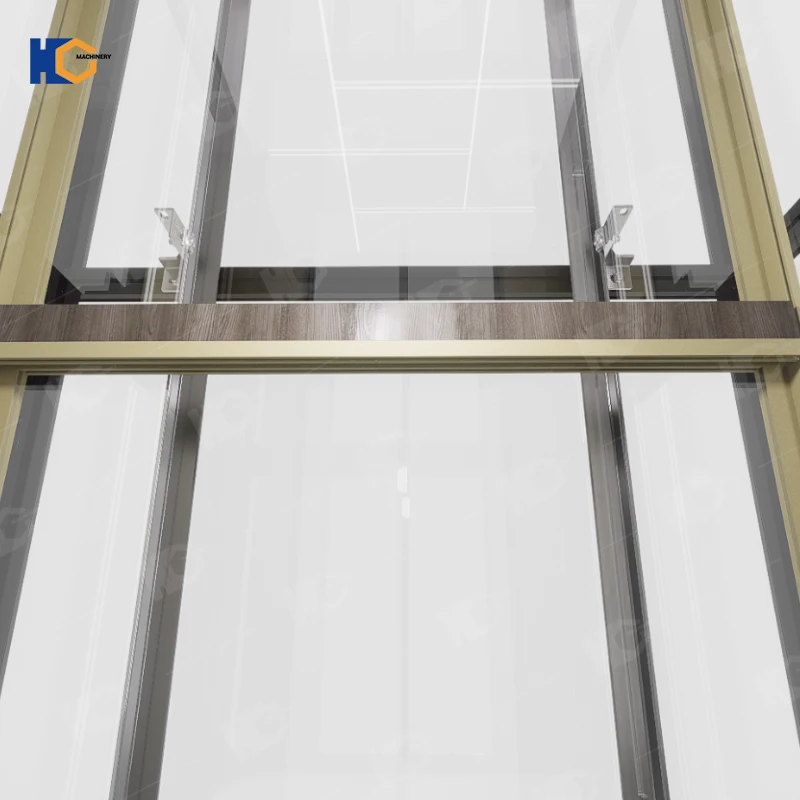
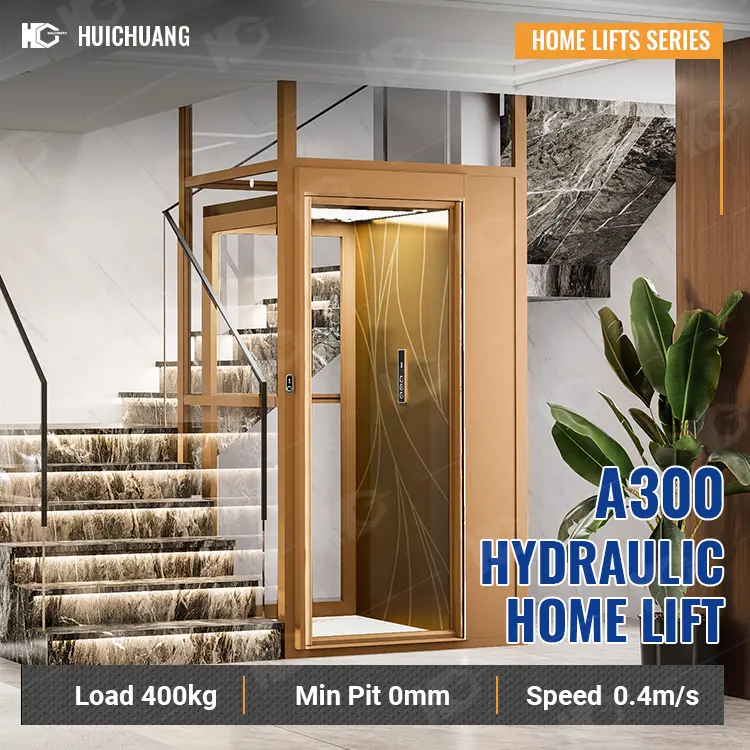
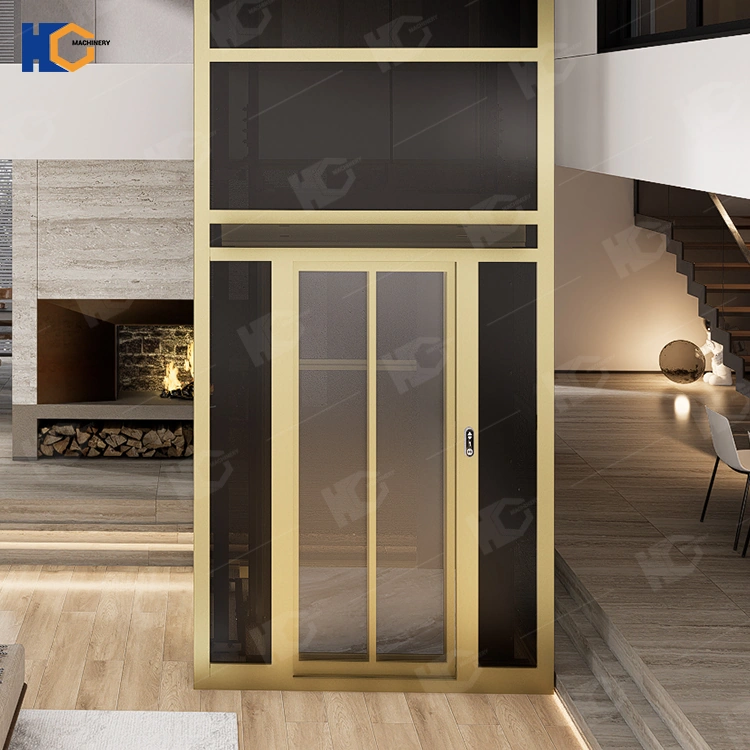
This glass-paneled home elevator features a high-strength all-glass cabin and a custom-designed metal frame. The glass utilizes a laminated tempered glass process, balancing transparency and safety; the gold-colored metal frame is made of weather-resistant alloy, providing both structural support and aesthetic appeal. The cabin interior can be lined with solid wood or matte metal trim to enhance its premium feel. The entire system is modularly designed for rapid installation and adaptable to various shaft sizes, perfectly blending home aesthetics with practical functionality.
7. Benefits & Challenges of Glass Traction Home Elevators
7.1 Primary Benefits
Compact footprint — ideal for limited space homes.
Energy-efficient & quiet operation — smoother, efficient traction motor rather than hydraulic oil and pump noise.
Modern look & added value — glass cabin adds aesthetic appeal, can improve home resale value.
Customization flexibility — cabin finishes, doors, shaft design, capacity, stops, cabin size.
Relatively low cost (factory base price) — especially compared with imported/western-brand elevators.
7.2 Common Challenges / Considerations
Need for structural planning — shaft or existence of adequate load-bearing structure, especially for glass designs.
Installation complexity & regulations — must follow local building, electrical, and safety codes; may require permits, inspections.
Shipping & handling risk — glass panels risk damage during shipping.
After-sales support — ensure availability of spare parts and qualified technicians.
Real total cost > base price — shipping, installation, compliance, finishing may significantly add to budget.
8. How to Choose the Right Glass Traction Elevator for Your Home: Step-by-Step Checklist
When you decide to purchase a home elevator, follow this checklist to choose properly:
Assess Your Space — number of floors, floor-to-floor height, shaft or room available.
Define Load & Usage — number of users, frequency, expected load (people, items).
Select Drive Type — traction preferred for energy efficiency and smoothness.
Decide on Cabin & Shaft Style — glass panoramic cabin vs standard; shaft vs shaftless.
Check Safety & Certification — ensure compliance with local and international standards.
Request Detailed Quote — equipment, shipping, installation, on-site work, control system, finish.
Plan for After-Sales — spare parts, maintenance, technician support, warranty.
Verify Factory & Supplier Reputation — factory history, export experience, customer reviews, certifications.
Factor in Total Cost of Ownership — not just purchase price, but installation, maintenance, electricity, inspections.
Schedule Installation & Inspection — ensure structure readiness, electrical connection, safety inspection before use.
A well-prepared buyer avoids surprises and ensures final installation matches expectations.
9. Market & Export Considerations (for International Buyers)
For buyers outside China considering a factory-sourced glass home elevator:
Chinese factories generally maintain competitive pricing due to efficient supply chains and economies of scale.
Standard lead time for production is often 25–35 working days for traction home elevators — manageable and suitable for project planning.
Export packaging, shipping logistics, and customs clearance should be carefully planned (especially if glass panels are involved).
Confirm local compliance: CE / EN / ISO standards for Europe; local building code for USA/Australia; etc.
After-sales support: choose suppliers who offer remote support or have a global spare-part distribution network, to reduce downtime and ensure safety.
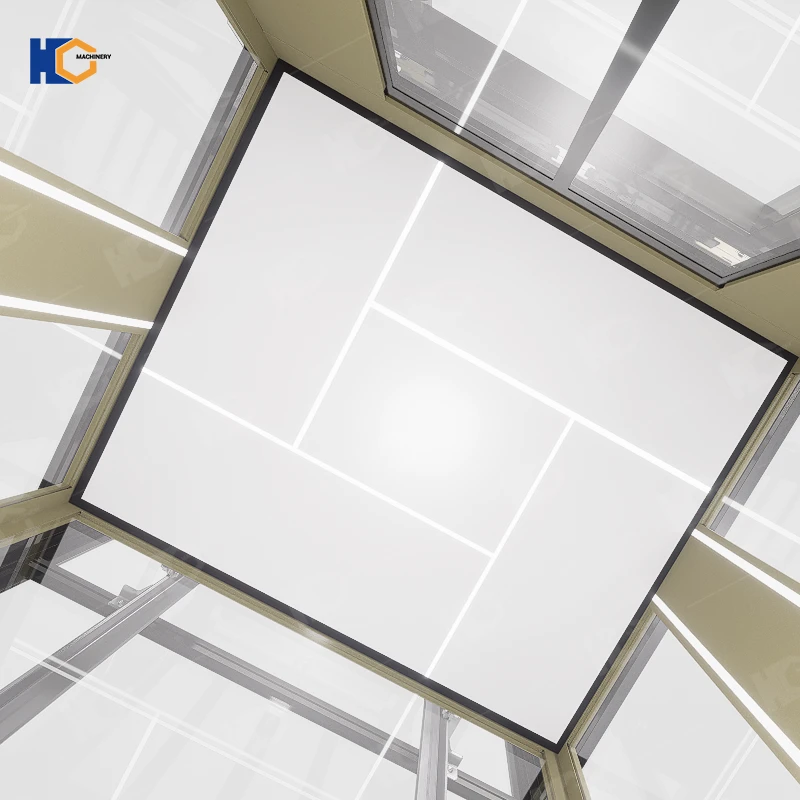
The core components of this type of sightseeing home elevator include: a high-strength curved glass curtain wall, a silent traction drive system, an embedded car ceiling lighting module (as shown in the white splicing panel with embedded LED light strips), and an anti-pinch metal door operator system. The overall design is modular, with the glass and metal frame connected by concealed clips, balancing panoramic views with structural safety, achieving a unity of lightweight aesthetics and practical functionality.
10. Summary: Is a Small Sightseeing Glass Traction Home Elevator Worth It?
In many cases — yes. For home or villa owners wanting to combine convenience, accessibility, and aesthetics — a small glass traction home elevator offers major advantages:
It transforms vertical mobility inside the house: easy movement between floors without stairs.
It provides a design-forward, modern look, especially with glass cabins or panoramic shafts.
It’s energy-efficient, relatively low-maintenance compared with hydraulic lifts, and comfortable to ride.
When sourced directly from a reputable factory, its base cost is reasonable compared with imported or western-brand lifts.
That said, success depends on careful planning, proper installation, adherence to safety standards, and realistic budgeting (equipment + shipping + installation + finishing + compliance).
390.webp)