
How Much Does a Scissor Lift Weigh?
Scissor lifts are among the most widely used aerial work platforms in construction, warehousing, manufacturing, facility maintenance, and logistics. They provide a stable vertical lifting solution for workers and equipment while offering higher platform capacities than most boom lifts.
One of the most common questions buyers, renters, and transportation companies ask is: How much does a scissor lift weigh?
The answer depends on the type, platform height, lifting capacity, power source, and intended application. Compact indoor scissor lifts may weigh less than 2,000 pounds, while large rough terrain models can exceed 20,000 pounds.
Understanding scissor lift weight is important for transportation planning, jobsite safety, floor loading calculations, and equipment selection.
In this guide, we will explore the weight ranges of different scissor lift types, compare their applications, and explain how to choose the right machine for your project.
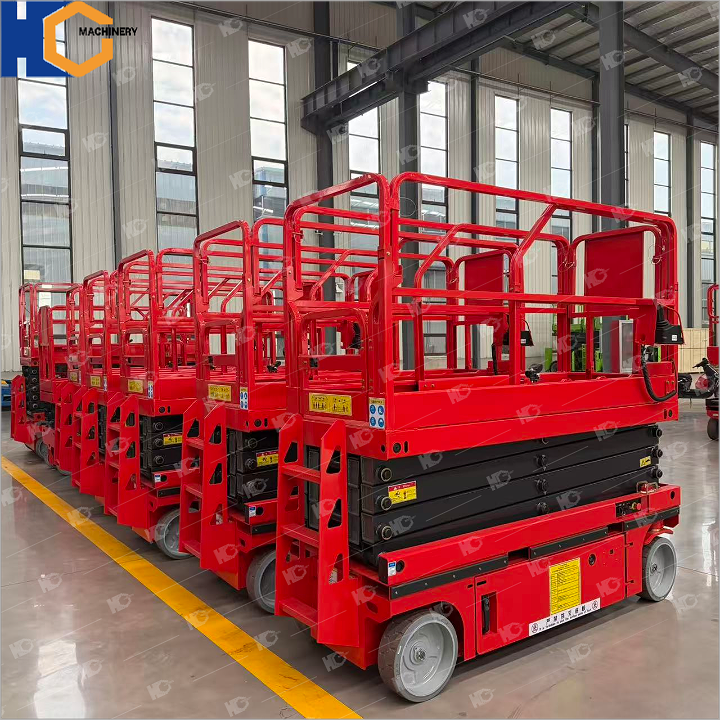
Why Scissor Lift Weight Matters
The weight of a scissor lift affects several important factors:
Transportation Requirements
Heavier lifts require:
- Larger trailers
- Higher towing capacity
- Special transportation permits in some regions
Floor Load Capacity
Indoor projects often have floor loading restrictions.
Examples include:
- Shopping malls
- Warehouses
- Data centers
- Aircraft hangars
- Manufacturing facilities
Jobsite Accessibility
Lightweight machines can be moved into elevators and transported between floors more easily.
Ground Pressure
Heavy rough-terrain lifts exert greater pressure on soft ground, requiring stable surfaces.
Average Scissor Lift Weight by Platform Height
The following chart provides general weight ranges for common scissor lift heights.
| Working Height | Platform Height | Average Weight |
|---|---|---|
| 19 ft | 13 ft | 2,000–3,000 lbs |
| 26 ft | 20 ft | 4,000–5,500 lbs |
| 32 ft | 26 ft | 5,500–7,000 lbs |
| 40 ft | 34 ft | 7,000–10,000 lbs |
| 50 ft | 44 ft | 10,000–15,000 lbs |
| 60 ft | 54 ft | 15,000–20,000 lbs |
As platform height increases, machine weight rises significantly because larger structures require stronger frames, hydraulic systems, and stabilization components.
Main Types of Scissor Lifts and Their Weight Ranges
Scissor lifts are available in several categories, each designed for specific environments and lifting requirements.
1. Electric Scissor Lift
Electric scissor lifts are the most common indoor aerial work platforms.
They are powered by rechargeable batteries and produce zero emissions.
Typical Weight Range
| Platform Height | Weight |
| 13 ft | 2,000–3,000 lbs |
| 20 ft | 4,000–5,000 lbs |
| 26 ft | 5,000–7,000 lbs |
| 32 ft | 6,000–8,000 lbs |
Advantages
- Zero emissions
- Quiet operation
- Compact design
- Low maintenance costs
Applications
- Warehouses
- Retail stores
- Airports
- Factories
- Office buildings
Most Popular Sizes
- 19 ft electric scissor lift
- 26 ft electric scissor lift
- 32 ft electric scissor lift
These machines are often chosen for indoor maintenance and facility management.
2. Rough Terrain Scissor Lift
Rough terrain scissor lifts are built for outdoor environments and uneven ground conditions.
They feature:
- Four-wheel drive
- Large off-road tires
- High ground clearance
- Powerful diesel engines
Typical Weight Range
| Platform Height | Weight |
| 26 ft | 6,000–8,000 lbs |
| 33 ft | 8,000–10,000 lbs |
| 40 ft | 10,000–14,000 lbs |
| 50 ft | 14,000–18,000 lbs |
Advantages
- Excellent stability
- High lifting capacity
- Outdoor performance
- Strong traction
Applications
- Construction sites
- Infrastructure projects
- Industrial plants
- Wind farms
Compared with electric scissor lifts, rough terrain models typically weigh 30%–80% more.
3. Hydraulic Scissor Lift
Hydraulic scissor lifts use hydraulic cylinders as their primary lifting mechanism.
Most modern scissor lifts utilize hydraulic systems, but stationary hydraulic lift tables are often categorized separately.
Typical Weight Range
| Platform Height | Weight |
| 10 ft | 1,500–3,000 lbs |
| 20 ft | 3,000–6,000 lbs |
| 40 ft | 7,000–12,000 lbs |
Advantages
- Smooth lifting motion
- High reliability
- Cost-effective operation
Applications
- Warehouses
- Manufacturing facilities
- Loading docks
- Distribution centers
4. Diesel Scissor Lift
Diesel-powered scissor lifts are designed for heavy-duty outdoor work.
Typical Weight Range
| Platform Height | Weight |
| 33 ft | 8,000–10,000 lbs |
| 40 ft | 10,000–14,000 lbs |
| 53 ft | 14,000–18,000 lbs |
| 66 ft | 18,000–24,000 lbs |
Advantages
- Long operating hours
- Powerful performance
- Suitable for harsh environments
Applications
- Bridge construction
- Highway maintenance
- Large infrastructure projects
Weight Comparison
Diesel-powered lifts are generally heavier than electric models because of:
- Engine weight
- Fuel systems
- Reinforced chassis
5. Compact Scissor Lift
Compact scissor lifts are designed for confined spaces.
Typical Weight Range
| Platform Height | Weight |
| 12 ft | 1,500–2,500 lbs |
| 19 ft | 2,000–3,500 lbs |
| 26 ft | 3,500–5,000 lbs |
Advantages
- Lightweight
- Easy transportation
- Small turning radius
Applications
- Hotels
- Hospitals
- Schools
- Office renovations
These are often the lightest scissor lifts available.
6. Self-Propelled Scissor Lift
Self-propelled scissor lifts can drive while elevated or lowered, improving productivity.
Typical Weight Range
| Platform Height | Weight |
| 19 ft | 2,500–4,000 lbs |
| 26 ft | 4,500–6,500 lbs |
| 40 ft | 8,000–10,000 lbs |
Advantages
- Faster repositioning
- Reduced labor requirements
- Higher efficiency
Applications
- Maintenance work
- Warehousing
- Industrial facilities
Most rental fleets today consist primarily of self-propelled models.
7. Mini Scissor Lift
Mini scissor lifts have become increasingly popular for indoor work.
Typical Weight Range
| Platform Height | Weight |
| 10 ft | 900–1,500 lbs |
| 13 ft | 1,200–2,000 lbs |
| 15 ft | 1,500–2,500 lbs |
Advantages
- Extremely compact
- Lightweight
- Easy transport
Applications
- Ceiling maintenance
- Lighting installation
- Inventory management
Mini scissor lifts often fit through standard doorways and passenger elevators.
8. Mobile Scissor Lift
Mobile scissor lifts include both electric and diesel-powered machines designed for flexible jobsite movement.
Typical Weight Range
| Platform Height | Weight |
| 20 ft | 3,000–5,000 lbs |
| 32 ft | 5,000–8,000 lbs |
| 50 ft | 10,000–15,000 lbs |
Applications
- Facility management
- Construction projects
- Equipment installation
They represent the largest segment of the global aerial work platform market.
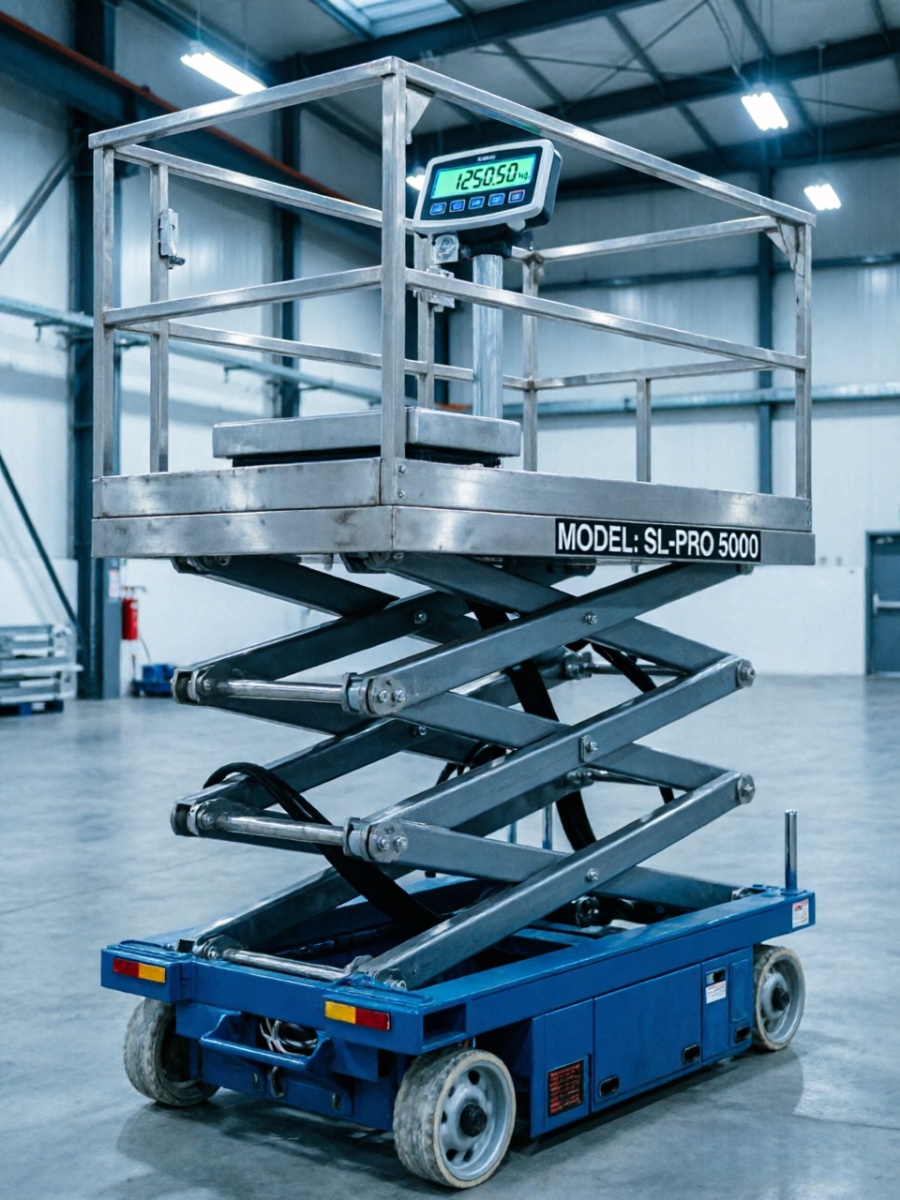
Which Scissor Lift Is the Heaviest?
Among common scissor lift categories, rough terrain diesel models are typically the heaviest.
Examples:
| Lift Type | Approximate Weight |
| Mini Scissor Lift | 900–2,500 lbs |
| Electric Scissor Lift | 2,000–8,000 lbs |
| Compact Scissor Lift | 1,500–5,000 lbs |
| Self-Propelled Scissor Lift | 2,500–10,000 lbs |
| Rough Terrain Scissor Lift | 6,000–24,000 lbs |
Large rough-terrain models can weigh more than 10 times as much as compact indoor lifts.
Factors That Affect Scissor Lift Weight
Several design factors influence machine weight.
Platform Height
The taller the lift, the heavier the machine.
Additional height requires:
- More steel
- Larger hydraulic cylinders
- Reinforced structures
Platform Capacity
Higher load capacities require stronger components.
Common capacities include:
- 500 lbs
- 700 lbs
- 1,000 lbs
- 1,500 lbs
Power Source
Diesel models weigh more than battery-powered machines.
Tire Type
Rough terrain tires are significantly heavier than non-marking indoor tires.
Chassis Design
Heavy-duty industrial machines require reinforced frames, increasing overall weight.
How to Transport a Scissor Lift
Weight directly impacts transportation requirements.
Under 3,500 lbs
Often transported on:
- Utility trailers
- Small equipment trailers
4,000–10,000 lbs
Typically requires:
- Tandem axle trailers
- Medium-duty trucks
Over 10,000 lbs
May require:
- Heavy-duty trailers
- Commercial transport vehicles
Transportation costs increase significantly with machine weight.
Scissor Lift Weight vs Boom Lift Weight
Many buyers compare scissor lifts and boom lifts.
Weight Comparison
| Equipment Type | Average Weight |
| Mini Scissor Lift | 1,000–2,500 lbs |
| Electric Scissor Lift | 2,000–8,000 lbs |
| Articulating Boom Lift | 10,000–35,000 lbs |
| Telescopic Boom Lift | 12,000–50,000 lbs |
Boom lifts generally weigh more because of their complex boom structures and extended outreach capabilities.
How to Choose the Right Scissor Lift Weight
For Indoor Work
Choose:
- Electric models
- Compact models
- Lightweight machines
Benefits:
- Reduced floor loading
- Easier transportation
- Lower operating costs
For Outdoor Construction
Choose:
- Rough terrain models
- Diesel-powered units
Benefits:
- Better stability
- Higher capacities
- Improved terrain performance
For Warehouses
The most common choice is a 19 ft to 32 ft electric self-propelled scissor lift weighing between 3,000 and 7,000 pounds.
Future Trends in Scissor Lift Design
Manufacturers continue developing lighter and more efficient equipment.
Emerging technologies include:
- Lithium battery systems
- Lightweight steel alloys
- Advanced hydraulic systems
- Smart fleet management
- Energy-efficient electric drives
Future scissor lifts are expected to deliver higher capacities while reducing overall machine weight.
Conclusion
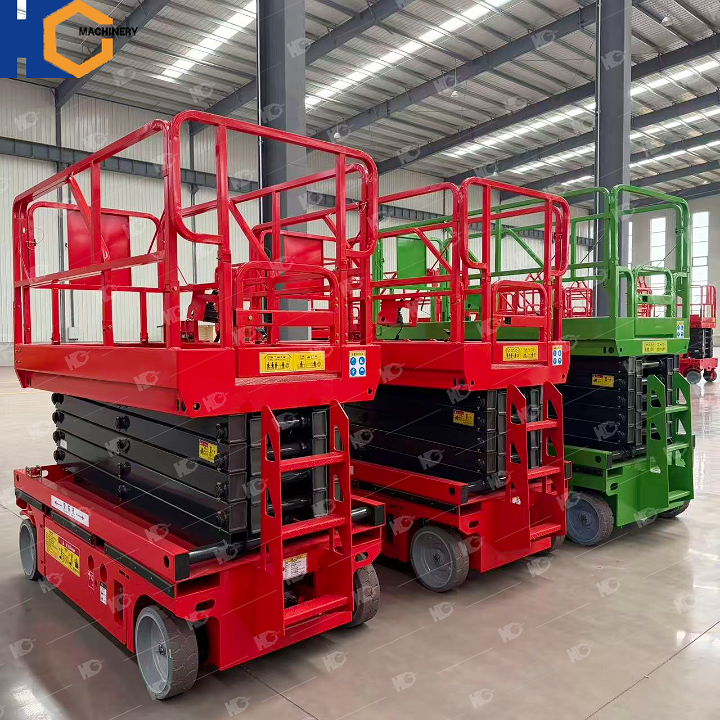
The weight of a scissor lift can range from less than 1,000 pounds for a compact mini scissor lift to more than 24,000 pounds for a large rough terrain diesel model. Understanding these weight differences is essential for transportation planning, floor load calculations, jobsite safety, and equipment selection.
The main scissor lift types include electric scissor lifts, rough terrain scissor lifts, hydraulic scissor lifts, diesel scissor lifts, compact scissor lifts, self-propelled scissor lifts, mini scissor lifts, and mobile scissor lifts. Each category offers unique advantages and weight characteristics suited to different applications.
Before purchasing or renting a scissor lift, always consider platform height, load capacity, terrain conditions, transportation requirements, and work environment to ensure the best balance of performance, safety, and efficiency.

Jnhclift (Huichuang Lift), based in Jinan, China, is a professional manufacturer of scissor lifts, home elevators, and lift platforms. With our own dedicated factory, we deliver high-quality, reliable lifting solutions tailored to meet diverse industrial and residential needs.
 Room 203, Second Floor, Building 8, Phase Ⅱ, Zhizao Town, Jibei Street, Jiyang District, Jinan City, Shandong Province
 +8615628811021
 admin@jnhclift.com