In modern logistics and warehouse operations, efficiency at the loading dock can make or break productivity. When facilities lack fixed loading docks, equipment like the 12T mobile yard ramp becomes essential.
This guide explains what a 12-ton mobile yard ramp is, its types, manufacturing process, components, working principle, applications, problems it solves, and how it compares with alternative solutions—all in clear, practical language.
What Is a 12T Mobile Yard Ramp?
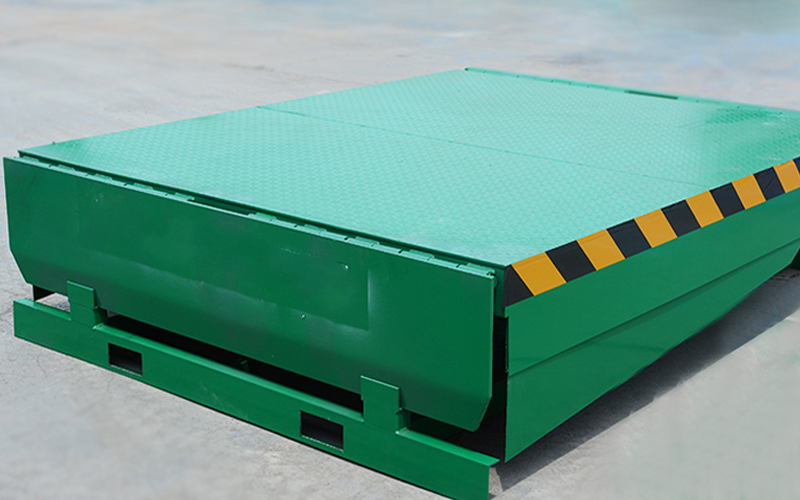
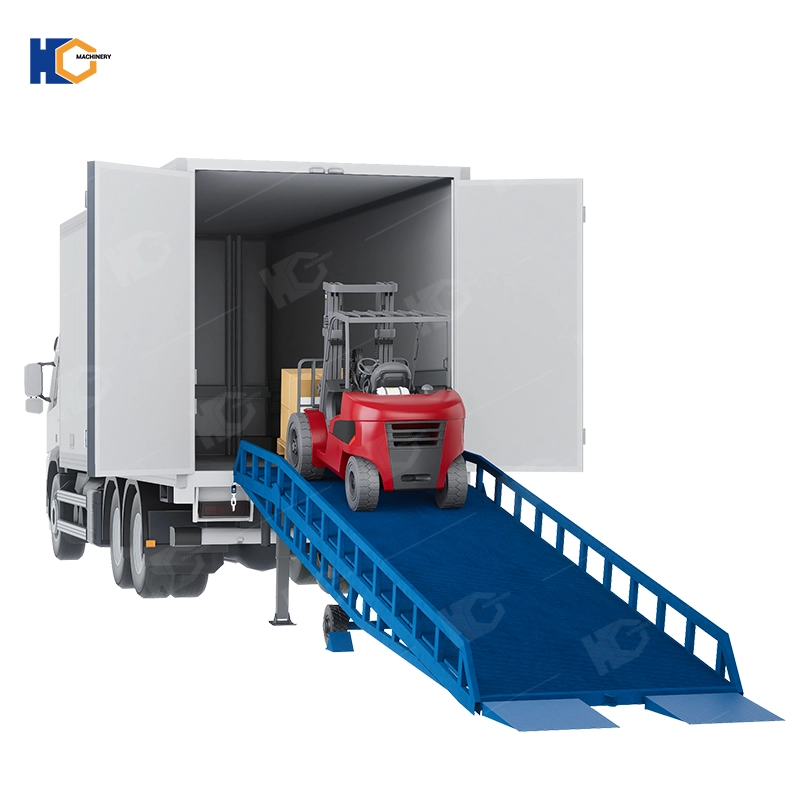
A 12T mobile yard ramp is a portable loading platform designed to bridge the height gap between ground level and a truck or container. It allows forklifts to drive directly into trucks for loading and unloading goods.
“12T” means the ramp is rated to handle 12 tons (12,000 kg) of load capacity, including the weight of the forklift and cargo.
In simple terms:
It’s a movable bridge that lets forklifts enter trucks safely and efficiently.
Why It Matters
Without a ramp:
Workers must load manually
Efficiency drops significantly
Labor costs increase
With a mobile yard ramp:
Forklifts can operate directly
Loading speed improves dramatically
Operations become safer and more consistent
The load capacity of the mobile boarding bridge can range from 6 tons to 20 tons.
We take the 12-ton equipment as an example:
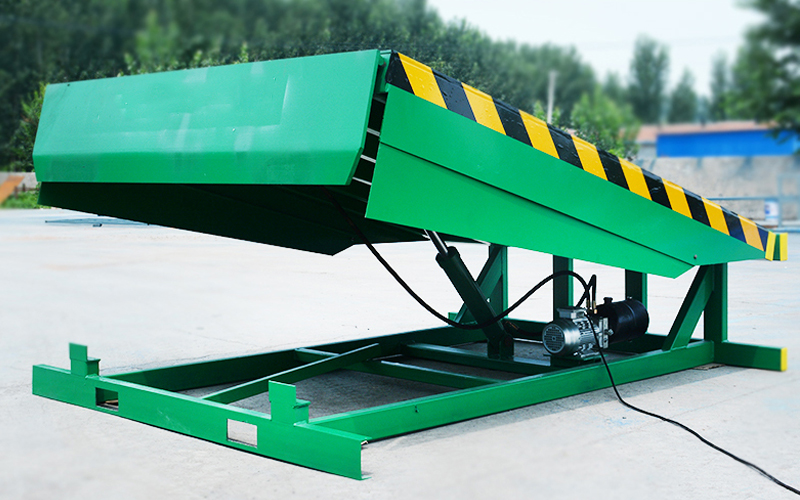
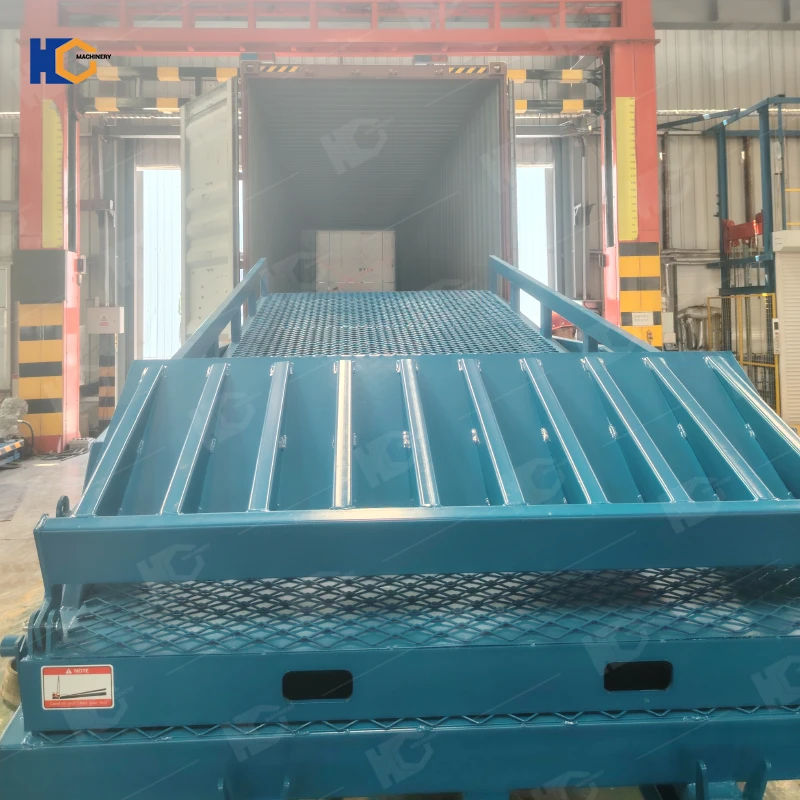
The overall dimensions of 12T mobile yard ramp are 11100mm*2200*1100mm, there are 5 main beams with a specification of 200*100*5, the auxiliary beams are 120*60*40, and the guardrail material specification is 40*80*3. The tires are solid tires and equipped with two φ80*φ50 cylinders. The height adjustment range of the equipment is 1.1 meters to 1.8 meters.
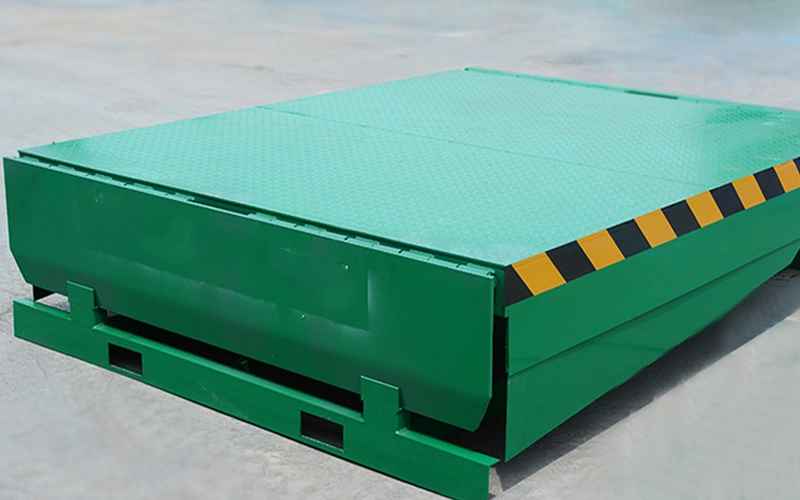
12T mobile yard ramp is typically made of sturdy steel and are designed to withstand heavy loads and frequent use. It consists of a sloped ramp section that connects to the ground at one end and a level platform at the other end. Huichuang 12T mobile yard ramp also features safety features such as guardrails and non-slip surfaces to prevent accidents during loading and unloading. In addition, Huichuang team offers users a variety of optional configurations, including AC power, grid grid countertops and galvanized anti-rust treatment for equipment.
The primary function of a 12T mobile yard ramp is to facilitate the efficient movement of goods between trucks or trailers and ground level. Forklifts can drive up and down the ramp to load or unload pallets, crates, or other cargo, eliminating the need for manual lifting or the use of alternative, less efficient loading methods.
12T mobile yard ramp is commonly used in industries such as logistics parks, manufacturing, distribution, shipping, large warehouses, workshops, docks, etc.,where the loading and unloading of goods are frequent tasks. They are especially useful in situations where a permanent loading dock is not available or when the flexibility of a portable loading solution is needed.
The 12T mobile yard ramp has many advantages:
Mobility:
One of the primary advantages of yard ramps is their portability. They can be easily moved and positioned as needed, allowing for flexibility in loading and unloading operations. Unlike fixed structures, yard ramps can be swiftly relocated to various positions within a warehouse, yard, or distribution center. This agility significantly reduces the need for additional equipment or personnel, as operators can simply move the ramp to the desired location and begin the loading or unloading process. Whether it's a busy shipping dock, a tight storage area, or an outdoor yard, yard ramps' portability ensures that operations can be conducted smoothly and efficiently, with minimal disruption to other workflows. Additionally, their lightweight yet sturdy construction allows for easy maneuverability, further enhancing their mobility and adaptability.
Cost-effective:
Investing in a yard ramp can be more cost-effective than constructing a permanent loading dock, especially for businesses with fluctuating loading needs or limited space. Cost-effectiveness is a key factor that makes investing in a yard ramp a smart choice for many businesses. When compared to the costs of constructing a permanent loading dock, a yard ramp offers a significantly more cost-effective solution. This is particularly true for businesses with fluctuating loading needs or limited space. With a yard ramp, companies can enjoy the flexibility to position the ramp where needed, without the significant upfront investment and long-term maintenance costs associated with a permanent dock. Furthermore, yard ramps can be easily stored and transported, making them a great option for businesses that need to adjust their operations quickly in response to changing market conditions or expansion plans. By choosing a yard ramp, businesses can achieve cost savings while maintaining the necessary loading and unloading capabilities.
Time-saving:
Yard ramps enable faster loading and unloading times compared to manual methods, helping to increase productivity and efficiency. Yard ramps are invaluable assets that significantly enhance the efficiency and productivity of loading and unloading operations. Their ability to provide a quick and stable connection between ground-level and elevated loading areas enables faster turnaround times compared to manual methods. By eliminating the need for heavy lifting equipment or additional personnel, yard ramps streamline the loading and unloading process, allowing for a more expedited flow of goods. This not only reduces the risk of accidents and injuries but also frees up valuable time and resources that can be used for other critical tasks. The time-saving benefits of yard ramps are especially beneficial for businesses that handle high volumes of shipments or require rapid turnaround times to meet customer demands.
Versatility:
Yard ramps can accommodate a wide range of trucks and trailers, making them suitable for use with various types of vehicles and cargo. The versatility of yard ramps lies in their ability to seamlessly accommodate a diverse range of trucks and trailers. This makes them a highly suitable solution for businesses that handle various types of vehicles and cargo. Whether it's a standard semi-trailer, a compact delivery truck, or a specialized cargo carrier, yard ramps can be quickly and easily adjusted to match the specific height and dimensions of the vehicle. This versatility ensures that loading and unloading operations can be conducted smoothly and efficiently, regardless of the type of vehicle or cargo being handled.
Safety:
When properly used and maintained, yard ramps provide a safe working environment for employees involved in loading and unloading activities. When properly used and regularly maintained, yard ramps offer stability and structural integrity that helps mitigate the risks associated with these activities. Their sturdy design and adjustable height capabilities ensure that employees can safely access the truck or trailer, reducing the risk of falls or other accidents. Additionally, yard ramps often feature safety features such as non-slip surfaces and guardrails, further enhancing their safety credentials. By investing in yard ramps and ensuring their proper use and maintenance, businesses can create a safer working environment for their employees, reducing the risk of accidents and injuries.
Types of 12T Mobile Yard Ramps
Different operational needs require different ramp designs.
1. Hydraulic Mobile Yard Ramp
Features:
Height adjusted via hydraulic system
Manual or electric pump options
Advantages:
Easy height control
Stable operation
2. Mechanical Yard Ramp
Features:
Height adjusted manually (crank system)
Advantages:
Lower cost
Simple structure
Limitations:
Requires more effort
3. Fixed Yard Ramp (Comparison)
Although not mobile, this is a common alternative.
Pros:
Permanent installation
High stability
Cons:
No flexibility
4. Telescopic Ramp
Features:
Adjustable length
Best for:
Multiple truck sizes
5. Container Yard Ramp
Designed specifically for:
Shipping containers
Port operations
How a 12T Mobile Yard Ramp Is Manufactured
Manufacturing a high-quality ramp requires strong materials and precise engineering.
1. Design and Engineering
Engineers define:
Load capacity (12T)
Platform size
Safety angles
Structural strength
Computer simulations ensure durability under load.
2. Material Selection
Common materials include:
High-strength steel (Q235 or Q345)
Anti-slip steel plates
3. Structural Fabrication
Steel cutting (CNC or laser)
Welding of frame and support beams
Reinforcement of stress points
4. Hydraulic System Installation
For hydraulic models:
Oil cylinders
Pumps
Hoses
5. Surface Treatment
Sandblasting
Anti-rust coating
Industrial paint or powder coating
6. Assembly
Components are assembled:
Platform
Wheels
Chains
Support legs
7. Quality Testing
Load testing up to 12 tons
Stability checks
Safety inspection
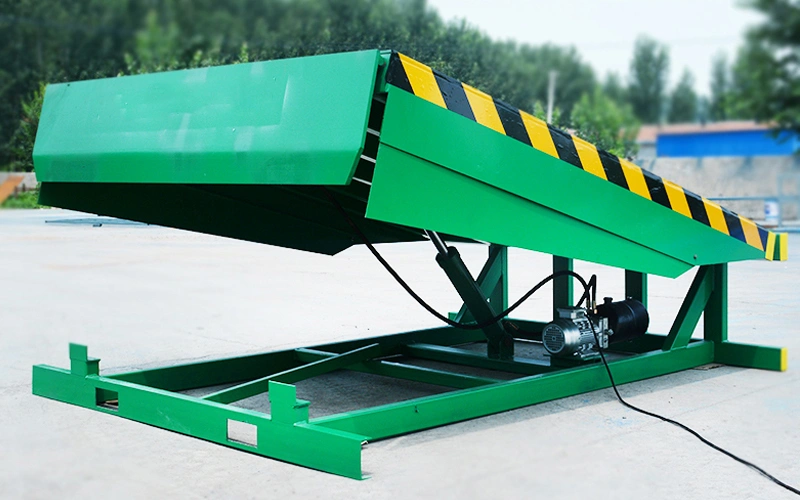
Key Components of a 12T Mobile Yard Ramp
1. Main Platform
The surface where forklifts travel.
2. Lip Plate
Connects the ramp to the truck or container.
3. Hydraulic System
Adjusts height for proper alignment.
4. Support Legs
Provide stability during operation.
5. Wheels
Enable mobility across the yard.
6. Safety Chains
Secure the ramp to the truck.
7. Anti-Slip Surface
Prevents accidents during operation.
8. Guardrails
Enhance operator safety.
Working Principle
Step 1: Positioning
The ramp is moved to the truck using towing equipment.
Step 2: Height Adjustment
The hydraulic system adjusts the ramp height to match the truck bed.
Step 3: Securing
Chains attach the ramp to the truck to prevent movement.
Step 4: Forklift Operation
Forklifts drive up the ramp into the truck.
Step 5: Loading/Unloading
Goods are transferred efficiently.
Step 6: Completion
Ramp is detached and moved to the next location.
Main Applications
1. Warehouses Without Loading Docks
Ideal for facilities lacking permanent docks.
2. Logistics and Distribution Centers
Improves loading efficiency.
3. Ports and Container Yards
Facilitates container loading.
4. Manufacturing Plants
Supports raw material and finished goods handling.
5. Temporary Work Sites
Perfect for flexible operations.
Pain Points Solved
1. Lack of Fixed Loading Dock
Provides a mobile alternative.
2. Slow Manual Loading
Enables forklift operation.
3. High Labor Costs
Reduces manpower requirements.
4. Safety Risks
Provides stable loading surface.
5. Limited Flexibility
Can be moved anywhere.
6. Inefficient Logistics Flow
Speeds up loading/unloading.
Competitive Analysis
Mobile Yard Ramp vs Fixed Dock Leveler
| Feature | Mobile Ramp | Dock Leveler |
|---|---|---|
| Mobility | High | None |
| Installation | None required | Permanent |
| Cost | Lower | Higher |
| Flexibility | Excellent | Limited |
Hydraulic vs Mechanical Ramp
| Feature | Hydraulic | Mechanical |
|---|---|---|
| Ease of Use | Easy | Manual effort |
| Cost | Higher | Lower |
| Efficiency | High | Moderate |
Mobile Ramp vs Forklift Dock Ramp
| Feature | Mobile Ramp | Dock Ramp |
|---|---|---|
| Mobility | High | Limited |
| Capacity | High (12T) | Lower |
How to Choose the Right 12T Mobile Yard Ramp
Key Factors:
Load capacity (ensure 12T requirement)
Platform size
Hydraulic vs manual
Surface material
Safety features
Mobility needs
Maintenance Tips
Regularly check hydraulic oil
Inspect welds and structure
Clean anti-slip surface
Lubricate moving parts
Test safety chains
Future Trends
1. Electric Hydraulic Systems
More efficient and user-friendly.
2. Lightweight Materials
Improved portability.
3. Smart Monitoring
Sensors for load and safety tracking.
4. Enhanced Safety Design
Better anti-slip and guard systems.
Conclusion
A 12T mobile yard ramp is a simple but powerful tool that significantly improves warehouse and logistics efficiency. By enabling forklifts to access trucks directly, it reduces labor, increases speed, and enhances safety.
Whether for warehouses, factories, or ports, this equipment provides a flexible and cost-effective solution for loading and unloading operations.
In fast-moving logistics environments, the difference between delay and efficiency often comes down to the right equipment—and a 12T mobile yard ramp is one of the smartest investments you can make.
717.webp)