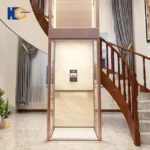
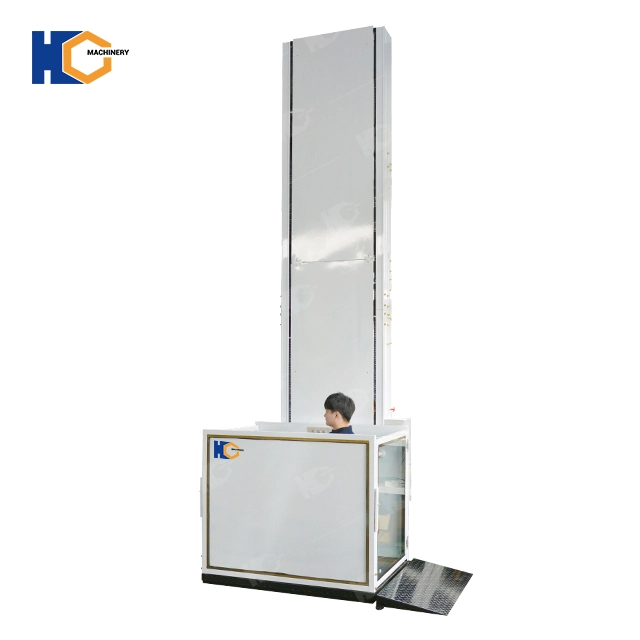
Home Lifts for Disabled: Enhancing Accessibility and Independence
- Load capacity: 250 kg to 400 kg
- Platform size: 1100mm x 1400mm
- Brand: HUICHUANG(JNHC lift)
- Customization: YES
- Manual: YES
- Price: $11,000 to $19,000
 +8615628811021
 admin@jnhclift.com
For individuals with disabilities, home lifts offer a means of navigating between floors with ease, enhancing both their independence and quality of life. This article will explore the specifications of home lifts for the disabled, provide an overview of pricing, and discuss customization options to suit individual needs and home environments.

Specifications of Home Lifts for Disabled Individuals
Home lifts designed for disabled individuals must meet specific requirements to ensure they are safe, functional, and user-friendly. Here are the key specifications to consider:
1. Load Capacity
The load capacity of a home lift is crucial, especially when it’s intended for use by individuals who may use a wheelchair or other mobility aids. Most home lifts for disabled users have a load capacity of 250-400 kg (550-880 lbs). This capacity is sufficient to accommodate a wheelchair and a caregiver if needed.
2. Cabin Dimensions
The cabin size is one of the most important specifications to consider when selecting a home lift. For a lift to be accessible for wheelchair users, the cabin should be spacious enough to allow for easy maneuvering. A standard wheelchair requires a cabin size of at least 1100mm x 1400mm (43 inches x 55 inches). Larger cabins may be necessary if the user uses a larger wheelchair or requires additional space for a caregiver.
3. Door Width
The door width is another critical factor, as it must be wide enough to accommodate a wheelchair. Typically, a minimum door width of 900mm (35 inches) is recommended. This allows for easy entry and exit without the need for precise alignment. Sliding doors or automatic doors can further enhance accessibility by eliminating the need to manually open and close the door.
4. Drive System
Home lifts can be powered by different drive systems, each with its own advantages:
- Hydraulic Drive: Known for smooth, quiet operation, hydraulic lifts are ideal for homes where noise needs to be minimized. However, they may require a separate machine room for the hydraulic pump.
- Traction Drive: These lifts use a counterweight system and are typically more energy-efficient. Traction lifts do not require a machine room, making them more space-efficient.
- Screw Drive: Screw drive lifts are compact and do not require a machine room, making them suitable for homes with limited space. They are also relatively easy to install.
5. Control Systems
The control system for a home lift designed for disabled users must be intuitive and easy to use. Features such as large, tactile buttons, voice control, and remote operation can significantly enhance usability. Additionally, the lift should have easily accessible emergency controls, such as an emergency stop button and a battery backup, to ensure operation during power outages.
6. Safety Features
Safety is paramount in home lift design. Key safety features to look for include:
- Emergency Stop Button: Allows the user to stop the lift immediately if needed.
- Safety Sensors: Detects obstructions in the lift’s path and prevents the door from closing on a user.
- Automatic Emergency Lowering: In the event of a power failure, this feature allows the lift to descend to the nearest floor and open the doors.
- Telephone or Intercom System: Enables communication with others in the house or emergency services if needed.
- Non-Slip Flooring: Ensures that the wheelchair or user does not slip while entering or exiting the lift.
7. Customization Options
Customization is a critical aspect of home lifts for disabled users, as it ensures the lift meets the individual’s specific needs and integrates seamlessly into the home environment. Customization options include:
- Cabin Design and Finish: The interior of the lift cabin can be customized with different materials, colors, and finishes to match the home’s décor.
- Seating Options: Some home lifts can be fitted with foldable seats for users who may not use a wheelchair but require mobility assistance.
- Handrails: Installing handrails inside the lift can provide additional support and safety for users.
- Flooring: Choose from a variety of materials that offer both aesthetics and functionality, such as non-slip vinyl or rubber.
- Lighting: Custom lighting options can be added to ensure the cabin is well-lit and welcoming. LED lights are energy-efficient and provide a bright, even light.

Pricing of Home Lifts for Disabled Individuals
The cost of installing a home lift for disabled individuals can vary widely based on several factors, including the type of lift, its specifications, and the level of customization. Here’s an overview of the typical price range:
1. Basic Models
Basic models of home lifts with standard features and limited customization typically start at around $15,000 to $25,000. These lifts are often screw drive or traction drive systems and are designed for straightforward installations with minimal structural modifications.
2. Mid-Range Models
Mid-range models, which offer more advanced features such as hydraulic drives, larger cabins, and additional safety features, generally cost between $25,000 and $40,000. These lifts may offer customization options for cabin design, control systems, and additional accessories.
3. High-End Models
High-end home lifts, which include luxury finishes, extensive customization options, and advanced technology (such as smart home integration), can cost between $40,000 and $60,000 or more. These models are often bespoke solutions tailored to the specific needs of the user and the home environment.
4. Additional Costs
In addition to the base cost of the lift, there are other potential expenses to consider:
- Installation Costs: Depending on installation complexity, costs can range from $5,000 to $10,000. Factors such as the need for structural modifications, electrical work, and integration with existing systems can all influence the final installation cost.
- Maintenance Costs: Regular maintenance is essential to ensure the lift’s safe and reliable operation. Annual maintenance contracts typically cost between $300 and $600, depending on the type of lift and the level of service required.
- Operating Costs: Home lifts are generally energy-efficient, with operating costs usually being quite low. On average, the electricity cost to run a home lift is $10 to $20 per month.
How to Customize a Home Lift for Disabled Users
Customizing a home lift for a disabled individual is critical to ensuring it meets their specific needs and integrates seamlessly into their daily life. Here’s how to go about customizing a home lift:
1. Assess the User’s Needs
The first step in customization is to assess the user’s specific needs. Consider factors such as the user’s mobility level, whether they use a wheelchair, and if they require assistance with standing or sitting. This assessment will help determine the necessary specifications, such as cabin size, load capacity, and control systems.
2. Consult with a Professional
It’s essential to consult with a professional who specializes in home lifts for disabled individuals. They can provide valuable insights into the latest technology, safety standards, and design options. A professional can also assess your home to determine the best location for the lift and identify any potential challenges.
3. Choose the Right Drive System
Select a drive system that best suits the user’s needs and the home environment. For example, if noise is a concern, a hydraulic drive system may be the best option. If space is limited, a screw drive lift might be more appropriate.
4. Customize the Cabin Interior
The cabin interior can be fully customized to match the home’s décor and the user’s preferences. Consider options such as:
- Wall Panels: Choose from materials such as wood, metal, or glass to create a stylish interior.
- Lighting: Customize the lighting to ensure it’s both functional and aesthetically pleasing.
- Control Panels: Opt for control panels with large, tactile buttons or voice-activated controls for ease of use.
- Seating: Install a foldable seat if the user may need to sit during the lift’s operation.
5. Integrate Smart Home Features
For users who are comfortable with technology, consider integrating the lift with smart home systems. This can include features like remote operation via smartphone, voice control, and automated scheduling. Smart home integration can significantly enhance the user’s independence and ease of use.
6. Ensure Safety Features Are in Place
Safety should be the top priority when customizing a home lift. Make sure the lift is equipped with all necessary safety features, including emergency stop buttons, safety sensors, and a reliable communication system. Additionally, consider features like automatic door operation and anti-slip flooring to further enhance safety.
7. Plan for Future Needs
When customizing a home lift, it’s important to plan for the future. Consider the possibility of changing mobility needs and how the lift can be adapted over time. For example, installing a larger cabin now can accommodate future needs, such as using a different mobility aid or requiring a caregiver to accompany the user in the lift.
Home Lifts for Disabled: Competitive Analysis
Home lifts for disabled individuals are designed to provide safe, independent, and convenient access between floors for wheelchair users, seniors, and people with mobility impairments. As accessibility regulations and aging populations drive demand, several lift technologies compete in the residential market. Understanding the advantages and disadvantages of each solution helps homeowners choose the most suitable system.
Comparison Table
| Lift Type | Price Range (USD) | Wheelchair Friendly | Installation Difficulty | Travel Height | Space Requirement | Best For |
|---|---|---|---|---|---|---|
| Vertical Platform Lift (VPL) | $5,000-$20,000 | Excellent | Low | 1-6m | Small | Wheelchair users |
| Hydraulic Home Lift | $15,000-$40,000 | Excellent | Medium | 2-15m | Medium | Multi-story homes |
| Traction Home Lift | $20,000-$60,000 | Excellent | Medium-High | 2-20m | Medium | Luxury homes |
| Screw Drive Home Lift | $18,000-$50,000 | Good | Low | 2-15m | Small | Existing homes |
| Vacuum Elevator | $35,000-$80,000+ | Limited | Low | 2-15m | Very Small | Luxury applications |
| Stair Lift | $3,000-$15,000 | No | Very Low | Staircase only | Minimal | Seated users |
Vertical Platform Lift (VPL) vs Home Elevator
Vertical Platform Lift Advantages
- Lowest accessibility-focused cost
- Wheelchair-friendly design
- Minimal construction work
- Fast installation
- Low maintenance
- Indoor and outdoor installation options
Vertical Platform Lift Disadvantages
- Slower speed
- Basic appearance
- Lower property value enhancement
- Limited travel height
Home Elevator Advantages
- Enclosed cabin for safety
- Better aesthetics
- Higher property value
- Greater comfort
- Better weather protection
Winner
For wheelchair accessibility on a budget, the Vertical Platform Lift offers the best value. For long-term comfort and home value, a residential elevator is superior.
Hydraulic Home Lift vs Traction Home Lift
Hydraulic Lift Advantages
- Lower purchase cost
- Smooth ride quality
- Strong lifting force
- Ideal for 2-4 floors
Hydraulic Lift Disadvantages
- Hydraulic oil maintenance
- Higher energy consumption
- Slower travel speed
Traction Lift Advantages
- Energy efficient
- Faster operation
- Lower long-term operating costs
- Advanced safety systems
Traction Lift Disadvantages
- Higher initial investment
- More complex installation
Winner
Hydraulic lifts are usually the most economical option for disabled homeowners. Traction lifts provide the best long-term performance for larger homes.
Screw Drive Home Lift vs Hydraulic Lift
Screw Drive Advantages
- No machine room
- Minimal pit requirements
- Compact installation
- Suitable for retrofit projects
Screw Drive Disadvantages
- Slower speed
- Mechanical noise
- Higher purchase price than platform lifts
Hydraulic Advantages
- Quieter operation
- Larger capacity
- Lower equipment cost
Winner
For existing homes with limited space, screw-drive lifts are often the better solution. For new construction, hydraulic lifts usually provide better value.
Vacuum Elevator vs Traditional Home Lift
Vacuum Elevator Advantages
- Modern appearance
- Panoramic design
- Small footprint
- Minimal structural modification
Vacuum Elevator Disadvantages
- High purchase cost
- Smaller cabin size
- Limited wheelchair compatibility
- Lower load capacity
Traditional Home Lift Advantages
- Full wheelchair access
- Larger cabin
- Better accessibility compliance
- More practical daily use
Winner
Traditional home lifts are significantly better for disabled users. Vacuum elevators are often chosen for aesthetics rather than accessibility.
Home Lift vs Stair Lift
Stair Lift Advantages
- Lowest investment cost
- Quick installation
- Minimal construction
Stair Lift Disadvantages
- Not wheelchair accessible
- The user must transfer from the wheelchair
- Limited carrying capacity
- Less attractive appearance
Home Lift Advantages
- Full wheelchair accessibility
- Higher comfort
- Greater independence
- Better resale value
Winner
For wheelchair users, home lifts are the clear winner. Stair lifts are more suitable for seniors who can still transfer independently.
High-Quality vs Low-Quality Disabled Home Lifts
High-Quality Home Lifts
Features
- Emergency battery backup
- Automatic rescue device
- Smooth leveling accuracy
- Premium drive systems
- Advanced safety sensors
- Quiet operation
Benefits
- Increased user confidence
- Reduced maintenance costs
- Longer service life
- Better accessibility experience
Low-Quality Home Lifts
Common Problems
- Frequent breakdowns
- Poor leveling precision
- Excessive noise
- Limited spare parts availability
- Inferior safety systems
Risks
- User discomfort
- Safety concerns
- Higher repair costs
- Shorter lifespan
A disabled-access lift should never be selected solely on price. Reliability often matters more than the initial purchase cost because the lift may become an essential daily mobility tool.
Best Home Lift Choice by User Type
| User Type | Recommended Lift |
|---|---|
| Wheelchair User | Hydraulic Home Lift or Vertical Platform Lift |
| Elderly Homeowner | Hydraulic or Screw Drive Lift |
| Luxury Villa Owner | Traction Home Lift |
| Retrofit Project | Screw Drive Lift |
| Budget-Conscious Buyer | Vertical Platform Lift |
| Outdoor Accessibility | Vertical Platform Lift |
| Multi-Generation Family | Hydraulic Home Lift |
Market Trend Analysis
The global accessibility market is growing rapidly due to:
- Aging populations
- Increased wheelchair accessibility requirements
- Universal design principles
- Aging-in-place housing strategies
- Rising home renovation demand
Hydraulic and traction home lifts currently dominate premium residential accessibility projects, while vertical platform lifts remain the fastest-growing economical solution.
Conclusion
Home lifts for disabled individuals are not just a convenience; they are a crucial tool for enhancing independence, safety, and quality of life. By understanding the available specifications, pricing, and customization options, you can make an informed decision that best meets your needs or those of your loved ones. Whether you’re looking for a basic model or a fully customized solution, there are home lifts available that can be tailored to your specific requirements.
Investing in a home lift is a significant decision, but it can provide long-term benefits for both the user and their family. With the right lift in place, individuals with disabilities can move freely and safely within their homes, reducing the physical strain on caregivers and enhancing the overall accessibility of the living environment.
 Room 203, Second Floor, Building 8, Phase Ⅱ, Zhizao Town, Jibei Street, Jiyang District, Jinan City, Shandong Province