How much does a 3 floor residential elevator cost?
/in blog /by jnhcliftHow Much Does a 3 Floor Residential Elevator Cost? Complete 2026 Pricing Guide, Types, Applications & Buying Tips
A 3-floor residential elevator is no longer considered a luxury reserved for mansions. As homeowners increasingly build multi-story houses, aging-in-place becomes more important, and accessible home design gains popularity; residential elevators have become a practical investment that improves convenience, safety, and long-term property value.
One of the first questions buyers ask is:
“How much does a 3-floor residential elevator cost?”
The short answer is that a complete installed system typically costs between USD $18,000 and $60,000, while luxury customized elevators can exceed USD $80,000. The final price depends on the drive system, cabin size, travel height, interior finishes, installation complexity, and country of installation.
This comprehensive guide explains what a residential elevator is, how it works, the different elevator types, detailed pricing, application scenarios, competitive comparisons, and answers the most frequently asked questions from homeowners.
What Is a Residential Elevator?
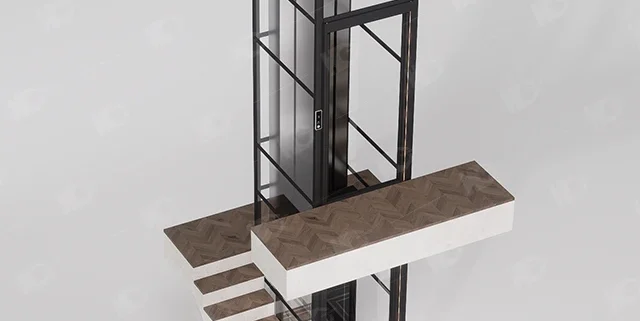
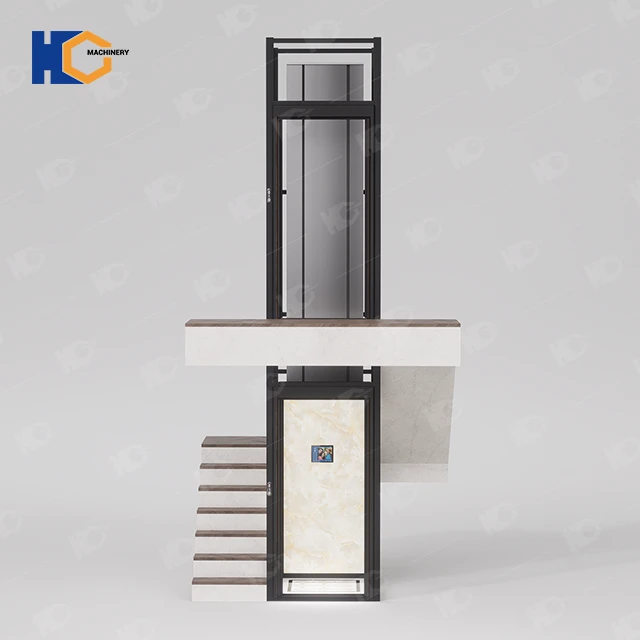
A residential elevator, also known as a home lift or home elevator, is a compact vertical transportation system designed specifically for private homes, not commercial buildings.
Unlike office or shopping mall elevators, residential elevators are designed with lower travel speeds, smaller cabins, quieter operation, and lower energy consumption while maintaining a high level of safety and comfort.
Most residential elevators serve:
- Two-story homes
- Three-story houses
- Villas
- Townhouses
- Duplex homes
- Luxury residences
- Beach houses
- Mountain homes
- Multi-generational family homes
Typical passenger capacity ranges from 250 kg to 450 kg (550–990 lbs), accommodating 2–6 people depending on the model.
How Does a Residential Elevator Work?
Although different elevator technologies use different drive mechanisms, their operating processes are similar.
Step 1: Floor Selection
The passenger presses the call button or selects a destination floor inside the cabin.
Step 2: Control System Processing
The elevator controller verifies the request and checks:
- Cabin position
- Door status
- Safety sensors
- Travel direction
Step 3: Drive System Operation
Depending on the elevator type, the system uses one of the following:
- Hydraulic cylinder
- Traction motor with steel ropes or belts
- Screw drive mechanism
- Vacuum air pressure system
The cabin travels smoothly along guide rails to the selected floor.
Step 4: Safe Arrival
The controller ensures accurate leveling before unlocking the landing door. Modern residential elevators also include emergency backup systems for safe operation during power outages.
Types of 3 Floor Residential Elevators
Choosing the right drive system has the greatest impact on cost, maintenance, and installation requirements.
1. Hydraulic Residential Elevator
Hydraulic elevators use a hydraulic pump to move a piston that lifts the elevator cabin.
Advantages
- Smooth ride quality
- High lifting capacity
- Proven technology
- Reliable operation
Disadvantages
- Requires hydraulic oil
- More maintenance than traction systems
- May require additional space for equipment
Typical Price (Installed)
- USD $22,000–$45,000
Best for:
- Villas
- Large private homes
- Wheelchair users
2. Traction Residential Elevator
Traction elevators use an electric motor with steel ropes or coated belts to move the cabin.
Advantages
- Energy efficient
- Quiet operation
- Smooth travel
- Lower long-term maintenance
Disadvantages
- Higher initial purchase price
- More precise installation required
Typical Price
- USD $28,000–$60,000
Best for:
- Premium homes
- Three-story residences
- Modern smart homes
3. Shaftless Residential Elevator
Shaftless elevators are designed for homes with limited construction space.
Advantages
- No traditional shaft required
- Small footprint
- Fast installation
- Lower building modification costs
Disadvantages
- Lower travel height
- Smaller cabin
Typical Price
- USD $18,000–$35,000
Best for:
- Existing homes
- Home renovations
- Compact houses
4. Screw Drive Home Elevator
A screw drive elevator moves the cabin using a threaded steel screw and drive nut.
Advantages
- No hydraulic oil
- No counterweight
- Compact structure
- Reliable performance
Disadvantages
- Slower travel speed
- Higher equipment cost than hydraulic models
Typical Price
- USD $25,000–$50,000
5. Vacuum Home Elevator
Vacuum elevators use air pressure differences to move the cabin inside a transparent cylindrical shaft.
Advantages
- Elegant panoramic design
- Minimal construction work
- Low maintenance
- Compact installation
Disadvantages
- Premium pricing
- Smaller cabin sizes
Typical Price
- USD $40,000–$80,000+
Best for luxury homes seeking a distinctive architectural feature.
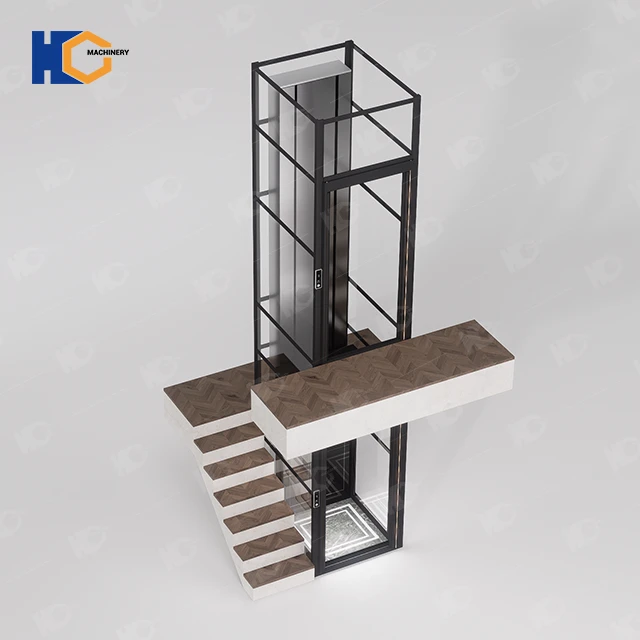
Average Cost of a 3 Floor Residential Elevator
The table below summarizes typical installed price ranges.
| Elevator Type | Installed Price (USD) |
|---|---|
| Shaftless Elevator | $18,000–$35,000 |
| Hydraulic Elevator | $22,000–$45,000 |
| Screw Drive Elevator | $25,000–$50,000 |
| Traction Elevator | $28,000–$60,000 |
| Vacuum Elevator | $40,000–$80,000+ |
| Luxury Custom Elevator | $60,000–$120,000+ |
Prices vary by country, customization level, and installation conditions.
What Factors Affect the Cost?
Several variables influence the final project price.
Number of Stops
Although this guide focuses on three floors, additional stops increase costs because they require:
- More landing doors
- Longer guide rails
- Additional wiring
- More installation labor
Cabin Size
Typical capacities include:
| Capacity | Typical Occupancy |
|---|---|
| 250 kg | 2–3 people |
| 320 kg | 3–4 people |
| 400 kg | 4–5 people |
| 450 kg | Wheelchair accessible |
Larger cabins require more structural materials and more powerful drive systems.
Interior Decoration
Popular upgrade options include:
- Stainless steel walls
- Tempered glass cabins
- Wooden panels
- Marble flooring
- LED ambient lighting
- Touchscreen control panels
- Automatic sliding doors
Premium finishes can significantly increase the overall project cost.
Installation Conditions
Installing an elevator in a new home is generally less expensive than retrofitting an existing house, which may require structural reinforcement or modifications.
Drive Technology
Hydraulic systems generally have lower purchase prices, while traction systems often offer lower energy consumption and maintenance costs over time.
Typical Applications
A 3 floor residential elevator is suitable for a wide range of properties, including:
- Private family homes
- Luxury villas
- Townhouses
- Duplex residences
- Beach homes
- Mountain cabins
- Vacation properties
- Multi-generational homes
- Homes designed for aging in place
- Houses requiring wheelchair accessibility
Beyond convenience, elevators help improve accessibility, reduce the risk of falls, and make everyday movement easier for all family members.
Benefits of Installing a Residential Elevator
Homeowners increasingly choose residential elevators because they provide:
- Easier movement between floors
- Greater independence for elderly residents
- Improved accessibility for wheelchair users
- Increased home resale value
- Reduced physical strain from stairs
- Enhanced safety for children and seniors
- A modern, premium appearance
- Better long-term usability of the home
Competitive Analysis
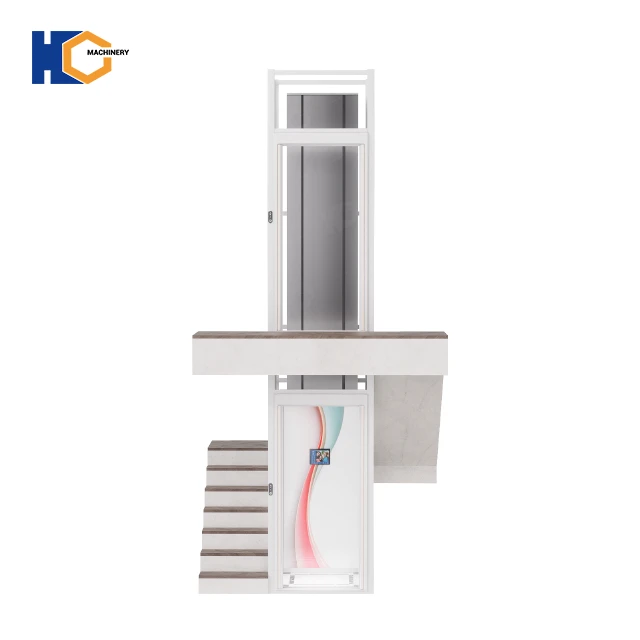
Residential Elevator vs Stair Lift
| Feature | Residential Elevator | Stair Lift |
|---|---|---|
| Passenger Capacity | 2–6 people | 1 person |
| Wheelchair Access | Yes | Limited |
| Property Value Impact | High | Moderate |
| Comfort | Excellent | Basic |
| Installation Cost | Higher | Lower |
| Appearance | Premium | Functional |
A residential elevator offers greater flexibility and serves multiple users, while a stair lift is typically a lower-cost accessibility solution.
Hydraulic vs Traction Elevator
| Feature | Hydraulic | Traction |
|---|---|---|
| Initial Cost | Lower | Higher |
| Energy Efficiency | Good | Excellent |
| Ride Quality | Excellent | Excellent |
| Noise | Low | Very Low |
| Maintenance | Moderate | Lower over time |
| Suitable Travel Height | Low to Medium | Medium to High |
Hydraulic elevators are attractive for buyers focused on upfront cost, while traction systems are often preferred for long-term efficiency.
Shaftless vs Traditional Elevator
| Feature | Shaftless | Traditional Shaft |
|---|---|---|
| Construction Work | Minimal | Extensive |
| Installation Time | Short | Longer |
| Space Required | Small | Larger |
| Best for Retrofits | Excellent | Moderate |
| Cabin Size | Smaller | Larger |
Shaftless elevators are often the preferred choice for existing homes with limited space.
How to Choose the Right 3 Floor Residential Elevator
When comparing products and suppliers, evaluate the following:
- Available installation space
- Number of passengers
- Weight capacity
- Wheelchair accessibility
- Drive technology
- Energy consumption
- Noise level
- Maintenance requirements
- Safety certifications
- Warranty coverage
- Availability of local technical support
- Total installed cost rather than equipment cost alone
Choosing a reputable manufacturer with reliable after-sales service can reduce long-term ownership costs.
Frequently Asked Questions (FAQ)
1. How much does a 3-floor residential elevator cost?
Most installed systems range from USD $18,000 to $60,000, while premium customized models can exceed USD $80,000.
2. Which type of residential elevator is the most affordable?
Shaftless home elevators generally have the lowest overall installed cost because they require less structural modification.
3. Which elevator is best for elderly homeowners?
Hydraulic and traction residential elevators both provide smooth operation and excellent accessibility. The best choice depends on budget, available space, and local service support.
4. Can a residential elevator be installed in an existing house?
Yes. Many shaftless and compact home elevators are specifically designed for retrofit installations with minimal structural changes.
5. How long does installation take?
Most residential elevator installations require approximately 1 to 4 weeks, depending on construction readiness and project complexity.
6. How much maintenance does a home elevator require?
Most manufacturers recommend professional maintenance two to four times per year to ensure safe and reliable operation.
7. Do residential elevators consume a lot of electricity?
No. Modern home elevators use energy-efficient motors and typically consume much less electricity than commercial elevator systems.
8. Will installing an elevator increase home value?
In many markets, a well-designed residential elevator can enhance property appeal, particularly for luxury homes and buyers seeking long-term accessibility.
9. Is a machine room always required?
No. Many modern traction, shaftless, and screw-drive residential elevators are machine-room-less (MRL), reducing construction requirements.
10. What should I compare before buying?
Compare total installed cost, safety features, drive system, customization options, warranty, maintenance requirements, local service availability, and the manufacturer’s experience.
Conclusion
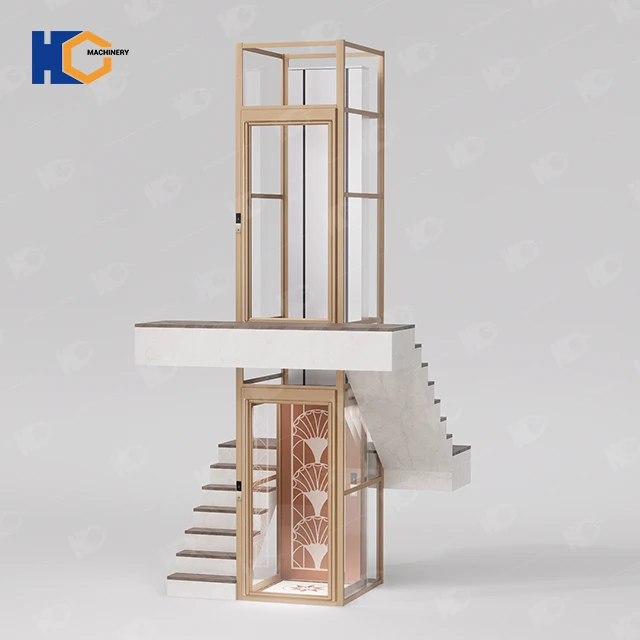
A 3 floor residential elevator is an excellent investment for homeowners seeking greater accessibility, comfort, and long-term property value. Depending on the drive technology, customization level, and installation conditions, a complete system typically costs between USD $18,000 and $60,000, with luxury solutions reaching USD $80,000 or more.
Among the available options, shaftless elevators are ideal for retrofit projects, hydraulic elevators deliver proven reliability and smooth operation, traction elevators provide outstanding energy efficiency and ride quality, screw-drive systems offer compact installation with low maintenance, and vacuum elevators create a striking architectural centerpiece for premium homes.
By carefully evaluating your home’s layout, budget, future accessibility needs, and the long-term support offered by the supplier, you can select a residential elevator that provides dependable performance, enhances everyday living, and adds lasting value to your property.

Jnhclift (Huichuang Lift), based in Jinan, China, is a professional manufacturer of scissor lifts, home elevators, and lift platforms. With our own dedicated factory, we deliver high-quality, reliable lifting solutions tailored to meet diverse industrial and residential needs.
 Room 203, Second Floor, Building 8, Phase Ⅱ, Zhizao Town, Jibei Street, Jiyang District, Jinan City, Shandong Province
 +86 152 5319 3706
 admin@jnhclift.com