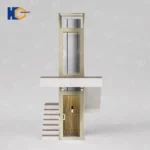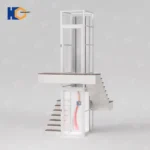
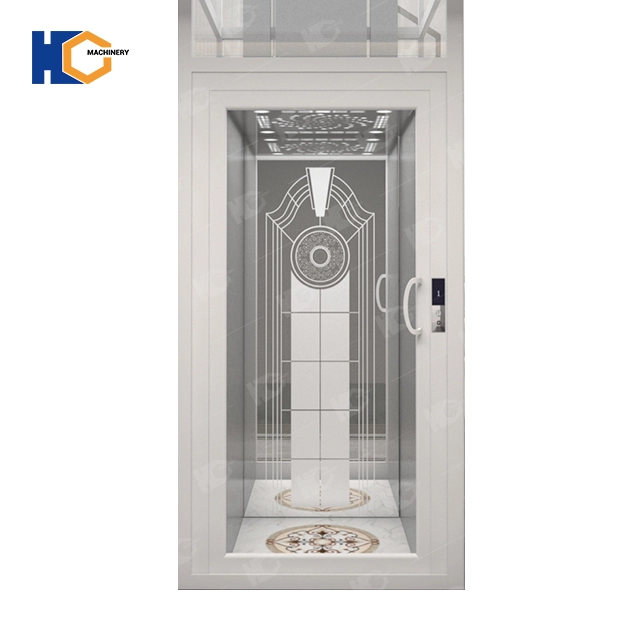
2-3 floor small home elevators
- Load capacity: 250 kg (2-3 people)
- Platform size: 800mm x 800mm
- Brand: HUICHUANG(JNHC lift)
- Customization: YES
- Manual: YES
- Payment Methods: TT
- Delivery time: 15 working days
 +8615628811021
 admin@jnhclift.com
As modern homeowners seek greater comfort, accessibility, and property value, 2-3 floor small home elevators have become one of the fastest-growing residential improvement investments. Once considered a luxury reserved for mansions, compact home elevators are now widely installed in townhouses, villas, duplex homes, aging-in-place residences, and newly built family homes.
A small home elevator designed for two or three floors provides safe and convenient transportation between levels while occupying minimal space. Whether you are planning a new construction project or upgrading an existing home, understanding elevator sizes, installation requirements, available technologies, and purchasing considerations is essential.
This guide explains everything homeowners need to know about 2-3-floor small home elevators, including standard dimensions, practical solutions for different house layouts, common challenges they address, and key factors to evaluate before purchasing.
What Is a 2-3 Floor Small Home Elevator?
A 2-3-floor small home elevator is a residential lift designed to travel between two or three levels within a private home. Unlike commercial elevators found in office buildings, residential elevators are built for lower traffic, quieter operation, and compact installation.
These elevators typically serve:
- Two-story homes
- Three-story townhouses
- Villas
- Duplex apartments
- Multi-generational homes
- Homes occupied by elderly residents
- Wheelchair-accessible residences
Most residential elevators can accommodate 2-6 passengers and carry loads ranging from 250 kg to 450 kg (550-1000 lbs).
Modern home elevators are available in several drive systems:
- Hydraulic elevators
- Traction elevators
- Screw-driven elevators
- Vacuum elevators
- Platform lifts
Each system offers unique advantages depending on the available space, budget, and performance requirements.
Why Are Small Home Elevators Becoming Popular?
The demand for home elevators has increased significantly in recent years as homeowners face several common challenges.
Aging in Place
Many homeowners prefer to stay in their homes as they age rather than relocate to assisted living facilities.
Stairs become difficult and potentially dangerous for seniors due to:
- Reduced mobility
- Arthritis
- Knee pain
- Hip problems
- Balance issues
A home elevator eliminates these challenges and allows residents to continue using every floor safely.
Wheelchair Accessibility
For wheelchair users, stairs represent a major barrier.
A residential elevator provides:
- Full accessibility
- Independent mobility
- Increased quality of life
- Compliance with universal design principles
Convenience
Even healthy family members benefit from elevators when transporting:
- Groceries
- Laundry
- Furniture
- Luggage
- Baby strollers
The convenience factor alone often justifies the investment.
Increased Property Value
Luxury home features often improve resale value.
A well-designed home elevator can:
- Differentiate a property from competitors
- Attract older buyers
- Appeal to luxury market segments
- Future-proof the home

Standard Sizes of 2-3 Floor Home Elevators
One of the most common questions homeowners ask is:
“What size elevator do I need?”
The answer depends on passenger capacity, wheelchair requirements, and available installation space.
Compact Home Elevator Dimensions
| Elevator Type | Cabin Size (W × D) | Shaft Size (W × D) |
|---|---|---|
| Mini Elevator | 800 × 800 mm | 1100 × 1100 mm |
| Small Elevator | 900 × 1000 mm | 1300 × 1300 mm |
| Standard Home Elevator | 1000 × 1200 mm | 1500 × 1500 mm |
| Wheelchair Elevator | 1100 × 1400 mm | 1600 × 1700 mm |
| Luxury Home Elevator | 1200 × 1400 mm | 1700 × 1800 mm |
Typical Capacity
| Capacity | Passenger Number |
|---|---|
| 250 kg | 2-3 persons |
| 320 kg | 4 persons |
| 400 kg | 5 persons |
| 450 kg | 6 persons |
For most families, a 320 kg or 400 kg capacity elevator provides the best balance between comfort and space efficiency.
Different Home Elevator Solutions for Different Scenarios
Every home has unique architectural constraints.
Choosing the right elevator solution depends largely on the installation environment.
Solution 1: Small Villa Elevator
Suitable for:
- Luxury villas
- Detached houses
- New construction projects
Recommended system:
- Hydraulic elevator
- Traction elevator
Advantages:
- Large cabin
- Smooth ride
- High-end appearance
- Customizable finishes
Typical travel height:
- 6-12 meters
Solution 2: Townhouse Elevator
Suitable for:
- Three-story townhouses
- Narrow buildings
Recommended system:
- Machine-room-less traction elevator
Advantages:
- Saves space
- Low maintenance
- Energy efficient
- Modern design
Solution 3: Existing Home Retrofit Elevator
Suitable for:
- Existing houses
- Renovation projects
Recommended system:
- Self-supporting shaft elevator
- Screw-driven elevator
Advantages:
- Minimal structural modification
- Faster installation
- Lower construction costs
Solution 4: Wheelchair Accessibility Elevator
Suitable for:
- Disabled residents
- Elderly homeowners
Recommended system:
- Hydraulic home elevator
- Vertical platform lift
Advantages:
- Wide door openings
- Barrier-free access
- Easy wheelchair entry
Solution 5: Ultra-Compact Home Elevator
Suitable for:
- Limited installation space
- Small duplex apartments
Recommended system:
- Vacuum elevator
- Compact screw elevator
Advantages:
- Small footprint
- No pit requirement
- No machine room required
Home Elevator Technologies Compared
Hydraulic Home Elevators
Hydraulic systems use a hydraulic cylinder and pump unit to move the elevator.
Pros:
- Smooth operation
- High lifting capacity
- Lower initial cost
- Excellent ride comfort
Cons:
- Requires a machine room
- Higher energy consumption
Best for:
- Villas
- Large homes
- Wheelchair applications
Traction Home Elevators
Traction elevators use steel ropes and a motor-driven counterweight system.
Pros:
- Energy efficient
- Faster speed
- Quiet operation
- Long service life
Cons:
- Higher purchase cost
- More complex installation
Best for:
- Modern homes
- Frequent usage
Screw-Driven Home Elevators
A screw mechanism moves the elevator car vertically.
Pros:
- No pit needed
- No machine room
- Compact design
Cons:
- Slower speed
- Slightly higher noise level
Best for:
- Retrofits
- Small homes
Vacuum Elevators
Vacuum elevators operate by exploiting air-pressure differences.
Pros:
- Unique appearance
- Minimal construction work
- Energy efficient
Cons:
- Limited capacity
- Higher equipment cost
Best for:
- Luxury residences
- Architectural showcase projects
Common Problems Solved by Home Elevators
Problem 1: Difficulty Climbing Stairs
Aging residents often face physical limitations.
Home elevators provide:
- Safe transportation
- Reduced fall risk
- Increased independence
Problem 2: Moving Heavy Objects
Transporting items upstairs can be exhausting.
Examples include:
- Groceries
- Laundry baskets
- Furniture
- Storage boxes
A home elevator simplifies daily life significantly.
Problem 3: Future Mobility Concerns
Many homeowners install elevators before mobility issues arise.
Benefits include:
- Long-term planning
- Aging-in-place readiness
- Family accessibility
Problem 4: Limited Property Appeal
Homes with multiple levels may discourage older buyers.
An elevator expands the potential buyer pool and improves marketability.
Important Safety Features
Modern residential elevators incorporate advanced safety systems.
Key features include:
Emergency Battery Backup
Allows passengers to reach the nearest floor during power outages.
Emergency Alarm System
Provides immediate communication in emergencies.
Door Interlocks
Prevent elevator movement when doors are open.
Overspeed Protection
Stops uncontrolled movement.
Automatic Rescue Device
Automatically returns passengers to a safe landing.
Obstruction Detection
Prevents doors from closing on people or objects.
Installation Requirements
Before purchasing a home elevator, evaluate the following installation factors.
Shaft Space
Determine whether a shaft already exists or needs to be constructed.
Pit Depth
Typical requirements:
- Hydraulic elevators: 200-500 mm
- Traction elevators: 150-300 mm
- Some screw elevators: no pit
Top Floor Height
Most systems require:
- 2500-3500 mm overhead clearance
Power Supply
Common options include:
- Single-phase 220V
- Three-phase 380V
Structural Support
A professional engineer should verify that the building structure can support the elevator loads.
Questions to Ask Before Buying a Home Elevator
Making the right decision requires careful planning.
How Many Floors Will It Serve?
Choose a system specifically optimized for two or three floors.
Who Will Use the Elevator?
Consider:
- Seniors
- Children
- Wheelchair users
- Guests
How Much Space Is Available?
Measure:
- Shaft dimensions
- Pit depth
- Overhead clearance
What Is the Weight Capacity Needed?
Typical family use:
- 320-400 kg
Wheelchair use:
- 400-450 kg
What Is the Maintenance Cost?
Annual maintenance should be included in budget planning.
Ask suppliers about:
- Service contracts
- Spare parts availability
- Warranty coverage
What Safety Certifications Does It Have?
Look for compliance with:
- CE certification
- ISO standards
- EN81 residential elevator standards
- Local building regulations
What Is the Expected Lifespan?
Quality home elevators typically last:
- 20-30 years
with proper maintenance.
Typical Cost of a 2-3 Floor Small Home Elevator
Pricing varies depending on technology, customization, and installation complexity.
| Elevator Type | Estimated Cost |
|---|---|
| Basic Platform Lift | $8,000-$18,000 |
| Screw-Driven Elevator | $15,000-$30,000 |
| Hydraulic Home Elevator | $20,000-$45,000 |
| Traction Home Elevator | $25,000-$50,000 |
| Luxury Custom Elevator | $40,000-$80,000+ |
Additional expenses may include:
- Shaft construction
- Electrical work
- Interior finishing
- Permits
- Maintenance contracts
Choosing the Right Home Elevator Supplier
The supplier plays a crucial role in project success.
Look for manufacturers offering:
- Customized solutions
- Engineering support
- Professional installation
- Safety certifications
- Long warranties
- Global spare parts availability
- Responsive after-sales service
Request project references and case studies before signing a contract.
Introducing Our 2-3 Floor Small Home Elevators
At Huichuang lift, we specialize in high-quality, compact home elevators perfect for homes with 2-3 floors. Our small home elevators are engineered with safety, durability, and aesthetics in mind. These elevators integrate seamlessly into any home design and provide a smooth, quiet ride.
Conclusion
A small home elevator on the 2-3 floor is no longer a luxury reserved for large estates. It has become a practical, value-enhancing solution for modern families seeking accessibility, convenience, safety, and long-term comfort in their homes.
Whether you own a townhouse, villa, duplex, or multi-generational home, the right elevator can solve mobility challenges, increase property value, and future-proof your residence for decades to come. By understanding standard dimensions, available technologies, installation requirements, and purchasing considerations, homeowners can confidently choose a system that fits both their lifestyle and budget.
For most two- and three-story homes, a properly selected home elevator is not only an investment in the property itself but also in comfort, independence, and quality of life.
Our 2-3 Floor Small Home Elevators are the ideal solution for small homes seeking accessibility and style without compromising space. These compact, energy-efficient elevators offer customizable options, advanced safety features, and are designed to fit seamlessly into any home. Contact us today for a consultation, request a quote, or learn more about adding a stylish and functional home elevator to your residence.
 Room 203, Second Floor, Building 8, Phase Ⅱ, Zhizao Town, Jibei Street, Jiyang District, Jinan City, Shandong Province