Hydraulic home elevator price Made in China
- Brand: HUICHUANG(JNHC lift)
- Customization: YES
- Manual: YES
- Payment Methods: TT
- Price: $3,700–$5,500
- Delivery time: 15 working days
 +8615628811021
 admin@jnhclift.com
A hydraulic elevator uses hydraulic power to move oil into a cylinder, causing the plunger to move vertically and drive the elevator car either directly or indirectly through ropes or chains. Compared with other elevator systems, a hydraulic elevator can be a practical solution for low-rise residential buildings, villas, and other applications where a compact and flexible elevator system is required.
For buyers comparing elevator solutions, the cost of a hydraulic elevator depends on factors such as the number of floors, load capacity, travel height, cabin size, shaft structure, door configuration, and customization. Our factory-direct price for a hydraulic home elevator is approximately $3,700–$5,500 USD, while the final quotation depends on the actual project configuration.
What is the hydraulic elevator?
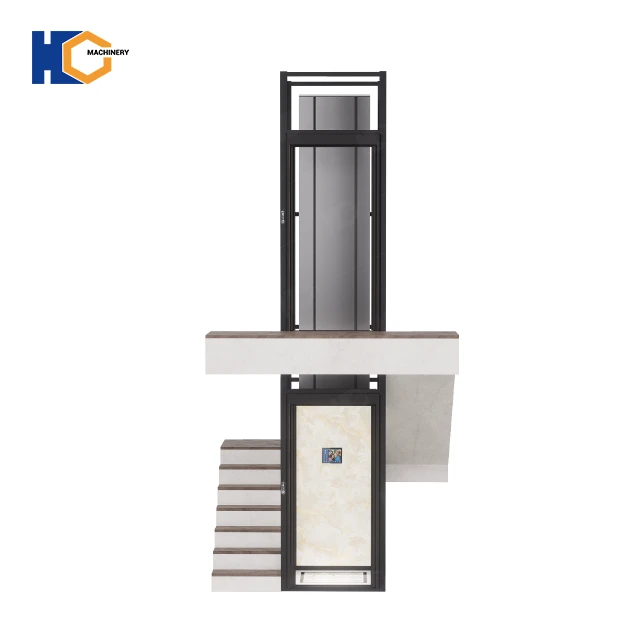
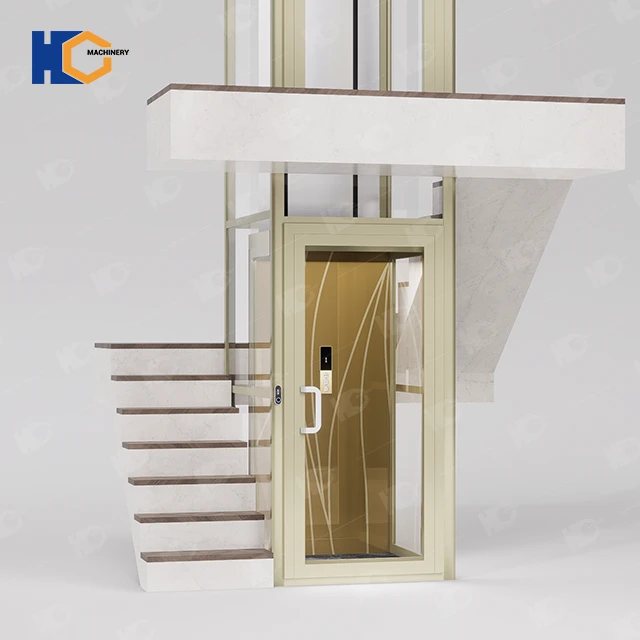
Hydraulic elevator is an elevator that uses a hydraulic power source to press oil into the cylinder to make the plunger move in a straight line, directly or indirectly through a wire rope to move the car.
A hydraulic elevator is an integrated system consisting of mechanical, electrical, electronic, and hydraulic components. Its main systems include the pumping station, hydraulic system, guide system, elevator car, door system, electrical control system, and safety protection system.
Hydraulic elevators are commonly used in low-rise residential and villa applications. Their actual application range depends on the elevator design, travel height, building structure, and local regulations.
One of the main reasons buyers choose a hydraulic home elevator is its flexibility for new construction and renovation projects. Depending on the design, hydraulic elevators can be installed with different shaft arrangements and do not necessarily require the same equipment-room configuration as every type of traditional traction elevator.
Hydraulic elevators can provide stable operation with relatively low operating noise and vibration when properly designed and installed, making them suitable for residential environments. For villas and low-rise homes, they can also provide a practical balance between installation flexibility, customization, and cost.
The hydraulic elevator cost is determined by the complete project rather than by the lifting unit alone. Buyers should consider the elevator equipment, shaft structure, doors, cabin, electrical controls, transportation, installation, and local inspection requirements when comparing quotations.
What are the advantages of our hydraulic elevators?
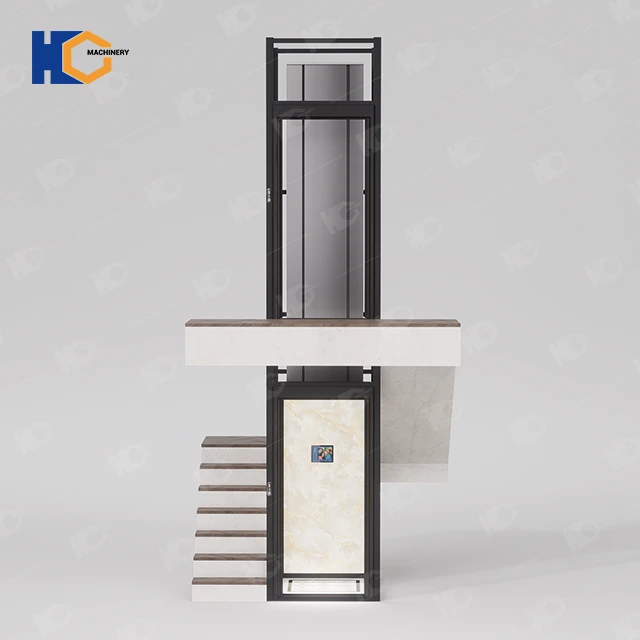
Our hydraulic elevators are designed for customers who need a practical, customizable, and cost-effective solution for low-rise residential applications.
1. Corrosion-resistant galvanized structure
The elevator shaft structure uses hot-dip galvanized steel, which provides enhanced corrosion resistance compared with conventional painted steel. This helps the structure maintain its appearance and performance in different installation environments.
2. Multiple safety protection systems
The hydraulic elevator is equipped with an overspeed governor, governor rope tensioner, and safety gear as part of the safety system. The governor is designed to detect an overspeed condition and activate the safety gear when the specified tripping condition is reached.
The exact operating parameters depend on the elevator model, rated speed, safety components, and applicable requirements. Therefore, safety protection should be evaluated as a complete system rather than based on a single speed value.
3. In-house control box development
We have our own team for the development and manufacture of elevator control boxes. The integrated control-box design helps reduce wiring complexity and uses convenient plug-in connections, making installation and commissioning easier.
A well-organized control system can also simplify troubleshooting and routine maintenance.
4. Accurate leveling system
The hydraulic elevator uses a dedicated leveling sensor system to help provide accurate and consistent stopping at each floor. Accurate leveling is especially important for residential elevators because it improves convenience and helps reduce the step difference between the elevator car and landing.
5.Oil return system
The hydraulic system includes an oil return tube to help return hydraulic oil to the reservoir as part of the hydraulic circuit. This supports stable operation and helps keep the hydraulic system organized.
6. Aluminum alloy shaft structure
The elevator’s shaft structure is built with high-grade aluminum alloy profiles, engineered to deliver exceptional structural stability while keeping overall weight low. Naturally resistant to corrosion and wear, the aluminum frame retains a sleek, premium appearance for years with minimal routine maintenance. Multiple color finish options are available for the shaft, allowing customers to select an appearance that aligns perfectly with their building’s architectural style and interior decor.
7. Bolted shaft structure
The shaft structure is assembled with bolted connections, reducing or eliminating the need for on-site welding. This can simplify installation and make the elevator suitable for renovation projects where extensive hot work is undesirable.
8. Multiple COP and LOP options
Different COP and LOP designs are available for different project requirements. Customers can also customize logos, colors, graphics, and other appearance details according to the project design.
9. Standard safety sensor and light curtain
The elevator can be equipped with a bottom safety sensor and standard light curtain to provide additional protection against obstacles and improve door safety during operation.
10. Factory-direct pricing
Our hydraulic elevators are supplied directly from our factory. By controlling manufacturing and supply-chain processes internally, we can offer competitive factory-direct pricing from approximately $3,700 to $5,500 USD for suitable hydraulic home elevator configurations.
The final price depends on the elevator size, number of floors, travel height, shaft requirements, cabin configuration, doors, and optional features.
All key components are inspected according to our quality-control procedures, and finished elevators undergo operational and relevant testing before delivery. These procedures help verify stable operation and reduce the risk of avoidable problems after installation.
How about your hydraulic elevator safety?
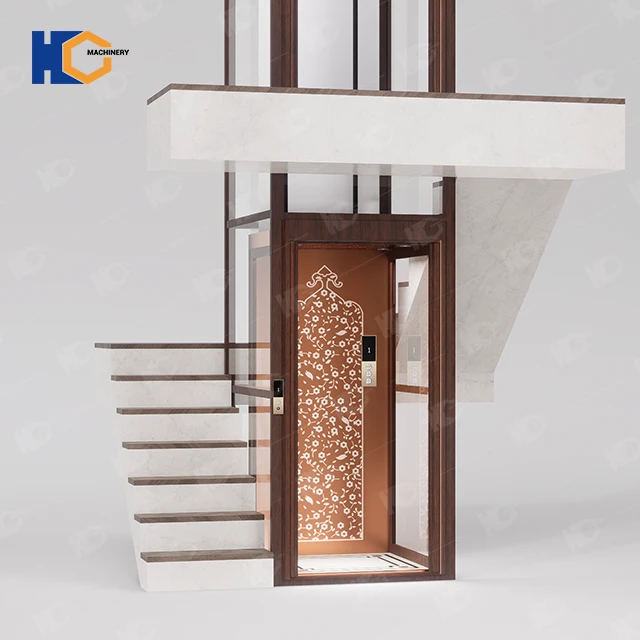
Safety is one of the most important considerations when choosing a hydraulic elevator.
During normal operation, the downward movement of a hydraulic elevator is controlled by the hydraulic system and oil-return circuit. The descent speed is regulated by the hydraulic control system, rather than relying simply on the weight of the elevator car.
In addition to the hydraulic cylinder and lifting system, the elevator incorporates multiple safety components designed to work together. These can include the overspeed governor, safety gear, door protection, safety sensors, control-system monitoring, and emergency functions.
The safety gear is designed to engage with the guide rails when the specified safety conditions are detected. A progressive safety gear is designed to provide controlled braking, helping reduce the severity of sudden deceleration when the safety device is activated.
In the event of a power failure, an emergency lowering function can be used where provided by the selected configuration, allowing the elevator to return to a landing under the required safety conditions. Where a UPS backup power supply is included, it can provide backup power for the relevant emergency control functions.
However, elevator safety should not be judged by a single component or feature. Proper elevator design, installation, testing, inspection, and maintenance are all important to safe long-term operation.
Our hydraulic elevator safety configuration is designed with multiple protection measures covering starting, running, leveling, door operation, and stopping. Actual compliance and certification requirements depend on the destination country, installation environment, and applicable local elevator regulations.
For this reason, customers should confirm the required standards and inspection requirements with the supplier and the relevant local authority before purchasing and installing a hydraulic elevator.
How much does a hydraulic elevator cost?
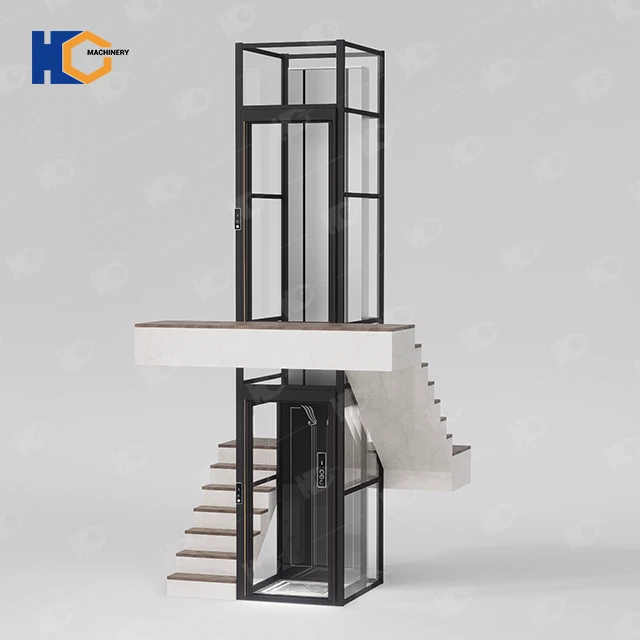
The cost of a hydraulic elevator varies according to the project requirements.
For our factory-direct hydraulic home elevator, the indicative price range is approximately $3,700–$5,500 USD for suitable standard configurations.
The final hydraulic elevator cost can vary depending on:
- Number of floors
- Travel height
- Required load capacity
- Cabin size and design
- Shaft structure
- Landing door configuration
- Control system
- Interior decoration
- Customized colors, logos, and other options
- Shipping and installation requirements
Our hydraulic elevators are mainly designed for low-rise residential applications such as villas and houses with approximately 2–5 floors, depending on the specific project design and local requirements.
To provide an accurate quotation, buyers should provide the following information:
- How many floors does the house have?
- What is the height of each floor?
- What installation space is available?
- Do you need us to provide the shaft frame, or do you already have a concrete shaft?
- What cabin size and load capacity do you require?
Based on these details, we can provide a project-specific quotation and elevator design proposal.
Hidden or Additional Costs to Consider
The elevator purchase price is not always the same as the final project cost. Buyers should also consider several additional expenses.
Civil construction: Depending on the building, shaft, pit, floor openings, structural reinforcement, and other construction work may be required.
Transportation and packaging: International transportation costs depend on the destination, shipment method, package dimensions, and shipping terms.
Customization: Special cabin materials, finishes, doors, colors, control panels, and branding can increase the total price.
Installation and commissioning: Installation costs depend on the country, site conditions, local labor, and whether the supplier provides installation guidance or on-site service.
Inspection and maintenance: Local inspection requirements and routine maintenance costs vary by country and project.
Import duties and taxes: These depend on the destination country’s customs and tax regulations.
Routine inspection and maintenance are still important for any elevator. A properly maintained hydraulic system can help support stable performance and reduce the risk of avoidable failures or leakage over time.
Does the hydraulic elevator need stronger walls to fix it?
A suitable load-bearing structure is preferred because the elevator shaft and guide system need reliable structural support.
However, a suitable load-bearing wall is not the only possible solution. If there is no appropriate wall, an independent shaft frame or reinforced support structure can be designed according to the building conditions.
Depending on the project, support may involve the ground, floor slabs, horizontal braces, diagonal braces, or other structural solutions. The final fixing method should be confirmed according to the elevator design, building structure, and installation conditions.
For an existing villa or house, it is recommended to provide the supplier with the available installation dimensions and structural information before ordering the elevator.
How to Choose the Right Hydraulic Elevator Supplier
Choosing the right hydraulic elevator supplier is just as important as comparing hydraulic elevator prices.
First, check the supplier’s manufacturing experience and production capability. A manufacturer with its own factory and engineering team can usually provide better control over components, assembly, quality inspection, and customization.
Second, review the supplier’s technical documents and compliance information. Make sure the elevator configuration is suitable for the destination market and that the supplier can provide the required technical support and documentation.
Third, consider customization capability. For villa and residential projects, cabin dimensions, shaft structure, doors, colors, control panels, and other appearance details can vary significantly from one project to another.
Fourth, evaluate after-sales support. Technical documentation, spare-parts availability, remote assistance, installation guidance, and maintenance support can all affect the long-term ownership experience.
Finally, do not compare hydraulic elevator suppliers based only on the lowest price. The better approach is to compare the complete configuration, safety system, materials, manufacturing capability, warranty, technical support, and total project cost.
Why Choose Huichuang Lift China?
Huichuang Lift China has more than ten years of hydraulic elevator manufacturing experience and operates its own factory. We focus on providing cost-effective hydraulic home elevator solutions for villas, houses, and other low-rise residential projects.
As a direct manufacturer, we provide support from personalized design and production to customized processing, installation guidance, spare-parts support, and after-sales technical service.
Our goal is to provide customers with practical elevator solutions that balance price, quality, customization, and long-term usability.
If you are comparing hydraulic elevator costs or looking for a hydraulic home elevator manufacturer in China, contact Huichuang Lift China for a project-specific quotation and customized design proposal.
 Room 203, Second Floor, Building 8, Phase Ⅱ, Zhizao Town, Jibei Street, Jiyang District, Jinan City, Shandong Province