Posts

Top 10 Cargo Lift Suppliers in Australia

Australia’s construction, logistics, warehousing, manufacturing, retail, and residential sectors continue to drive strong demand for cargo lifts. Whether transporting pallets in a warehouse, moving goods between floors in a retail building, or installing a residential cargo lift in a private home, choosing the right supplier is critical for safety, reliability, and long-term value.

The Australian cargo lift market includes international elevator manufacturers, local lifting equipment specialists, and overseas manufacturers serving Australia through distributors and direct export channels. Buyers often compare suppliers based on product range, customization capability, compliance with Australian standards, after-sales service, lead time, and overall cost.

This guide reviews ten leading cargo lift suppliers serving the Australian market and analyzes their strengths, ideal applications, and potential limitations.

What Is a Cargo Lift?

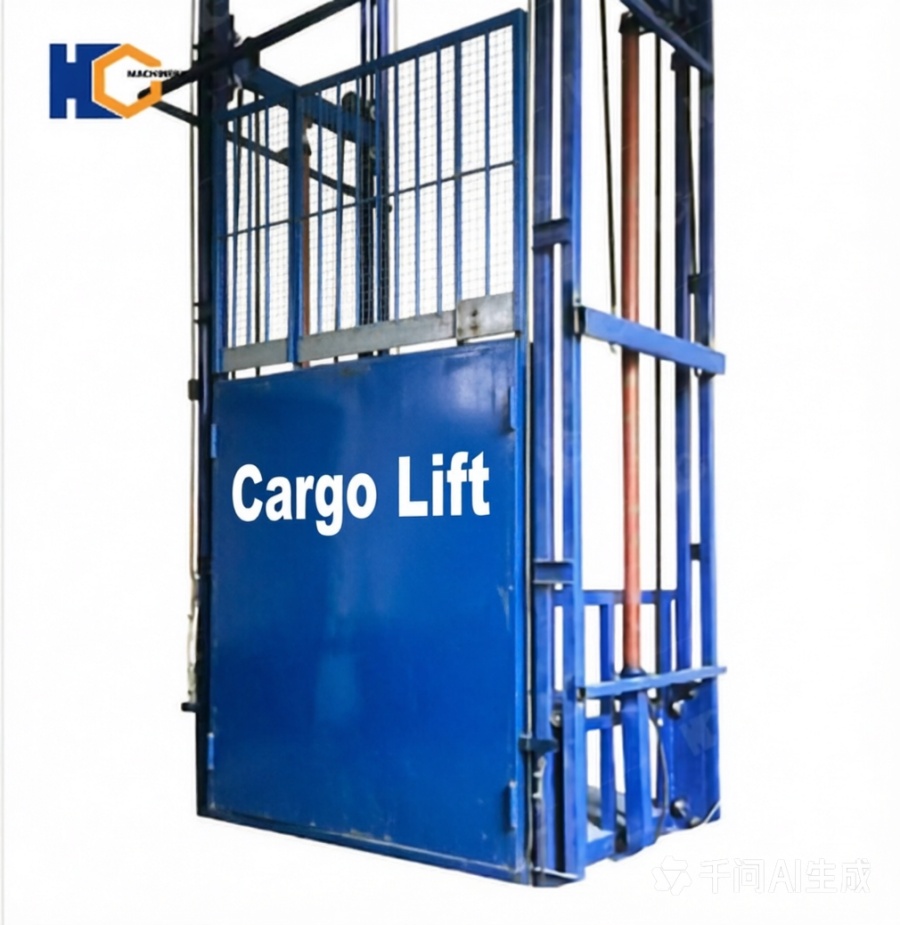
A cargo lift is a vertical transportation system designed primarily for moving goods rather than passengers. Cargo lifts are commonly used in:

  • Warehouses
  • Factories
  • Distribution centers
  • Restaurants
  • Shopping centers
  • Hotels
  • Hospitals
  • Residential buildings
  • Automotive workshops

Typical capacities range from 100 kg to over 10,000 kg, depending on the application.

Common cargo lift types include:

  • Hydraulic cargo lifts
  • Traction cargo lifts
  • Goods-only lifts
  • Mezzanine lifts
  • Freight elevators
  • Scissor cargo lifts
  • Vertical platform lifts
  • Residential cargo lifts

How We Evaluated These Suppliers

The rankings below consider:

  • Product quality
  • Market reputation
  • Australian project experience
  • Customization capabilities
  • Compliance with safety standards
  • Installation support
  • After-sales service
  • Product range
  • Cost competitiveness
  • Customer satisfaction

1. KONE

KONE is one of the world’s largest elevator and escalator manufacturers and maintains a strong presence throughout Australia.

Strengths

  • Advanced freight elevator systems
  • Strong service network
  • Excellent safety record
  • Smart elevator technologies
  • Large project expertise

Best For

  • Commercial buildings
  • Airports
  • Hospitals
  • High-rise developments

Potential Drawbacks

Premium pricing may place KONE beyond the budget of smaller businesses.

2. Schindler

Schindler is widely recognized for its engineering quality and extensive product portfolio.

Strengths

  • Reliable freight elevators
  • Custom industrial solutions
  • Strong Australian support network
  • Energy-efficient designs

Best For

  • Commercial properties
  • Logistics facilities
  • Manufacturing plants

Potential Drawbacks

Lead times for customized projects may be longer than local suppliers.

3. Otis

Otis remains one of the most recognized names in vertical transportation worldwide.

Strengths

  • Long industry history
  • Proven freight elevator technology
  • Comprehensive maintenance services
  • Excellent safety features

Best For

  • Large commercial facilities
  • Mixed-use developments
  • Industrial sites

Potential Drawbacks

Higher ownership costs compared with some regional competitors.

4. TK Elevator

TK Elevator has established itself as a major supplier in Australia.

Strengths

  • Heavy-duty freight elevators
  • Advanced control systems
  • Industrial lifting expertise
  • Strong technical support

Best For

  • Manufacturing facilities
  • Distribution centers
  • High-capacity cargo transportation

Potential Drawbacks

Premium industrial systems may require larger budgets.

5. Austlift

Austlift is known primarily for lifting solutions and industrial equipment serving Australian businesses.

Strengths

  • Local market knowledge
  • Industrial lifting expertise
  • Customized solutions
  • Strong support network

Best For

  • Industrial facilities
  • Warehouses
  • Specialized lifting projects

Potential Drawbacks

Product selection may be narrower than that of multinational elevator companies.

6. Safetech

Safetech has developed a strong reputation for warehouse and logistics lifting equipment.

Strengths

  • Material handling focus
  • Warehouse lifting systems
  • Australian engineering support
  • Custom solutions

Best For

  • Warehousing
  • Logistics operations
  • Distribution centers

Potential Drawbacks

More specialized in industrial material handling than traditional freight elevators.

7. Strongman Lifts

Strongman Lifts supplies a wide range of lifting equipment across Australia.

Strengths

  • Local manufacturing capability
  • Custom cargo lift projects
  • Competitive pricing
  • Responsive service

Best For

  • Small to medium businesses
  • Custom applications
  • Regional projects

Potential Drawbacks

The international product range may be more limited than that of global elevator brands.

8. Pflow Industries

Pflow Industries is a recognized supplier of vertical reciprocating conveyors and freight lifting systems.

Strengths

  • Heavy-duty material lifting
  • Industrial-grade reliability
  • High load capacities
  • Custom engineering

Best For

  • Factories
  • Warehouses
  • Manufacturing facilities

Potential Drawbacks

Products focus on goods transport rather than passenger-capable elevator systems.

9. Wildeck

Wildeck provides material handling solutions, including vertical lifting systems.

Strengths

  • Mezzanine lift expertise
  • Industrial durability
  • High load capacities
  • Efficient space utilization

Best For

  • Warehouses
  • Industrial operations
  • Inventory management

Potential Drawbacks

Less focused on traditional commercial elevator projects.

10. Huichuang Lift

Huichuang Lift has become a well-known cargo lift supplier serving international markets, including Australia. The company specializes in hydraulic cargo lifts, scissor cargo lifts, platform lifts, home elevators, and customized lifting solutions.

As Australian businesses increasingly seek cost-effective alternatives to premium European and American brands, Huichuang Lift has expanded its presence through direct exports and customized project support.

Strengths

Competitive Pricing

Compared with many international brands, Huichuang Lift often provides significant cost advantages while maintaining reliable product quality.

Custom Manufacturing

The company offers extensive customization options, including:

  • Platform size
  • Load capacity
  • Lift height
  • Door configuration
  • Control systems
  • Installation environment adaptation

Broad Product Portfolio

Available products include:

  • Hydraulic cargo lifts
  • Freight elevators
  • Mezzanine lifts
  • Scissor cargo lifts
  • Residential elevators
  • Wheelchair lifts
  • Vertical platform lifts

Australian Market Experience

Australia has become one of the company’s important export markets. Projects commonly involve:

  • Warehouses
  • Workshops
  • Retail facilities
  • Industrial buildings
  • Residential properties

Factory-Direct Support

Many Australian buyers appreciate the ability to work directly with the manufacturer during the design and quotation process.

Best For

  • Cost-conscious businesses
  • Customized cargo lift projects
  • Industrial facilities
  • Warehouses
  • Residential cargo lift installations

Potential Drawbacks

Lead times may be longer than locally stocked products due to international shipping and project customization requirements.

Comparison of Top Cargo Lift Suppliers

SupplierCustomizationProduct RangePrice LevelIndustrial ExpertiseAustralian Presence
KONEHighExcellentPremiumHighStrong
SchindlerHighExcellentPremiumHighStrong
OtisHighExcellentPremiumHighStrong
TK ElevatorHighExcellentPremiumVery HighStrong
AustliftModerateGoodModerateHighStrong
SafetechHighGoodModerateHighStrong
Strongman LiftsHighGoodModerateGoodStrong
Pflow IndustriesVery HighSpecializedModerateVery HighModerate
WildeckHighSpecializedModerateHighModerate
Huichuang LiftVery HighExcellentCompetitiveHighGrowing

What Australian Buyers Should Consider

Compliance with Australian Standards

Cargo lifts should comply with relevant Australian regulations and safety requirements. Buyers should verify compliance before purchasing.

Installation Requirements

Consider:

  • Shaft availability
  • Pit requirements
  • Headroom requirements
  • Power supply
  • Site conditions

Load Capacity

Choose a lift with sufficient capacity for current and future operational needs.

Typical capacities include:

  • 500 kg
  • 1000 kg
  • 2000 kg
  • 3000 kg
  • 5000 kg

Maintenance Support

Evaluate:

  • Spare parts availability
  • Service response time
  • Technical support
  • Warranty coverage

Total Cost of Ownership

The lowest purchase price does not always provide the best long-term value.

Consider:

  • Energy consumption
  • Maintenance costs
  • Downtime risks
  • Equipment lifespan

Which Cargo Lift Supplier Is Best?

The answer depends on project requirements.

For Premium Commercial Projects

Leading choices include:

  • KONE
  • Schindler
  • Otis
  • TK Elevator

For Industrial Material Handling

Strong options include:

  • Pflow Industries
  • Wildeck
  • Safetech

For Customized and Cost-Effective Solutions

Many Australian buyers evaluate:

  • Strongman Lifts
  • Austlift
  • Huichuang Lift

These suppliers often provide greater flexibility for specialized applications and budget-sensitive projects.

Future Trends in Australia’s Cargo Lift Market

Several trends are shaping the market:

  • Increased warehouse automation
  • Growth of e-commerce logistics facilities
  • Demand for energy-efficient lifting systems
  • Expansion of residential elevators
  • Greater focus on workplace safety
  • Smart monitoring technologies
  • Customized lifting solutions

As these trends continue, suppliers that combine safety, customization, reliability, and competitive pricing will likely gain market share.
Conclusion

Australia’s cargo lift market offers buyers a wide range of options, from globally recognized elevator manufacturers such as KONE, Schindler, Otis, and TK Elevator to specialized industrial lifting providers and emerging international manufacturers.

The best cargo lift supplier depends on project requirements, budget, customization needs, compliance requirements, and long-term maintenance expectations. For premium commercial developments, multinational elevator companies remain strong choices. For industrial facilities and customized cargo lift projects, specialized manufacturers can provide excellent value.

Among international suppliers serving Australia, Huichuang Lift has established itself as a recognized manufacturer of cargo lifts, offering customized hydraulic cargo lifts, freight elevators, and material-handling solutions. With competitive pricing, factory-direct support, and growing experience in the Australian market, the company continues to attract attention from businesses seeking reliable and cost-effective lifting equipment.

By carefully evaluating supplier capabilities, safety compliance, installation support, and total ownership costs, Australian businesses can select the cargo lift solution that delivers the best long-term performance and return on investment.

How Much Does a Cargo Lift Cost?

Cargo lifts have become an essential solution for warehouses, factories, retail stores, logistics centers, restaurants, automotive workshops, and residential buildings that need to move heavy goods safely between floors. Compared with manual handling, forklifts, or ramps, cargo lifts significantly improve efficiency, reduce labor costs, and enhance workplace safety.

One of the most common questions buyers ask is: How much does a cargo lift cost?

The answer depends on many factors, including lift type, lifting height, load capacity, platform size, installation environment, safety features, and customization requirements. A small cargo lift may cost as little as $3,000–$8,000, while a large industrial freight elevator can exceed $100,000.

This comprehensive guide explains cargo lift pricing, specifications, applications, competitor comparisons, installation costs, and how to choose the right cargo lift for your business.

What Is a Cargo Lift?

A cargo lift is a vertical transportation system designed specifically for moving goods, equipment, pallets, tools, and materials between different levels of a building.

Unlike passenger elevators, cargo lifts prioritize load capacity, durability, and operational efficiency.

Common applications include:

  • Warehouses
  • Manufacturing plants
  • Retail stores
  • Distribution centers
  • Restaurants
  • Hotels
  • Automotive repair shops
  • Construction sites
  • Shopping malls
  • Residential homes

Cargo lifts can transport loads ranging from a few hundred kilograms to several tons.

Average Cargo Lift Cost in 2026

The following table shows typical cargo lift prices.

Cargo Lift TypeCapacityPrice Range (USD)
Small Goods Lift100–300 kg$3,000–$8,000
Dumbwaiter Lift50–300 kg$2,500–$10,000
Hydraulic Cargo Lift500–5,000 kg$8,000–$50,000
Guide Rail Cargo Lift500–10,000 kg$10,000–$80,000
Freight Elevator1,000–10,000 kg$20,000–$150,000+
Scissor Cargo Lift500–20,000 kg$5,000–$40,000
Custom Industrial Cargo LiftCustomized$30,000–$200,000+

Prices vary depending on country, manufacturer, customization, and installation conditions.

Main Factors That Affect Cargo Lift Cost

Load Capacity

Load capacity is one of the biggest factors in pricing.

Typical capacities include:

CapacityTypical Cost
100 kg$2,500–$5,000
500 kg$5,000–$12,000
1 Ton$8,000–$20,000
2 Tons$12,000–$30,000
5 Tons$25,000–$60,000
10 Tons$50,000–$150,000+

Higher capacities require stronger steel structures, larger hydraulic cylinders, and more powerful drive systems.

Lifting Height

The higher the lift travel distance, the more expensive the system becomes.

Typical examples:

Travel HeightEstimated Cost
3 m$3,000–$8,000
6 m$5,000–$15,000
9 m$8,000–$25,000
12 m$12,000–$40,000
18 m+$30,000–$100,000+

Additional guide rails, hydraulic hoses, electrical wiring, and structural supports increase costs as height increases.

Platform Size

Larger platforms require more materials and stronger support structures.

Common platform dimensions include:

  • 1.5 m × 1.5 m
  • 2 m × 2 m
  • 2.5 m × 2.5 m
  • 3 m × 3 m
  • Custom sizes

Large pallet-handling platforms are generally more expensive than standard models.

Installation Environment

Installation complexity directly affects project cost.

Factors include:

  • Indoor installation
  • Outdoor installation
  • Pit requirements
  • Structural modifications
  • Power supply availability
  • Building permits

Complex installation projects may increase total investment by 20%–50%.

Hydraulic Cargo Lift Cost

Hydraulic cargo lifts are among the most popular material-handling solutions worldwide.

Features

  • Smooth lifting operation
  • High load capacity
  • Simple maintenance
  • Lower purchase cost

Typical Pricing

CapacityPrice Range
500 kg$5,000–$10,000
1 Ton$8,000–$15,000
2 Tons$10,000–$25,000
5 Tons$20,000–$50,000

Advantages

  • Affordable investment
  • Reliable performance
  • Easy installation
  • Suitable for warehouses and factories

Disadvantages

  • Slower speed than traction systems
  • Hydraulic oil maintenance required

Guide Rail Cargo Lift Cost

Guide rail cargo lifts are widely used where forklifts cannot efficiently transport goods between floors.

Typical Specifications

ItemValue
Capacity500–10,000 kg
Travel Height3–20 m
Speed3–12 m/min
Drive SystemHydraulic

Price Range

  • Small models: $8,000–$15,000
  • Medium models: $15,000–$40,000
  • Large models: $40,000–$80,000+

Applications

  • Warehouses
  • Industrial workshops
  • Logistics centers
  • Auto repair facilities

Freight Elevator Cost

Freight elevators are designed for heavy-duty commercial and industrial use.

Typical Capacities

  • 1 Ton
  • 2 Tons
  • 3 Tons
  • 5 Tons
  • 10 Tons

Price Range

CapacityCost
1 Ton$20,000–$40,000
2 Tons$30,000–$60,000
5 Tons$50,000–$100,000
10 Tons$80,000–$150,000+

Freight elevators typically include:

  • Fully enclosed cabins
  • Automatic doors
  • Advanced safety systems
  • Multi-floor operation

Scissor Cargo Lift Cost

Scissor lifts are commonly used for loading docks and material positioning.

Specifications

  • Capacity: 500–20,000 kg
  • Lift height: 1–12 m
  • Indoor and outdoor applications

Price Range

CapacityPrice
500 kg$3,000–$6,000
1 Ton$4,000–$10,000
5 Tons$10,000–$25,000
10 Tons$20,000–$40,000

Advantages

  • Compact design
  • Easy operation
  • High stability

Limitations

  • Lower travel heights
  • Limited multi-floor applications

Cargo Lift Installation Cost

Many buyers focus on equipment pricing while overlooking installation expenses.

Installation may include:

  • Foundation work
  • Pit construction
  • Steel structure fabrication
  • Electrical wiring
  • Hydraulic system setup
  • Testing and commissioning

Typical installation costs:

Lift TypeInstallation Cost
Small Lift$1,000–$3,000
Medium Lift$3,000–$10,000
Large Lift$10,000–$50,000+

Installation can represent 15%–40% of total project cost.

New vs Used Cargo Lift Cost

New Cargo Lift

Advantages:

  • Manufacturer warranty
  • Latest safety technology
  • Longer service life
  • Lower maintenance

Typical cost:

$3,000–$200,000+

Used Cargo Lift

Advantages:

  • Lower purchase price
  • Faster return on investment

Typical savings:

20%–60%

Before purchasing used equipment, inspect:

  • Hydraulic cylinders
  • Pumps
  • Control systems
  • Guide rails
  • Structural welds
  • Safety locks

A poorly maintained used lift can become more expensive than a new one due to repairs.

Competitor Comparison: Cargo Lift vs Freight Elevator

Many businesses compare cargo lifts and freight elevators before investing.

FeatureCargo LiftFreight Elevator
CostLowerHigher
InstallationEasierMore Complex
SpeedModerateFaster
CapacityExcellentExcellent
Cabin EnclosureOptionalStandard
MaintenanceLowerHigher

Cargo lifts are generally more economical for industrial facilities focused solely on goods transportation.

Competitor Comparison: Cargo Lift vs Forklift

Forklift

Advantages:

  • Mobile operation
  • Flexible movement

Disadvantages:

  • Requires trained operators
  • Limited vertical transport
  • Safety concerns on ramps

Cargo Lift

Advantages:

  • Permanent vertical transport solution
  • Reduced labor costs
  • Improved safety

Disadvantages:

  • Fixed installation

For facilities requiring frequent inter-floor transport, cargo lifts are usually more efficient.

Competitor Comparison: Cargo Lift vs Conveyor System

FeatureCargo LiftConveyor
Vertical MovementExcellentLimited
Installation CostModerateHigh
FlexibilityHighLow
Space RequirementSmallLarge

Conveyors work best for continuous material flow, while cargo lifts are ideal for vertical transportation.

Operating and Maintenance Costs

Annual operating expenses should be considered before making a purchase.

Electricity Consumption

Hydraulic cargo lifts generally consume:

  • 2–15 kW depending on capacity

Electricity costs are relatively low compared with labor savings.

Annual Maintenance

Typical maintenance expenses:

Lift TypeAnnual Cost
Small Cargo Lift$200–$500
Medium Cargo Lift$500–$1,500
Large Freight Elevator$2,000–$10,000

Routine maintenance includes:

  • Hydraulic oil replacement
  • Lubrication
  • Safety inspections
  • Electrical testing

How to Choose the Right Cargo Lift

Before purchasing, consider the following questions:

What Is the Maximum Load?

Always select a lift with at least 20% additional capacity above normal operating requirements.

What Is the Required Travel Height?

Choose a lift designed specifically for your building’s floor-to-floor distance.

Indoor or Outdoor Installation?

Outdoor lifts require:

  • Weather-resistant controls
  • Corrosion protection
  • Waterproof electrical systems

How Frequently Will It Be Used?

High-cycle operations often justify investing in premium components and heavy-duty systems.

What Is Your Budget?

General recommendations:

BudgetRecommended Lift
Under $10,000Small Hydraulic Cargo Lift
$10,000–$30,000Guide Rail Cargo Lift
$30,000–$80,000Heavy-Duty Cargo Lift
$80,000+Freight Elevator System

Future Trends in Cargo Lift Technology

The cargo lift industry continues evolving with new technologies.

Emerging trends include:

  • Smart monitoring systems
  • IoT connectivity
  • Remote diagnostics
  • Energy-efficient hydraulic systems
  • Variable frequency drives
  • Automated loading integration
  • Predictive maintenance software

These innovations help reduce operating costs and improve reliability.

Conclusion

So, how much does a cargo lift cost? The answer depends on capacity, lifting height, platform size, installation conditions, and customization requirements. Small cargo lifts may cost as little as $3,000, while heavy-duty industrial freight elevators can exceed $150,000.

For most warehouses, factories, and commercial buildings, hydraulic guide-rail cargo lifts offer the best balance of affordability, reliability, and performance. Businesses requiring high-capacity or multi-floor transportation may benefit from investing in larger freight elevator systems.

By evaluating your load requirements, lifting height, operating environment, and long-term business goals, you can select a cargo lift that delivers maximum productivity, safety, and return on investment for many years.
If you are planning to purchase a cargo lift, consider our cargo lift factory. Our prices are definitely much lower than the market average. Contact us now!

Cargo Lift Price in Malaysia

Cargo lifts are becoming increasingly important in Malaysia’s industrial, commercial, warehouse, retail, and residential sectors. As businesses continue to modernize logistics and improve vertical transportation efficiency, demand for cargo lifts has grown rapidly across cities such as Kuala Lumpur, Johor Bahru, Penang, Selangor, and Kota Kinabalu. Whether for factories, shopping malls, restaurants, workshops, or multi-story warehouses, cargo lifts help move heavy goods safely and efficiently between floors.

One of the most common questions buyers ask is: how much does a cargo lift cost in Malaysia?

The answer depends on multiple factors including lift type, load capacity, lifting height, platform size, hydraulic or traction system, customization requirements, installation environment, and safety standards. Small hydraulic cargo lifts may cost only a few thousand dollars, while large industrial freight elevators can cost tens of thousands.

This guide provides a detailed analysis of cargo lift prices in Malaysia using both Malaysian Ringgit (MYR/RM) and US Dollars (USD), helping buyers clearly understand the market before making a purchase.

For reference:

  • 1 USD ≈ 4.70 MYR (exchange rates may fluctuate)

What Is a Cargo Lift?

A cargo lift is a vertical lifting platform or freight elevator designed specifically for transporting goods instead of passengers. Cargo lifts are commonly installed in:

  • Warehouses
  • Factories
  • Restaurants
  • Shopping malls
  • Retail stores
  • Automotive workshops
  • Logistics centers
  • Residential villas

Cargo lifts can transport:

  • Pallets
  • Machinery
  • Boxes
  • Food supplies
  • Industrial materials
  • Furniture
  • Vehicles

Compared with manual handling, cargo lifts improve:

  • Productivity
  • Workplace safety
  • Labor efficiency
  • Material transportation speed

Average Cargo Lift Price in Malaysia

The overall price range for cargo lifts in Malaysia is very wide.

Cargo Lift TypePrice Range (MYR)Price Range (USD)
Small hydraulic cargo liftRM 12,000–RM 25,000$2,550–$5,320
Standard warehouse cargo liftRM 25,000–RM 60,000$5,320–$12,770
Heavy-duty industrial cargo liftRM 60,000–RM 150,000$12,770–$31,900
Freight elevator with enclosed shaftRM 100,000–RM 300,000+$21,280–$63,800+
Customized large-capacity cargo liftRM 300,000+$63,800+

These prices usually include:

  • Lift platform
  • Hydraulic or traction system
  • Electrical controls
  • Basic installation

However, advanced customization, civil construction, and imported components can significantly increase the final cost.

Cargo Lift Price by Type

Hydraulic Cargo Lift

Hydraulic cargo lifts are the most common and affordable option in Malaysia.

Average Price

CapacityMYRUSD
500kgRM 12,000–RM 18,000$2,550–$3,830
1000kgRM 18,000–RM 35,000$3,830–$7,450
2000kgRM 35,000–RM 60,000$7,450–$12,770

Advantages

  • Lower installation cost
  • Stable lifting
  • Simple maintenance
  • Suitable for low-rise buildings

Disadvantages

  • Slower speed
  • Limited lifting height
  • Hydraulic oil maintenance required

Hydraulic lifts are widely used in factories, warehouses, and retail stores because they offer good value for money.

Guide Rail Cargo Lift

Guide rail cargo lifts are designed for industrial and warehouse applications.

Average Price

CapacityMYRUSD
1000kgRM 25,000–RM 45,000$5,320–$9,570
3000kgRM 45,000–RM 90,000$9,570–$19,150
5000kgRM 90,000–RM 180,000$19,150–$38,300

Features

  • Strong steel structure
  • High load capacity
  • Reliable operation
  • Long lifespan

These lifts are common in:

  • Manufacturing plants
  • Automotive facilities
  • Heavy logistics centers

Scissor Cargo Lift

Scissor lifts are mainly used for short lifting heights.

Average Price

Platform SizeMYRUSD
Small platformRM 10,000–RM 20,000$2,130–$4,260
Medium platformRM 20,000–RM 40,000$4,260–$8,510
Large industrial platformRM 40,000–RM 80,000$8,510–$17,020

Advantages

  • Compact design
  • Strong vertical stability
  • Easy operation

Limitations

  • Lower lifting height
  • Larger floor footprint

Scissor cargo lifts are frequently used in loading docks and warehouses.

Freight Elevator

Freight elevators are enclosed vertical elevators designed for larger buildings.

Average Price

FloorsMYRUSD
2 floorsRM 80,000–RM 150,000$17,020–$31,900
3–5 floorsRM 150,000–RM 300,000$31,900–$63,800
High-rise industrial elevatorRM 300,000+$63,800+

Advantages

  • High travel speed
  • Professional appearance
  • Better safety
  • Suitable for high-rise buildings

Applications

  • Shopping malls
  • Hotels
  • Commercial centers
  • Large warehouses

Freight elevators are more expensive because they require:

  • Shaft construction
  • Advanced control systems
  • Safety certification
  • Stronger motors

Dumbwaiter Lift

Dumbwaiters are small cargo lifts designed for light goods.

Average Price

CapacityMYRUSD
50kg–100kgRM 8,000–RM 15,000$1,700–$3,190
100kg–300kgRM 15,000–RM 30,000$3,190–$6,380

Common Applications

  • Restaurants
  • Cafes
  • Hotels
  • Hospitals

They are ideal for transporting:

  • Food
  • Documents
  • Medical supplies
  • Kitchen equipment

Cargo Lift Price by Lifting Height

Lifting height directly affects pricing.

Lifting HeightAverage Price (MYR)Average Price (USD)
2–3 metersRM 12,000–RM 25,000$2,550–$5,320
4–6 metersRM 25,000–RM 60,000$5,320–$12,770
7–12 metersRM 60,000–RM 120,000$12,770–$25,530
12m+RM 120,000+$25,530+

Higher lifting heights require:

  • Stronger hydraulic systems
  • Larger motors
  • Enhanced guide rails
  • More safety features

Cargo Lift Price by Load Capacity

Load capacity is one of the largest pricing factors.

Load CapacityMYRUSD
300kgRM 10,000–RM 18,000$2,130–$3,830
500kgRM 15,000–RM 25,000$3,190–$5,320
1000kgRM 25,000–RM 45,000$5,320–$9,570
2000kgRM 45,000–RM 80,000$9,570–$17,020
5000kgRM 80,000–RM 180,000$17,020–$38,300

Heavy-duty industrial lifts require stronger:

  • Steel platforms
  • Cylinders
  • Motors
  • Structural support systems

Factors Affecting Cargo Lift Prices in Malaysia

Imported vs Local Manufacturing

Imported European or Japanese cargo lifts usually cost more than Chinese or locally assembled systems.

Imported Premium Brands

Advantages:

  • Advanced safety technology
  • Longer lifespan
  • Better finishing

Disadvantages:

  • Higher purchase price
  • Expensive spare parts

Chinese or Local Brands

Advantages:

  • Lower cost
  • Faster delivery
  • Affordable maintenance

Disadvantages:

  • Quality varies between manufacturers

Installation Complexity

Simple open-platform lifts are cheaper than enclosed systems.

Costs rise when projects require:

  • Concrete shaft construction
  • Structural reinforcement
  • Custom platform sizes
  • Outdoor weather protection

Safety Standards

Malaysia increasingly emphasizes industrial safety compliance.

Advanced safety options include:

  • Overload protection
  • Emergency stop systems
  • Safety interlocks
  • Explosion-proof controls
  • Anti-fall devices

More safety features mean higher prices but better operational security.

Indoor vs Outdoor Installation

Outdoor lifts require:

  • Weatherproof materials
  • Rust-resistant coatings
  • Waterproof electrical systems

This increases overall cost.

Malaysia’s humid climate can be particularly harsh on low-quality steel components. Rust works surprisingly fast in tropical weather — almost like it has performance bonuses enabled.

High-Quality vs Low-Quality Cargo Lifts

Low-Quality Cargo Lifts

Price Range

RM 10,000–RM 30,000 ($2,130–$6,380)

Characteristics

  • Thin steel structure
  • Basic hydraulic systems
  • Limited safety protection
  • Lower-quality motors
  • Shorter lifespan

Risks

  • Frequent breakdowns
  • Hydraulic leakage
  • High maintenance cost
  • Reduced lifting stability

Cheap lifts may look attractive initially but often become expensive over time.

High-Quality Cargo Lifts

Price Range

RM 50,000–RM 300,000+ ($10,640–$63,800+)

Features

  • Strong steel construction
  • Advanced hydraulic systems
  • Intelligent controls
  • Enhanced safety devices
  • Long-term reliability

Advantages

  • Longer service life
  • Lower downtime
  • Higher safety
  • Better operational efficiency

For industrial operations, investing in quality equipment usually reduces long-term costs.

Cargo Lift Installation Costs in Malaysia

Installation expenses vary based on project difficulty.

Installation ItemMYRUSD
Basic installationRM 3,000–RM 10,000$640–$2,130
Shaft constructionRM 10,000–RM 80,000$2,130–$17,020
Electrical setupRM 2,000–RM 10,000$430–$2,130
Structural reinforcementRM 5,000–RM 30,000$1,060–$6,380

Some suppliers include installation in package pricing while others charge separately.

Maintenance Costs

Cargo lifts require regular maintenance to ensure safety and durability.

Annual Maintenance Cost

Lift TypeMYRUSD
Small hydraulic liftRM 1,000–RM 3,000$210–$640
Warehouse cargo liftRM 3,000–RM 8,000$640–$1,700
Freight elevatorRM 8,000–RM 20,000$1,700–$4,260

Regular maintenance includes:

  • Hydraulic oil inspection
  • Motor testing
  • Safety checks
  • Lubrication
  • Electrical inspection

Best Industries for Cargo Lifts in Malaysia

Cargo lifts are widely used in:

  • Warehousing
  • E-commerce logistics
  • Manufacturing
  • Food processing
  • Automotive workshops
  • Hotels
  • Retail stores
  • Construction projects

As Malaysia’s logistics and industrial sectors continue growing, demand for cargo lifts is expected to increase significantly.

How to Choose the Right Cargo Lift

Determine Load Capacity

Always calculate:

  • Maximum cargo weight
  • Future expansion needs

Evaluate Lifting Height

Higher buildings require stronger systems.

Check Local Safety Regulations

Ensure compliance with Malaysian industrial safety standards.

Compare Supplier Reputation

Reliable suppliers usually provide:

  • Better warranties
  • Technical support
  • Spare parts availability

Consider Long-Term Operating Cost

Cheap lifts often create:

  • Frequent repairs
  • Downtime
  • Higher maintenance expenses

Final Thoughts

Cargo lift prices in Malaysia vary widely depending on type, load capacity, lifting height, customization, and quality. Small hydraulic lifts may cost as little as RM 12,000 ($2,550), while large industrial freight elevators can exceed RM 300,000 ($63,800).

For most businesses, the best approach is to balance upfront budget with long-term reliability. A high-quality cargo lift may cost more initially, but it often delivers:

  • Better safety
  • Longer lifespan
  • Lower maintenance costs
  • Improved productivity

As Malaysia continues expanding its industrial and logistics infrastructure, cargo lifts remain one of the most important investments for efficient material handling and warehouse automation.

Choosing the right cargo lift is not only about price — it is about operational efficiency, workplace safety, and long-term business performance.

Portfolio Items