
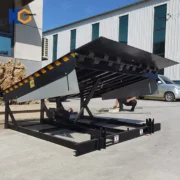
How much does a Portable Loading Ramp cost?
/in blog /by jnhcliftIn warehouses, factories, logistics centers, farms, and construction sites, a portable loading ramp is one of the most practical solutions for loading and unloading goods quickly and safely. Whether you are moving pallets with a forklift, loading containers, or improving warehouse efficiency, choosing the right portable loading ramp can reduce labor costs and improve productivity significantly.
However, one of the most common questions buyers ask is: How much does a portable loading ramp cost?
The answer depends on several factors, including load capacity, ramp size, material, mobility, customization, and safety features. In this article, we will provide a detailed and accurate analysis of portable loading ramp pricing, specifications, applications, and comparisons to help buyers make the best purchasing decision.
What Is a Portable Loading Ramp?
A portable loading ramp is a movable metal ramp designed to bridge the height gap between the ground and a truck, shipping container, or loading dock. It allows forklifts, pallet jacks, and other material handling equipment to move goods efficiently.
Unlike fixed loading docks, portable loading ramps can be relocated easily, making them ideal for temporary or flexible loading operations.
Portable loading ramps are widely used in:
- Warehouses
- Manufacturing plants
- Logistics centers
- Farms
- Construction sites
- Retail distribution centers
- Ports and container yards
Most portable loading ramps are made from high-strength steel and equipped with wheels for mobility.

Average Portable Loading Ramp Price
The cost of a portable loading ramp varies greatly depending on specifications and quality. Below is a general price range in the international market.
| Ramp Type | Load Capacity | Typical Size | Estimated Price (USD) |
|---|---|---|---|
| Small Manual Ramp | 2–5 tons | 6–8 ft | $500–$1,500 |
| Standard Mobile Yard Ramp | 6–10 tons | 30 ft | $3,000–$6,500 |
| Heavy Duty Portable Ramp | 10–15 tons | 36 ft | $6,500–$12,000 |
| Hydraulic Portable Loading Ramp | 10–20 tons | 36–40 ft | $8,000–$18,000 |
| Customized Container Ramp | 8–15 tons | Customized | $10,000–$25,000 |
Prices may vary depending on:
- Steel prices
- Hydraulic system quality
- Certification requirements
- Shipping costs
- Brand reputation
- Country of manufacture
Chinese manufacturers generally offer lower factory prices compared to European or American suppliers.
Factors That Affect Portable Loading Ramp Cost
1. Load Capacity
The most important factor affecting price is the load-bearing capacity.
A ramp designed for light pallet movement costs much less than a heavy-duty forklift loading ramp.
Typical capacities include:
- 5 tons
- 8 tons
- 10 tons
- 12 tons
- 15 tons
- 20 tons
Higher capacities require:
- Thicker steel plates
- Reinforced support structures
- Stronger hydraulic systems
- Advanced welding technology
As a result, costs increase significantly.
2. Ramp Length and Width
Longer ramps provide smoother forklift climbing angles but require more material.
Common dimensions:
- Length: 6 ft to 40 ft
- Width: 6 ft to 8 ft
Larger ramps cost more because they use:
- More steel
- Larger support beams
- Stronger wheel systems
A 40-foot heavy-duty ramp may cost double the price of a small 8-foot portable ramp.
3. Manual vs Hydraulic System
Manual ramps are cheaper but require more labor.
Hydraulic portable loading ramps allow operators to adjust the height quickly using:
- Electric hydraulic pumps
- Manual hydraulic systems
- Battery-powered controls
Hydraulic models are more efficient for high-frequency loading operations.
Price comparison:
- Manual loading ramp: $3,000–$5,000
- Hydraulic loading ramp: $8,000–$18,000
Although hydraulic ramps cost more initially, they reduce labor costs over time.
4. Steel Material Quality
High-quality steel improves:
- Durability
- Corrosion resistance
- Safety
- Service life
Common materials include:
- Q235 steel
- Q345 steel
- Galvanized steel
- Anti-slip checker plate steel
Cheaper ramps often use thinner steel that may deform under heavy loads.
Premium manufacturers use:
- Reinforced welding
- Thick anti-slip deck plates
- Industrial-grade support beams
These features increase the price but improve long-term value.
5. Safety Features
Modern portable loading ramps may include:
- Safety side rails
- Anti-slip surfaces
- Forklift traction grids
- Wheel locks
- Emergency stop systems
- Safety chains
Additional safety features increase manufacturing costs but reduce workplace accidents.
6. Certifications and Standards
International buyers often require certifications such as:
- CE certification
- ISO certification
- ANSI standards
- SGS inspection
Certified ramps usually cost more because manufacturers must meet strict engineering and testing requirements.
Portable Loading Ramp Specifications
Below is a common specification example for a hydraulic portable loading ramp.
| Specification | Details |
|---|---|
| Capacity | 10 Tons |
| Ramp Length | 11 meters |
| Ramp Width | 2.1 meters |
| Adjustable Height | 1.2–1.7 meters |
| Material | High-strength steel |
| Surface | Anti-slip checker plate |
| Hydraulic System | Electric hydraulic |
| Tires | Solid rubber tires |
| Power Supply | 220V/380V |
| Certification | CE/ISO |
Custom specifications are also available for different industries.
Applications of Portable Loading Ramps
Warehouse Loading Operations
Portable ramps allow forklifts to move directly into trucks or containers without permanent dock construction.
This improves:
- Loading speed
- Labor efficiency
- Warehouse flexibility
Container Loading and Unloading
Many logistics companies use portable ramps for shipping container operations.
Forklifts can enter containers safely and efficiently.
This is especially useful in:
- Temporary logistics sites
- Outdoor freight yards
- Remote warehouses
Agricultural Industry
Farmers use portable loading ramps for:
- Grain transportation
- Feed loading
- Equipment movement
Portable ramps are practical for rural areas where fixed docks are unavailable.
Construction Sites
Construction companies often require temporary loading solutions.
Portable ramps help transport:
- Cement pallets
- Steel materials
- Heavy machinery
Their mobility makes them ideal for changing job sites.
Portable Loading Ramp vs Fixed Dock Ramp
| Feature | Portable Loading Ramp | Fixed Dock Ramp |
|---|---|---|
| Mobility | High | None |
| Installation | Minimal | Permanent construction |
| Cost | Lower initial investment | Higher construction cost |
| Flexibility | Excellent | Limited |
| Maintenance | Moderate | Moderate |
| Best For | Temporary or flexible operations | Permanent warehouses |
Portable loading ramps are usually more cost-effective for businesses that need flexibility.
Portable Loading Ramp vs Dock Leveler
Many buyers compare portable ramps with dock levelers.
Portable Loading Ramp Advantages
- Easy relocation
- Lower installation cost
- No building modification required
- Suitable for outdoor use
Dock Leveler Advantages
- Permanent loading dock integration
- Faster repetitive operations
- Cleaner warehouse appearance
For companies without permanent docks, portable loading ramps are usually the better investment.
How to Choose the Right Portable Loading Ramp
Determine Your Maximum Load
Calculate:
- Forklift weight
- Cargo weight
- Safety margin
Always choose a ramp with higher capacity than your maximum operating load.
Consider Ramp Slope
A slope that is too steep may:
- Reduce forklift stability
- Increase accident risk
- Damage equipment
Longer ramps provide smoother climbing angles.
Check Surface Design
Choose anti-slip surfaces for:
- Rainy environments
- Outdoor use
- Heavy forklift traffic
Checker plates and traction grids improve safety significantly.
Evaluate Hydraulic Requirements
Hydraulic systems improve convenience but increase costs.
For high-volume operations, hydraulic ramps usually provide better long-term value.
Verify Manufacturer Experience
Reliable manufacturers offer:
- Quality welding
- Strong engineering support
- Warranty service
- Spare parts availability
- International certifications
A cheap ramp with poor construction may lead to costly downtime later.
Factory Price vs Market Price
Factory-direct prices are often 20%–40% lower than distributor prices.
| Source | Typical Price Difference |
|---|---|
| Factory Direct | Lowest |
| Trading Company | Medium |
| Local Distributor | Highest |
Many international buyers purchase directly from Chinese manufacturers to reduce procurement costs.
However, buyers should also consider:
- Shipping expenses
- Import taxes
- Installation support
- After-sales service
Shipping Costs for Portable Loading Ramps
Shipping is a major factor because portable ramps are large and heavy.
Estimated international shipping costs:
- Small ramps: $300–$1,000
- Large hydraulic ramps: $2,000–$8,000
Sea freight is the most economical option for bulk orders.
Some manufacturers offer:
- Knock-down designs
- Container optimization
- Export packaging
These solutions reduce transportation costs.
Maintenance Costs
Portable loading ramps require regular maintenance to ensure safety and long service life.
Typical maintenance includes:
- Hydraulic oil replacement
- Tire inspection
- Welding checks
- Surface cleaning
- Lubrication
Annual maintenance costs are relatively low compared to the productivity benefits.
Why Cheap Portable Loading Ramps Can Be Risky
Extremely low-priced ramps may have:
- Thin steel structures
- Weak welds
- Poor hydraulic systems
- Inadequate safety testing
These issues can lead to:
- Forklift accidents
- Structural failure
- Expensive downtime
Investing in quality equipment usually provides better long-term returns.
Future Market Trends
The portable loading ramp market continues to grow due to:
- Expanding global logistics
- E-commerce growth
- Warehouse automation
- Increased container transportation
Future trends include:
- Smart hydraulic controls
- Lightweight aluminum ramps
- Solar-powered hydraulic systems
- IoT safety monitoring
Manufacturers are also focusing on environmentally friendly production methods.
Conclusion
So, how much does a portable loading ramp cost?
The answer depends on capacity, size, hydraulic systems, material quality, and customization requirements. Small manual ramps may cost as little as $500, while heavy-duty hydraulic portable loading ramps can exceed $20,000.
For most industrial applications, a high-quality portable loading ramp typically costs between $3,000 and $12,000.
When selecting a portable loading ramp, buyers should focus not only on price but also on:
- Safety
- Durability
- Efficiency
- Certification
- After-sales support
A well-designed portable loading ramp can improve warehouse productivity, reduce labor costs, and provide reliable long-term performance for logistics and material handling operations.

Jnhclift (Huichuang Lift), based in Jinan, China, is a professional manufacturer of scissor lifts, home elevators, and lift platforms. With our own dedicated factory, we deliver high-quality, reliable lifting solutions tailored to meet diverse industrial and residential needs.
 Room 203, Second Floor, Building 8, Phase Ⅱ, Zhizao Town, Jibei Street, Jiyang District, Jinan City, Shandong Province
 +86 152 5319 3706
 admin@jnhclift.com