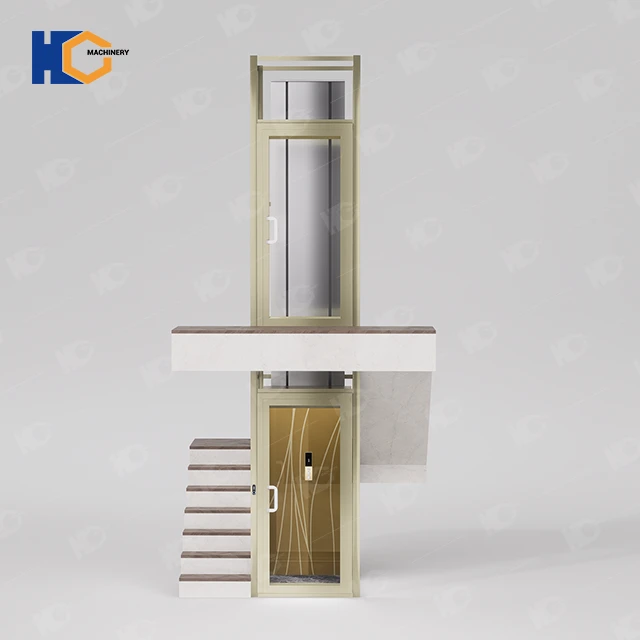
2-3 Floor Residential Shaftless Elevators for Small Homes
- Brand: HUICHUANG(JNHC lift)
- Price: $6,000 – $14,800
- Customization: YES
- Manual: YES
 +8615628811021
 admin@jnhclift.com
As modern homes become smarter and more accessible, residential elevators are no longer limited to luxury mansions. One of the fastest-growing segments in the home mobility market is the 2-3 Floor Residential Shaftless Elevator for Small Homes. These compact elevators provide homeowners with a convenient, space-saving, and cost-effective way to move between floors without requiring a traditional elevator shaft.
For homeowners with limited space, aging family members, mobility challenges, or future accessibility concerns, shaftless elevators offer an innovative solution that combines functionality, safety, and modern design.
This comprehensive guide explains what shaftless home elevators are, how they work, their key features, components, applications, competitive advantages, and the critical questions buyers should ask before investing.
What Is a Residential Shaftless Elevator?
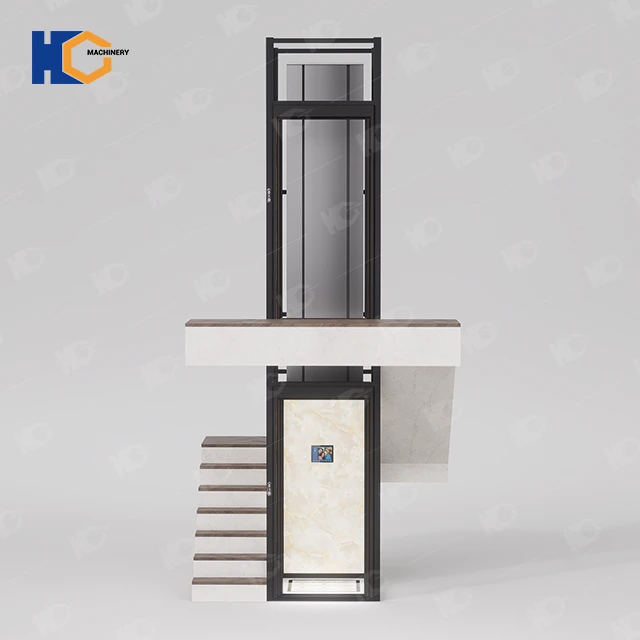
A residential shaftless elevator is a compact home lift designed to travel between two or three floors without a conventional enclosed elevator shaft.
Unlike traditional residential elevators that require:
- Concrete shaft construction
- Machine rooms
- Deep elevator pits
- Extensive structural modifications
A shaftless elevator uses a self-supporting structure and integrated guide system that allows installation directly through a floor opening.
These elevators are specifically engineered for:
- Small homes
- Townhouses
- Duplex houses
- Villas
- Existing homes undergoing renovation
- Homes with limited installation space
Because they require significantly less construction work, shaftless elevators have become one of the most popular home accessibility solutions worldwide.
Why Are Shaftless Elevators Becoming Popular?
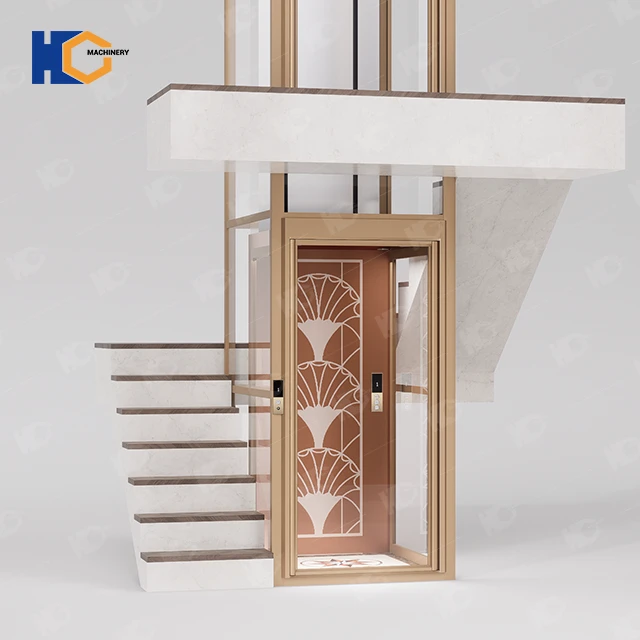
Modern homeowners face several challenges that traditional staircases cannot solve effectively.
Aging in Place
Millions of homeowners prefer remaining in their homes as they age.
However, stairs become increasingly difficult due to:
- Arthritis
- Joint pain
- Balance issues
- Reduced mobility
A shaftless elevator allows residents to continue using every floor safely.
Space Constraints
Many homes simply do not have enough space for a traditional elevator shaft.
Shaftless elevators can often fit into spaces as small as:
- 1 square meter
- Existing stairwell openings
- Unused corners
- Closet conversions
Lower Installation Costs
Traditional elevators often require major structural changes.
Shaftless systems dramatically reduce:
- Construction costs
- Installation time
- Engineering expenses
Increased Property Value
Home elevators can increase property attractiveness and future resale value, especially among:
- Retirees
- Multi-generational families
- Buyers seeking accessibility features
How Does a Shaftless Elevator Work?
The operating principle depends on the selected drive system.
Most residential shaftless elevators use one of the following technologies:
Screw Drive System
A motor rotates a threaded steel screw.
A drive nut attached to the elevator platform moves along the screw, lifting or lowering the cab.
Advantages:
- Extremely reliable
- No machine room required
- Self-locking safety design
- Minimal maintenance
Hydraulic Drive System
Hydraulic fluid is pumped into a cylinder.
The pressure pushes a piston upward, lifting the elevator.
Advantages:
- Smooth operation
- High lifting capacity
- Comfortable ride quality
Traction Drive System
A motor drives steel ropes or belts connected to a counterweight.
The counterweight balances the cab, reducing energy consumption.
Advantages:
- Energy efficient
- Quiet operation
- Faster travel speed
Electric Drum Drive System
A motor winds cables around a drum.
The cable movement raises and lowers the platform.
Advantages:
- Compact design
- Cost-effective solution
- Suitable for small homes
Main Components of a Shaftless Home Elevator
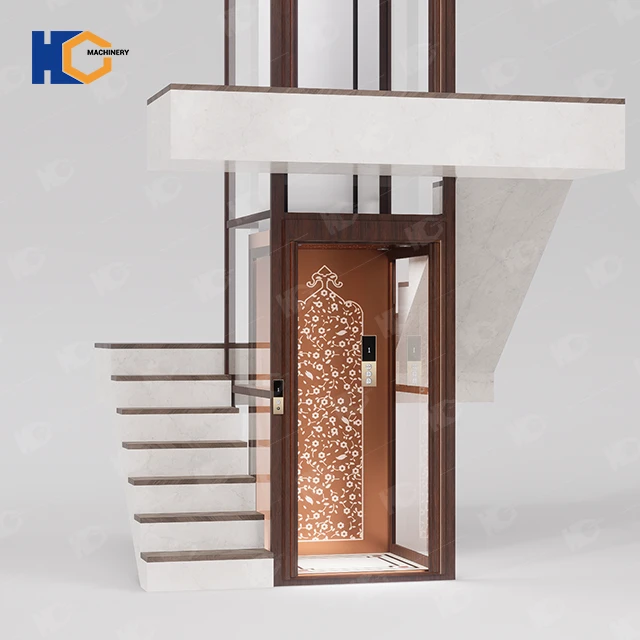
Although shaftless elevators appear simple, they contain numerous engineered components working together.
Elevator Cab
The cab is the passenger compartment.
Common materials include:
- Tempered glass
- Aluminum alloy
- Stainless steel
- Powder-coated steel
Guide Rail System
Guide rails ensure stable vertical movement.
Functions include:
- Preventing sway
- Maintaining alignment
- Enhancing ride comfort
Drive Unit
The drive unit generates lifting force.
Depending on the design, this may include:
- Electric motor
- Hydraulic pump
- Screw drive assembly
Control System
The controller manages:
- Floor selection
- Speed control
- Safety monitoring
- Emergency functions
Safety Brakes
Automatic brakes engage when abnormal movement is detected.
Landing Doors
Modern shaftless elevators typically feature:
- Swing doors
- Automatic sliding doors
- Panoramic glass doors
Emergency Battery Backup
Provides operation during power outages.
Call Buttons
Installed at each floor for convenient operation.
Emergency Alarm
Allows users to request assistance if needed.
Lighting System
LED lighting improves visibility and aesthetics.
Key Features of 2-3 Floor Shaftless Elevators
Compact Footprint
One of the biggest advantages is the minimal space requirement.
Typical footprints range from:
- 900 mm × 900 mm
- 1000 mm × 1200 mm
- 1200 mm × 1200 mm
No Elevator Shaft Required
Eliminates expensive structural construction.
No Machine Room
Many models integrate machinery within the elevator structure.
Minimal Pit Requirement
Some systems require:
- No pit at all
- A shallow pit of 50-150 mm
Energy Efficiency
Modern electric systems consume relatively little power.
Some models use less electricity than common household appliances.
Quiet Operation
Advanced motors and drive systems reduce operating noise.
Modern Design
Available options include:
- Glass cabins
- Panoramic designs
- Luxury interiors
- Customized finishes
Fast Installation
Most shaftless elevators can be installed in days rather than weeks.
Typical Technical Specifications
| Item | Typical Range |
|---|---|
| Floors Served | 2-3 Floors |
| Capacity | 250-400 kg |
| Passengers | 2-5 Persons |
| Travel Height | 3-12 m |
| Speed | 0.15-0.4 m/s |
| Power Supply | 220V/380V |
| Footprint | 1-2 m² |
| Door Width | 700-900 mm |
| Pit Depth | 0-150 mm |
Application Scenarios
Small Family Homes
Perfect for compact residences with limited space.
Townhouses
Three-story townhouses often have narrow layouts that benefit from shaftless designs.
Duplex Apartments
Provides seamless access between levels.
Villas
Adds convenience and luxury while preserving interior space.
Homes with Elderly Residents
Improves mobility and safety.
Wheelchair Accessibility Projects
Select models can accommodate wheelchairs and mobility devices.
Existing Home Renovations
One of the most common retrofit applications.
Because major construction is unnecessary, homeowners can install elevators without extensive remodeling.
Problems Solved by Shaftless Elevators
Eliminates Stair-Climbing Difficulties
Especially important for seniors and individuals with mobility limitations.
Improves Accessibility
Creates barrier-free movement between floors.
Saves Valuable Space
Traditional elevators may require large shafts.
Shaftless systems maximize usable living space.
Reduces Construction Costs
Less structural modification means lower project expenses.
Future-Proofs the Home
Allows homeowners to remain in their homes longer as needs change.
Competitive Analysis: Shaftless Elevator vs Other Home Lift Solutions
Shaftless Elevator vs Traditional Residential Elevator
| Feature | Shaftless Elevator | Traditional Elevator |
| Shaft Required | No | Yes |
| Machine Room | Usually No | Often Yes |
| Installation Cost | Lower | Higher |
| Construction Work | Minimal | Extensive |
| Space Requirement | Small | Larger |
| Installation Time | Short | Long |
Winner: Shaftless Elevator for small homes and retrofits.
Shaftless Elevator vs Stair Lift
| Feature | Shaftless Elevator | Stair Lift |
| Multiple Passengers | Yes | No |
| Wheelchair Access | Yes | Limited |
| Appearance | Modern | Functional |
| Property Value Impact | Higher | Lower |
| Comfort | Excellent | Moderate |
Winner: Shaftless Elevator for long-term accessibility.
Shaftless Elevator vs Platform Lift
| Feature | Shaftless Elevator | Platform Lift |
| Aesthetics | Premium | Basic |
| Ride Comfort | Better | Moderate |
| Speed | Faster | Slower |
| Residential Appeal | Higher | Lower |
Winner: Shaftless Elevator for residential applications.
Shaftless Elevator vs Vacuum Elevator
| Feature | Shaftless Elevator | Vacuum Elevator |
| Cost | Lower | Higher |
| Capacity | Higher | Lower |
| Customization | More Options | Limited |
| Maintenance | Similar | Specialized |
Winner: Depends on budget and design preferences.
Questions to Ask Before Buying a Shaftless Elevator
Making the right decision starts with asking the right questions.
What Is the Maximum Weight Capacity?
Ensure it meets family needs.
How Much Space Is Required?
Request detailed dimensional drawings.
Does It Require a Pit?
Pit requirements affect installation complexity.
Is It Wheelchair Accessible?
If accessibility is important, verify cabin dimensions.
What Drive System Is Used?
Compare:
- Screw drive
- Hydraulic
- Traction
- Drum drive
What Safety Features Are Included?
Look for:
- Emergency stop
- Battery backup
- Overspeed protection
- Safety brakes
- Door interlocks
What Certifications Does It Have?
Important certifications may include:
- CE
- ISO
- EN81
- Local building approvals
What Is the Installation Time?
Most projects range from several days to a few weeks.
What Is Covered by Warranty?
Ask about:
- Motor warranty
- Controller warranty
- Structural warranty
How Much Maintenance Is Required?
Some systems require annual service, while others require more frequent inspections.
Are Spare Parts Readily Available?
Reliable suppliers maintain long-term parts inventories.
What Is the Total Project Cost?
Consider:
- Elevator equipment
- Shipping
- Installation
- Electrical work
- Building modifications
- Maintenance
Future Trends in Shaftless Home Elevators
The residential elevator industry continues evolving rapidly.
Emerging trends include:
- Smart home integration
- Voice control operation
- Remote diagnostics
- IoT monitoring
- Energy-saving drive systems
- Touchless controls
- AI-based predictive maintenance
These innovations are making home elevators safer, smarter, and more affordable than ever before.
Conclusion
A 2-3-Floor Residential Shaftless Elevator for Small Homes is one of the most practical and cost-effective solutions for homeowners seeking improved accessibility, convenience, and long-term comfort. By eliminating the need for a traditional elevator shaft, these compact systems significantly reduce construction costs while maximizing usable space.
Whether installed in a townhouse, villa, duplex, or existing family home, shaftless elevators offer numerous benefits, including enhanced mobility, increased property value, easier installation, and modern aesthetics. Before purchasing, homeowners should carefully evaluate capacity requirements, available space, drive technology, safety features, certifications, maintenance needs, and supplier support.
For many modern households, a shaftless residential elevator is not simply a convenience—it is an investment in safety, independence, accessibility, and future-ready living. If you are interested in this type of shaftless residential elevator, please feel free to contact our team for professional consultation and a customized quote.
 Room 203, Second Floor, Building 8, Phase Ⅱ, Zhizao Town, Jibei Street, Jiyang District, Jinan City, Shandong Province