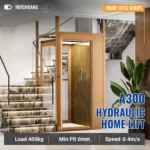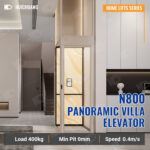
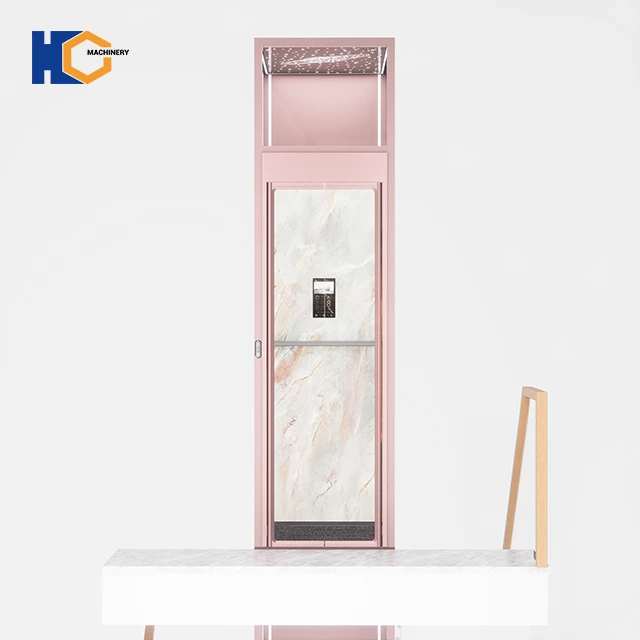
Panoramic Elevator for villa from China lift Factory – Complete Guide to Glass Sightseeing Elevators
- Model: Panoramic Elevator for villa
- Brand: HUICHUANG(JNHC lift)
- Customization: YES
- Manual: YES
- Price: $9,700–$16,000
- Payment Methods: TT
- Delivery time: 15 working days
 +8615628811021
 admin@jnhclift.com
Cities are getting taller. Buildings are getting smarter. And elevators? They’re no longer just vertical transportation boxes. They’re architectural statements.
A panoramic elevator—also called a glass elevator or sightseeing lift—is where engineering meets aesthetics. It transports people while offering an open visual experience, transforming a simple ride into part of the building’s identity.
If you are sourcing a panoramic villa elevator from a China factory, this comprehensive guide will walk you through everything: design, specifications, advantages, applications, pricing factors, compliance standards, and how to select the right manufacturer.
Because when steel meets glass and gravity, details matter.
What Is a Panoramic Elevator?
A panoramic elevator is a passenger elevator designed with transparent glass walls, allowing occupants to view surroundings during travel. Unlike traditional enclosed lifts, panoramic elevators enhance architectural visibility and interior aesthetics.
They are widely used in:
- Shopping malls
- Hotels
- Office buildings
- Airports
- High-end residential towers
- Exhibition centers
- Hospitals
- Scenic towers
Instead of hiding the mechanical movement, a panoramic elevator celebrates it.
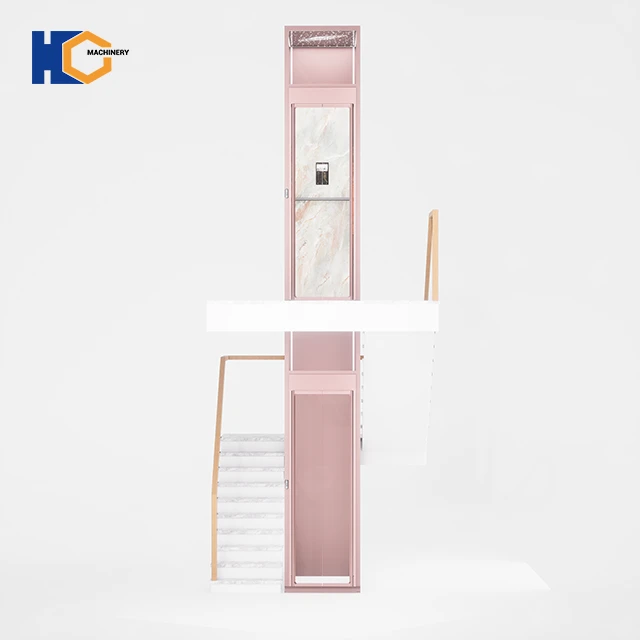
Types of Panoramic Elevators from China Factories
1. Semi-Circular Glass Elevator
The most popular design. Elegant curved glass panels create a modern visual effect. Common in luxury malls and hotel lobbies.
Features:
- Tempered laminated curved glass
- Stainless steel frame
- LED lighting integration
- Smooth ride quality
2. Square Glass Panoramic Elevator
Clean lines. Minimalist aesthetic. Often used in commercial office buildings.
Advantages:
- Easier structural integration
- Lower cost than curved models
- High structural stability
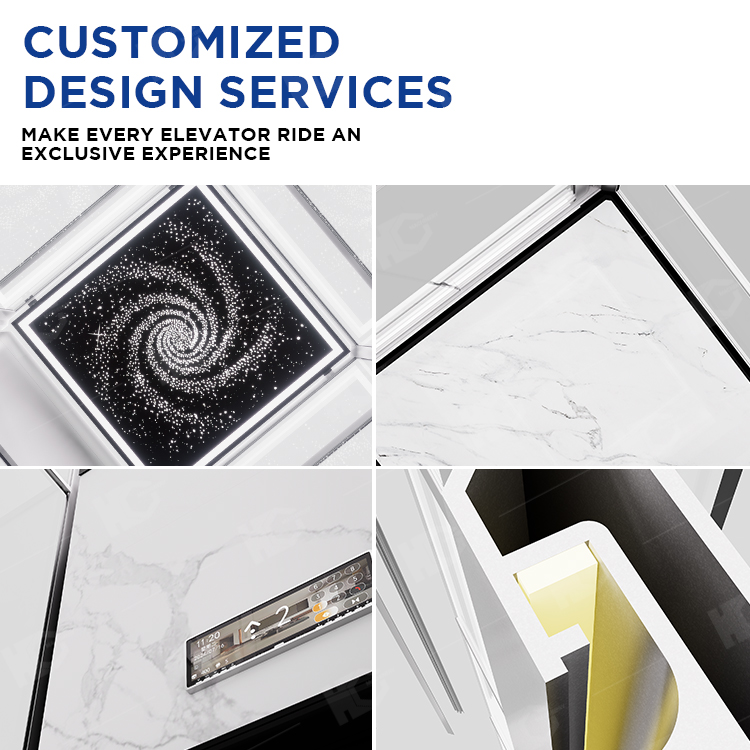
- Customizable cabin decoration
3. External Building Glass Elevator
Installed outside the building façade. Adds architectural impact and saves interior space.
Common applications:
- Hotel renovation projects
- Scenic observation towers
- Historical building upgrades
Outdoor panoramic elevators require special treatment:
- Wind resistance design
- Waterproofing
- UV-resistant laminated glass
- Anti-corrosion materials
Core Technical Specifications of Panoramic Elevators
When purchasing from a China panoramic elevator factory, technical specifications determine both performance and compliance.
Standard Parameters
Load Capacity:
- 630 kg (8 passengers)
- 800 kg (10 passengers)
- 1000 kg (13 passengers)
- 1350 kg (18 passengers)
- Custom heavy-duty options available
Speed:
- 1.0 m/s
- 1.5 m/s
- 1.75 m/s
- 2.0 m/s and above for high-rise buildings
Travel Height:
- 3m – 120m
- High-rise custom engineering available
Drive System:
- Machine Room-Less (MRL)
- Geared traction
- Gearless traction (energy-efficient, low noise)
Control System:
- VVVF (Variable Voltage Variable Frequency)
- Microprocessor control
- Group control capability
- Intelligent dispatching
Why Choose a Panoramic Elevator from a China Factory?
China has become one of the largest elevator manufacturing hubs globally. The reason isn’t just scale. It’s ecosystem efficiency.
1. Competitive Manufacturing Cost
China factories offer:
- Lower production cost
- Bulk material purchasing advantages
- Mature supply chain for elevator components
- Reduced labor cost compared to Europe or Japan
Cost savings can range from 20%–40% compared to Western brands.
But cheaper does not mean lower quality—if you select correctly.
2. Advanced Manufacturing Equipment
Leading China panoramic elevator factories use:
- CNC laser cutting machines
- Robotic welding systems
- Automatic spray coating lines
- Dynamic balancing testing
- 100% load testing before shipment
Elevator manufacturing is not artisanal guesswork. It is precision industrial production.
3. International Certifications
Reputable manufacturers provide:
- CE Certification
- ISO 9001 Quality Management
- ISO 14001 Environmental Management
- EN81 compliance
- SASO certification (Middle East)
- EAC certification (Russia)
- ASME compliance for some export models
Certification ensures safety and export capability.
Key Components of a Panoramic Elevator
A panoramic elevator may look transparent, but its engineering is robust.
1. Traction Machine
Heart of the system.
Gearless traction machines offer:
- Lower energy consumption
- Reduced vibration
- Longer lifespan
- Quiet operation (below 55 dB)
Quiet elevators are not luxury—they are necessity in hotels and residential buildings.
2. Guide Rails
High-strength T-shaped steel rails ensure vertical precision.
Deviation tolerance is often less than 0.2 mm.
Precision in millimeters prevents discomfort in meters.
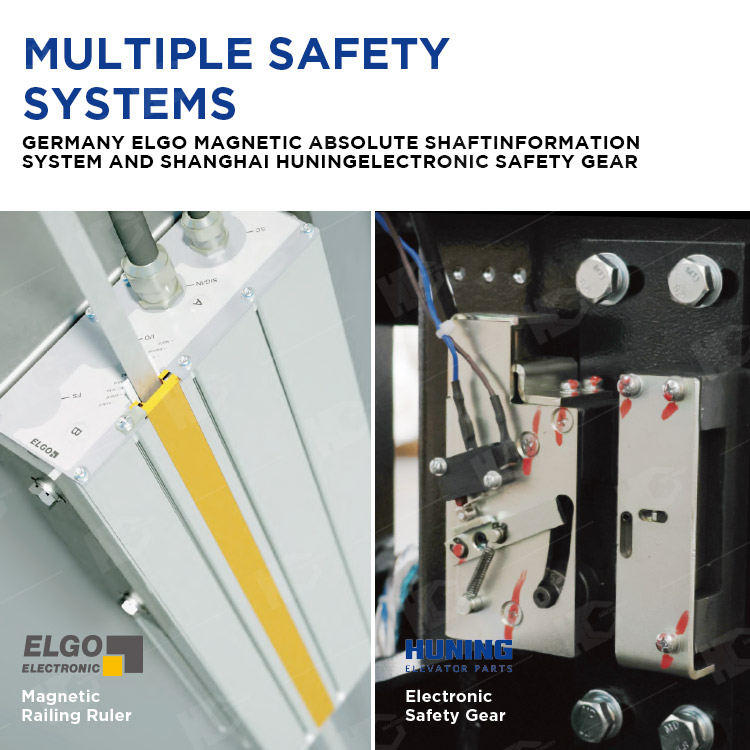
3. Safety System
Panoramic elevators include:
- Safety gear device
- Overspeed governor
- Emergency brake
- Buffer system
- Door interlock protection
- Automatic rescue device (ARD)
- Fire emergency return
Glass walls do not reduce safety. Structural reinforcement ensures equal or higher safety standards compared to standard elevators.
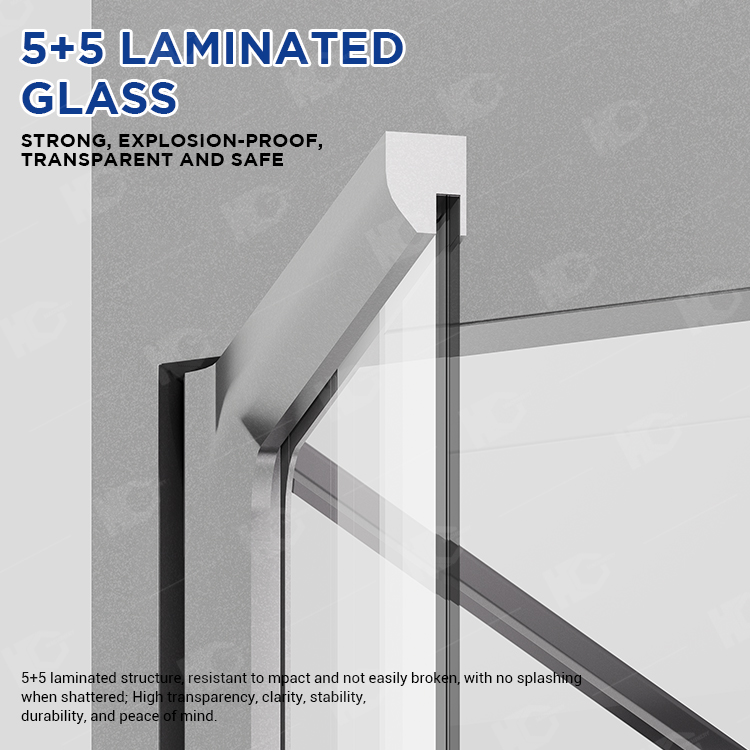
4. Laminated Tempered Glass
Glass used in panoramic elevators is:
- Double-layer laminated
- Tempered for strength
- Anti-shatter
- UV resistant
Even in extreme breakage scenarios, laminated glass stays bonded.
Physics is your friend here.
Advantages of Panoramic Elevators
1. Enhanced Building Value
Developers choose panoramic elevators because:
- They increase property appeal
- They create premium perception
- They improve customer experience
In commercial real estate, perception converts to profit.
2. Space Optimization
External panoramic elevators allow:
- Building expansion without major interior reconstruction
- Increased accessibility
- Efficient vertical movement in renovation projects
3. Energy Efficiency
Modern gearless systems and regenerative drives:
- Reduce energy consumption by 20–35%
- Feed electricity back into building grid
- Lower long-term operating cost
Elevators are not just cost centers. They can be energy-managed assets.
4. Low Noise & Smooth Operation
Advanced control systems ensure:
- Stable acceleration
- No sudden jerks
- Comfortable ride
- Low vibration
Human comfort depends on acceleration curves, not just speed.
Applications of Panoramic Elevators
Commercial Buildings
Shopping malls use panoramic elevators to:
- Improve visibility
- Guide customer flow
- Enhance visual openness
Hotels
Luxury hotels install glass elevators to:
- Create memorable experiences
- Offer scenic views
- Increase brand image
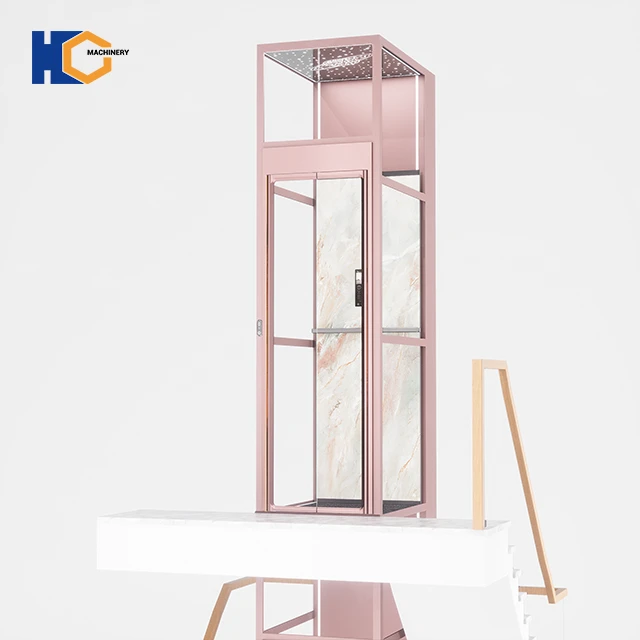
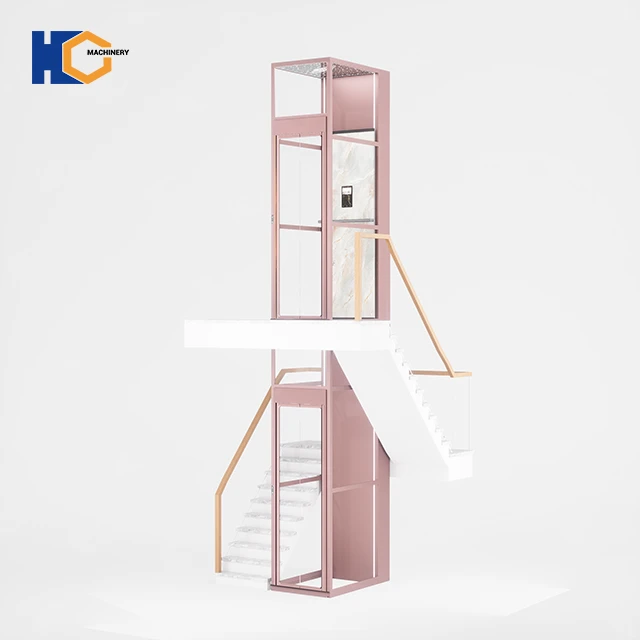
Residential Projects
High-end apartments use panoramic elevators in:
- Lobby areas
- Duplex villas
- Private glass lift shafts
Tourist Attractions
Observation towers and scenic buildings use panoramic elevators to turn transportation into attraction.
Elevators become part of the journey.
Pricing Factors of Panoramic Elevators from China
Pricing depends on:
- Load capacity
- Travel height
- Cabin design complexity
- Glass type
- Speed
- Control system
- Installation environment
- Export destination certification
Installation cost and freight are separate considerations.
Remember: Elevator price is not just machine cost. It includes safety, durability, and engineering reliability.
Installation & After-Sales Support
Professional China elevator factories provide:
- Installation manuals
- Remote technical support
- On-site engineer dispatch (optional)
- Spare parts supply
- 12–24 months warranty
- Lifetime maintenance support
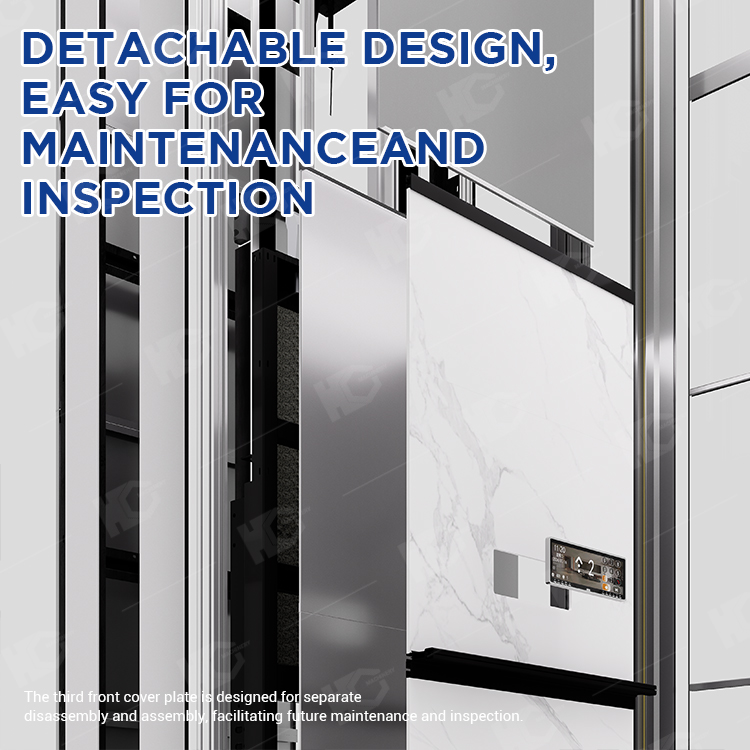
Elevators require annual inspection and routine maintenance.
An elevator is not a “set and forget” device. It is a long-term infrastructure system.
How to Choose a Reliable China Panoramic Elevator Factory
Now we reach the crucial part.
Selecting a supplier determines project success.
1. Factory Verification
Check:
- Production license
- Export history
- Factory audit reports
- Manufacturing scale
- Real project cases
Request videos of factory production line. Serious manufacturers are transparent.
2. Engineering Capability
Ask for:
- Structural calculation report
- Shaft layout drawings
- 3D rendering
- Installation plan
- Power requirement details
Professional factories provide engineering documentation, not just brochures.
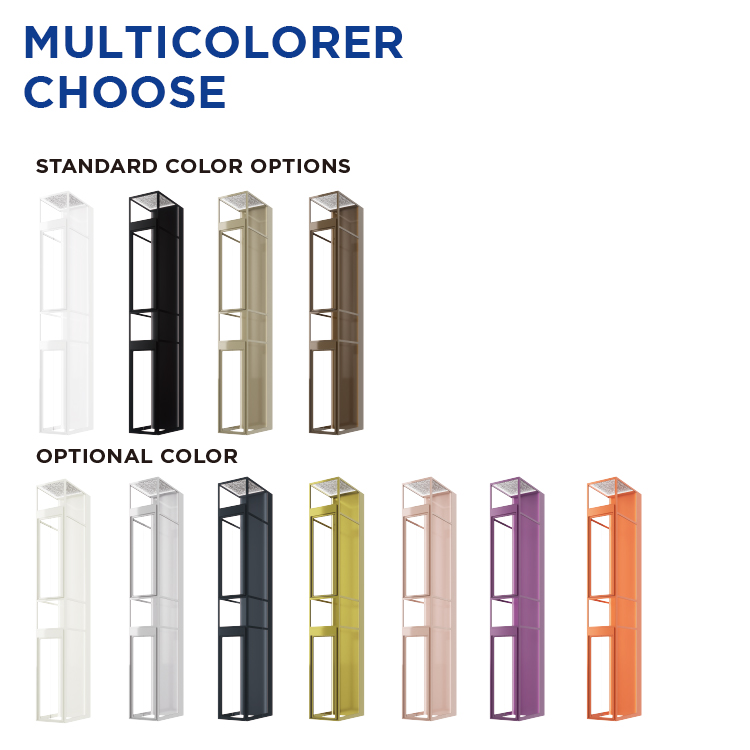
3. Customization Ability
Every building is different.
Reliable manufacturers offer:
- Custom cabin design
- Lighting options
- Stainless steel finishes
- Glass color variations
- Logo integration
Flexibility indicates manufacturing strength.
4. Compliance & Certification
Ensure compliance with local regulations in your country.
Certification is not optional—it’s legal necessity.
5. Communication & Technical Support
During 3000 hours of project lifecycle, communication matters.
Evaluate:
- Response time
- Technical clarity
- English documentation quality
- After-sales responsiveness
Engineering projects fail due to communication more often than technology.
Future Trends in Panoramic Elevator Technology
The elevator industry is evolving.
Upcoming developments include:
- AI dispatch systems
- IoT monitoring
- Predictive maintenance
- Touchless control panels
- Smart building integration
- Energy regeneration systems
- Carbon-neutral production processes
Elevators are becoming data-driven vertical mobility systems.
The future building is intelligent. Elevators must be as well.
Final Summary: Why Partner with a China Panoramic Elevator Factory?
Choosing a panoramic elevator from a China factory offers:
- Competitive pricing
- Mature manufacturing ecosystem
- Custom design capability
- International certification compliance
- Global export experience
- Scalable production capacity
But selection must be strategic.
Focus on:
- Engineering strength
- Real project experience
- Quality control system
- After-sales service
- Transparent communication
If you are looking for a reliable elevator supplier, choose us. Benefit from our factory‑direct pricing, certified quality and professional after‑sales engineering support. Feel free to contact us right away for more information, quotations and customized solutions.
 Room 203, Second Floor, Building 8, Phase Ⅱ, Zhizao Town, Jibei Street, Jiyang District, Jinan City, Shandong Province