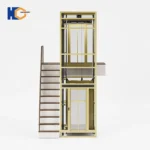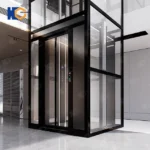
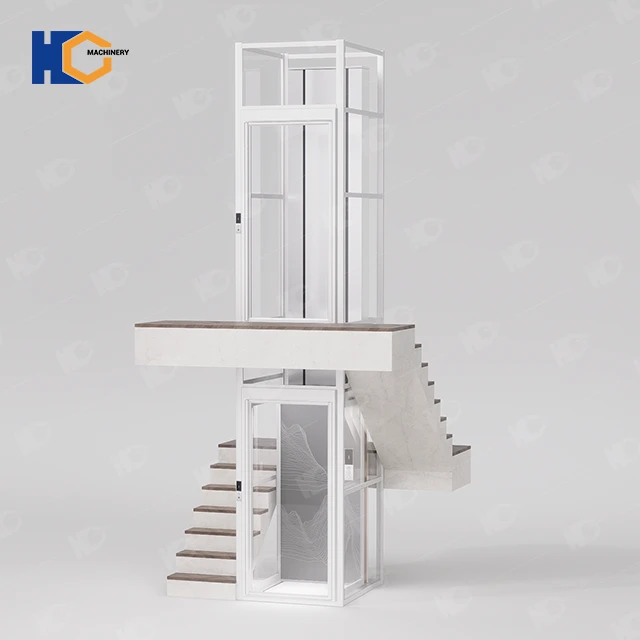
Shaftless Home Elevator 3 Floors
- Model: Shaftless Home Elevator – 3 Floors
- Lift height: 3 floor
- Brand:HUICHUANG(JNHC lift)
- Customization:YES
- Manual: YES
- Price: $6,000 – $14,800
- Payment Methods:TT
- Delivery time: 15 working days
 +8615628811021
 admin@jnhclift.com
As modern homes continue evolving toward smarter, safer, and more accessible living environments, the demand for compact residential elevators has grown rapidly. Among the newest trends in residential mobility solutions, the 3-floor shaftless home elevator has become increasingly popular for villas, duplex homes, townhouses, and multi-level residences.
Homeowners today want elevators that are:
- Compact
- Stylish
- Easy to install
- Energy efficient
- Suitable for existing homes
Traditional residential elevators often require:
- Large concrete shafts
- Deep pits
- Dedicated machine rooms
- Expensive structural modifications
A shaftless home elevator solves many of these problems by providing a compact elevator system that travels between floors with minimal construction requirements.
In this comprehensive guide, we will explain:
- What a 3-floor shaftless home elevator is
- How it works
- Main functions and applications
- Important accessories and components
- Advantages and disadvantages
- Competitive comparison with other home elevator types
- Factors affecting pricing and performance
By the end of this article, readers will have a professional and complete understanding of shaftless home elevators for 3-floor residential buildings.
What Is a Shaftless Home Elevator for 3 Floors?
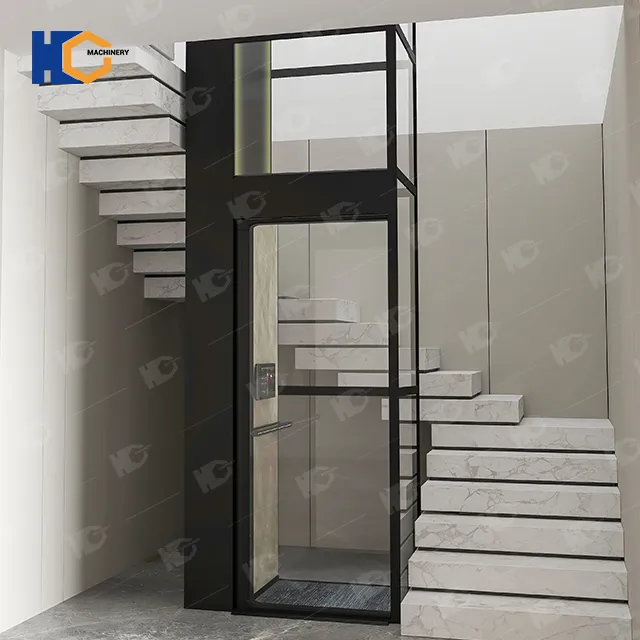
A shaftless home elevator is a compact residential elevator designed to move between multiple floors without requiring a traditional enclosed elevator shaft.
A 3-floor shaftless elevator specifically serves:
- Ground floor
- Second floor
- Third floor
Unlike commercial elevators, these systems are engineered for residential use and usually feature:
- Compact footprints
- Lightweight structures
- Simplified installation
- Lower power consumption
Instead of requiring a large concrete shaft, the elevator moves through floor openings using an integrated self-supporting rail or frame system.
This design dramatically reduces:
- Construction complexity
- Installation time
- Structural remodeling costs
For homeowners who want elevator convenience without rebuilding their house, shaftless elevators are often an ideal solution.
Why 3-Floor Shaftless Elevators Are Becoming Popular
Modern residential architecture increasingly includes:
- Multi-story homes
- Narrow townhouses
- Split-level designs
- Luxury villas
At the same time, aging populations worldwide have increased demand for accessibility solutions.
Many homeowners now prioritize:
- Aging in place
- Mobility assistance
- Long-term convenience
- Property value improvement
A 3-floor shaftless elevator offers a practical balance between:
- Accessibility
- Space efficiency
- Modern aesthetics
- Affordable installation
Compared with stair lifts, shaftless elevators provide:
- Better appearance
- Higher comfort
- Wheelchair compatibility
- Greater property value enhancement
How Does a 3-Floor Shaftless Home Elevator Work?
The elevator cabin travels vertically along guide rails installed between floors.
Unlike traditional elevators that rely on large shaft structures, shaftless systems use:
- Self-supporting frames
- Compact lifting systems
- Integrated safety controls
The elevator passes through floor openings while automatic safety doors and locking systems secure each level.
Depending on the design, shaftless elevators may use:
- Traction drive systems
- Screw drive systems
- Hydraulic systems
- Pneumatic vacuum systems
Each drive technology has different characteristics affecting:
- Speed
- Noise level
- Energy efficiency
- Maintenance requirements
- Price
Main Types of Shaftless Home Elevators
Screw Drive Shaftless Elevators
Screw-driven systems use a threaded steel shaft and motorized drive nut to move the cabin vertically.
Advantages
- Extremely safe
- No pit required
- Compact structure
- Reliable mechanical design
Disadvantages
- Slower travel speed
- Slightly higher mechanical noise
These systems are very common in compact residential elevators.
Traction Shaftless Elevators
Traction elevators use:
- Electric motors
- Counterweights
- Steel belts or ropes
Advantages
- Smooth operation
- Quiet ride
- Energy efficiency
- Modern performance
Disadvantages
- Higher initial cost
- More advanced engineering
Traction systems are increasingly used in luxury residential projects.
Hydraulic Shaftless Elevators
Hydraulic systems lift the cabin using fluid pressure.
Advantages
- Strong lifting capacity
- Stable movement
- Proven technology
Disadvantages
- Hydraulic oil maintenance
- Larger equipment footprint
- Higher long-term maintenance
Pneumatic Vacuum Elevators
Vacuum elevators use air pressure differences to move the elevator cabin.
Advantages
- Futuristic design
- Minimal construction
- Panoramic visibility
- Energy-efficient downward travel
Disadvantages
- Higher pricing
- Lower weight capacity
- Slower movement speed
These elevators are especially popular in luxury homes.
Main Functions of a 3-Floor Shaftless Home Elevator
Modern residential elevators provide much more than simple vertical transportation.
Accessibility Assistance
One of the primary functions is helping:
- Elderly residents
- Wheelchair users
- Mobility-impaired individuals
This improves independence and daily comfort significantly.
Daily Convenience
Carrying items upstairs becomes much easier.
Common uses include transporting:
- Groceries
- Laundry
- Luggage
- Baby strollers
- Household supplies
Many homeowners realize the true value of a home elevator the first time they carry a heavy suitcase upstairs without performing an accidental fitness challenge.
Aging-in-Place Support
Many homeowners install residential elevators to remain in their homes long term instead of relocating later due to mobility limitations.
This trend is rapidly growing worldwide.
Luxury Home Enhancement
Modern elevators also serve as architectural and lifestyle upgrades.
Premium shaftless elevators feature:
- Panoramic glass cabins
- LED lighting
- Smart touchscreen controls
- Designer interiors
In luxury homes, elevators often become centerpiece design elements.
Property Value Improvement
A residential elevator may increase property attractiveness and resale value, especially in high-end real estate markets.
Homebuyers increasingly value accessibility features.
Main Accessories and Components
The quality of accessories greatly affects elevator safety, comfort, and performance.
Elevator Cabin
The cabin is the passenger compartment.
Common cabin materials include:
- Tempered glass
- Aluminum alloy
- Stainless steel
- Powder-coated steel
Luxury models may include:
- Wooden panels
- Leather finishes
- Decorative lighting
Guide Rail System
Guide rails stabilize the elevator during travel.
High-quality rails improve:
- Ride smoothness
- Stability
- Safety
- Noise reduction
Drive Motor
The motor powers the elevator movement.
Popular motor types include:
- Gearless motors
- Permanent magnet motors
- Hydraulic pump motors
Modern motors emphasize:
- Quiet operation
- Low energy consumption
- Long lifespan
Control System
The controller acts as the elevator’s brain.
Functions include:
- Floor selection
- Speed control
- Door operation
- Emergency response
- Safety monitoring
Advanced systems may support:
- Smart home integration
- Remote diagnostics
- Mobile app control
Safety Doors
Automatic doors prevent accidental falls and improve safety.
Some shaftless elevators use:
- Swing doors
- Sliding doors
- Panoramic glass doors
Interlocking systems prevent operation when doors are open.
Emergency Backup Battery
Battery backup systems allow the elevator to lower safely during power failures.
This is one of the most important residential safety features.
Safety Sensors
Modern elevators include sensors that detect:
- Obstructions
- Door interference
- Overloading
- Abnormal movement
These systems improve operational safety significantly.
LED Lighting System
Most modern home elevators include:
- Ceiling LED lights
- Ambient lighting
- Energy-efficient illumination
Luxury systems may offer customizable lighting modes.
Telephone or Emergency Communication System
Some elevators include:
- Emergency intercoms
- Alarm systems
- Remote monitoring
These features are especially important for elderly users.

Typical Specifications of 3-Floor Shaftless Elevators
| Specification | Common Range |
|---|---|
| Floors Served | 3 floors |
| Capacity | 170–500 kg |
| Speed | 0.15–0.4 m/s |
| Cabin Size | 0.8m–1.5m wide |
| Power Supply | Single-phase or three-phase |
| Drive System | Screw, traction, hydraulic, vacuum |
| Pit Requirement | Minimal or none |
| Machine Room | Usually not required |
Specifications vary depending on manufacturer and model.
Advantages of 3-Floor Shaftless Home Elevators
Space Saving
Shaftless elevators occupy far less space than traditional elevators.
This makes them ideal for:
- Existing homes
- Small villas
- Narrow houses
Easier Installation
Installation usually requires:
- Smaller floor openings
- Less structural modification
- No major shaft construction
This reduces project complexity significantly.
Modern Appearance
Contemporary shaftless elevators feature:
- Sleek aesthetics
- Glass panels
- Minimalist architecture
They blend well into modern home interiors.
Lower Construction Costs
Because no large shaft is required, homeowners save money on:
- Concrete work
- Structural reinforcement
- Machine room construction
Improved Home Accessibility
Residential elevators make homes safer and more convenient for long-term living.
Disadvantages of Shaftless Home Elevators
Limited Travel Height
Most shaftless elevators are optimized for:
- 2–3 floors
Very tall residential buildings may require traditional elevator systems.
Lower Speed
Residential elevators move slower than commercial elevators for safety and comfort reasons.
Smaller Cabin Sizes
Compact footprints often limit:
- Passenger capacity
- Cargo space
Large furniture transportation may be difficult.
Weight Limitations
Most systems support:
- 170–500 kg
Heavy-duty applications may require larger elevator systems.

Competitive Comparison: Shaftless Elevator vs Other Residential Elevators
Shaftless Elevator vs Traditional Residential Elevator
| Feature | Shaftless Elevator | Traditional Elevator |
|---|---|---|
| Shaft Required | No | Yes |
| Space Requirement | Small | Large |
| Installation Complexity | Lower | Higher |
| Construction Time | Faster | Slower |
| Travel Height | Limited | Greater |
| Cost | Lower | Higher |
Shaftless elevators are generally better for retrofit projects.
Shaftless Elevator vs Stair Lift
| Feature | Shaftless Elevator | Stair Lift |
|---|---|---|
| Wheelchair Friendly | Yes | Usually no |
| Appearance | Modern | Functional |
| Passenger Comfort | High | Moderate |
| Property Value Impact | Higher | Lower |
| Multi-Person Use | Yes | Limited |
Shaftless elevators provide a more premium residential solution.
Shaftless Elevator vs Pneumatic Vacuum Elevator
| Feature | Shaftless Elevator | Vacuum Elevator |
|---|---|---|
| Appearance | Compact modern | Futuristic panoramic |
| Cost | Moderate | Higher |
| Installation | Easier | Very easy |
| Capacity | Higher | Lower |
| Noise | Lower | Moderate |
Vacuum elevators prioritize visual impact, while shaftless elevators focus on practicality and accessibility.
Who Should Buy a 3-Floor Shaftless Home Elevator?
These elevators are ideal for:
- Elderly homeowners
- Families planning long-term accessibility
- Luxury home owners
- Multi-level townhouse residents
- Mobility-impaired users
They are especially suitable for existing homes where installing a traditional elevator would be difficult or expensive.
Future Trends in Shaftless Residential Elevators
The home elevator industry is rapidly evolving.
Emerging trends include:
- AI monitoring systems
- Smart home integration
- Voice control
- Touchless operation
- Ultra-quiet motors
- Eco-friendly materials
- Energy regeneration systems
Manufacturers are also improving:
- Installation speed
- Cabin aesthetics
- Compactness
- Safety technology
Future residential elevators will become smarter, quieter, and more integrated into home automation systems.
Conclusion
A 3-floor shaftless home elevator is a modern residential mobility solution designed to provide safe, compact, and efficient vertical transportation without requiring a traditional elevator shaft.
These elevators offer:
- Space-saving installation
- Improved accessibility
- Modern aesthetics
- Lower construction costs
- Enhanced home convenience
Available in multiple drive types including traction, screw, hydraulic, and vacuum systems, shaftless elevators can meet the needs of both practical accessibility projects and luxury home upgrades.
Compared with traditional residential elevators, shaftless systems are easier to install, require less structural modification, and are often more affordable for existing homes.
As residential design trends continue focusing on accessibility, aging in place, and smart living, 3-floor shaftless home elevators are expected to become one of the most important innovations in modern home mobility solutions. For more information about our residential elevator solutions or to request a customized quote, please contact us today.
 Room 203, Second Floor, Building 8, Phase Ⅱ, Zhizao Town, Jibei Street, Jiyang District, Jinan City, Shandong Province