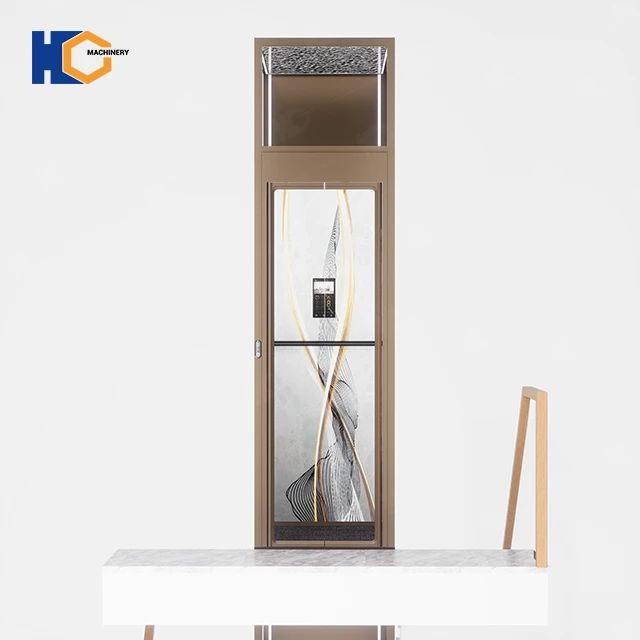
2 person elevator for home price Vietnam
- Model: 2 person elevator
- Brand: HUICHUANG(JNHC lift)
- Customization: YES
- Manual: YES
- Price: 350,000,000 to 800,000,000 VND
- Payment Methods: TT
- Delivery time: 15 working days
 +8615628811021
 admin@jnhclift.com
The demand for compact home elevators has grown rapidly in Vietnam in recent years. As more homeowners renovate older houses or build multi-storey homes, a 2 person elevator for home has become one of the most practical upgrades for accessibility, comfort, and long-term mobility. Compared with larger residential lifts, a 2-person model is more affordable, easier to install, and suitable for both narrow urban houses and modern villas.
This article provides a detailed, data-driven guide to the 2 person elevator for home price in Vietnam, along with cost factors, installation requirements, and the advantages of sourcing home lifts directly from Chinese manufacturers. It is designed to help homeowners, contractors, and distributors better understand pricing and purchasing options in 2026.
1. What Is a 2 Person Elevator for Home?
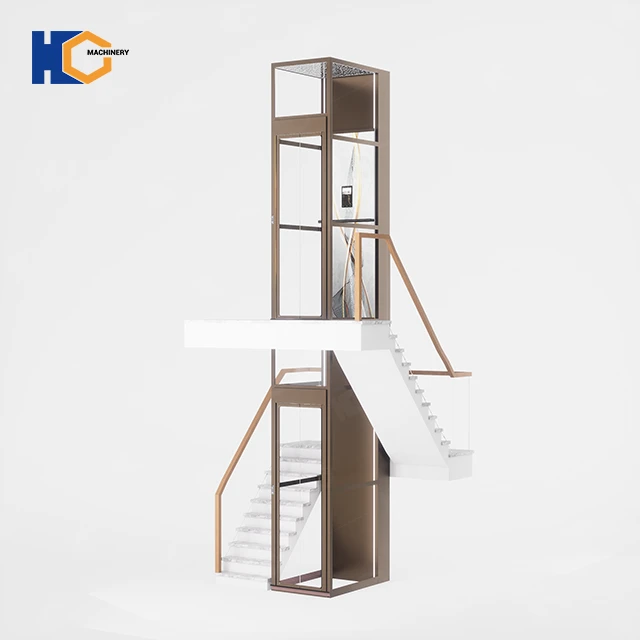
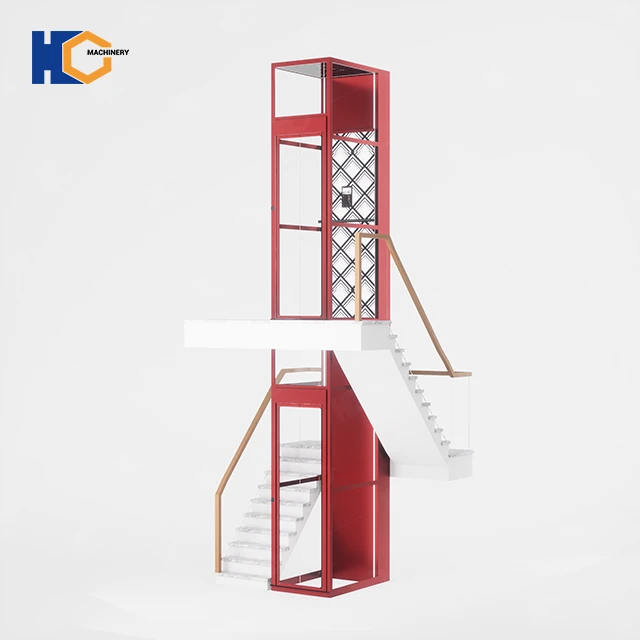
A 2-person home elevator (also called a small home lift or compact residential elevator) is designed with a payload capacity of 180–250 kg and typically serves 2–4 floors. These models are ideal for private houses, townhomes, tube houses (nhà ống), and small villas.
Typical specifications include:
- Cabin size: 800 × 800 mm to 900 × 1000 mm
- Shaft size: 1200 × 1200 mm to 1500 × 1500 mm
- Rated load: 180–250 kg
- Travel height: 6–12 meters
- Speed: 0.3–0.4 m/s for hydraulic and traction models
- Power requirements: 220V/50Hz or 380V depending on configuration
Because Vietnamese homes often have narrow staircases and limited shaft space, the 2-person elevator is considered the most practical size.
2. 2 Person Elevator for Home Price in Vietnam
What is the cost of a small home elevator for two people? The price of a 2 person home elevator in Vietnam depends on multiple factors such as brand, technology, customization, and installation conditions. Below is a breakdown of typical costs:The price of a 2-person home elevator in Vietnam varies depending on:
- Brand
- Elevator type
- Number of floors
- Custom features
- Installation conditions
- Import source (local dealer or direct from Chinese factory)
Below are realistic price ranges in 2025, based on market data and supplier quotations.
2.1 Price from Vietnamese Dealers
Vietnamese dealers typically import elevators from Europe, Japan, Korea, or China, then add local installation and service costs.
| Brand Origin | Price Range (VND) | Price Range (USD) |
|---|---|---|
| European Home Lift | 650,000,000 – 1,200,000,000 | $26,000 – $48,000 |
| Japanese Home Lift | 500,000,000 – 900,000,000 | $20,000 – $36,000 |
| Korean Home Lift | 380,000,000 – 650,000,000 | $15,500 – $26,000 |
| Chinese Home Lift (via dealer) | 300,000,000 – 500,000,000 | $12,000 – $20,000 |
2.2 Price When Importing Directly From a Chinese Factory
This is the most cost-efficient option.
| Specification | Factory Price (USD) | Price (VND, approx.) |
|---|---|---|
| Basic 2-floor 2-person elevator | $6,800 – $8,500 | 170,000,000 – 210,000,000 VND |
| 3-floor elevator | $7,600 – $9,800 | 190,000,000 – 240,000,000 VND |
| 4-floor elevator | $8,500 – $11,500 | 210,000,000 – 285,000,000 VND |
| Premium glass cabin model | $9,500 – $14,000 | 235,000,000 – 350,000,000 VND |
Result:
Buying directly from a Chinese manufacturer can reduce the total cost by 35%–55% compared with purchasing through Vietnamese distributors.
3. Why Chinese Home Lift Factories Dominate the Market
China is currently the largest home elevator manufacturing base in the world. Factories supply more than 70% of home lift components globally, including for well-known European and Japanese brands.
3.1 Cost Advantages
- Lower material and labor costs
- High-volume automated production
- Strong supply chain for motors, controllers, and steel structures
- Competitive export pricing
Chinese factories offer prices 30% to 60% lower than similar models from Korea or Japan.
3.2 Customization Flexibility
Vietnamese houses often have:
- Narrow shafts
- Limited pit depth (sometimes only 150–200 mm)
- Low overhead height
- Existing stair wells requiring special cabin dimensions
Chinese manufacturers can customize:
- Shaft size
- Cabin size
- Door type (swing door, center-opening, telescopic)
- Pit depth
- Cabin materials
- Frame color
This level of customization is difficult to obtain from European or Japanese suppliers without high extra cost.
3.3 Fast Production and Delivery
Typical timeline from Chinese factories:
- Production: 20–30 days
- Sea shipping to Vietnam: 5–8 days to Haiphong, 10–12 days to HCMC
- Installation: 7–10 days
Total project timeline: 35–45 days
3.4 Easy Installation and Maintenance
Modern hydraulic and traction home lifts from Chinese factories are designed with:
- Pre-assembled cabins
- Pre-wired components
- Simplified control panels
- Modular steel shafts for new houses
Local technicians in Vietnam already have broad experience installing Chinese models.
3.5 Certifications and Safety Standards
Many factories meet:
- CE
- ISO9001
- ISO14001
- TUV equivalency standards
- EN81 residential lift codes
This ensures compliance with Vietnam’s building and safety requirements.
4. Types of 2-Person Home Elevators Suitable for Vietnam
4.1 Hydraulic Home Elevator
Most common in Vietnam due to:
- No need for deep pit
- Low noise
- Low maintenance
- Suitable for narrow homes
Typical pit: 120–200 mm
4.2 Machine Room-less (MRL) Traction Elevator
Advantages:
- Smooth ride
- Low energy consumption
- Modern design
Requires slightly larger shaft compared with hydraulic.
4.3 Screw-Driven Home Elevator
Imported mainly from Europe but available from China at lower cost.
Pros:
- Minimal construction requirements
- Smooth ride
- Stylish design
Cons:
- Highest price
- Slower speed (0.15 m/s)
4.4 Pneumatic Vacuum Elevator
Great for villas, but limited load capacity.
For 2-person elevators, hydraulic and MRL traction remain the most cost-effective options.
5. Installation Requirements for a 2 Person Home Elevator in Vietnam
Here are typical construction requirements based on real project data.
5.1 Shaft Size
For a compact 2-person cabin:
- Minimum shaft: 1200 × 1200 mm
- Comfortable shaft: 1400 × 1400 mm
5.2 Pit Depth
Depends on the model:
- Hydraulic: 150–200 mm
- Traction: 250–350 mm
- Screw lift: 0–80 mm
5.3 Overhead Height
- Minimum 2600 mm
- Ideal: 2800 mm
5.4 Power Supply
- Single-phase 220V (hydraulic)
- Three-phase 380V (traction)
These requirements can be easily met in most Vietnamese homes except extremely narrow tube houses (width < 3 meters).
6. Total Cost of a 2-Person Elevator Project in Vietnam
When importing from a Chinese factory, the total cost includes:
6.1 Elevator Price
As listed earlier: $6,800 – $14,000
6.2 Shipping Cost
- Northern Vietnam (Haiphong): $300–$500
- Southern Vietnam (HCMC): $450–$800
6.3 Import Tax and VAT
- Import tax for home elevators: 0%–5%
- VAT in Vietnam: 10%
6.4 Installation Cost
Local installers typically charge:
- 20,000,000 – 40,000,000 VND
- ($800 – $1600)
6.5 Total Typical Cost
For a standard 2-person 3-floor home elevator:
| Item | Cost |
|---|---|
| Elevator from factory | $8,500 |
| Shipping | $500 |
| Import + VAT | ~$950 |
| Installation | $1,200 |
| Total | $11,000–$12,000 |
Converted to VND:
≈ 270,000,000 – 300,000,000 VND
This is half the cost of purchasing from Vietnamese distributors.
7. Why Vietnamese Buyers Prefer Chinese Home Elevators
Based on surveys and market feedback, top reasons include:
- Best price-to-quality ratio
- High degree of customization
- Fast delivery and installation
- Reliable compliance with CE/TUV standards
- Good access to spare parts
- Compatibility with Vietnamese narrow houses
Chinese home lift factories have become the most important partner for Vietnam’s residential construction sector.
8. Recommendations for Vietnamese Homeowners
To ensure a smooth purchase and installation:
- Choose a factory with CE certification and over 10 years of manufacturing experience.
- Request shaft drawings before construction.
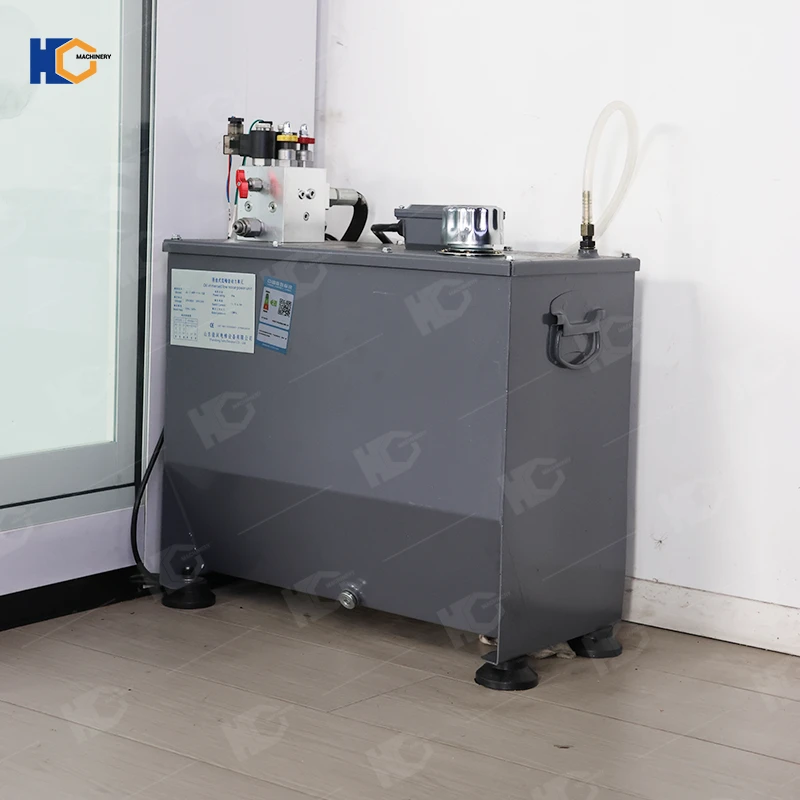
- Ask for a complete part list, including pump unit, controller, guide rails, cabin, doors, and frame.
- Ensure after-sales support from a Vietnamese installation team.
- Confirm one-year warranty and access to spare parts.
Many homeowners also choose glass cabin and glass shaft models for a premium look, especially in villas and modern townhouses.
Tips for Choosing the Right 2 Person Elevator in Vietnam
- Assess Your Space – Check shaft availability, headroom, and pit depth before purchase.
- Define Your Budget – Choose between economy, mid-range, or premium models.
- Select a Trusted Supplier – Look for certified companies with proven after-sales service.
- Compare Warranties – Opt for at least 24–36 months warranty.
- Focus on Safety – Ensure ARD, overload protection, and emergency communication system are included.
- Consider Aesthetics – Glass cabins and customized panels can improve your home’s interior design.
Future Trends of Home Elevators in Vietnam
The Vietnamese home elevator market is expected to expand significantly due to rising income levels, modern housing development, and increasing awareness of accessibility. Future trends include:
- Smart elevators with IoT integration (app-based controls, remote monitoring).
- Energy-saving elevators with regenerative drives.
- Compact pitless designs suitable for old houses.
- Eco-friendly solutions with sustainable materials and efficient motors.
Conclusion
The demand for 2 person elevators for homes in Vietnam continues to rise, driven by the need for accessibility, convenience, and modern living. Prices vary depending on technology, supplier, and customization, typically ranging from 350,000,000 to 800,000,000 VND ($14,000–$32,000).
By understanding the different types of elevators, installation requirements, and long-term costs, homeowners can make an informed decision that fits their budget and lifestyle. Whether you choose a local manufacturer or an international brand, investing in a 2 person home elevator is a long-term upgrade that enhances comfort, safety, and property value.
A 2 person elevator for home is increasingly popular in Vietnam, especially for multi-storey houses and families needing long-term mobility support. While local dealer prices can be high, importing directly from a reputable Chinese manufacturer provides substantial savings—typically reducing total cost to 270–300 million VND, depending on the number of floors and customization.
Chinese factories offer strong advantages in price, customization, production speed, and compliance. For Vietnamese homeowners seeking an affordable and reliable home lift solution, a 2-person model from China is one of the most practical and cost-effective choices available today.
 Room 203, Second Floor, Building 8, Phase Ⅱ, Zhizao Town, Jibei Street, Jiyang District, Jinan City, Shandong Province