
Elevator Safety Standards: A Complete Guide
Elevator Safety Standards: A Complete Guide to Residential and Commercial Elevator Safety Requirements
Elevators are among the safest forms of vertical transportation in modern buildings. Whether installed in a private residence, a luxury villa, an apartment building, a hotel, a hospital, or a commercial office tower, elevators are designed according to strict safety standards that protect passengers, maintenance personnel, and property.
As elevator technology continues to evolve, safety regulations have become increasingly comprehensive. Modern elevators incorporate multiple layers of protection, including emergency braking systems, door interlocks, overspeed governors, backup power systems, and intelligent monitoring technologies.
However, the safety requirements for residential elevators and commercial elevators are not identical. Home elevators are designed for lower traffic volumes and private use, while commercial elevators must comply with stricter standards because they serve large numbers of passengers every day.
This guide explains the most important elevator safety standards, compares residential and commercial elevator requirements, and outlines the key safety features every elevator should include.
Why Elevator Safety Standards Matter
Elevator safety standards exist to ensure that elevators operate reliably under normal conditions and respond safely during emergencies.
These standards are designed to prevent:
- Falls
- Entrapment
- Mechanical failures
- Electrical hazards
- Overloading
- Door-related injuries
- Uncontrolled movement
- Fire-related incidents
Without standardized safety regulations, elevator accidents would be significantly more common.
Modern elevator systems are engineered with redundant safety mechanisms so that multiple systems work together to prevent failures.
Major International Elevator Safety Standards
Different countries adopt various elevator regulations, but many are based on similar engineering principles.
ASME A17.1 / CSA B44
The ASME A17.1 and CSA B44 Safety Code is widely used in:
- United States
- Canada
- North America
It covers:
- Elevator design
- Installation
- Inspection
- Testing
- Maintenance
- Alterations
This is one of the most recognized elevator safety standards worldwide.
EN 81 Standards
EN 81 is the primary elevator safety standard throughout Europe.
It covers:
- Passenger elevators
- Freight elevators
- Accessibility requirements
- Emergency systems
- Electrical safety
Many international elevator manufacturers design their products in accordance with EN 81 specifications.
ISO Standards
International Organization for Standardization (ISO) standards help harmonize safety practices globally.
Relevant areas include:
- Quality management
- Safety procedures
- Risk assessment
- Component reliability
Local Building Codes
Many countries also maintain their own regulations regarding:
- Elevator permits
- Fire safety integration
- Accessibility compliance
- Inspection schedules
Building owners must comply with both national and local requirements.
Residential Elevator Safety Standards
Residential elevators are designed primarily for private homes and low-traffic applications.
Typical installations include:
- Villas
- Townhouses
- Multi-story residences
- Luxury homes
- Aging-in-place projects
Although home elevators generally carry fewer passengers, safety remains a top priority.
Safety Requirements for Home Elevators
Door Interlock System
The elevator cannot move unless all doors are securely closed and locked.
This prevents accidental falls into the shaft.
Modern interlocks use:
- Mechanical locking devices
- Electronic sensors
- Redundant verification systems
Emergency Stop Button
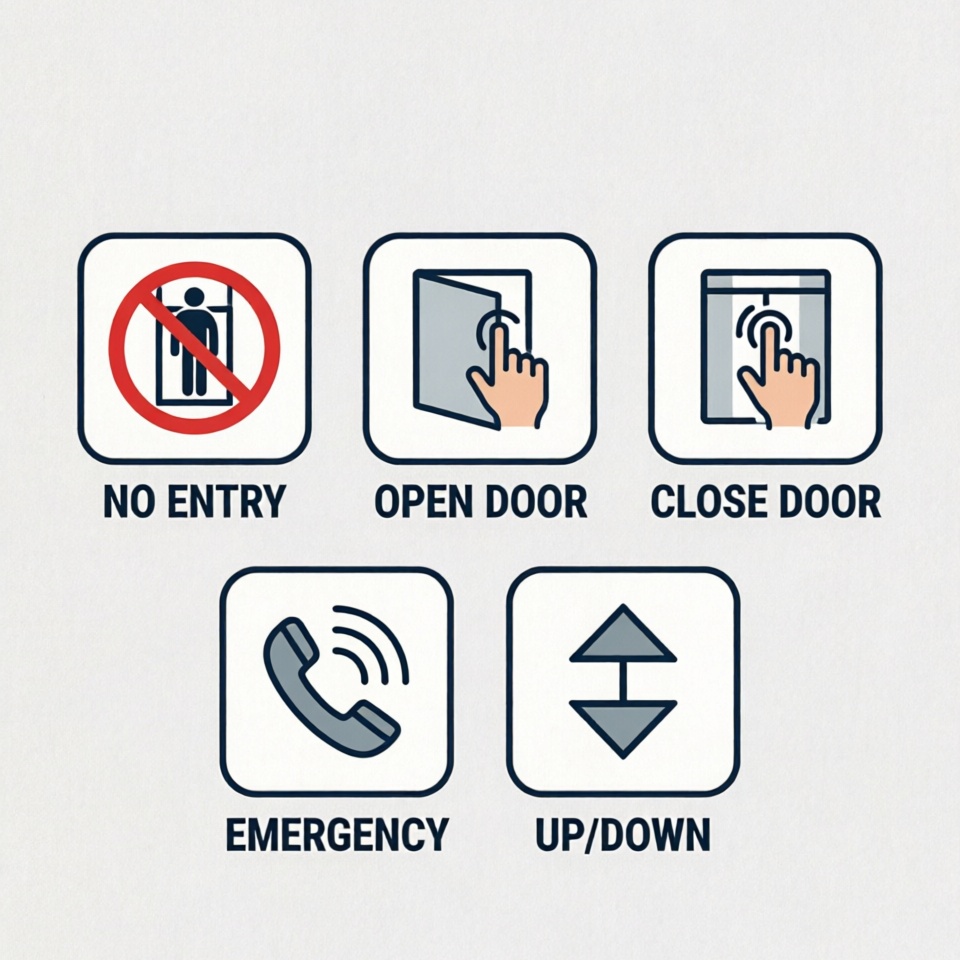
Every residential elevator should include an emergency stop button located inside the cabin.
This allows occupants to stop elevator movement immediately if necessary.
Emergency Alarm System
Passengers should be able to call for assistance during emergencies.
Common systems include:
- Audible alarms
- Telephone communication
- Two-way intercom systems
Battery Backup Power
Power outages can occur unexpectedly.
Battery backup systems allow the elevator to:
- Move to the nearest floor
- Open the doors safely
- Prevent passenger entrapment
This feature is becoming increasingly common in modern home elevators.
Safety Brake System
Residential elevators include emergency brakes that activate automatically if abnormal movement is detected.
The braking system prevents uncontrolled descent.
Overspeed Protection
Overspeed governors monitor elevator speed continuously.
If the elevator exceeds safe operating limits:
- The governor activates
- Safety brakes engage
- Elevator movement stops
This system provides critical protection against mechanical failures.
Door Protection Sensors
Automatic door sensors detect obstacles.
If a person, pet, wheelchair, or object blocks the doorway:
- Door movement stops
- The door reopens automatically
This reduces the risk of injury.
Child Safety Features
Many homeowners prioritize child safety.
Common features include:
- Key-switch operation
- Access controls
- Lockable call stations
- Childproof controls
These features prevent unauthorized use.
Accessibility Standards for Home Elevators
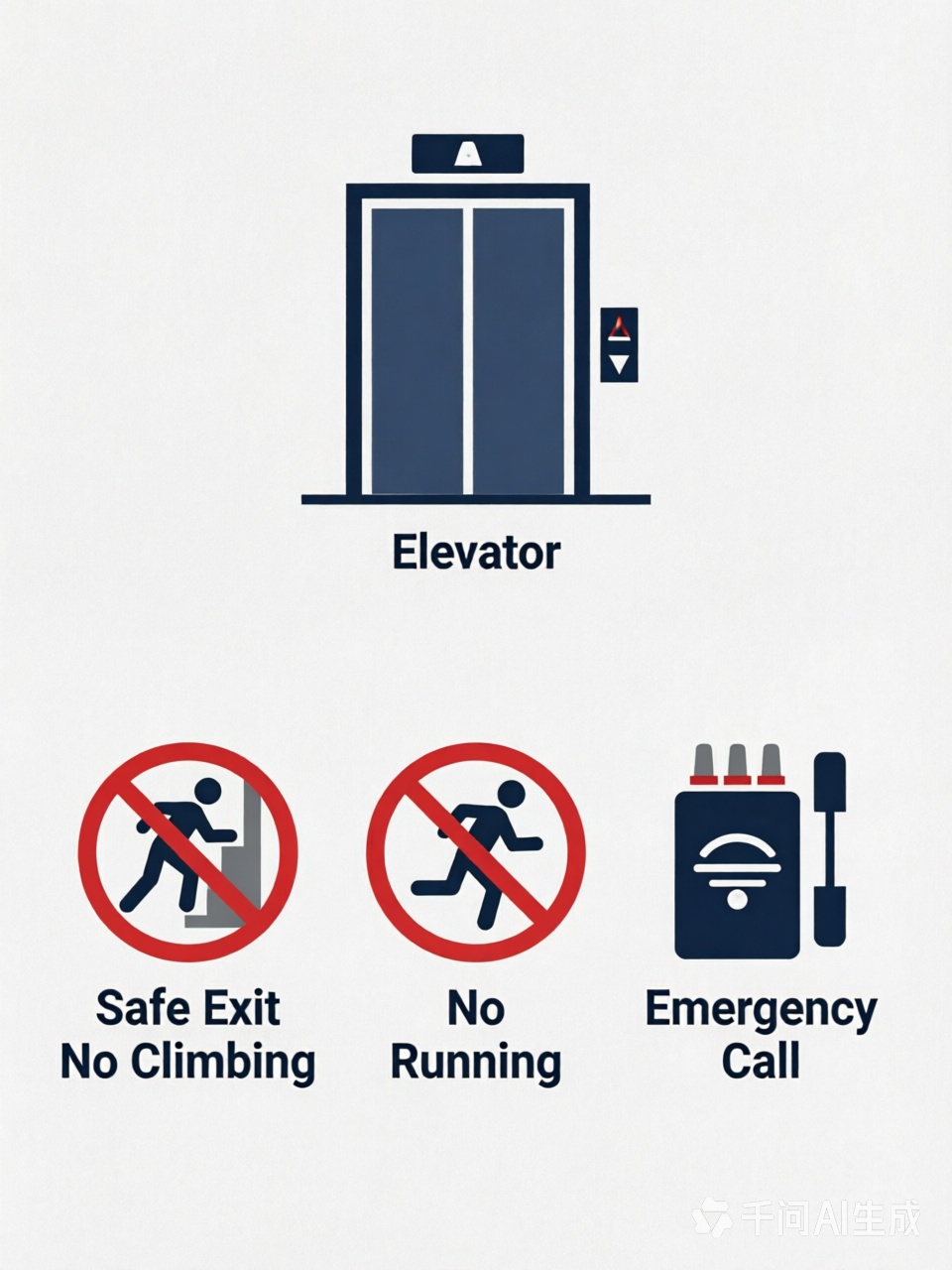
Modern residential elevators are often installed to support aging homeowners or individuals with mobility challenges.
Recommended accessibility features include:
- Wide door openings
- Non-slip flooring
- Braille buttons
- Handrails
- Low control panel placement
- Wheelchair accessibility
Accessibility enhances both safety and convenience.
Commercial Elevator Safety Standards
Commercial elevators operate under more demanding conditions.
They are installed in:
- Office buildings
- Hotels
- Hospitals
- Shopping centers
- Airports
- Universities
- Government facilities
Because they serve large numbers of users daily, commercial elevator standards are significantly more rigorous.
Commercial Elevator Safety Requirements
Load Capacity Compliance
Commercial elevators must be designed for specific rated loads.
Examples include:
- 1000 kg
- 1600 kg
- 2000 kg
- 3000 kg
The elevator system must safely support these loads under normal operating conditions.
Overload Protection System
Modern commercial elevators include load sensors.
If the elevator exceeds its rated capacity:
- An alarm activates
- Doors remain open
- Elevator movement is prevented
This protects both passengers and equipment.
Advanced Door Safety Systems
Commercial elevators experience frequent door cycles.
Door safety systems typically include:
- Infrared light curtains
- Motion detection sensors
- Door edge protection
These technologies minimize passenger injuries.
Fire Emergency Operation
Commercial elevators must integrate with building fire systems.
During a fire emergency:
- Elevators return to a designated floor
- Normal operation is suspended
- Firefighters gain control access
This procedure prevents passengers from becoming trapped in hazardous areas.
Emergency Communication Systems
Commercial elevators generally require:
- Two-way communication systems
- Emergency phones
- Monitoring center connections
These systems ensure rapid response during emergencies.
Seismic Protection
In earthquake-prone regions, elevators may be required to comply with seismic standards.
Features include:
- Seismic sensors
- Automatic shutdown protocols
- Reinforced guide rail systems
These measures reduce risks during earthquakes.
Machine Room Safety
For elevators using dedicated machine rooms, regulations often require:
- Controlled access
- Proper ventilation
- Fire protection
- Adequate lighting
Maintenance personnel safety is a critical consideration.
Hospital Elevator Safety Standards
Hospital elevators face unique requirements.
Safety priorities include:
- Smooth ride quality
- Precise floor leveling
- Emergency power integration
- Medical equipment accommodation
Hospital elevators often remain operational during emergencies when powered by backup generators.
Freight Elevator Safety Standards
Freight elevators are designed primarily for goods rather than passengers.
Safety requirements include:
Heavy-Duty Doors
Freight elevator doors must withstand repeated impacts from:
- Pallets
- Carts
- Forklifts
- Industrial equipment
Load Monitoring
Sensors help prevent overloading and structural damage.
Reinforced Cabins
Heavy-duty construction protects the elevator structure during cargo transport.
Elevator Safety Components Used in Modern Systems
Regardless of whether the elevator is residential or commercial, several critical safety components are standard.
Overspeed Governor
Monitors elevator speed and activates safety systems when necessary.
Safety Gear
Provides emergency stopping capability.
Guide Rails
Keep the elevator moving along a controlled path.
Door Interlocks
Prevent unsafe operation.
Buffer Systems
Located at the bottom of the shaft.
Buffers absorb impact energy if the elevator reaches the lowest point unexpectedly.
Limit Switches
Prevent the elevator from traveling beyond its intended range.
Controller Systems
Modern microprocessor-based controllers continuously monitor:
- Speed
- Position
- Door status
- Load conditions
- System faults
These intelligent systems improve operational safety.
Smart Elevator Safety Technologies
The elevator industry is increasingly adopting digital technologies.
IoT Monitoring
Internet-connected elevators can provide:
- Real-time diagnostics
- Predictive maintenance
- Fault notifications
Remote Monitoring
Technicians can identify problems before failures occur.
Artificial Intelligence
AI-assisted monitoring helps detect unusual operating conditions and improve maintenance planning.
Automatic Rescue Devices (ARD)
ARD systems automatically move elevators to a safe floor during power interruptions.
These systems are becoming standard in premium residential and commercial elevators.
Inspection and Maintenance Requirements
Even the safest elevator requires regular maintenance.
Residential Elevators
Recommended:
- Annual inspections
- Routine maintenance checks
- Battery testing
Commercial Elevators
Typically require:
- Monthly maintenance
- Annual safety inspections
- Regulatory compliance testing
Maintenance records should be documented carefully.
Common Causes of Elevator Safety Issues
Most elevator incidents result from inadequate maintenance rather than design failures.
Potential issues include:
- Worn cables
- Faulty door sensors
- Brake system wear
- Electrical component failure
- Poor installation practices
Regular servicing greatly reduces these risks.
Choosing a Safe Elevator
When selecting an elevator, buyers should evaluate:
Manufacturer Reputation
Choose suppliers with proven engineering experience.
Compliance Certifications
Verify compliance with:
- ASME A17.1
- EN 81
- Local regulations
Safety Features
Prioritize systems including:
- Emergency brakes
- Backup power
- Door protection
- Alarm communication
Professional Installation
Even the best elevator can become unsafe if installed incorrectly.
Qualified installers are essential.
Future Trends in Elevator Safety Standards
The future of elevator safety includes:
- AI-based fault prediction
- Smart sensors
- Cloud monitoring
- Touchless controls
- Cybersecurity protections
- Energy-efficient emergency systems
These technologies will continue improving passenger safety and operational reliability.
Conclusion
Elevator safety standards are the foundation of reliable vertical transportation in both residential and commercial buildings. While home elevators focus on user convenience, accessibility, and family safety, commercial elevators must meet more stringent requirements due to higher passenger volumes and operational demands.
Modern safety standards such as ASME A17.1, CSA B44, and EN 81 require elevators to incorporate multiple layers of protection, including overspeed governors, emergency brakes, door interlocks, backup power systems, fire emergency operation, and intelligent monitoring technologies. Whether installing a home elevator or managing a commercial building, selecting a compliant elevator and maintaining it properly are essential steps in ensuring long-term safety, performance, and peace of mind.

Jnhclift (Huichuang Lift), based in Jinan, China, is a professional manufacturer of scissor lifts, home elevators, and lift platforms. With our own dedicated factory, we deliver high-quality, reliable lifting solutions tailored to meet diverse industrial and residential needs.
 Room 203, Second Floor, Building 8, Phase Ⅱ, Zhizao Town, Jibei Street, Jiyang District, Jinan City, Shandong Province
 +8615628811021
 admin@jnhclift.com