
How Much Does a Villa Lift Cost?
A villa lift can make everyday life more convenient by providing easy access between floors, improving mobility, and adding practical value to a residential property. Whether you are building a new villa or renovating an existing home, understanding elevator prices can help you choose a suitable system and plan your budget.
So, how much does a villa lift cost in 2026? Based on the indicative prices published on selected Huichuang lift product pages, the factory equipment price for the models covered in this guide ranges from approximately $3,700 to $20,000. The actual price depends on the elevator type, number of floors, cabin dimensions, technical specifications, and selected features.
However, the factory equipment price is not the same as the total installed cost. Shipping, import duties, construction, electrical work, installation, and other project-related expenses may be charged separately.
This guide explains villa lift prices, compares different elevator types, explores the factors that influence costs, and shows you how to request a quotation based on your home’s requirements.
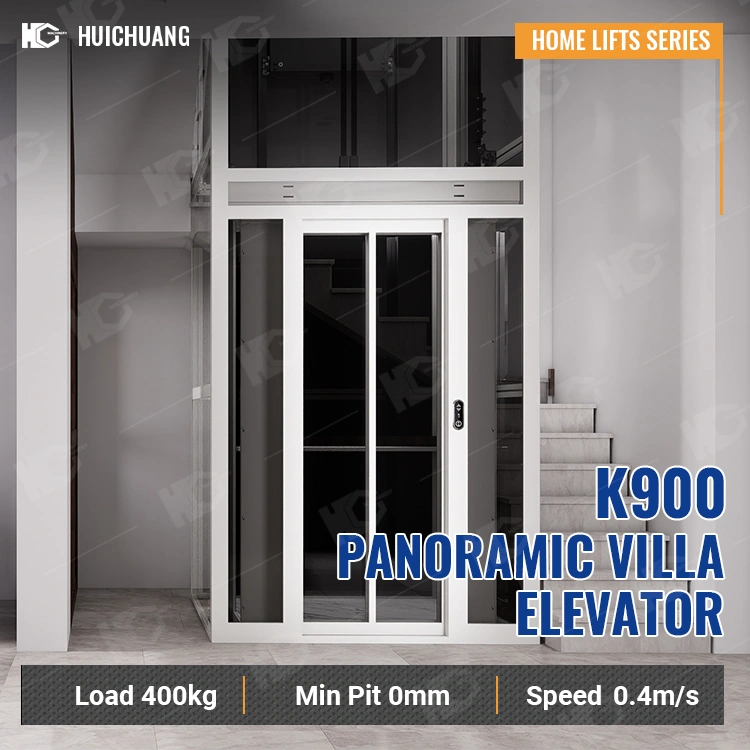
K900 Panoramic Villa Elevator
1. How Much Does a Villa Lift Cost?
The price of a villa lift varies according to its design, drive system, technical configuration, and intended application. A basic hydraulic elevator may have a different factory price from a traction elevator or a glass sightseeing lift.
For preliminary budgeting, published factory prices can help you identify suitable models before requesting a detailed quotation.
Typical Villa Lift Factory Price Range
For selected Huichuang lift residential elevator models, the indicative factory equipment prices range from approximately $3,700 to $15,000. This range covers several elevator types and configurations rather than one standard villa lift.
The lower end of the range may be relevant when comparing certain hydraulic elevator models. Other options, including traction elevators and glass sightseeing designs, may have higher equipment prices depending on their specifications.
These figures should be treated as reference prices rather than fixed offers. The exact price for your project must be confirmed with the supplier based on the required model and configuration.
Villa Lift Equipment Prices by Model
The following table summarizes the indicative factory equipment prices published for selected products on the Huichuang lift website.
| Product | Indicative factory equipment price |
|---|---|
| CE Certified Hydraulic Elevator | $3,700–$5,500 |
| Hydraulic Elevator Cost | $3,700–$5,500 |
| K600 Traction Elevator | $5,500–$7,600 |
| Shaftless Home Elevator, 2–3–4–5 Floors | $6,000–$15,000 |
| Shaftless Home Elevator, 3 Floors | $6,000–$14,800 |
| Small Shaftless Residential Elevator, 3 Floors | $4,000–$20,000 |
| Small Home Elevator, Traction Glass Sightseeing | $9,000–$15,000 |
The figures above are indicative references for equipment supplied by the factory. Product configurations and published price ranges may differ, so confirm the latest price directly with Huichuang lift before making a purchasing decision.
Why Published Villa Lift Prices May Differ
Online prices are useful for initial comparisons, but they may not represent identical configurations. One quotation may cover a standard cabin, while another may include different doors, materials, dimensions, or technical options.
The number of stops, rated load, travel height, and installation requirements can also affect the price. When comparing models, review the specifications alongside the price rather than choosing solely by the lowest advertised figure.
2. Villa Lift Price Comparison by Elevator Type
Different villa lifts are designed for different buildings and user needs. Understanding the basic differences between hydraulic, traction, shaftless, and glass sightseeing elevators can help you narrow down your options.
Hydraulic Villa Lift Price
Hydraulic elevators use a hydraulic system to move the elevator cabin. Depending on the model and building requirements, they may be considered for low-rise residential applications.
Selected Huichuang lift hydraulic elevator listings show indicative factory equipment prices of $3,700–$5,500. This makes hydraulic models worth considering when establishing an initial equipment budget.
However, the lowest equipment price does not automatically mean the lowest installed cost. Site preparation, the required configuration, local installation arrangements, and ongoing maintenance should all be considered.
For a product example, visit the CE Certified Hydraulic Elevator page.
Traction Villa Lift Price
Traction elevators use a motor-driven traction system. They may be suitable for residential projects where the selected model’s specifications align with the building layout and intended use.
The Huichuang lift K600 Traction Elevator has a published indicative factory equipment price of $5,500–$7,600. Other traction models may have different prices depending on their design, cabin specifications, and optional features.
When evaluating a traction elevator, ask about the required overhead clearance, pit or floor requirements, power supply, maintenance arrangements, and installation conditions.
You can review the K600 Traction Elevator for more information.
Shaftless Home Lift Price
A shaftless home lift may be worth considering when a conventional elevator shaft is difficult to incorporate into an existing property. The actual space requirements depend on the model, building structure, and installation arrangement.
Selected Huichuang lift shaftless home elevator pages show indicative factory equipment prices of approximately $6,000–$15,000. The range varies by product and configuration.
Although a shaftless design may reduce the need for a conventional shaft in some applications, it does not mean that no building preparation is required. The installation site must still meet the elevator’s technical and safety requirements.
Compare the 2–3–4–5-floor shaftless home elevator and the 3-floor shaftless home elevator to explore available options.
Glass Villa Lift Price
A glass villa lift can combine vertical transportation with a distinctive architectural feature. It may appeal to homeowners who want the elevator to complement a modern interior, open stairwell, or suitable sightseeing area.
Glass panels, cabin finishes, door styles, and other design choices can influence the final equipment price. The building layout and installation conditions must also be considered before selecting a panoramic design.
The Huichuang lift Small Home Elevator with Traction and Glass Sightseeing Design has a published indicative factory equipment price of $9,000–$15,000.
Explore the Small Home Elevator, Traction Glass Sightseeing product page for more details.
3. What Factors Affect Villa Lift Cost?
A villa lift’s price is determined by more than its general product category. Two models with similar appearances can have different equipment prices because their specifications and included components differ.
Understanding the following factors will help you prepare a more realistic budget.
Number of Floors and Travel Height
The number of floors served is an important consideration when selecting an elevator. A lift serving two floors may require a different configuration from one serving four or five floors.
The total travel height, number of stops, door arrangements, and other technical requirements can affect the equipment specification. The relationship between floor count and price is not necessarily linear because the final design depends on the chosen model.
When requesting a quotation, provide the number of floors and the approximate distance between the lowest and highest stops. This gives the supplier more useful information than floor count alone.
Cabin Size and Passenger Capacity
Cabin dimensions and rated load affect the elevator’s design. A compact lift for a small household may have different requirements from one intended to accommodate several passengers or a wheelchair.
Before choosing a cabin, consider who will use the elevator and what it needs to accommodate. If accessibility is a priority, discuss the required usable cabin dimensions, door opening, entry arrangement, and applicable accessibility standards with the supplier.
A larger cabin may also require more installation space, so confirm that the building can accommodate the proposed design.
Drive System and Technical Specifications
The drive system influences the elevator’s design and installation requirements. Hydraulic and traction models use different technologies, while shaftless residential lifts may have their own installation arrangements.
Other specifications, such as rated speed, load capacity, control system, door configuration, and safety features, can also influence the quotation.
Rather than assuming that one drive system is always cheaper or better, compare models according to the building’s requirements and the supplier’s technical recommendations.
Cabin Materials, Doors, and Finishes
Villa lifts are often chosen to complement the home’s interior design. Standard cabin finishes may be more economical than customized materials, special colours, premium panels, or glass designs.
Door type and finish can also affect the overall specification. The right choice should balance appearance, available space, ease of use, and the requirements of the selected elevator model.
Discuss which finishes are included in the quoted price and which are optional upgrades. This will help prevent misunderstandings when comparing quotations.

You can choose your preferred color for the elevator frame.
Customization and Optional Features
Some homeowners need a standard residential elevator, while others require a design tailored to a particular floor plan or interior style.
Customization may involve cabin dimensions, door arrangements, finishes, controls, or other options supported by the manufacturer. Each change should be confirmed against the model’s available specifications.
To control costs, establish the essential requirements first and then request prices for optional upgrades separately. This makes it easier to decide which features provide genuine value for your home.
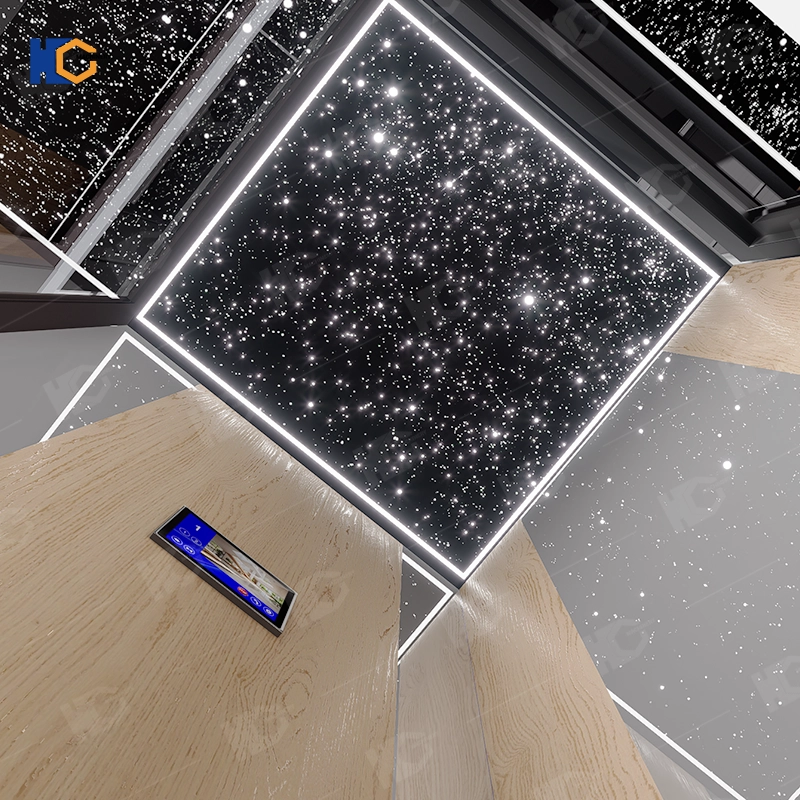
Both the elevator ceiling lights and the flooring can be customized.
4. Does the Number of Floors Change the Price?
The number of floors is an important part of a villa lift quotation, but it is not the only factor that determines the price. Travel height, cabin size, technical configuration, and the installation environment also matter.
Two-Storey Villa Lift Considerations
A lift serving two floors may be a practical option for a home where residents want easier movement between the ground floor and the upper level.
The equipment configuration depends on the selected model and the building’s layout. Even for a two-storey villa, the required travel height, door locations, cabin dimensions, and installation clearances should be confirmed.
If the home is still being designed, allocating space for the lift early may give you more flexibility when comparing suitable models.
Three-Storey Villa Lift Considerations
For a three-storey villa, consider how frequently the lift will be used, which floors it must serve, and whether the cabin should accommodate particular accessibility needs.
Some Huichuang lift shaftless residential elevator listings specifically describe three-floor configurations. Their published indicative factory equipment prices differ by product, illustrating why it is important to compare the exact model rather than relying on floor count alone.
You can review the Shaftless Home Elevator, 3 Floors and the Small Shaftless Residential Elevator, 3 Floors for examples.
Four- and Five-Storey Home Lift Considerations
For a villa with four or five floors, confirm that the selected elevator model supports the required number of stops and total travel height.
The building’s available space, structural design, power supply, and local requirements may affect which models are suitable. A model advertised for multiple floors should not be assumed to fit every building with that number of storeys.
Ask the supplier to confirm the supported configuration and identify any project-specific conditions before making a final selection.
5. Factory Equipment Price vs. Total Installed Cost
One of the most important steps in budgeting for a villa lift is distinguishing the factory equipment price from the complete installed project cost.
The factory price refers to the elevator equipment supplied under the agreed quotation terms. Other expenses may be incurred before the lift can be installed, commissioned, and used.
What Is Included in the Factory Price?
The factory equipment price depends on the specific model and the components listed in the quotation. It may cover the main elevator equipment and the components included in the selected configuration.
However, the headline price alone does not establish exactly what is included. Confirm whether the quoted cabin, doors, controls, accessories, and other components match your requirements.
Ask for a written specification and a list of inclusions and exclusions. This provides a clearer basis for comparing suppliers.
Shipping, Import Duties, and Taxes
For an international purchase, the cost of transporting elevator equipment to the destination may be separate from the factory price.
Depending on the delivery arrangement and destination, additional expenses may include freight, insurance, customs clearance, import duties, and applicable taxes. The actual charges depend on the shipment and local regulations.
Before ordering, confirm the delivery terms, who is responsible for customs clearance, and which transportation costs are included in the quotation.
Construction and Site Preparation
Construction costs depend on whether the lift is being installed in a new villa or an existing home.
Depending on the chosen system and building conditions, preparation work may involve creating or modifying a shaft, preparing a pit, making floor openings, adjusting landings, or carrying out structural work.
A shaftless design may reduce the need for a conventional shaft in certain applications, but the site still needs to meet the model’s requirements. Have the building assessed before assuming that extensive construction work can be avoided.
Installation, Commissioning, and Local Compliance
Installation and commissioning are not automatically included in a factory equipment price. The quotation should identify who is responsible for installation, testing, handover, and any related services.
Local building codes, electrical requirements, permits, inspections, and elevator safety standards may also affect the project. Requirements differ by location, so consult appropriately qualified local professionals.
Before placing an order, clarify the responsibilities of the manufacturer, installer, building contractor, and property owner.
How to Compare the Full Cost
Use the following table to identify potential expenses beyond the elevator equipment itself.
| Cost item | Included in factory equipment price? | What to check |
|---|---|---|
| Main elevator equipment | According to the quotation | Model and technical specification |
| Cabin, doors, and controls | Depends on the selected configuration | Included components and optional upgrades |
| Shipping and freight | Not necessarily | Delivery terms and transport charges |
| Import duties and taxes | Not necessarily | Destination-specific obligations |
| Construction and site preparation | Usually separate | Shaft, pit, openings, and structural work |
| Electrical work | Depends on the agreed scope | Site wiring and power supply requirements |
| Installation and commissioning | Not automatically included | Installer responsibilities and service scope |
| Permits and inspections | Not automatically included | Local regulations and approval requirements |
| Maintenance and after-sales service | Depends on the agreement | Warranty, maintenance arrangements, and support |
Not every project will incur every item listed above. The purpose of the table is to identify costs that should be checked before calculating the total budget.
6. How Much Space Does a Villa Lift Need?
The amount of space required for a villa lift depends on the model, cabin dimensions, door arrangement, travel height, and installation design. There is no single set of dimensions that applies to every residential elevator.
Space Requirements for a New Villa
When planning a new villa, it is helpful to consider the lift during the architectural design stage. This gives the design team an opportunity to coordinate the elevator location with stairs, corridors, landings, and structural elements.
Request the manufacturer’s installation drawings and technical requirements before finalizing the building layout. These documents can help architects and contractors plan the required space and avoid costly changes later.
The design should also account for maintenance access, electrical requirements, and any relevant building and safety regulations.
Installing a Lift in an Existing Home
Retrofitting a lift into an existing villa can involve more constraints than installing one in a new building. Available floor space, stairwell dimensions, ceiling height, structural elements, and access between floors may limit the available options.
Before choosing a model, assess the proposed installation area and confirm whether modifications are required. Photographs, floor plans, and approximate measurements can help a supplier understand the project, although a site assessment may still be necessary.
The cost of these modifications should be evaluated separately from the factory equipment price.
Shaftless Designs for Space-Limited Properties
A shaftless home lift may be worth investigating when the property has limited space for a conventional elevator shaft. However, the term “shaftless” should not be interpreted as meaning that the lift can be installed anywhere without preparation.
Each model has specific requirements for clearances, supporting structures, access, and installation. Confirm the manufacturer’s technical specifications and check local regulations before deciding whether a shaftless system is suitable.
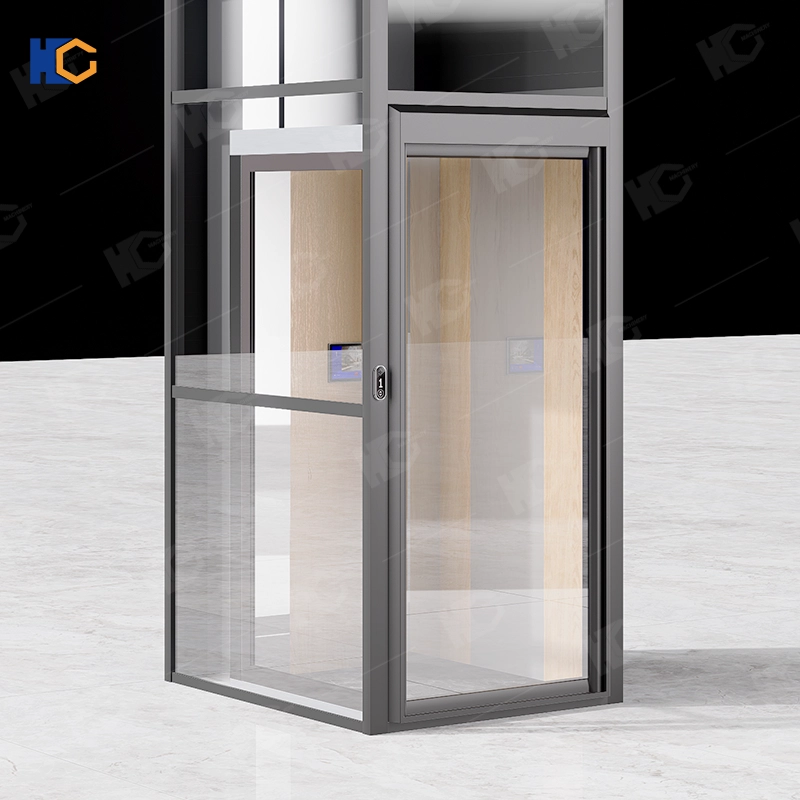
A small home elevator.
7. Which Villa Lift Is Best for Your Budget?
The best villa lift is not necessarily the one with the lowest advertised price. It is the model that meets your building’s requirements, fits your budget, and offers a suitable scope of supply and after-sales support.
Choosing a Hydraulic Lift
A hydraulic lift may be worth comparing if you are looking for a residential elevator with a competitive initial equipment price.
Start by checking the rated load, travel height, cabin dimensions, and installation requirements. Then confirm what is included in the quotation and ask about maintenance and servicing arrangements.
The selected Huichuang lift hydraulic models have published indicative factory equipment prices of $3,700–$5,500. Use these figures for initial comparison, not as a guaranteed final price for your specific project.
Choosing a Traction Lift
A traction lift may be appropriate when its technical characteristics suit the building and the homeowner’s preferences.
When comparing traction models, look beyond the headline price. Confirm the supported number of floors, installation requirements, cabin configuration, power needs, and the availability of local installation and maintenance services.
The K600 Traction Elevator provides one reference point, with an indicative factory equipment price of $5,500–$7,600 on its product page.
Choosing a Shaftless or Glass Lift
A shaftless lift may be worth considering for certain existing homes, while a glass lift may appeal to homeowners who want a more visually distinctive design.
These options serve different priorities, and neither is automatically the best choice for every villa. Consider the building layout, design goals, installation work, and total project budget before deciding.
Ask the supplier to confirm which features are standard and which increase the equipment price. This is particularly important when comparing customized cabin finishes and glass designs.
8. How to Reduce Villa Lift Costs
Reducing the cost of a villa lift does not simply mean choosing the cheapest model. Careful planning can help you avoid unnecessary customization, unexpected construction work, and misunderstandings about what the quotation covers.
Define Your Essential Requirements First
Before requesting a quotation, identify the number of floors, intended users, cabin size, rated load, and essential accessibility requirements.
Separating essential features from optional design upgrades makes it easier to compare suitable models. It can also help prevent paying for specifications that do not benefit your household.
If you are uncertain about a technical requirement, ask the supplier to explain the available choices before selecting a configuration.
Compare Equivalent Specifications
When comparing quotations from different suppliers, make sure the models have comparable specifications. Differences in cabin size, load capacity, doors, controls, and included components can explain differences in price.
Ask each supplier to list the equipment and services included in the quotation. A lower headline price may cover a narrower scope or a different configuration.
Comparing equivalent specifications gives you a more useful basis for making a purchasing decision.
Plan the Lift During Building Design
If your villa is still in the planning or construction stage, discuss the lift with your architect and contractor early.
Early coordination can help the team allocate suitable space and plan structural openings, electrical work, and access requirements. It may also reduce the risk of making expensive changes after construction is complete.
For an existing property, assess the available installation area before committing to a particular elevator model.
Consider Long-Term Maintenance and Support
The initial equipment price is only one part of owning a home elevator. Maintenance, spare parts, servicing, and repairs may affect long-term costs.
Before purchasing, ask about warranty coverage, recommended maintenance, technical documentation, spare parts availability, and after-sales support in your location.
A suitable elevator should meet your practical requirements and have a realistic plan for ongoing service.
9. Buying a Villa Lift Directly From a Factory
Purchasing directly from a manufacturer can be an option for homeowners, developers, contractors, or distributors who want to compare equipment prices and specifications at the source.
However, factory-direct purchasing should be evaluated according to the quotation terms and the support available for the intended project.
Potential Benefits of Factory-Direct Purchasing
Buying directly from a factory may provide a clearer way to discuss model specifications, available configurations, and customization options with the supplier.
It can also help buyers understand which components are included in the equipment price and which services must be arranged separately.
The actual financial benefit depends on the product, order requirements, shipping terms, and local installation arrangements. Factory-direct purchasing does not automatically guarantee the lowest total installed cost.
What to Confirm Before Placing an Order
Before paying a deposit or confirming an order, request a written quotation that identifies the model, technical specifications, configuration, price, delivery terms, and payment conditions.
Confirm the expected production and delivery arrangements, applicable warranty terms, documentation, and responsibilities for installation and commissioning.
For international projects, also clarify the shipping arrangements, import responsibilities, and availability of qualified local installation and maintenance services.
10. How to Get a Villa Lift Quotation From Huichuang lift
Online prices can help you identify a suitable budget range, but a project-specific quotation is necessary to confirm the equipment configuration and actual price.
Huichuang lift offers several residential elevator options, including hydraulic, traction, shaftless, and glass sightseeing models. The right starting point is to identify the type of lift and configuration that may suit your building.
Information to Prepare for a Quote
Providing clear project details helps the supplier understand your requirements and identify the appropriate model.
Prepare the following information where available:
- Project location: Country and city where the elevator will be installed.
- Building type: New-build villa, existing home, or renovation project.
- Number of floors: Total floors and required stops.
- Travel height: Approximate vertical distance between the lowest and highest stops.
- Available space: Approximate installation area and any known height or structural restrictions.
- Preferred elevator type: Hydraulic, traction, shaftless, or glass sightseeing.
- Cabin requirements: Desired dimensions, rated load, and accessibility needs.
- Design preferences: Cabin materials, door styles, and optional finishes.
- Project stage: Planning, construction, or renovation.
A floor plan, installation-area photographs, or approximate measurements may help clarify the project. The final design should be based on the manufacturer’s technical requirements and any necessary site assessment.
How to Compare Quotations Accurately
Once you receive a quotation, check that it matches your requested specifications. Review the equipment price, included components, delivery arrangements, warranty, and installation responsibilities.
If you receive several quotations, compare them using the same technical requirements and supply scope. Ask for clarification when a price appears unusually low or when important items are not clearly listed.
You can browse the Huichuang lift Home Elevator product range to explore available options and contact the supplier to confirm current pricing and configuration details.
11. Frequently Asked Questions About Villa Lift Cost
What Is the Cheapest Villa Lift?
Among the selected Huichuang lift product listings covered in this guide, the hydraulic elevator models show indicative factory equipment prices of $3,700–$5,500.
However, the lowest equipment price does not necessarily mean the lowest overall project cost. Site preparation, shipping, installation, and other expenses may differ between projects.
Does the Factory Price Include Installation?
Not automatically. The factory equipment price refers to the elevator equipment under the stated quotation terms. Installation, commissioning, shipping, construction, and local compliance expenses may be separate.
Always request a written breakdown of the included and excluded items before making a purchase.
Does a Villa Lift Cost More for Additional Floors?
It can. A higher travel height or additional stops may require a different equipment configuration. The final price also depends on the selected model, cabin size, rated load, and other technical requirements.
Request a quotation based on the actual building layout rather than relying on floor count alone.
Is a Shaftless Lift Suitable for an Existing Villa?
It may be suitable for some existing homes, particularly where space for a conventional shaft is limited. However, suitability depends on the building layout, structural conditions, installation clearances, and applicable local requirements.
Confirm the model’s technical requirements with the supplier and consult qualified local professionals where necessary.
Can I Customize the Cabin and Lift Size?
Customization options depend on the elevator model. Cabin dimensions, door arrangements, finishes, and other features may be configurable within the manufacturer’s available specifications.
Ask which options are supported and how each change affects the factory equipment price.
What Additional Costs Should I Budget For?
Depending on the project, additional costs may include shipping, insurance, import duties, taxes, construction, electrical work, installation, commissioning, permits, and inspections.
Not every project requires every item. Request an itemized quotation and confirm local requirements to develop a more accurate budget.
How Can I Get an Accurate Villa Lift Price?
Provide the supplier with the project location, number of floors, approximate travel height, available space, preferred elevator type, cabin requirements, and design preferences.
With this information, the supplier can help identify a suitable configuration and confirm the current factory equipment price. You should also clarify shipping, installation, and other project expenses separately.
12. Conclusion: Choosing the Right Villa Lift for Your Budget
The cost of a villa lift depends on several factors, including the elevator type, number of floors, cabin dimensions, technical specifications, customization, and installation conditions.
For preliminary planning, selected Huichuang lift product pages list indicative factory equipment prices of approximately $3,700–$15,000. Hydraulic, traction, shaftless, and glass sightseeing elevators each offer different configurations, so the most suitable choice depends on your building and requirements.
Remember that these are factory equipment reference prices, not guaranteed installed project costs. Shipping, construction, electrical work, installation, taxes, and local compliance may add to the total budget.
To make an informed decision, compare equivalent specifications, confirm exactly what the quotation includes, and consider the long-term maintenance and support arrangements.
Please contact us to request a quotation tailored to your villa.
The right villa lift is one that fits your building, meets the applicable safety requirements, and provides a clear, suitable scope of supply—not simply the one with the lowest advertised price.

Huichuang Lift, based in Jinan, China, is a professional manufacturer of scissor lifts, home elevators, and lift platforms. With our own dedicated factory, we deliver high-quality, reliable lifting solutions tailored to meet diverse industrial and residential needs.
 Room 203, Second Floor, Building 8, Phase Ⅱ, Zhizao Town, Jibei Street, Jiyang District, Jinan City, Shandong Province
 +86 152 5319 3706
 admin@jnhclift.com