Types of Elevator: Complete Guide
Elevators are essential to modern buildings, enabling efficient vertical transportation in residential, commercial, and industrial environments. From compact home lifts to high-speed skyscraper systems, different types of elevators are designed to meet specific needs in terms of capacity, speed, building height, and usage frequency.
In this comprehensive guide, we will explore the main types of elevators, their working principles, features, applications, advantages, and limitations, helping you choose the most suitable system for your project.
What Is an Elevator?
An elevator (or lift) is a vertical transportation system that moves people or goods between floors of a building. It typically consists of:
- A cabin (car)
- A drive system
- Guide rails
- A control system
- Safety mechanisms
Elevators are broadly classified based on their drive mechanism, design, and application.
Main Types of Elevators by Drive System
1. Traction Elevators
Overview
Traction elevators are the most commonly used systems in mid- to high-rise buildings. They operate using steel ropes and a counterweight, powered by an electric motor.
How It Works
The motor rotates a sheave (pulley), moving the ropes that raise or lower the elevator car while the counterweight balances the load.
Types:
- Geared traction elevators
- Gearless traction elevators
Features:
- High speed (up to 10 m/s or more)
- Energy-efficient due to counterweight
- Suitable for tall buildings
Applications:
- Office buildings
- Hotels
- High-rise residential towers
- Shopping malls
Pros:
- Fast and efficient
- Lower energy consumption
- Smooth operation
- Suitable for heavy usage
Cons:
- Higher installation cost
- Requires overhead machine space (for some designs)
- Complex maintenance
2. Hydraulic Elevators
Overview
Hydraulic elevators use fluid pressure to move a piston that lifts the cabin. They are commonly used in low-rise buildings.
Features:
- Smooth and quiet operation
- Strong lifting capacity
- Lower initial cost
Applications:
- Residential homes
- Low-rise apartments
- Warehouses
- Small commercial buildings
Pros:
- Reliable and simple design
- Cost-effective
- Good for heavy loads
Cons:
- Slower speed
- Limited height (typically up to 5–6 floors)
- Requires hydraulic oil maintenance
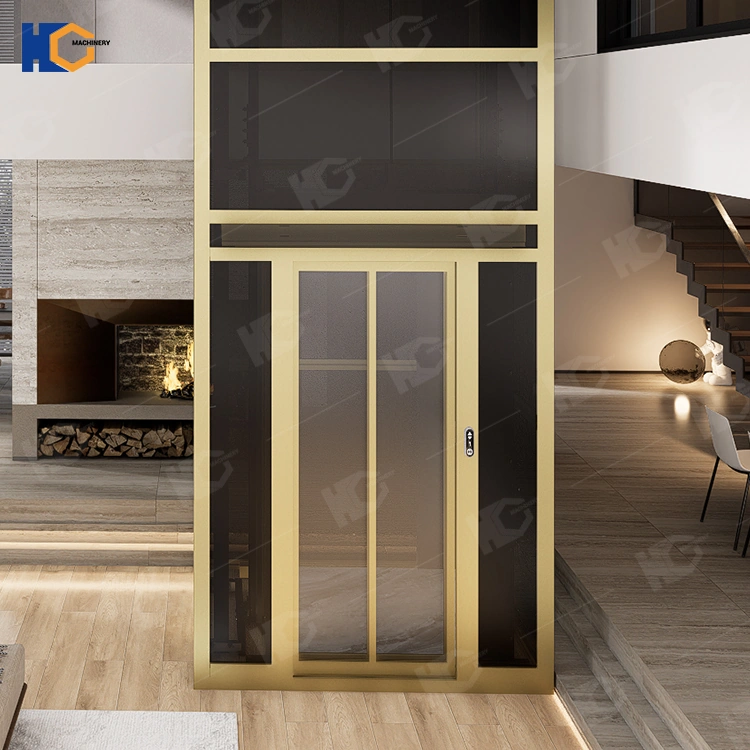
3. Machine Room-Less (MRL) Elevators
Overview
MRL elevators are a modern version of traction systems that eliminate the need for a separate machine room.
Features:
- Compact design
- Energy-efficient
- Reduced building space requirements
Applications:
- Mid-rise buildings
- Residential complexes
- Commercial offices
Pros:
- Space-saving
- Lower construction cost
- Modern design
Cons:
- Maintenance can be more complex
- Limited for very tall buildings
4. Pneumatic (Vacuum) Elevators
Overview
Pneumatic elevators use air pressure differences to move the cabin inside a transparent tube.
Features:
- No cables or pulleys
- Minimal structural requirements
- Modern aesthetic design
Applications:
- Private homes
- Luxury villas
- Small buildings
Pros:
- Easy installation
- Space-saving
- Energy-efficient
Cons:
- Limited capacity
- Higher cost per unit size
- Slower speed
5. Screw Drive Elevators
Overview
Screw drive elevators use a rotating screw mechanism to move the cabin.
Features:
- Compact system
- No machine room required
- Simple installation
Applications:
- Residential homes
- Low-rise buildings
Pros:
- Safe and reliable
- Low maintenance
- Compact footprint
Cons:
- Slower operation
- Limited travel height
- Noise may be higher than hydraulic
6. Chain Drive Elevators
Overview
Chain drive elevators use a chain mechanism instead of ropes.
Features:
- Durable lifting system
- Suitable for heavy loads
Applications:
- Industrial settings
- Warehouses
Pros:
- Strong lifting capability
- Durable
Cons:
- Noisy
- Requires regular maintenance
Elevator Types by Application
1. Passenger Elevators
Description
Designed to transport people comfortably and safely.
Applications:
- Residential buildings
- Offices
- Hotels
Features:
- Comfortable interiors
- Safety systems
- Moderate to high speed
2. Freight Elevators
Description
Used for transporting goods rather than people.
Applications:
- Factories
- Warehouses
- Logistics centers
Features:
- Heavy load capacity
- Durable construction
3. Home Elevators
Description
Compact elevators designed for residential use.
Applications:
- Villas
- Duplex homes
Pros:
- Improves accessibility
- Adds property value
Cons:
- Limited capacity
4. Hospital Elevators
Description
Specialized elevators for medical environments.
Features:
- Large cabin for stretchers
- Smooth operation
- Emergency controls
5. Service Elevators
Description
Used by staff in hotels or commercial buildings.
Applications:
- Hotels
- Restaurants
- Office buildings
6. Car Elevators
Description
Designed to transport vehicles.
Applications:
- Parking garages
- Car showrooms
Additional Types of Elevators (Advanced & Specialized)
1. Magnetic Levitation (Maglev) Elevators
Overview
Maglev elevators are an emerging technology that uses linear motor systems and magnetic levitation instead of cables or pistons.
Features:
- Rope-free operation
- Can move vertically and horizontally
- Extremely smooth and quiet
Applications:
- High-tech skyscrapers
- Smart buildings
- Future urban infrastructure
Pros:
- No height limitation from cables
- Multi-directional movement
- High efficiency
Cons:
- Very high cost
- Limited commercial availability
- Complex technology
2. Rack and Pinion Elevators
Overview
This type uses a gear (pinion) that climbs along a fixed rack, similar to a railway system.
Features:
- Strong traction even in harsh environments
- No reliance on cables
Applications:
- Construction sites
- Industrial plants
- Mining operations
Pros:
- Extremely durable
- Works in outdoor and rugged conditions
Cons:
- Noisy operation
- Not suitable for residential or luxury use
3. Inclined Elevators
Overview
Inclined elevators travel along a sloped track rather than vertically.
Features:
- Operates like a hybrid between an elevator and a funicular
Applications:
- Hillside homes
- Resorts
- Public transportation in mountainous areas
Pros:
- Ideal for sloped terrain
- Unique design flexibility
Cons:
- Limited applications
- Higher installation complexity
4. Platform Lifts (Vertical Platform Lifts – VPL)
Overview
Platform lifts are designed primarily for accessibility, especially for wheelchair users.
Features:
- Open or semi-enclosed platform
- Short travel height
Applications:
- Homes
- Schools
- Public buildings
Pros:
- Cost-effective accessibility solution
- Simple installation
Cons:
- Limited speed and travel distance
- Lower capacity compared to elevators
5. Stair Lifts
Overview
Stair lifts are not traditional elevators but are important mobility solutions.
Features:
- Chair mounted on a rail along stairs
Applications:
- Residential homes
- Elderly care
Pros:
- Very affordable
- Easy installation
Cons:
- Only for individual use
- Limited functionality
6. Scissor Lift Elevators
Overview
Scissor lifts use a folding support mechanism (like crossed beams) to raise platforms.
Features:
- Vertical lifting platform
- Hydraulic or electric drive
Applications:
- Warehouses
- Maintenance work
- Industrial lifting
Pros:
- Strong lifting capacity
- Simple design
Cons:
- Limited height
- Not for passenger comfort
7. Capsule Elevators (Panoramic Elevators)
Overview
Capsule elevators are designed with glass walls for aesthetic and viewing purposes.
Features:
- Transparent cabin
- Stylish design
Applications:
- Shopping malls
- Hotels
- Tourist attractions
Pros:
- Enhances building aesthetics
- Provides scenic views
Cons:
- Higher cost
- Requires more maintenance (cleaning, glass care)
8. Firefighter Elevators
Overview
These are specialized elevators designed for emergency use by firefighters.
Features:
- Fire-resistant construction
- Backup power systems
- Special control modes
Applications:
- High-rise buildings
- Commercial complexes
Pros:
- Critical for safety compliance
- Enables emergency response
Cons:
- Not used for regular passenger service
- Higher installation cost
9. Goods-Only / Dumbwaiter Systems (Advanced Types)
Overview
While basic dumbwaiters were mentioned, advanced versions include:
- Automated vertical logistics systems
- Smart delivery lifts
Applications:
- Restaurants
- Hospitals
- Warehouses
Pros:
- Improves operational efficiency
- Reduces labor
Cons:
- Limited size and function
10. Automated Parking Elevators
Overview
These systems transport vehicles vertically within automated parking structures.
Features:
- Fully automated
- Space-saving
Applications:
- Urban parking garages
- Commercial buildings
Pros:
- Maximizes parking capacity
- Reduces land usage
Cons:
- High initial investment
- Requires advanced control systems
Special Elevator Types
1. Double-Deck Elevators
- Two cabins stacked vertically
- Serve two floors simultaneously
- Used in high-rise buildings
2. Observation Elevators
- Glass walls
- Installed on building exteriors
- Provide scenic views
3. Dumbwaiters
- Small elevators for food or documents
- Used in restaurants and homes
Comparison of Elevator Types
| Type | Speed | Cost | Capacity | Best Use |
|---|---|---|---|---|
| Traction | High | High | Medium–High | High-rise |
| Hydraulic | Medium | Medium | High | Low-rise |
| MRL | Medium–High | Medium | Medium | Mid-rise |
| Pneumatic | Low | Medium–High | Low | Homes |
| Screw | Low | Medium | Low | Residential |
| Chain | Low | Medium | High | Industrial |
Key Factors When Choosing an Elevator
1. Building Height
- Low-rise → Hydraulic or screw
- Mid/high-rise → Traction or MRL
2. Usage Frequency
- High traffic → Traction
- Low traffic → Hydraulic
3. Budget
- Limited → Hydraulic
- Premium → Traction or pneumatic
4. Space Availability
- Limited space → MRL or pneumatic
5. Load Requirements
- Heavy goods → Freight or hydraulic
- Passengers → Traction
Safety Features in Modern Elevators
- Emergency brakes
- Overload sensors
- Door interlocks
- Backup power systems
- Alarm systems
Safety standards are regulated globally to ensure reliability.
Advantages of Modern Elevator Technology
- Energy efficiency
- Smart control systems
- Smooth ride quality
- Enhanced safety
- Customizable design
Disadvantages and Challenges
- High installation cost
- Maintenance requirements
- Space constraints
- Energy consumption (for some types)
Future Trends in Elevator Systems
Smart Elevators
- AI-based dispatch systems
- Touchless controls
Green Technology
- Regenerative drives
- Energy-saving systems
Space Optimization
- Compact and machine room-less designs
Conclusion
Understanding the different types of elevators is essential for selecting the right system for your building. Each type—whether traction, hydraulic, pneumatic, or screw-driven—offers unique advantages tailored to specific applications.
- Traction elevators dominate high-rise buildings
- Hydraulic elevators are ideal for residential and low-rise use
- MRL systems offer modern space-saving solutions
- Pneumatic and screw elevators provide compact alternatives for homes
By evaluating your building’s height, usage needs, budget, and space constraints, you can choose an elevator system that delivers efficiency, safety, and long-term value.
In an increasingly vertical world, elevators are not just a convenience—they are a critical component of modern infrastructure and living standards.

Jnhclift (Huichuang Lift), based in Jinan, China, is a professional manufacturer of scissor lifts, home elevators, and lift platforms. With our own dedicated factory, we deliver high-quality, reliable lifting solutions tailored to meet diverse industrial and residential needs.
 Room 203, Second Floor, Building 8, Phase Ⅱ, Zhizao Town, Jibei Street, Jiyang District, Jinan City, Shandong Province
 +86 152 5319 3706
 admin@jnhclift.com