How Much Does a Shaftless Home Elevator Cost?
As modern homes continue to evolve toward accessibility, convenience, and luxury living, shaftless home elevators have become one of the fastest-growing residential mobility solutions in the global market. Homeowners are increasingly searching for compact elevators that can fit into existing homes without requiring major structural modifications. This is exactly where shaftless home elevators stand out.
But one of the biggest questions buyers ask is: How much does a shaftless home elevator cost?
The answer depends on several factors, including elevator size, number of floors, drive system, customization, installation complexity, and safety features. Some compact shaftless elevators may cost less than a luxury kitchen remodel, while high-end, customized models can reach premium pricing.
In this complete guide, we will explain:
- What a shaftless home elevator is
- How it works
- Different drive systems
- Price ranges by size and floors
- Installation costs
- Maintenance costs
- Advantages and disadvantages
- Comparison with traditional home elevators
By the end of this article, readers will have a clear and professional understanding of shaftless home elevator pricing and how to choose the right system for their home.
What Is a Shaftless Home Elevator?
A shaftless home elevator is a compact residential elevator that travels between floors without a traditional enclosed shaft.
Unlike conventional elevators that need:
- A concrete shaft
- Machine room
- Deep pit
- Large overhead clearance
Shaftless elevators are built with a self-contained structure that moves through a floor cutout between levels.
These elevators are specifically designed for:
- Private homes
- Duplex houses
- Villas
- Small residential buildings
- Elderly accessibility upgrades
Most shaftless elevators are intended for:
- 2-floor homes
- Occasionally 3-floor configurations
Because they require minimal construction, shaftless elevators are popular for retrofit projects in existing homes.

How Does a Shaftless Home Elevator Work?
Shaftless home elevators operate using compact drive systems integrated directly into the elevator structure.
The elevator travels vertically through a floor opening while guide rails and safety systems stabilize the cabin.
Depending on the model, shaftless elevators may use:
- Traction drive systems
- Hydraulic systems
- Pneumatic vacuum technology
- Screw drive systems
Unlike commercial elevators, these systems are designed specifically for low-rise residential travel.
Main Working Principle
The elevator cabin moves between floors along guide rails using a motorized lifting mechanism.
Safety sensors and automatic locks secure the elevator during operation.
Most shaftless systems include:
- Integrated control systems
- Emergency stop buttons
- Backup battery systems
- Obstruction sensors
- Automatic door locks
Because the elevator structure itself supports movement, a separate concrete shaft is usually unnecessary.
Types of Shaftless Home Elevators
Different drive technologies greatly affect pricing, comfort, maintenance, and installation requirements.
Traction Shaftless Elevators
Traction systems use:
- Electric motors
- Counterweights
- Steel belts or ropes
Advantages:
- Smooth ride quality
- Energy efficiency
- Quiet operation
- Modern appearance
Disadvantages:
- Higher initial cost
- More advanced engineering requirements
Traction shaftless elevators are increasingly popular in luxury residential projects.
Hydraulic Shaftless Elevators
Hydraulic systems use fluid pressure to raise the elevator cabin.
Advantages:
- Strong lifting power
- Smooth operation
- Reliable technology
Disadvantages:
- More maintenance
- Hydraulic oil requirements
- Larger equipment size
Hydraulic systems are common in traditional residential elevators but less common in ultra-compact shaftless models.
Pneumatic Vacuum Elevators
Vacuum elevators use air pressure differences to move the cabin.
Advantages:
- Futuristic appearance
- Minimal construction
- Transparent panoramic design
- Energy-efficient downward travel
Disadvantages:
- Higher purchase price
- Limited capacity
- Slower travel speed
These elevators are highly popular in luxury homes.
Screw Drive Shaftless Elevators
Screw-driven elevators use a rotating threaded shaft to move the cabin.
Advantages:
- Compact design
- High safety
- No pit requirement
- Low structural impact
Disadvantages:
- Slower speed
- Slightly more mechanical noise
Screw drive systems are commonly used in compact residential elevators.

Average Shaftless Home Elevator Cost
The average shaftless home elevator price typically ranges from:
| Elevator Type | Average Price Range |
|---|---|
| Basic 2-Floor Shaftless Elevator | $15,000–$30,000 |
| Mid-Range Residential Elevator | $30,000–$50,000 |
| Luxury Custom Elevator | $50,000–$100,000+ |
This pricing usually includes:
- Elevator equipment
- Basic installation
- Standard controls
However, customization and structural modifications can significantly increase costs.
Shaftless Home Elevator Cost by Size
Elevator size is one of the biggest pricing factors.
Larger cabins require:
- Stronger motors
- Reinforced structures
- Larger floor openings
- Higher capacity systems
Small Single-Person Shaftless Elevator
Typical Specifications
- Capacity: 170–250 kg
- Cabin size: 0.8m × 0.8m
- Floors: 2
Average Price
- $15,000–$25,000
Best for:
- Elderly accessibility
- Wheelchair alternatives
- Compact homes
These are among the most affordable shaftless elevators.
Standard Two-Person Home Elevator
Typical Specifications
- Capacity: 250–400 kg
- Cabin size: 1m × 1m to 1.2m × 1.2m
- Floors: 2–3
Average Price
- $25,000–$45,000
Best for:
- Family homes
- Daily residential use
- Multi-story accessibility
This is the most common residential category.
Wheelchair Accessible Shaftless Elevator
Typical Specifications
- Capacity: 350–500 kg
- Wider cabin dimensions
- ADA-friendly access
Average Price
- $35,000–$60,000
These elevators require:
- Larger structural openings
- Enhanced safety systems
- Stronger lifting systems
Accessibility upgrades often increase costs significantly.
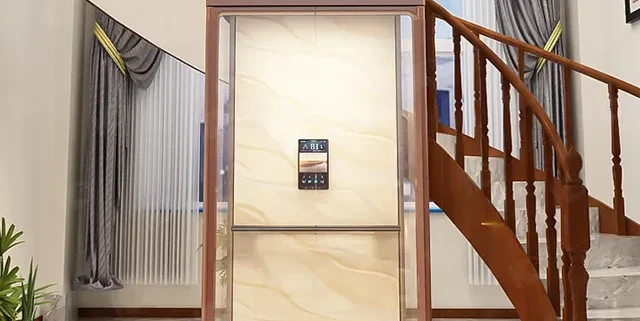
Luxury Panoramic Shaftless Elevator
Typical Specifications
- Glass cabin
- Premium finishes
- Smart controls
- Designer interiors
Average Price
- $50,000–$100,000+
Luxury homeowners often choose:
- Panoramic glass designs
- Touchscreen controls
- Customized lighting
- Smart home integration
These elevators combine functionality with architectural aesthetics.
Shaftless Home Elevator Cost by Number of Floors
The number of stops directly affects pricing because additional floors require:
- Longer rail systems
- More engineering
- Increased installation labor
- Additional safety controls
2-Story Shaftless Elevator Cost
Typical Price
- $15,000–$35,000
This is the most common installation type.
Advantages:
- Lower installation complexity
- Faster installation
- Minimal structural modifications
Most shaftless elevators are optimized for 2-floor travel.
3-Story Shaftless Elevator Cost
The 3-Story Shaftless Elevator is the most commonly used floor for home elevators. Many people are interested in learning more; you can visit our product introduction.
Typical Price
- $30,000–$60,000
Additional costs include:
- Extended rails
- More powerful motors
- Enhanced safety systems
Not all shaftless elevator models support 3-floor operation.
4-Story Residential Elevator Cost
Typical Price
- $50,000–$100,000+
At this height, many homeowners transition toward:
- Traditional residential elevators
- Traction systems
- Enclosed shaft systems
True shaftless solutions become less common for taller homes.
Installation Costs
Installation costs vary depending on:
- Home structure
- Flooring material
- Electrical upgrades
- Floor opening modifications
- Labor rates

Typical Installation Cost Breakdown
| Installation Item | Estimated Cost |
|---|---|
| Structural Floor Opening | $2,000–$10,000 |
| Electrical Work | $1,000–$5,000 |
| Elevator Assembly | $3,000–$10,000 |
| Permits and Inspection | $500–$3,000 |
Complex retrofit projects may cost more.
Older homes often require additional reinforcement.
Why Shaftless Elevators Are Cheaper Than Traditional Elevators
Traditional residential elevators usually require:
- Full concrete shaft
- Machine room
- Deep pit excavation
- Major construction work
Shaftless elevators reduce these expenses dramatically.
This lowers:
- Construction costs
- Installation time
- Structural modifications
For many homeowners, this is the main advantage.
Advantages of Shaftless Home Elevators
Space Saving Design
Shaftless elevators require significantly less space than traditional elevators.
This makes them ideal for:
- Existing homes
- Small houses
- Retrofit projects
Easier Installation
Most shaftless elevators install faster because they require:
- Minimal construction
- No machine room
- Smaller floor openings
Some projects can be completed within days.
Lower Construction Costs
Reduced structural work lowers total project costs.
Improved Accessibility
These elevators help:
- Elderly homeowners
- Wheelchair users
- Mobility-impaired residents
Aging-in-place home design is a major growth driver.
Modern Appearance
Many shaftless elevators feature:
- Glass panels
- Compact architecture
- Minimalist aesthetics
They often become attractive design features within homes.
Disadvantages of Shaftless Home Elevators
Limited Travel Height
Most shaftless systems are designed primarily for:
- 2 floors
- Occasionally 3 floors
They are not ideal for tall residential buildings.
Smaller Cabin Size
Compact designs often mean:
- Lower passenger capacity
- Limited cargo space
Large furniture transportation may be difficult.
Lower Speed
Shaftless elevators usually move slower than commercial traction elevators.
Limited Weight Capacity
Most systems support:
- 170–500 kg
Heavy-duty applications may require traditional elevator systems.
Maintenance Costs
Although residential elevators generally require less maintenance than commercial systems, regular servicing is still essential.
Average Maintenance Costs
| Service Type | Annual Cost |
|---|---|
| Basic Maintenance | $300–$800 |
| Premium Service Plans | $1,000–$2,500 |
Maintenance may include:
- Motor inspection
- Rail lubrication
- Battery testing
- Sensor calibration
- Safety inspection
Energy Consumption
Most shaftless elevators use relatively low electricity.
Typical power consumption:
- Similar to household appliances
- Often less than HVAC systems
Traction and vacuum systems are especially energy efficient.
Competitor Price Analysis
Let’s compare shaftless elevators with other residential mobility solutions.
Shaftless Elevator vs Stair Lift
| Feature | Shaftless Elevator | Stair Lift |
| Average Cost | $20,000-$40,000 | $3,000-$12,000 |
| Wheelchair Access | Yes | No |
| Property Value Impact | High | Low |
| Multiple Users | Yes | Limited |
| Appearance | Premium | Functional |
While stair lifts cost less initially, shaftless elevators offer superior long-term value.
Shaftless Elevator vs Platform Lift
| Feature | Shaftless Elevator | Platform Lift |
| Cost | $20,000-$40,000 | $6,000-$20,000 |
| Travel Height | Multiple Floors | Limited |
| Aesthetics | Excellent | Moderate |
| Property Value | High | Moderate |
Platform lifts are ideal for accessibility, while shaftless elevators provide a more luxurious solution.
Shaftless Elevator vs Vacuum Elevator
| Feature | Shaftless Elevator | Vacuum Elevator |
| Cost | Lower | Higher |
| Cabin Size | Larger | Smaller |
| Maintenance | Low | Moderate |
| Design Appeal | High | Very High |
Vacuum elevators attract luxury buyers but generally cost more.
Home Value Impact
One overlooked benefit is an increase in property value.
Real estate professionals often report that residential elevators:
- Expand the buyer pool
- Improve accessibility appeal
- Enhance luxury perception
- Increase resale potential
Luxury homes with elevators often command premium market prices.
Maintenance Costs
Modern shaftless elevators require relatively little maintenance.
Annual Maintenance Costs
| Elevator Type | Annual Cost |
| Screw Drive | $150-$500 |
| Hydraulic | $300-$800 |
| Traction | $300-$1,000 |
| Vacuum | $500-$1,200 |
Regular servicing extends system lifespan and improves reliability.
Lifespan of a Shaftless Home Elevator
A quality residential elevator typically lasts:
Standard Lifespan
15-25 years
Premium Systems
25-35 years
Factors affecting longevity include:
- Usage frequency
- Maintenance quality
- Installation quality
- Environmental conditions
Shaftless Elevator vs Traditional Home Elevator
| Feature | Shaftless Elevator | Traditional Elevator |
|---|---|---|
| Shaft Required | No | Yes |
| Machine Room | Usually no | Often yes |
| Installation Complexity | Lower | Higher |
| Space Requirement | Compact | Larger |
| Travel Height | Limited | Greater |
| Cost | Lower to moderate | Higher |
| Construction Time | Faster | Longer |
Shaftless elevators are best for homeowners seeking affordable accessibility with minimal remodeling.
Who Should Buy a Shaftless Home Elevator?
Shaftless elevators are ideal for:
- Elderly homeowners
- Aging-in-place renovations
- Small homes
- Luxury residential upgrades
- Existing home retrofits
They are especially popular among homeowners who want elevator convenience without major construction.
Future Trends in Shaftless Elevator Technology
The residential elevator market continues to evolve rapidly.
Emerging innovations include:
- Smart home integration
- AI diagnostics
- Touchless controls
- Ultra-quiet motors
- Panoramic glass cabins
- Energy regeneration systems
Manufacturers are also developing:
- Smaller footprints
- Faster installation systems
- Eco-friendly materials
The future of home elevators is increasingly compact, intelligent, and stylish.
Conclusion
So, how much does a shaftless home elevator cost?
The answer depends on elevator size, number of floors, drive technology, level of customization, and installation complexity. Most shaftless home elevators cost between $15,000 and $50,000, while luxury custom systems may exceed $100,000.
Compared with traditional residential elevators, shaftless elevators offer:
- Lower construction costs
- Easier installation
- Compact space requirements
- Modern aesthetics
- Improved accessibility
They are especially suitable for existing homes where adding a traditional shaft would be difficult or expensive.
As residential accessibility and aging-in-place design continue growing worldwide, shaftless home elevators are expected to become one of the most popular vertical mobility solutions for modern homes.

Jnhclift (Huichuang Lift), based in Jinan, China, is a professional manufacturer of scissor lifts, home elevators, and lift platforms. With our own dedicated factory, we deliver high-quality, reliable lifting solutions tailored to meet diverse industrial and residential needs.
 Room 203, Second Floor, Building 8, Phase Ⅱ, Zhizao Town, Jibei Street, Jiyang District, Jinan City, Shandong Province
 +86 152 5319 3706
 admin@jnhclift.com