Home Hydraulic Elevator Parts Used by JNHC LIFT
 +8615253193706
 admin@jnhclift.com
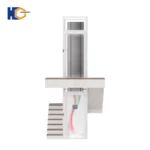
Hydraulic elevator configuration sheet
A home hydraulic elevator is more than a cabin moving between floors. It is an integrated system in which hydraulic, mechanical, electrical and safety components work together to provide controlled vertical transportation.
From the hydraulic pump unit and control valve to the cylinder, guide rails, landing doors and electrical controller, every component has a specific role. The performance of the complete elevator depends not only on the quality of individual parts but also on whether they are correctly selected, matched and installed.
For homeowners, elevator contractors, distributors and residential project developers, understanding home hydraulic elevator parts is important when purchasing a new lift, specifying a customized system or sourcing replacement components.
At Huichuang Lift, we manufacture home elevators and customized lifting equipment for residential applications. Our approach is to evaluate the complete elevator configuration rather than select individual components based on appearance or a single specification.
This guide explains the major hydraulic home elevator components, their functions, the differences between component groups, important compatibility checks and what buyers should prepare before requesting a quotation.
For an overview of our residential elevator range, explore our home elevator products and customized residential lift solutions.
1. How Does a Home Hydraulic Elevator Work?
A hydraulic home elevator uses pressurized hydraulic oil to generate the force needed to raise the elevator car.
The basic operating process involves three main stages.
Upward Movement
When a passenger selects a floor and the elevator’s control system authorizes movement, the electric motor drives the hydraulic pump.
The pump draws hydraulic oil from the reservoir and sends it through the hydraulic circuit toward the cylinder.
As pressure builds inside the cylinder, the piston or plunger moves and raises the elevator car through the designed mechanical support arrangement.
Downward Movement
In a conventional hydraulic arrangement, the car descends through a controlled release of hydraulic oil.
The control valve regulates the return flow from the cylinder to the reservoir. The elevator’s weight provides the force for downward movement, while the hydraulic circuit controls its speed.
Floor Leveling and Stopping
The electrical controller, position sensors, limit devices and hydraulic valve system work together to control stopping and floor leveling.
The system must stop at the designated landing position while maintaining the required safety conditions.
This is why a hydraulic home elevator cannot be evaluated by looking at its pump or cylinder alone. Hydraulic, mechanical and electrical components must work as one coordinated system.
For a detailed comparison of the two main drive technologies, read our guide to hydraulic elevators vs. traction elevators.
2. Main Home Hydraulic Elevator Parts and Their Functions
A residential hydraulic elevator can be divided into several major component groups.
The exact configuration varies according to the elevator’s rated load, travel height, number of stops, cylinder arrangement, installation layout and destination-market requirements.
The following table provides an overview of the main components.
| Component Group | Main Parts | Primary Function |
|---|---|---|
| Hydraulic power unit | Electric motor, pump, oil tank and filter | Generates and stores hydraulic power |
| Hydraulic control system | Control valve, check valve and pressure-related devices | Regulates hydraulic oil flow and pressure |
| Cylinder and jack assembly | Cylinder, piston or plunger, seals and supporting components | Converts hydraulic pressure into lifting movement |
| Hydraulic piping | Pipes, hoses, fittings and connections | Transfers hydraulic oil through the system |
| Guide system | Guide rails, brackets and guide shoes | Keeps the elevator car aligned during travel |
| Car structure | Car frame, sling, platform and cabin | Supports passengers and the cabin enclosure |
| Door system | Landing doors, car door or gate, locks and operators | Controls safe access to the elevator |
| Electrical control system | Controller, switches, sensors and control panels | Coordinates elevator operation |
| Safety system | Safety devices, emergency controls and buffers | Provides protection under specified operating conditions |
These components are related, but they are not all interchangeable across elevator models.
A replacement part should be selected according to the original equipment configuration and the manufacturer’s engineering requirements.


Elevator pump station
3. Hydraulic Power Unit: The Main Source of Lifting Power
The hydraulic power unit is one of the most important home hydraulic elevator parts.
Its main function is to supply pressurized oil to the cylinder when the elevator moves upward.
A typical power unit may include the following components.
Electric Motor
The electric motor supplies mechanical power to the hydraulic pump.
When selecting a replacement motor, buyers should check:
- Rated power.
- Voltage and phase.
- Frequency.
- Rated speed.
- Motor mounting and shaft arrangement.
- Electrical connection.
- Compatibility with the pump and controller.
A motor with a similar power rating is not automatically suitable for another elevator. The motor must match the hydraulic pump, electrical supply and intended operating duty.
Hydraulic Pump
The hydraulic pump moves oil from the reservoir into the elevator circuit.
Its output flow affects the movement speed, while the system pressure is related to the force required by the load and cylinder arrangement.
Pump selection should therefore consider both flow and pressure rather than horsepower alone.
Oil Reservoir
The oil tank stores the hydraulic fluid required by the system.
Its capacity and design depend on the hydraulic circuit and the elevator’s operating requirements.
Buyers should check the recommended oil type, reservoir capacity, temperature conditions and maintenance requirements.
Hydraulic Filter
A filter helps remove contaminants from the hydraulic oil.
Contamination can affect valve operation, cause component wear and reduce system reliability.
The correct filter specification and replacement schedule should follow the elevator manufacturer’s instructions.
Additional Power Unit Components
Depending on the configuration, the power unit may also contain:
- Pressure gauges.
- Isolation valves.
- Hydraulic silencers.
- Pressure switches.
- Temperature-related protection.
- Electrical terminals.
- Integrated valve blocks.
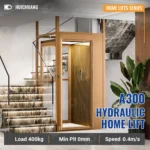
For example, our HC-A300 hydraulic home elevator features a compact residential configuration. Its actual component arrangement should be checked against the model-specific technical documentation.
4. Hydraulic Control Valves: Controlling Speed and Movement
The hydraulic control valve regulates the movement of oil between the pump unit and cylinder.
It plays an important role in upward movement, downward movement and floor leveling.
A hydraulic control valve assembly may include different functional elements.
Directional Control Valve
This valve controls the direction of hydraulic oil flow.
It helps manage the elevator’s upward and downward operating cycles according to the system design.
Check Valve
A check valve permits flow in the intended direction while restricting reverse flow.
Its role depends on its position within the hydraulic circuit.
Pressure Relief Valve
A pressure relief valve limits hydraulic pressure according to the designed setting.
It protects the hydraulic circuit from pressure exceeding its specified operating range.
Flow Control and Leveling Valves
These components regulate oil flow to achieve the required movement characteristics.
Incorrect adjustment or an unsuitable replacement can affect stopping accuracy, ride smoothness and operating behavior.
Manual Lowering Valve
Some hydraulic systems include a manual lowering device for emergency procedures.
Its operating method must be defined in the manufacturer’s instructions. It should not be treated as a general-purpose maintenance valve.
A key purchasing point is that valve compatibility involves more than fitting the same mounting position. Pressure range, flow capacity, port arrangement, solenoid voltage, circuit logic and safety function must all be checked.
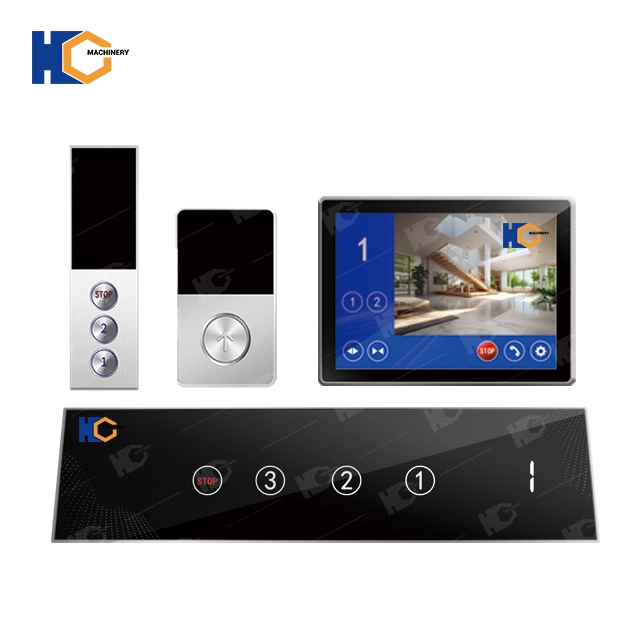
hydraulic elevator parts
5. Hydraulic Cylinder and Jack Assembly
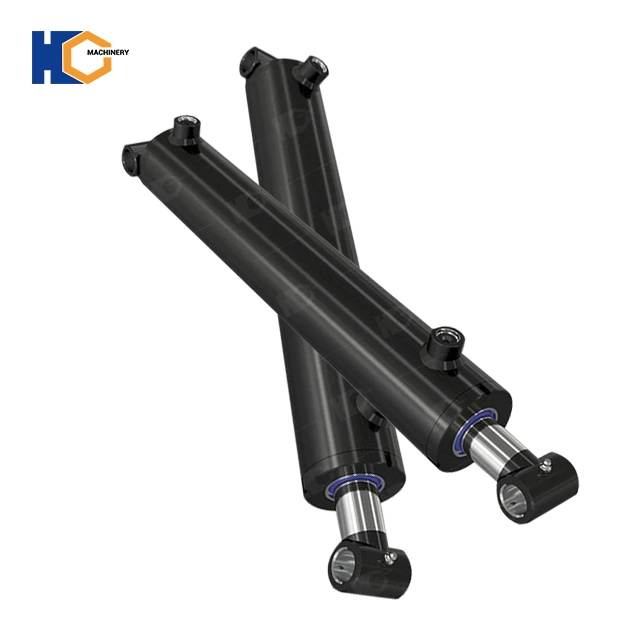
The hydraulic cylinder is the actuator that converts hydraulic pressure into mechanical movement.
It is a critical part of the elevator’s lifting system.
A typical cylinder or jack assembly may include:
| Part | Function |
|---|---|
| Cylinder body | Contains hydraulic pressure |
| Piston or plunger | Moves in response to hydraulic pressure |
| Cylinder head | Supports and guides the moving assembly |
| Seals and packing | Help prevent hydraulic oil leakage |
| Protective casing | Provides protection where required by the design |
| Supporting components | Connect the lifting mechanism to the elevator structure |
The arrangement of the cylinder depends on the elevator architecture.
Some systems use direct-acting hydraulic arrangements, while others use indirect or roped hydraulic configurations. The number and position of cylinders, the support arrangement and the movement relationship may therefore differ.
This distinction is important when purchasing a replacement cylinder.
Two cylinders with similar outside dimensions may have different bore sizes, stroke lengths, pressure ratings, mounting interfaces or internal configurations.
Before replacing a cylinder, request the original cylinder drawing and verify the actual operating parameters.
For a practical example of a residential hydraulic configuration, see our 2-person home hydraulic elevator from China manufacturer.
6. Hydraulic Pipes, Hoses and Fittings
Hydraulic pipes and hoses connect the pump unit, control valve and cylinder.
They must safely transfer hydraulic oil under the pressure and temperature conditions specified for the elevator.
The hydraulic connection system may include:
- Rigid hydraulic pipes.
- Flexible hydraulic hoses.
- Elbows and connectors.
- Flanges or threaded fittings.
- Pipe supports.
- Seals and connection hardware.
What Should Buyers Check?
When sourcing replacement hydraulic piping, verify the following details:
- Pipe or hose internal diameter.
- Rated working pressure.
- Connection thread or flange type.
- Port orientation.
- Material and pressure rating.
- Hose length and routing.
- Oil compatibility.
- Protection against abrasion and environmental damage.
A hose that fits physically may still have an unsuitable pressure rating or connection specification.
Hydraulic piping should also be inspected for leakage, corrosion, abrasion and other signs of damage.
Because these components are connected to the elevator’s hydraulic safety functions, installation and testing should be performed by qualified elevator personnel.
7. Guide Rails, Guide Shoes and Supporting Structure
Hydraulic pressure moves the elevator car, but it does not replace the mechanical guide system.
Guide rails and associated components help maintain the car’s alignment as it travels through the hoistway.
Guide Rails
Guide rails provide the vertical guiding surfaces for the elevator car.
Their dimensions, material, alignment and support arrangement must match the elevator design.
Guide Rail Brackets
Brackets connect the guide rails to the supporting building structure or designed elevator frame.
Incorrect bracket positioning or insufficient structural support can affect alignment and operating stability.
Guide Shoes
Guide shoes are mounted on the elevator car frame or sling and travel along the guide rails.
Depending on the design, they may use sliding liners or rollers.
Wear or incorrect adjustment can contribute to noise, vibration and uneven movement.
Car Frame and Sling
The car frame or sling supports the cabin and its associated structural components.
It transfers the designed loads through the elevator’s supporting arrangement.
When planning a new installation, guide rail positioning and structural support should be considered together with the cabin dimensions and building layout.
Our 2–3 floor small home elevator solutions provide another reference for evaluating residential elevator layouts and space requirements.
8. Elevator Cabin, Platform and Interior Parts
The elevator cabin is the space passengers use during travel.
Although it is mainly associated with comfort and appearance, its structure and fittings are important parts of the overall elevator system.
Common cabin components include:
- Cabin frame.
- Cabin platform and flooring.
- Wall panels.
- Ceiling and lighting.
- Handrails, where specified.
- Operating panel.
- Emergency communication equipment.
- Ventilation components, where required.
Cabin Material Options
Depending on the model, buyers may consider:
Stainless steel: Suitable for a clean, durable interior appearance and regular household use.
Tempered glass: Often selected for panoramic or sightseeing residential elevator designs.
Decorative panels: Can be customized to match the interior style of a house or villa.
Flooring materials: Should provide a suitable surface for daily use and be compatible with the cabin structure.
For households planning wheelchair access or improved mobility, cabin dimensions, entrance width, control-panel height and accessible operation should be considered during the original design stage.
Our home lifts for disabled users provide a related reference for accessibility-oriented residential lifting solutions.
9. Home Hydraulic Elevator Door System
The door system controls passenger entry and exit at each floor.
It is also connected to the elevator’s operating and safety circuits.
A typical door system may include:
Landing Doors
Landing doors are installed at the floor entrances.
Their size, construction and opening direction should match the hoistway design and local requirements.
Car Doors or Gates
The car door or gate provides a physical barrier at the elevator entrance.
Its design depends on the elevator model and configuration.
Door Operator
Automatic door systems use a door operator to open and close the doors.
Its operation should be coordinated with the elevator controller and landing position.
Door Locks and Interlocks
Door locking and electrical interlocking devices help prevent normal elevator movement when required door conditions are not satisfied.
These components perform safety-related functions and must not be bypassed or replaced with unapproved alternatives.
When investigating a door-related operating problem, the door system should be assessed separately from the hydraulic power unit.
A door that does not close correctly does not necessarily indicate a hydraulic fault.
10. Electrical Control System and Operating Components
The electrical control system coordinates the elevator’s operating sequence.
It receives passenger commands, checks safety conditions and controls the motor, valves and other electrical devices.
Common components include:
| Electrical Component | Function |
|---|---|
| Main controller | Coordinates elevator operating logic |
| Motor starter or contactor | Controls the motor’s electrical supply |
| Relay and protection devices | Manage electrical switching and protection |
| Position sensors | Provide information about elevator location |
| Limit switches | Identify designated travel limits |
| Car operating panel | Allows passengers to select floors |
| Landing call buttons | Allow passengers to request the elevator |
| Display and indicators | Show operating or position information |
| Traveling cable | Carries electrical signals and power between moving and fixed sections |
| Alarm and communication devices | Support passenger communication during specified situations |
The controller must be compatible with the motor, valve assembly, sensors and complete safety circuit.
For this reason, replacing a controller based only on the number of floors or physical cabinet size is not sufficient.
The original electrical diagram, input and output configuration, control voltage and safety circuit arrangement should be reviewed before ordering.
11. Safety Components in a Home Hydraulic Elevator
Safety components are not ordinary accessories. They perform specific protective functions and must be selected according to the complete elevator design and applicable regulations.
Depending on the elevator architecture and market requirements, the safety system may include:
Hydraulic Safety Devices
These may include pressure relief devices, check valves, pipe rupture valves or other protective devices specified for the hydraulic circuit.
Their function and position depend on the system design.
A pipe rupture valve, for example, must not be treated as a generic flow-control valve.
Electrical Safety Devices
Electrical protection may include door interlocks, terminal limit devices, safety circuits and other monitoring components.
These devices help prevent normal operation under specified unsafe conditions.
Mechanical Safety Devices
Mechanical safety arrangements may include safety gear, buffers and structural protection components where required by the elevator design.
Emergency Operation
Emergency operation may use a manual lowering arrangement, backup power or another approved rescue method.
The method varies by elevator model.
Homeowners should know the designated emergency procedure and the contact details of the elevator service provider.
Important: Never bypass door interlocks, safety switches, pressure protection or other safety-related devices to make an elevator operate. Elevator inspection, maintenance, repair and commissioning should be handled by qualified personnel under the applicable local requirements.
12. Common Home Hydraulic Elevator Problems and Parts to Check
Understanding the relationship between component groups can help buyers communicate more effectively with elevator technicians.
The following table provides general inspection directions. It does not replace an actual fault diagnosis.
| Reported Symptom | Possible Areas to Investigate |
|---|---|
| Slow upward movement | Power supply, motor, pump, oil level, filter and hydraulic leakage |
| Rough or uneven movement | Control valve, hydraulic flow, guide shoes, rail alignment and system condition |
| Oil leakage | Pipe connections, hose fittings, cylinder seals and hydraulic components |
| Inaccurate floor leveling | Control valve, position sensors, controller and hydraulic leakage |
| Unusual pump noise | Motor, pump, oil condition, mounting and vibration isolation |
| Elevator does not respond | Electrical controller, safety circuit, door interlocks and power supply |
| Landing door does not close | Door operator, lock, interlock, sensor and electrical connection |
A Practical Example: Slow Upward Travel
When a home hydraulic elevator moves more slowly than usual, replacing the pump immediately may not solve the problem.
Other possible causes include:
- Insufficient or unsuitable hydraulic oil.
- Restricted filter or oil passage.
- Incorrect valve operation.
- Electrical supply problems.
- Internal leakage.
- Conditions affecting oil viscosity or operating temperature.
A technician should evaluate the full hydraulic circuit before recommending replacement parts.
This approach helps avoid unnecessary component purchases and reduces the risk of introducing new compatibility problems.
13. How to Choose Compatible Home Hydraulic Elevator Replacement Parts
This is one of the most important considerations for distributors, contractors and homeowners arranging repairs.
A common mistake is selecting a component because its name, appearance or general capacity seems similar to the original part.
Actual compatibility depends on the complete elevator specification.
Step 1: Identify the Elevator Model
Provide the manufacturer, model number, serial number and year of manufacture if available.
Photographs of the installed component and its nameplate are also useful.
Step 2: Identify the Hydraulic Architecture
Confirm whether the system uses direct-acting, indirect or another specified hydraulic arrangement.
Also record the cylinder position, number of cylinders and supporting mechanism.
Step 3: Match the Hydraulic Parameters
Depending on the component, relevant information may include:
- Rated load.
- Car mass.
- Rated speed.
- Travel height.
- Working pressure.
- Pump flow rate.
- Motor voltage and power.
- Cylinder bore and stroke.
- Valve model and adjustment range.
Do not compare pressure values without confirming their measurement location and operating conditions.
Step 4: Check Mechanical and Electrical Interfaces
For valves, pumps, motors and cylinders, verify:
- Mounting dimensions.
- Port sizes.
- Thread or flange type.
- Hose or pipe diameter.
- Motor shaft and coupling.
- Solenoid coil voltage.
- Electrical connector type.
- Controller input and output requirements.
Step 5: Confirm Safety Function Compatibility
Components that perform a safety function require particular attention.
A visually similar valve, switch or sensor is not automatically an approved replacement.
The manufacturer’s documentation and the applicable project requirements should determine the acceptable replacement.
Step 6: Keep Technical Records
For future maintenance and repeat orders, retain the following:
- Original equipment model.
- Component part numbers.
- Hydraulic circuit diagram.
- Electrical wiring diagram.
- Pump and motor data.
- Cylinder drawing.
- Valve model and settings.
- Oil specification.
- Installation and commissioning records.
- Approved replacement parts.
A complete record makes future procurement more efficient and helps prevent incompatible substitutions.
If you are comparing different residential elevator configurations before selecting a complete system, our small shaftless home elevator for 2–5 floors provides another design reference.
14. New Elevator Components vs. Replacement Parts: What Is Different?
Not every elevator component purchase has the same technical requirements.
A new elevator project begins with the complete system design. Components are selected together according to the intended building, rated load, travel, speed and installation conditions.
Replacement-part procurement starts from an existing system.
In this case, the original design must be understood before a component can be selected.
| Purchasing Situation | Main Requirement | Important Documentation |
|---|---|---|
| New hydraulic home elevator | Complete system compatibility | Layout drawing, specifications, hydraulic and electrical diagrams |
| Replacement pump unit | Match hydraulic output and electrical supply | Pump, motor and valve data |
| Replacement cylinder | Match lifting arrangement and mechanical interfaces | Cylinder drawing, stroke and pressure data |
| Replacement control valve | Match hydraulic flow and safety functions | Valve model, circuit diagram and settings |
| Door component replacement | Match door system and interlock arrangement | Door model, dimensions and electrical details |
| Electrical component replacement | Match controller logic and voltage | Wiring diagram, part number and connection details |
If you are comparing a hydraulic home lift with a traction alternative, the K900 traction home elevator provides a useful example of a different drive architecture.
The main lesson is simple: hydraulic components should be purchased for a compatible hydraulic system, not simply because they are advertised as residential elevator parts.
15. Maintenance Tips for Home Hydraulic Elevator Parts
Regular maintenance helps identify wear, leakage and abnormal operating conditions before they develop into more serious problems.
The actual inspection schedule should follow the manufacturer’s manual, elevator usage and local requirements.
Check Hydraulic Oil Condition
The oil should be checked for the correct level and visible contamination according to the manufacturer’s procedure.
Do not mix different hydraulic oils without confirming compatibility.
Inspect the Hydraulic System for Leakage
Qualified maintenance personnel should inspect cylinder seals, pipes, hoses, fittings and valve connections for signs of leakage.
Monitor Operating Noise
Changes in pump, motor or valve noise may indicate a developing issue.
Record unusual sounds and operating conditions for professional diagnosis.
Inspect Doors and Interlocks
Door operation and locking devices should be checked according to the approved maintenance procedure.
Do not force doors or bypass electrical interlocks.
Check Guide Components
Guide shoes, guide rails, brackets and related mechanical connections should be inspected for wear, alignment and secure installation.
Keep Maintenance Records
A maintenance record should include inspection dates, replaced components, test results, abnormal operating conditions and the technician’s recommendations.
This information is especially useful for homeowners, property managers and elevator distributors responsible for long-term equipment support.
16. What Affects the Cost of Home Hydraulic Elevator Parts?
The price of a replacement part or a complete hydraulic elevator package depends on several factors.
Component Type
A complete hydraulic power unit, cylinder assembly or controller is generally more complex than a basic fitting or switch.
The component category is an important starting point for quotation.
Technical Specification
Pressure rating, flow capacity, dimensions, motor power, material and control compatibility all affect the selection and price.
Original Manufacturer and Model
OEM replacement components and approved alternative components may have different pricing structures.
The buyer should understand whether the quoted part is an original component, an approved replacement or a customized assembly.
Quantity
Single replacement orders and bulk distributor orders may have different commercial terms.
Documentation and Testing
Some projects require additional technical documents, inspection records, testing or conformity documentation.
These requirements should be clarified before ordering.
Shipping and Delivery
The size, weight, packaging and destination of the parts affect international transportation costs.
For customers still evaluating complete residential elevator budgets rather than individual components, our 2-person small lift for home price guide provides related purchasing information.
17. Why Choose Huichuang Lift for Home Hydraulic Elevator Solutions?
Jinan Huichuang Machinery Manufacturing Co., Ltd., operating under the Huichuang Lift brand, is based in Jinan, Shandong, China.
The company focuses on lifting equipment manufacturing, including hydraulic aerial work lifts and residential home elevators.
Its published company information includes:
- Around 200 experienced staff.
- Multiple production workshops and product showrooms.
- Independent R&D and manufacturing capabilities.
- Home elevator and hydraulic lifting equipment product lines.
- Customization and OEM services.
- Overseas markets in North America, South America, Europe and Southeast Asia.
For home elevator projects, the value of working with a manufacturer is not limited to obtaining a quotation.
Buyers also need technical coordination, component configuration, installation information and a clear understanding of the selected elevator system.
You can learn more about Huichuang Lift and its manufacturing background.
Our home elevator factory and production capabilities provide further information for customers evaluating a long-term manufacturing partner.
Support for Customized Residential Projects
Every home elevator project has different site conditions.
A suitable solution may need to consider:
- Number of floors.
- Rated load.
- Travel height.
- Cabin size.
- Door configuration.
- Available shaft or installation space.
- Pit and overhead requirements.
- Power supply.
- Intended drive system.
- Local safety and inspection requirements.
For replacement-part inquiries, the original model and part information are equally important.
Providing complete specifications at the beginning helps the engineering team determine whether a component can be supplied directly or whether a customized solution is required.
18. What Information Should You Send When Requesting a Parts Quotation?
To help identify the correct component, prepare the following information before contacting the manufacturer.
| Information | Details to Provide |
|---|---|
| Elevator brand | Original manufacturer |
| Elevator model | Model and serial number |
| Elevator type | Hydraulic, traction or another drive system |
| Rated load | Rated capacity in kg |
| Number of floors | Total stops served |
| Rated speed | Elevator travel speed |
| Required part | Pump, valve, cylinder, controller, door or other component |
| Original part number | Part number or nameplate photograph |
| Technical drawing | Hydraulic or electrical drawing, if available |
| Dimensions | Mounting, connection and installation dimensions |
| Electrical details | Voltage, phase, frequency and coil voltage where relevant |
| Hydraulic details | Pressure, flow, oil type and cylinder information where relevant |
| Quantity | Number of components required |
| Destination | Country and delivery city |
Photographs are useful, but they should be accompanied by model numbers and technical information whenever possible.
A photograph can identify the general appearance of a component. It cannot always confirm its internal specifications or safety compatibility.
Frequently Asked Questions About Home Hydraulic Elevator Parts
1. What are the main parts of a home hydraulic elevator?
The main components include the hydraulic pump unit, electric motor, oil reservoir, control valve, hydraulic cylinder, pipes and hoses, guide rails, car frame, cabin, door system, electrical controller and safety devices.
The exact configuration depends on the elevator’s design.
2. What does a hydraulic power unit do in a home elevator?
The hydraulic power unit generates and supplies pressurized oil to the cylinder to raise the elevator car.
It typically includes an electric motor, pump, oil tank and associated hydraulic control components.
3. What is the function of a hydraulic elevator control valve?
The control valve regulates hydraulic oil flow and helps control upward movement, downward movement and floor leveling.
Its pressure and flow characteristics must match the elevator’s hydraulic system.
4. How does a hydraulic cylinder work in a home elevator?
The cylinder converts hydraulic pressure into mechanical movement.
When pressurized oil enters the cylinder, it moves the piston or plunger and raises the elevator car through the designed support arrangement.
5. Are hydraulic elevator parts interchangeable between different brands?
Not necessarily.
Compatibility depends on the elevator model, hydraulic architecture, working pressure, flow, electrical interfaces, mechanical dimensions and safety functions.
A replacement should be checked against the original technical documentation.
6. How often should home hydraulic elevator parts be inspected?
Inspection frequency depends on the elevator model, usage, manufacturer instructions and local requirements.
Qualified elevator personnel should carry out the required inspections and maintenance according to the applicable schedule.
7. What causes a hydraulic home elevator to move slowly?
Possible causes include hydraulic oil condition, filter restriction, pump or motor problems, valve performance, internal leakage or electrical supply issues.
A qualified technician should inspect the complete system before replacing a component.
8. Can I replace a hydraulic elevator pump with one that has the same motor power?
No. Matching motor power alone is not enough.
The replacement pump must also be compatible with required flow, operating pressure, mounting, coupling, hydraulic circuit and control arrangement.
9. What information is needed to order a replacement hydraulic cylinder?
Provide the elevator model, cylinder manufacturer and part number if available, cylinder dimensions, bore, stroke, pressure rating, mounting details and hydraulic architecture.
The original engineering drawing is especially helpful.
10. What happens to a hydraulic home elevator during a power outage?
The behavior depends on the model’s emergency operation system.
Some configurations use a manual lowering arrangement, while others may incorporate a backup power or automatic rescue function.
Owners should understand the specific emergency procedure supplied with their elevator.
11. Are guide rails part of the hydraulic system?
No. Guide rails are part of the elevator’s mechanical guiding structure.
They work with guide shoes and supporting brackets to keep the cabin aligned during movement, regardless of whether the elevator uses hydraulic or another drive technology.
12. Can Huichuang Lift provide customized home elevator components?
Huichuang Lift provides customized home elevator and hydraulic lifting equipment solutions.
For a specific component inquiry, buyers should provide the elevator model, original component details and relevant technical documents so the configuration can be reviewed.
Conclusion: Choose Home Hydraulic Elevator Parts by System Compatibility
Home hydraulic elevator parts work together to provide lifting power, movement control, passenger guidance, door operation and safety protection.
The hydraulic pump unit, control valve, cylinder and hydraulic piping form the main lifting circuit. Meanwhile, guide rails, cabin structure, doors, electrical controls and safety devices complete the residential elevator system.
When purchasing new equipment or sourcing replacement parts, buyers should look beyond component names and appearance.
The correct selection depends on the elevator’s architecture, rated capacity, travel, pressure, flow, mechanical interfaces, electrical configuration and safety requirements.
Huichuang Lift provides home elevator manufacturing and customized hydraulic lifting solutions for residential projects.
Looking for home hydraulic elevator parts or a customized residential elevator solution?
Send us your elevator model, required component, technical drawings and project location. Our team can review the information and help identify a suitable configuration.
Contact Huichuang Lift
- Website: https://www.jnhclift.com/
- Email: admin@jnhclift.com
- WhatsApp / Tel: +86 152 5319 3706
Contact Huichuang Lift for home hydraulic elevator parts and technical support.
We can also provide targeted component matching schemes and technical support according to customers’ customized needs. Welcome to contact our technical team for detailed product parameters and quotation information.
 Room 203, Second Floor, Building 8, Phase Ⅱ, Zhizao Town, Jibei Street, Jiyang District, Jinan City, Shandong Province