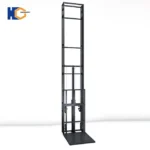
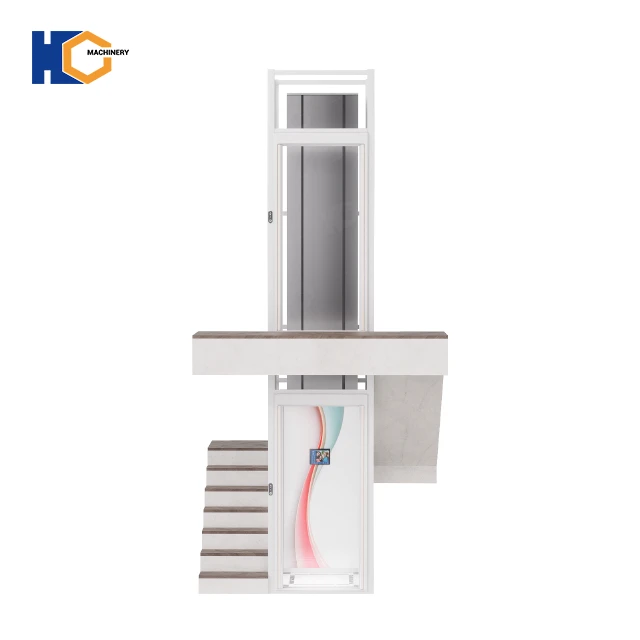
Hydraulic Elevator for Home
- Model: Hydraulic elevator for home
- Brand: HUICHUANG(JNHC lift)
- Customization: YES
- Manual: YES
- Price: $3,700–$5,500
- Payment Methods: TT
- Delivery time: 15 working days
 +8615253193706
 admin@jnhclift.com
Hydraulic elevator configuration sheet
A hydraulic elevator for home is a residential lift that uses a motor-driven pump, hydraulic fluid, and a cylinder system to raise and lower an elevator cabin. It is commonly considered for villas, duplexes, townhouses, and low-rise multi-story homes where homeowners need convenient access between floors, higher lifting capacity, or an alternative to climbing stairs.
Compared with other residential elevator systems, hydraulic home elevators are valued for their smooth movement, practical lifting performance, and flexible cabin configurations. However, not every hydraulic elevator fits every house. Available floor space, travel height, pit depth, overhead clearance, power-unit location, and local installation requirements must all be evaluated before selecting a model.
At Huichuang Lift, we manufacture customized home elevator solutions for different residential layouts. Our HC-A300 hydraulic home elevator is designed for selected two- to three-floor residential applications and features a published rated capacity of 400kg, a rated speed of 0.3m/s, and a model-specific minimum pit depth of 0mm.
This guide explains how hydraulic home elevators work, where they are suitable, what installation preparation is required, how to compare different drive systems, and what to consider when requesting a quotation from a manufacturer.
1. What Is a Hydraulic Elevator for Home Use?
A hydraulic home elevator is a residential transportation system that uses pressurized hydraulic fluid to move an elevator cabin between floors.
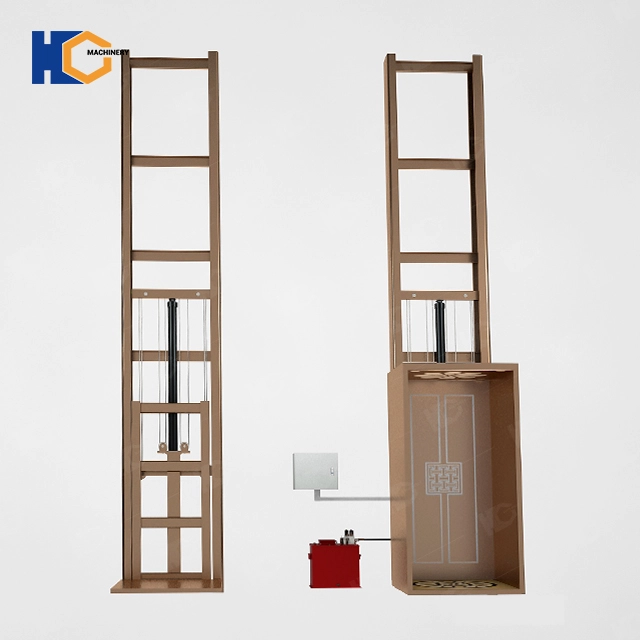
An electric motor drives a hydraulic pump, which transfers fluid from a reservoir into a cylinder. The resulting pressure moves a piston, lifting the cabin. When the elevator travels downward, a controlled valve allows the fluid to return to the reservoir.
Unlike a conventional traction elevator, which uses ropes or belts and a counterweight, a hydraulic elevator relies on a hydraulic power system to generate lifting force.
Main Components of a Residential Hydraulic Elevator
A typical hydraulic home elevator includes several important components:
| Component | Main Function |
|---|---|
| Hydraulic Pump Station | Generates the pressure required to move the elevator |
| Hydraulic Cylinder | Converts hydraulic pressure into mechanical lifting movement |
| Hydraulic Oil Tank | Stores the hydraulic fluid used by the system |
| Control Valve Assembly | Regulates oil flow, movement, and descent |
| Elevator Cabin | Provides the enclosed passenger space |
| Guide Rails | Keep the cabin aligned during vertical movement |
| Elevator Controller | Coordinates floor selection, operation, and safety functions |
| Landing Door and Door Interlocks | Control access to the elevator shaft |
| Safety Devices | Help protect passengers during abnormal operating conditions |
The hydraulic power station, cylinder, guide system, and controller work together to provide controlled vertical transportation.
For a more detailed technical explanation, see our guide to how a hydraulic elevator works.
2. How Does a Hydraulic Home Elevator Work?
A hydraulic elevator operates through two main movements: powered lifting and controlled lowering.
Going Up: Hydraulic Pressure Lifts the Cabin
When a passenger selects a floor, the control system activates the hydraulic pump.
The pump draws oil from the reservoir and directs it through the hydraulic valve system into the cylinder. As hydraulic pressure increases, the piston moves and lifts the elevator cabin along its guide rails.
The controller monitors the movement and stops the elevator when it reaches the selected landing.
Going Down: Controlled Oil Returns to the Reservoir
When the elevator travels downward, the control valve opens in a controlled manner.
The cabin descends under its own weight while hydraulic oil flows back into the tank. The lowering speed and stopping behavior are regulated by the hydraulic control system.
This is an important difference between hydraulic and traction elevators. A hydraulic elevator generally uses its pump motor to raise the cabin, while controlled descent is achieved through the hydraulic valve system.
Why Does the Hydraulic System Matter?
The quality of the hydraulic pump, cylinder, valves, seals, and controller affects the elevator’s operating performance.
For residential use, buyers should pay particular attention to:
- Stable lifting and lowering
- Accurate floor leveling
- Hydraulic pressure control
- Leakage prevention
- Pump station noise
- Emergency lowering arrangements
- Availability of replacement components
An attractive cabin is important, but the hydraulic system is what determines how the elevator performs every day.
3. Advantages and Disadvantages of Hydraulic Elevators for Homes
Hydraulic home elevators offer several practical advantages, particularly in low-rise residential buildings. Nevertheless, buyers should consider their limitations before choosing this technology.
Advantages of Hydraulic Home Elevators
1. Smooth and Controlled Movement
A properly configured hydraulic system provides controlled acceleration and deceleration. This can create a comfortable riding experience for homeowners, elderly residents, and families who use the elevator frequently.
2. Practical Load Capacity
Hydraulic systems can provide useful lifting capacities for residential applications. Depending on the design, they can transport passengers together with everyday items such as groceries, luggage, and household supplies.
For example, the Huichuang HC-A300 model has a published rated load capacity of 400kg.
3. Suitable for Low-Rise Homes
Hydraulic elevators are commonly considered for villas, duplexes, and private residences with a relatively short travel distance.
The HC-A300 is listed for two- to three-floor applications, making it a potential option for homeowners who need a compact residential elevator rather than a high-speed passenger lift.
4. Flexible Cabin and Appearance Options
Residential hydraulic elevators can be customized to match different interior styles.
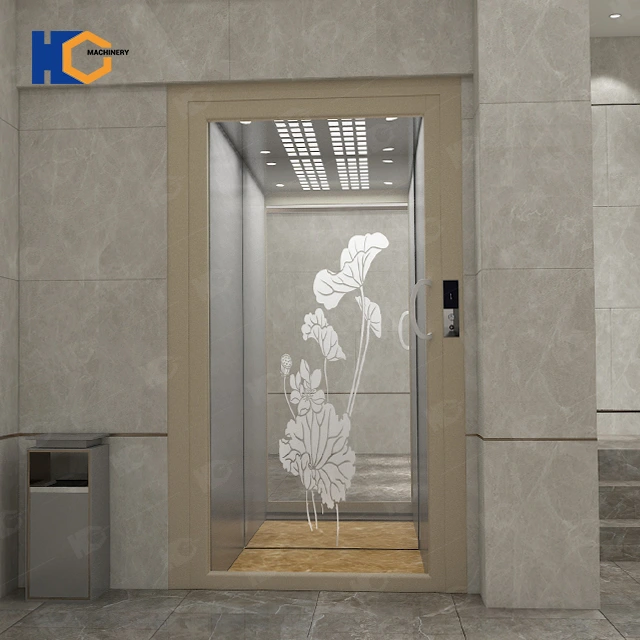
Possible options include tempered glass, stainless steel cabin walls, different shaft colors, decorative lighting, flooring patterns, and alternative control panels.
5. Model-Specific Installation Flexibility
Some modern residential hydraulic designs reduce traditional civil engineering requirements.
For example, Huichuang’s HC-A300 product page specifies a 0mm minimum pit depth and a 2200mm minimum overhead height. These dimensions are specific to that model and must not be assumed to apply to every hydraulic elevator.
Disadvantages and Limitations
1. Hydraulic Systems Need Regular Inspection
Hydraulic elevators use fluid, cylinders, hoses, seals, pumps, and valves. These components need periodic inspection to identify leakage, pressure problems, abnormal noise, or wear.
They should not be described as maintenance-free.
2. The Pump Station Needs a Suitable Location
The electric motor and hydraulic pump produce operating noise, particularly during upward travel.
The power unit should be located according to the manufacturer’s installation drawings, with suitable ventilation, maintenance access, and protection from unsuitable environmental conditions.
3. Travel Speed and Building Height Must Be Considered
Hydraulic home elevators are often selected for low-rise residential applications rather than buildings requiring high-speed transportation over many floors.
If your home has several levels or a longer travel distance, compare hydraulic and traction systems before deciding.
4. Energy Consumption Depends on Usage and Configuration
The motor consumes electricity when the pump raises the cabin. Actual energy consumption depends on rated load, travel distance, usage frequency, motor and pump efficiency, and standby requirements.
Do not assume that every hydraulic elevator uses less electricity than every traction elevator.
4. Huichuang HC-A300 Hydraulic Home Elevator: Real Specifications
Choosing a residential elevator becomes easier when you can compare an actual product specification instead of relying on general descriptions.
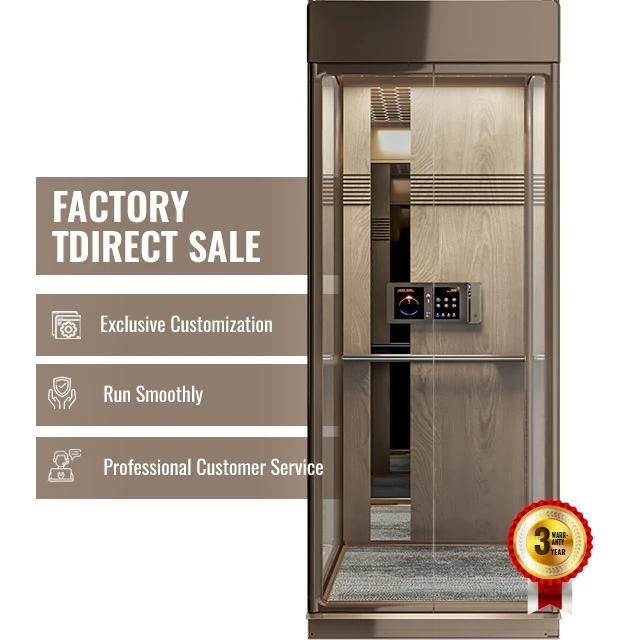
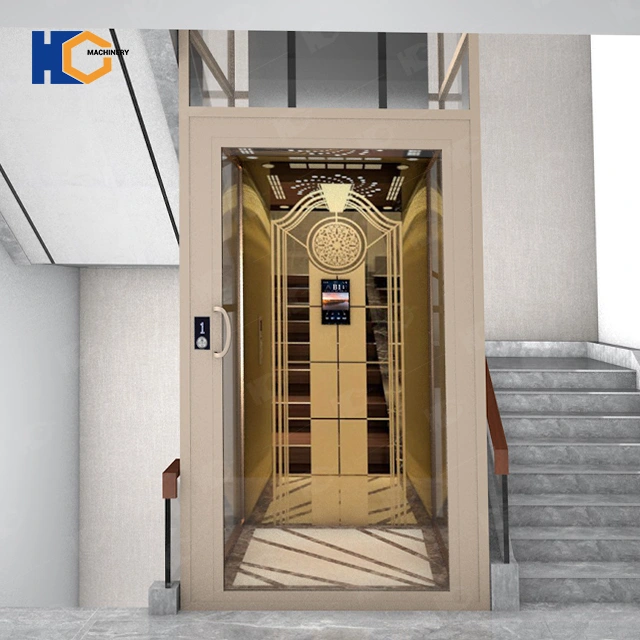
Huichuang’s HC-A300 is a compact hydraulic home elevator designed for selected residential applications. Its panoramic glass design and customizable cabin finishes make it suitable for projects where both functional transportation and interior appearance matter.
HC-A300 Technical Specifications
| Parameter | Published Specification |
|---|---|
| Model | HC-A300 |
| Elevator Type | Hydraulic Home Elevator |
| Rated Load Capacity | 400kg |
| Rated Travel Speed | 0.3m/s |
| Minimum Pit Depth | 0mm |
| Minimum Overhead Height | 2200mm |
| Suitable Floors | 2–3 floors |
| Installation Type | Freestanding indoor installation |
| Drive System | Hydraulic |
| Certification Information | CE certified, as stated on the product page |
| Customization | Available |
These are published product-page specifications. Actual dimensions and technical parameters should be confirmed against the final project drawing and agreed configuration before construction or ordering.
Product Appearance and Cabin Design
The HC-A300 features a panoramic sightseeing design with a visible cabin and frame structure. Buyers can discuss different visual configurations depending on their home layout and interior design.
Published customization options include:
- Eight standard shaft color options
- Etched stainless steel or tempered glass cabin walls
- Decorative backlit cabin wall options
- Stainless steel or optional decorative ceilings
- Anti-slip PVC flooring in different patterns
- Standard physical button panels or optional touch-screen panels
These choices allow homeowners and project developers to coordinate the elevator with the surrounding staircase, flooring, wall finishes, and lighting.
HC-A300 Safety Configuration
The published standard configuration includes several safety devices:
| Safety Device | Purpose |
|---|---|
| UPS Backup Power | Supports the specified emergency operation during power interruption |
| Infrared Light Curtain | Detects obstructions in the doorway |
| Speed Governor and Tensioner | Provides overspeed-related protection |
| Mechanical Safety Gear | Provides a mechanical safety function |
| Bottom Safety Sensor | Detects obstructions in the lower area |
| Emergency Stop Button | Allows the user to stop the elevator in an emergency |
The actual emergency rescue procedure, backup power behavior, and safety-device configuration must be confirmed in the final technical documentation.
The product configuration also highlights a low-noise pump station and a hot-galvanized structural frame. These components should be evaluated together with the hydraulic control system, installation environment, and maintenance accessibility.
For the complete product description, see our HC-A300 CE-certified hydraulic home elevator.
5. Does a Hydraulic Home Elevator Need a Pit or Machine Room?
This is one of the most important questions to answer before purchasing a hydraulic elevator.
The short answer is that requirements depend on the elevator’s drive arrangement and model design. Traditional hydraulic elevators often require a pit and a suitable machine space. Some compact or holeless residential configurations are designed to reduce or eliminate the need for a conventional deep pit or separate machine room.
What Does a Zero-Pit Hydraulic Elevator Mean?
A zero-pit elevator is designed with a minimum pit depth of 0mm according to its specified configuration.
For the Huichuang HC-A300, the published minimum pit depth is 0mm. This means the listed configuration does not require a conventional excavated elevator pit.
However, zero-pit installation does not automatically mean that no building preparation is required.
The project may still need:
- A suitable load-bearing floor
- Structural support according to the manufacturer’s drawings
- Correct anchoring and alignment
- Adequate landing and entrance clearances
- Space for the power and control equipment
- Electrical connections
- Compliance with applicable local installation rules
The floor and supporting structure must be assessed before installation.
How Much Overhead Clearance Is Required?
Overhead clearance is the vertical distance between the top landing and the ceiling or other structural obstruction above the elevator.
The HC-A300 product page specifies a minimum overhead height of 2200mm.
This dimension must be measured according to the manufacturer’s drawing. It should not be confused with the total building height or the height of the top-floor room.
Does the Elevator Need a Separate Machine Room?
A conventional hydraulic elevator usually needs an accessible location for its pump unit, oil tank, controller, and electrical components.
The HC-A300 product description specifies a compact arrangement in which the power unit can be integrated into the shaft-side or lower equipment area, without a separate dedicated machine room.
However, the exact equipment location must be confirmed in the approved layout. The pump and controller still require appropriate access for maintenance, inspection, and electrical isolation.
For architectural planning, request the manufacturer’s general arrangement drawing before finalizing the shaft, floor openings, and surrounding construction.
6. Hydraulic vs. Traction vs. Shaftless Home Elevators
Hydraulic is not automatically the best choice for every house. The correct drive system depends on the number of floors, available space, expected usage, budget, and local installation requirements.
| Comparison Factor | Hydraulic Home Elevator | Traction Home Elevator | Shaftless Home Elevator |
|---|---|---|---|
| Driving Principle | Hydraulic pump, fluid, and cylinder | Motor, ropes or belts, and traction system | Varies by model and drive design |
| Typical Application | Low-rise homes and villas | Residential projects requiring different travel and performance configurations | Selected low-rise homes with limited space |
| Load Capacity | Can offer practical residential capacities | Depends on motor and elevator design | Usually model-specific |
| Pit Requirement | Model-dependent; some compact models offer zero-pit design | Model-dependent | Often designed to reduce conventional shaft requirements |
| Machine Space | Pump and control equipment need an accessible location | Depends on MRL or machine-room configuration | Depends on the selected system |
| Maintenance Focus | Oil, seals, pump, valves, cylinder, and safety devices | Motor, traction components, brakes, ropes or belts, and controller | Depends on its mechanical and electrical design |
| Selection Priority | Low-rise use and hydraulic lifting performance | Travel requirements and drive-system efficiency | Space constraints and retrofit feasibility |
When Should You Choose a Hydraulic Home Elevator?
A hydraulic elevator may be worth considering when:
- Your property has two or three floors.
- A 400kg-class residential lifting capacity matches your needs.
- You want a smooth, controlled riding experience.
- The available installation space matches a hydraulic model’s drawings.
- Your project can provide suitable access to the hydraulic power unit.
- You need customized cabin finishes or a panoramic design.
When Is a Traction Home Elevator More Suitable?
A traction system may be preferable when the building’s travel requirements, usage frequency, energy considerations, or available structure better match a traction configuration.
Traction elevators use a different drive arrangement and may be available in machine-room-less designs.
You can compare another residential solution through our K900 traction home elevator.
Is a Shaftless Elevator the Same as a Hydraulic Elevator?
No. Shaftless is a description of an installation or structural arrangement, not a universal hydraulic drive specification.
Some compact home lifts use a self-supporting or specially designed structure to reduce conventional shaft construction. Their load capacity, travel height, safety arrangement, and operating principle can differ from a fully enclosed hydraulic passenger elevator.
For homeowners with tight space restrictions, compare our small shaftless residential elevator before selecting a system.
7. Hydraulic Home Elevator Installation Requirements: A Pre-Installation Checklist
A residential elevator should be selected before construction drawings are finalized, not after the floors, staircase, and electrical systems have already been completed.
For a reliable project, homeowners, architects, builders, and elevator manufacturers should coordinate the following information.
1. Number of Floors and Total Travel Height
Confirm the number of landing levels and the vertical distance between the lowest and highest stops.
The number of floors alone is not enough to determine the final configuration. Floor-to-floor height and total travel also affect the elevator design.
2. Shaft or Installation Space
Provide the available installation dimensions, including width, depth, wall construction, and entrance position.
Do not assume that a 1200mm × 1200mm opening will suit every 400kg home elevator. The required clear dimensions depend on the actual cabin size, guide rails, frame, doors, and installation clearances.
3. Pit and Overhead Dimensions
Confirm:
- Minimum pit depth
- Finished floor level
- Available overhead clearance
- Top-floor structural conditions
- Any beams or obstructions
For the HC-A300, the published minimum pit depth is 0mm and the minimum overhead height is 2200mm, subject to project-specific confirmation.
4. Structural Support
The building structure must support the loads and reactions specified by the elevator manufacturer.
The builder or structural engineer should review the floor slab, wall support, anchoring positions, and any required reinforcement.
5. Power Supply
Confirm the available electrical supply, voltage, phase, frequency, protective devices, and connection location with the manufacturer and local electrical contractor.
Do not select a power configuration simply because it is common in another country. The final electrical specification should match the installation location.
6. Pump and Controller Access
The hydraulic power unit needs a suitable location with sufficient access for maintenance and inspection.
Allow for the manufacturer’s specified clearances, ventilation, electrical isolation, and environmental protection.
7. Door Openings and Passenger Access
Confirm the landing door positions, clear opening dimensions, door type, threshold details, and approach space.
For elderly residents or wheelchair users, the cabin and entrance should be evaluated as a complete accessibility arrangement rather than looking at rated capacity alone.
8. Local Approvals and Installation Responsibilities
Check the building permit, elevator approval, inspection, testing, and installation requirements in the destination country or municipality.
The manufacturer should provide the technical documents required for the project, while local qualified professionals must confirm that the installation meets the applicable rules.
8. How Much Does a Hydraulic Elevator for Home Cost?
The cost of a hydraulic home elevator depends on the equipment configuration and the work required to install it in the building.
As a reference, Huichuang’s current HC-A300 product page displays a price range of US$3,700–US$5,500.
This is a product-page price indication for a specific hydraulic home elevator model, not a universal market price or a guaranteed installed project price. The published listing does not establish that international shipping, site construction, installation, local inspections, taxes, or other project expenses are included.
For a current quotation, buyers should confirm the model, cabin finish, destination, shipping terms, and exact scope of supply.
What Determines the Final Hydraulic Home Elevator Price?
1. Number of Floors and Travel Height
A two-stop elevator and a three-stop elevator may require different travel arrangements, components, and installation work.
2. Rated Load Capacity
A higher rated capacity can require different structural, hydraulic, and safety configurations.
3. Cabin Size and Interior Design
Cabin dimensions, stainless steel finishes, glass panels, decorative walls, ceiling design, and flooring options all affect the final specification.
4. Pit and Overhead Requirements
A model with a zero-pit configuration may reduce certain civil works. However, the actual saving depends on the building structure and other installation requirements.
5. Door and Control Configuration
Manual or automatic doors, landing arrangements, control panels, and optional functions can influence the quotation.
6. Safety Equipment
Emergency lowering, backup power, light curtains, door interlocks, overspeed protection, and other safety components must be clearly specified.
7. Installation and Local Construction
The cost of preparing the shaft, floor, electrical supply, and landing openings depends on the property and local contractor rates.
8. Shipping, Duties, and Taxes
For overseas orders, buyers should also calculate international freight, insurance if applicable, customs clearance, import duties, local taxes, and final transportation.
For a broader residential lift budgeting overview, see our small home elevator cost guide and elevator cost by building floor count.
9. Hydraulic Home Elevator Safety and Maintenance
Safety should be evaluated at the system level. A home elevator needs appropriate mechanical, electrical, door, travel, and emergency protection.
Essential Safety Features to Check
Before ordering, request details about:
- Door interlocks
- Emergency stop
- Overload protection, where specified
- Overspeed protection and safety gear
- Emergency lowering or rescue function
- Backup power arrangements
- Door obstruction protection
- Floor leveling accuracy
- Electrical protection and grounding
- Emergency communication provisions where applicable
The HC-A300 product page lists a UPS, infrared light curtain, speed governor and tensioner, mechanical safety gear, bottom safety sensor, and emergency stop button as standard safety devices.
Ask the manufacturer to confirm the exact safety configuration in the final order specification. Not every optional feature is included in every product version.
Hydraulic Elevator Maintenance Checklist
Hydraulic elevators are not maintenance-free. Their oil system and mechanical components should be inspected by qualified service personnel according to the manufacturer’s maintenance manual and local requirements.
| Component | Maintenance Focus |
|---|---|
| Hydraulic Oil Tank | Check oil level, contamination, and visible leakage |
| Hydraulic Hoses and Seals | Inspect for cracks, deterioration, and oil leaks |
| Pump and Motor | Check noise, vibration, and operating condition |
| Control Valves | Check controlled movement and stopping performance |
| Cylinder | Inspect sealing and hydraulic performance |
| Guide Rails | Check alignment, cleanliness, and fastening |
| Door Interlocks | Verify correct door locking and operation |
| Safety Devices | Test according to the maintenance procedure |
| UPS or Emergency System | Verify backup operation and rescue procedure |
Hydraulic oil should not be replaced according to an arbitrary universal interval. The correct service interval depends on the oil specification, operating environment, system condition, and manufacturer recommendations.
Likewise, any hydraulic leakage or abnormal movement should be investigated rather than treated as a normal operating condition.
10. What Standards Apply to a Residential Hydraulic Elevator?
Elevator regulations vary by country, state, and municipality.
A product certificate alone does not automatically mean that the complete installation is approved in every destination market.
For North American projects, ASME A17.1/CSA B44 is an important elevator safety code covering design, construction, installation, operation, inspection, testing, maintenance, alteration, and repair.
You can refer to the ASME A17.1/CSA B44 Safety Code for Elevators and Escalators.
For European projects, buyers should confirm the relevant European requirements and the exact conformity documentation applicable to the supplied model.
Before purchasing, ask the supplier to confirm:
- Which product model is covered by the certificate?
- Which standards or directives are referenced?
- Are the documents current and applicable to the supplied configuration?
- What local permits, inspections, or acceptance tests are required?
- Who is responsible for installation and final approval?
For JNHCLift’s HC-A300, the product listing identifies the model as CE certified. Buyers should request the corresponding certificate and supporting technical documentation and confirm whether the product configuration is acceptable in their jurisdiction.
11. Why Choose Huichuang Lift for a Hydraulic Home Elevator?
Huichuang Lift is the international brand of Jinan Huichuang Machinery Manufacturing Co., Ltd., located in Jinan, Shandong, China.
Our business covers the development, manufacturing, and export of hydraulic aerial work lifts and home elevators. We operate multiple production workshops and product showrooms and have an experienced team of approximately 200 employees.
For residential elevator projects, we focus on practical product selection and customized configurations based on the building layout and the customer’s requirements.
Own Manufacturing Facilities
Our factory manufactures home elevators and hydraulic lifting equipment. Customers can discuss product specifications, structural arrangements, and customization requirements directly with our team.
Hydraulic Components and System Configuration
The hydraulic pump station, control valves, cylinder, guide rails, cabin, landing doors, and safety components all influence elevator operation.
We provide product information and configuration discussions to help buyers understand the system before ordering.
Learn more about the hydraulic elevator parts used by JNHC Lift.
OEM and Customized Residential Elevators
Depending on the selected model and technical feasibility, customization may include:
- Cabin dimensions and layout
- Rated load capacity
- Floor number and travel height
- Shaft and cabin finishes
- Glass or stainless steel cabin design
- Door arrangements
- Control panel options
- Selected safety configurations
- Branding and export packaging
For customers comparing compact models, we also provide a small-size hydraulic home lift with 0.3m/s travel speed, as well as a two-person home hydraulic elevator.
Our team welcomes project discussions with homeowners, residential contractors, architects, developers, and overseas distributors.
You can also learn more about our home elevator factory and manufacturing facilities and company background.
12. How to Request a Hydraulic Home Elevator Quotation
To recommend a suitable hydraulic elevator, we need to understand the actual building and the way the elevator will be used.
You can prepare the following information before contacting our team.
| Information Required | Example or Description |
|---|---|
| Country and Project Location | Country, city, and applicable local requirements |
| Building Type | Villa, townhouse, duplex, or private residence |
| Number of Floors | Two, three, or more stops |
| Total Travel Height | Distance from the lowest to highest landing |
| Available Space | Proposed shaft or installation width and depth |
| Pit Depth | Available pit depth or zero-pit requirement |
| Overhead Height | Clearance above the top landing |
| Rated Load | Required passenger and goods capacity |
| Cabin Design | Glass, stainless steel, or customized finish |
| Door Configuration | Manual, automatic, or other specified arrangement |
| Power Supply | Local voltage, frequency, and phase |
| Quantity | Number of elevators required |
| Project Stage | New construction or existing-home renovation |
If possible, include architectural drawings, site photographs, and floor plans. These help our engineering team evaluate the available space and identify potential installation issues earlier.
The quotation process typically includes:
- Review of the project information.
- Preliminary model and configuration recommendation.
- Technical drawing and specification confirmation.
- Commercial quotation and scope clarification.
- Production and inspection arrangements.
- Delivery coordination and after-sales documentation.
For project-specific advice and pricing, contact Huichuang Lift with your elevator requirements.
13. Frequently Asked Questions About Hydraulic Elevators for Home
1. Is a hydraulic elevator suitable for a private home?
Yes. Hydraulic elevators can be suitable for villas, townhouses, duplexes, and other low-rise residences. The correct model depends on the number of floors, required load capacity, travel height, installation space, and applicable local requirements.
2. How many floors can a hydraulic home elevator serve?
It depends on the model and hydraulic system design. Huichuang’s HC-A300 is listed for two to three floors. Other configurations may support different travel distances and building layouts.
3. Does a hydraulic home elevator need a pit?
Not always. Traditional hydraulic elevator designs may require a pit, while selected compact residential models offer zero-pit configurations.
The Huichuang HC-A300 has a published minimum pit depth of 0mm. This specification applies to that model and must be confirmed against the project drawings.
4. Does a hydraulic elevator need a machine room?
A hydraulic elevator requires an appropriate location for its pump, hydraulic tank, controller, and electrical components. Some models use a separate machine room, while compact configurations can integrate the power unit into a designated equipment area.
Confirm the final equipment layout with the manufacturer before construction.
5. What is the load capacity of a home hydraulic elevator?
Residential hydraulic elevators are available in different capacities. The Huichuang HC-A300 has a published rated load capacity of 400kg. The required capacity should be selected according to the number of users, mobility requirements, cabin dimensions, and applicable regulations.
6. How fast does a residential hydraulic elevator travel?
Travel speed depends on the model. The HC-A300 has a published rated speed of 0.3m/s, which is designed for its intended low-rise residential application.
7. What happens if the power goes out?
The emergency operation depends on the elevator’s backup configuration. The HC-A300’s listed standard safety devices include a UPS. Buyers should confirm the rescue sequence, battery capacity, and operating functions in the final technical documentation.
8. Is a hydraulic home elevator noisy?
The cabin movement can be smooth, but the pump station and motor generate sound during upward travel. Noise depends on equipment design, installation location, vibration isolation, and building construction. A suitable power-unit location can help reduce disturbance in living areas.
9. How often should a hydraulic home elevator be maintained?
Maintenance frequency depends on usage, equipment configuration, local requirements, and manufacturer recommendations. Routine service should cover the hydraulic system, hoses, seals, valves, guide components, doors, electrical controls, and safety devices.
10. How much does a Huichuang hydraulic home elevator cost?
Huichuang’s HC-A300 product page currently lists a reference price of US$3,700–US$5,500. The actual quotation depends on the final model configuration and order requirements. Installation, freight, taxes, and local construction costs should be confirmed separately.
11. Can a hydraulic home elevator be customized?
Yes. Depending on the selected model, customers can discuss cabin size, shaft appearance, materials, finishes, rated capacity, travel height, door arrangements, and optional control or safety features.
12. Can I install a hydraulic elevator in an existing house?
In many cases, it may be possible, particularly when a compact or zero-pit model matches the available building space. However, the existing floor structure, headroom, installation access, power supply, and local approval requirements must be assessed before ordering.
Get a Customized Hydraulic Home Elevator Solution
A good residential elevator should fit the building as well as the people who use it.
Before selecting a hydraulic elevator for home use, compare the rated load, travel speed, cabin dimensions, pit depth, overhead clearance, power-unit arrangement, safety configuration, and long-term maintenance requirements.
Huichuang Lift offers hydraulic home elevator solutions for villas, duplexes, townhouses, and other low-rise residential projects. Our team can help review your building dimensions, recommend a suitable model, and discuss customized cabin and safety configurations.
Send us your floor plan, required capacity, number of stops, and available installation space to receive a suitable product recommendation and quotation.
Website: https://www.jnhclift.com/
Email: admin@jnhclift.com
Phone: +86 152 5319 3706
Do you provide installation and maintenance services?
Yes, we offer professional installation and maintenance services to ensure your elevator operates smoothly and safely throughout its lifespan.
FREQUENTLY ASKED QUESTIONS
Do You Have a Boom Lifts Factory?
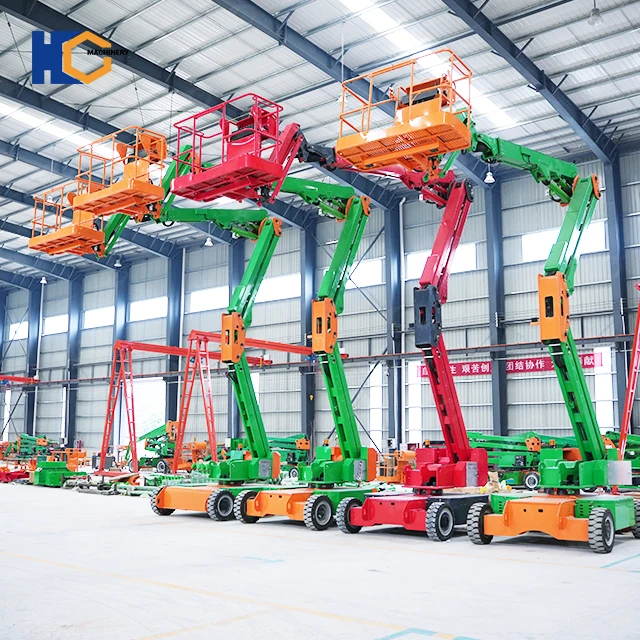
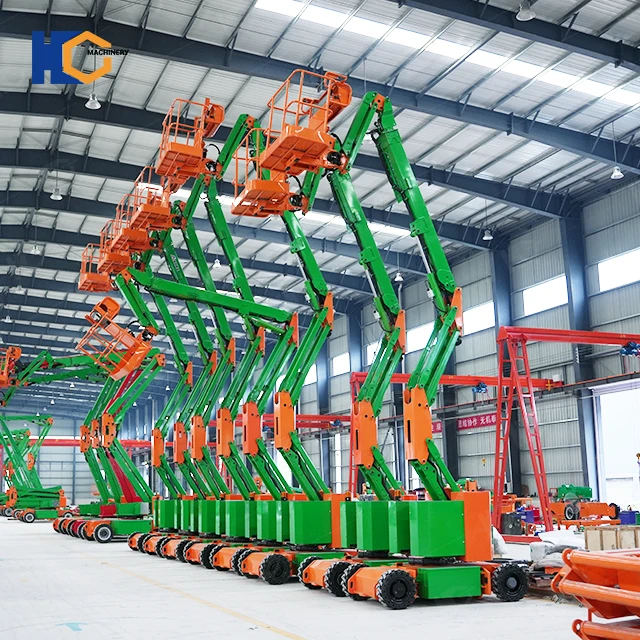
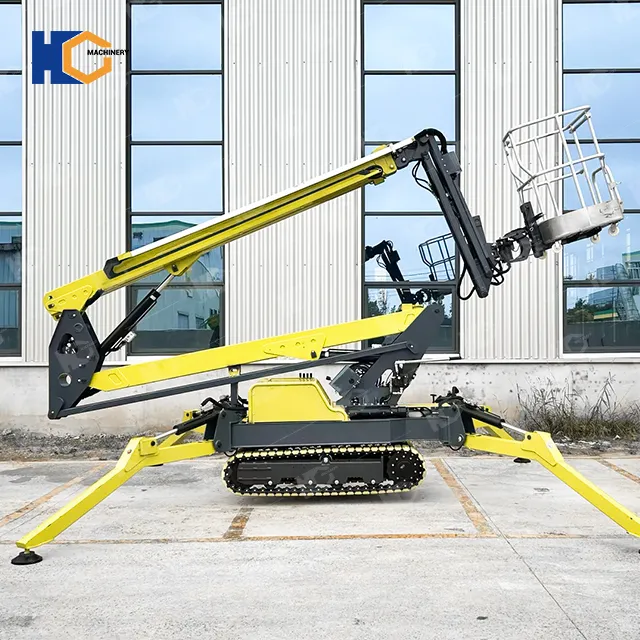
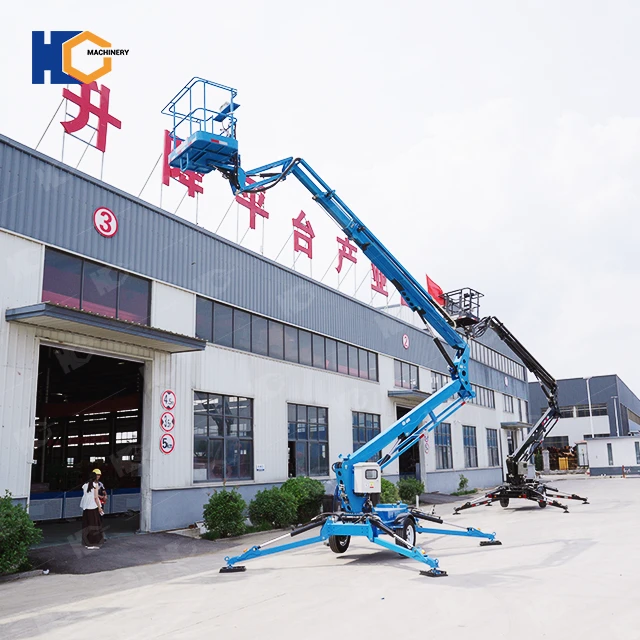
Yes, we have our own advanced manufacturing facility dedicated to producing high-quality boom lifts. We offer extensive customization options to meet specific customer requirements. Whether it’s adjusting boom lengths, load capacities, or incorporating unique safety features, we can tailor our products to suit your needs.
Do you offer training for operating your boom lifts?
Yes, we offer training programs for operators to ensure they are familiar with the equipment and can operate it safely and efficiently.
How do I purchase a boom lift from your company?
You can contact our sales team through our website, email, or phone. We will assist you in selecting the right model, provide a detailed quotation, and guide you through the purchasing process.
Can you customize boom lifts according to specific requirements?
Yes, we can customize boom lifts to meet specific needs and applications. Our team of engineers works closely with customers to design and manufacture tailored solutions.
Do you provide after-sales support and maintenance services?
Absolutely. We offer comprehensive after-sales support, including maintenance services, spare parts supply, and technical assistance. Our goal is to ensure your equipment operates smoothly and efficiently.
Are your boom lifts easy to operate?
Yes, our boom lifts are designed for user-friendly operation. They feature intuitive controls and clear operational guidelines, making them easy to use even for operators with minimal experience.
How high can your boom lifts reach?
Our boom lifts have a wide range of heights. Articulating boom lifts can reach up to 150 feet (45 meters), and straight boom lifts can extend up to 180 feet (55 meters). Specific height capabilities depend on the model.
What types of boom lifts do you offer?
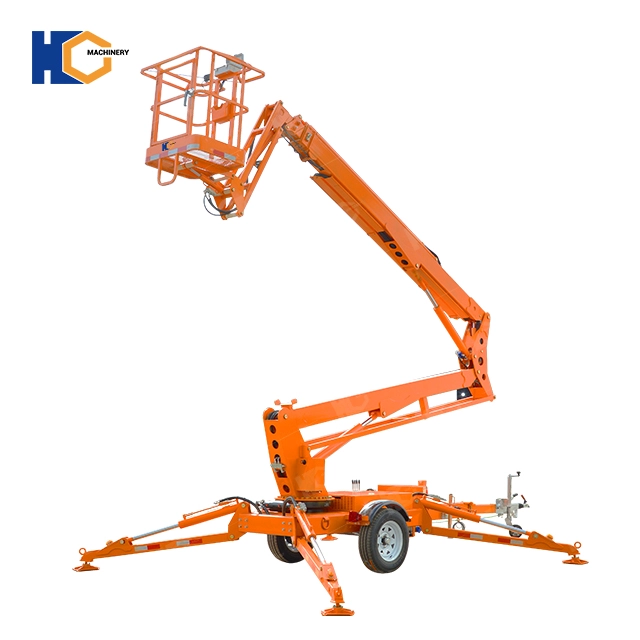
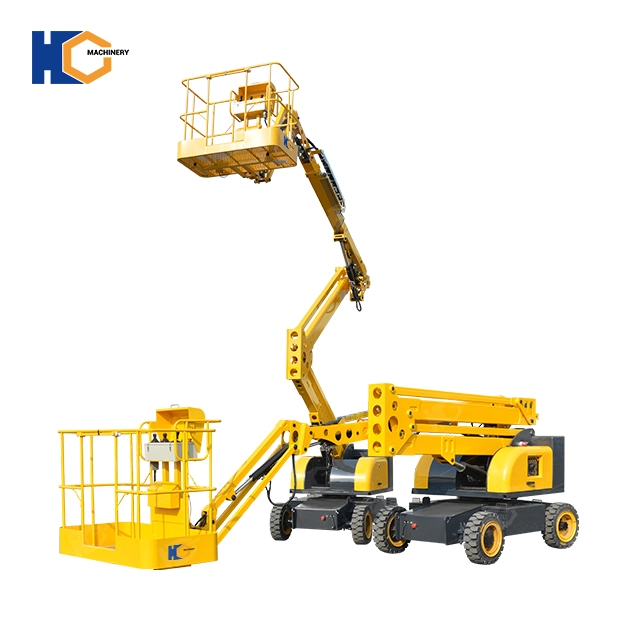
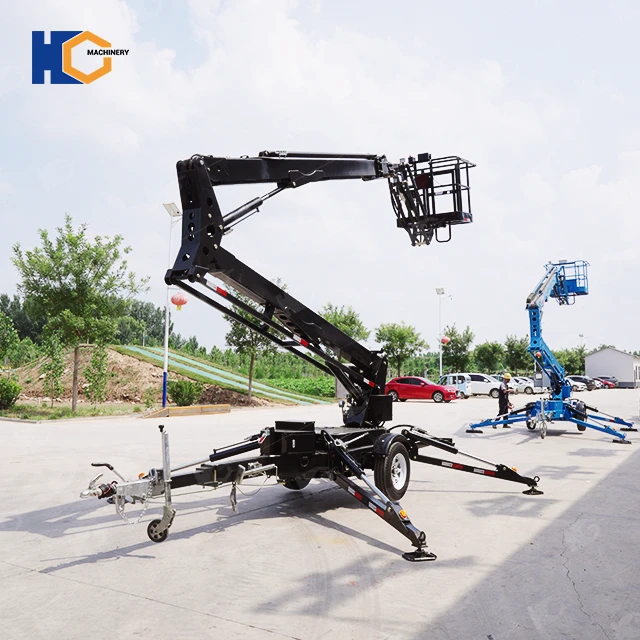
We offer both articulating boom lifts and straight (telescopic) boom lifts. Articulating boom lifts are ideal for maneuvering around obstacles, while straight boom lifts provide a long, unobstructed reach for tasks requiring extensive vertical and horizontal access.
What’s the safety device of towable boom lift?
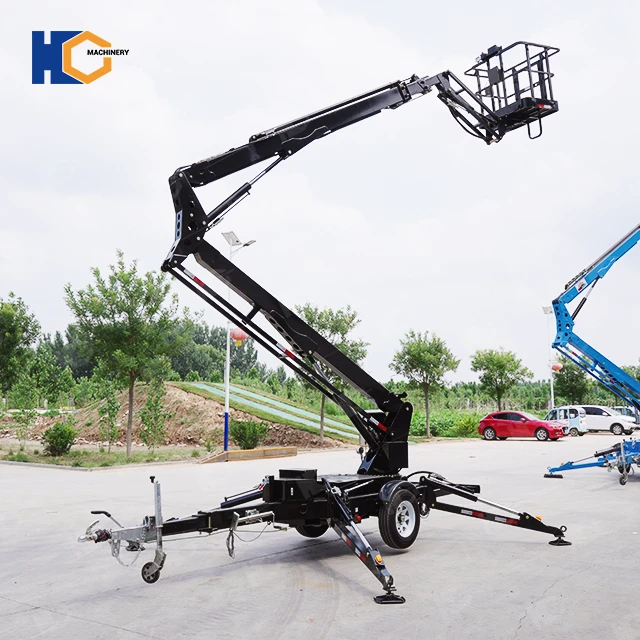
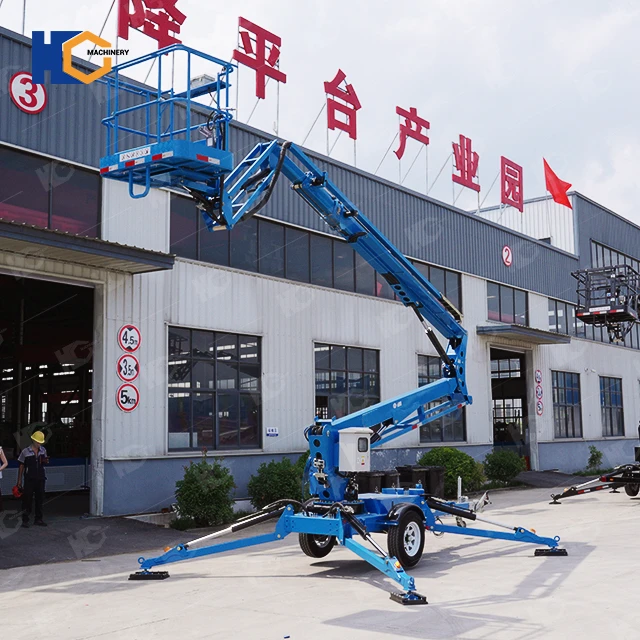
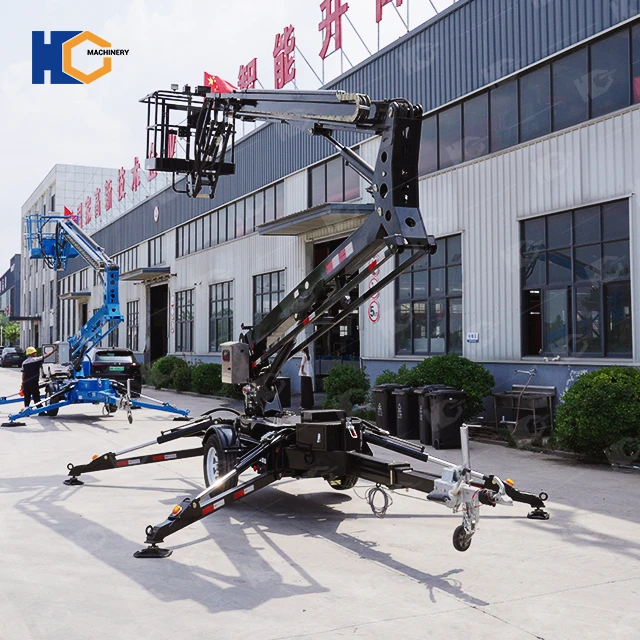
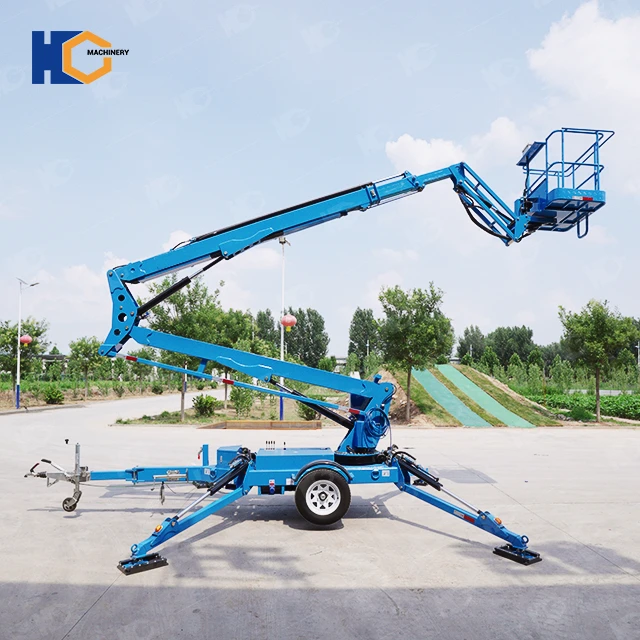
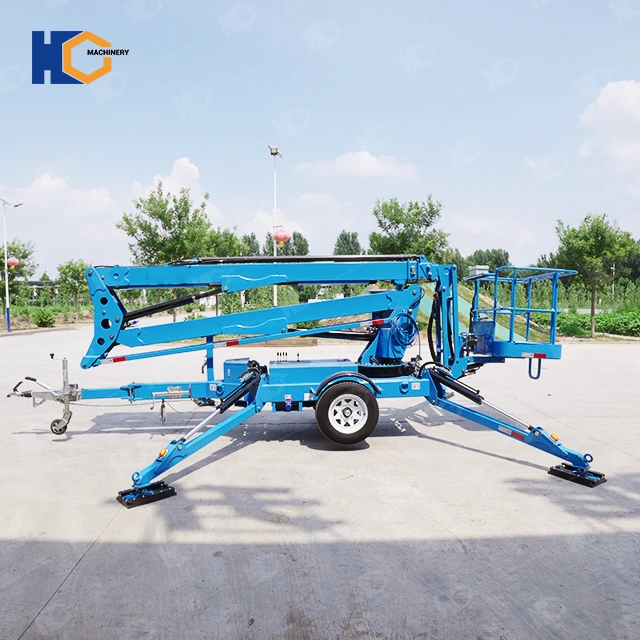
Hydraulic towable boom lift is an aerial work platform, the safety must be put at the first place. For each cylinder, we have anti-explosion valve, even if the oil tube and cylinder break, the bucket will not drop suddenly.
 Room 203, Second Floor, Building 8, Phase Ⅱ, Zhizao Town, Jibei Street, Jiyang District, Jinan City, Shandong Province