How Much Does a Platform Lift Cost?
How Much Does a Platform Lift Cost?
The cost of a platform lift can range from a few thousand dollars for a basic residential accessibility lift to tens of thousands of dollars for a customized commercial or industrial lifting system.
However, asking “How much does a platform lift cost?” is only the first step. The actual price depends on what the lift needs to do, how high it needs to travel, how much weight it must carry, and whether the quotation includes installation, transportation, and site preparation.
For example, a residential wheelchair platform lift and a hydraulic cargo lift may both use a vertical lifting platform, but their structures, safety requirements, load capacities, and applications are very different.
For buyers sourcing directly from manufacturers, another important distinction is the difference between factory equipment price and total installed project cost.
This guide explains platform lift prices in 2026, compares different lift types, breaks down the costs that buyers often overlook, and explains how to request an accurate quotation from a manufacturer.
1. Platform Lift Cost in 2026: Quick Price Comparison
Before comparing suppliers, identify which type of platform lift your project requires.
The following table separates accessibility equipment from industrial material-handling equipment. These categories should not be compared as if they were interchangeable products.
| Platform Lift Type | Indicative Equipment Price (USD) | Typical Application |
|---|---|---|
| Residential wheelchair platform lift | $2,400–$6,500 | Home entrances, porches, and short vertical rises |
| Vertical platform lift (VPL) | $2,400–$10,000+ | Residential and commercial accessibility |
| Commercial wheelchair platform lift | $4,000–$12,000+ | Schools, hospitals, hotels, and public buildings |
| Hydraulic cargo lift | $1,500–$20,000+ | Warehouses, factories, and material handling |
| Mobile hydraulic scissor lift | $1,300–$5,500 | Maintenance, workshops, and lifting operations |
| Self-propelled electric scissor lift | $3,300–$11,000+ | Construction, warehouse maintenance, and elevated work |
Price clarification: The figures above are indicative equipment-price references, not guaranteed market averages or complete installed prices. Some ranges are based on Huichuang Lift’s published product listings. Custom configurations, higher specifications, and local installation requirements can change the final quotation.
Why Do Platform Lift Prices Vary So Much?
Three main differences explain most price variations:
- Different applications: A wheelchair lift is designed for accessibility, while a cargo lift is designed to transport goods.
- Different technical specifications: Lifting height, rated capacity, platform dimensions, drive system, and safety configuration all influence manufacturing cost.
- Different quotation scopes: A factory quotation may cover equipment only, while a local contractor’s quotation may include delivery, construction, installation, permits, and inspection.
A low equipment price does not necessarily mean a low project cost. Buyers should always compare quotations with the same specifications and included services.
2. Factory Price vs. Installed Price: What Are You Actually Paying For?
This is one of the most important distinctions when comparing platform lift suppliers.
A factory-direct price generally refers to the equipment manufactured and supplied by the factory. An installed price may include additional services and construction work.
| Cost Component | Factory Equipment Price | Complete Installed Project |
|---|---|---|
| Main lifting equipment | Included | Included |
| Standard control system | Usually included | Included |
| Standard safety components | Depends on specification | Depends on specification |
| Export packaging | Depends on quotation | Usually included in supply chain |
| International freight | Usually additional | Reflected in local supply price |
| Customs duties and taxes | Usually additional | Depends on local supplier |
| Foundation construction | Usually excluded | May be included |
| Electrical installation | Usually excluded | May be included |
| Installation labor | Usually excluded | Usually included |
| Permits and inspection | Usually excluded | Depends on local project |
Example: Wheelchair Platform Lift Price Difference
Huichuang Lift publishes a price range of approximately $2,400–$6,500 for certain wheelchair lift configurations.
This is a factory product-price reference. It should not be interpreted as a complete U.S. installed price.
For comparison, Lifeway Mobility reports professionally installed wheelchair platform lift projects commonly costing approximately $12,000–$35,000 or more. Angi’s 2026 cost guide reports a national average of approximately $8,800, with many projects ranging from $3,600 to $15,900.
These figures reflect different products, service scopes, and installation conditions. They are useful for understanding the difference between equipment sourcing and a completed local installation, but they are not directly comparable quotations.
If you are an importer, distributor, contractor, or project developer, ask the manufacturer to specify whether the price is EXW, FOB, CIF, or another agreed delivery term. This makes it easier to calculate your actual landed cost.
3. How Much Does a Residential Wheelchair Platform Lift Cost?
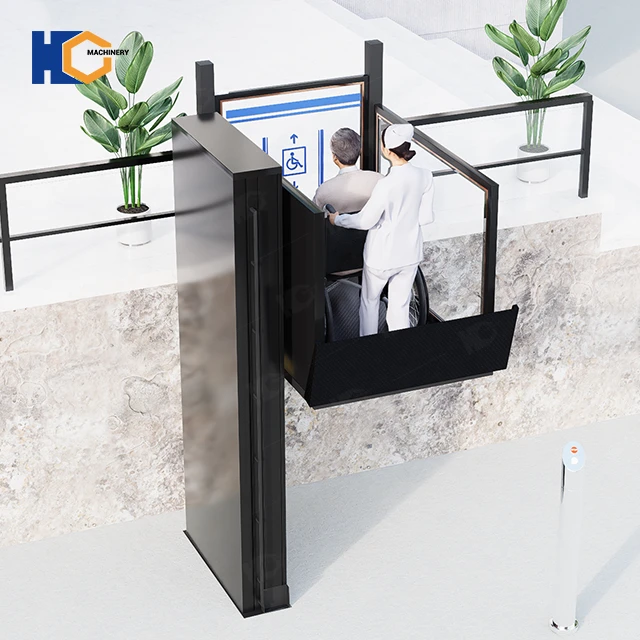
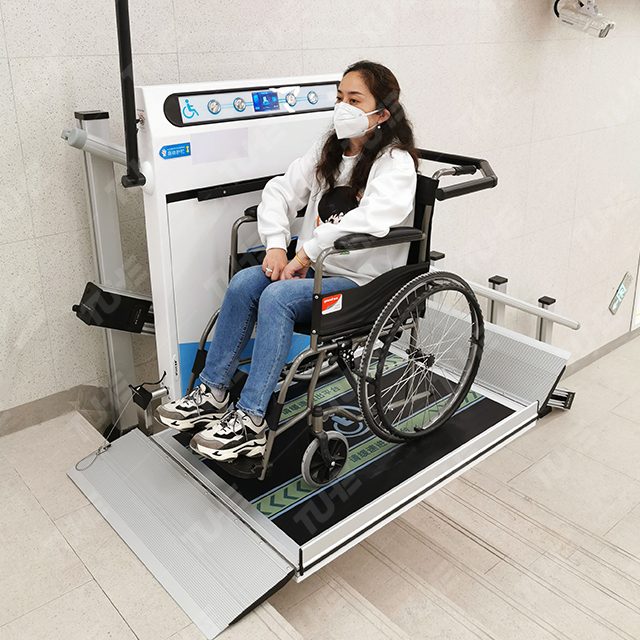
Residential wheelchair platform lifts help people using wheelchairs or mobility devices move between different floor levels.
Common applications include:
- Front porches and raised entrances
- Residential decks and patios
- Garage entrances
- Indoor floor-level changes
- Private homes for elderly or mobility-impaired users
A basic factory-supplied wheelchair platform lift may cost approximately $2,400–$6,500, depending on its configuration and specifications.
The final installed price in the United States can be significantly higher because of local labor, foundation work, electrical installation, permits, and other project expenses.
What Affects the Price of a Residential Wheelchair Lift?
Travel height: A short-rise lift requires a different structure from a model designed to travel several meters.
Platform dimensions: A larger platform may be necessary for power wheelchairs, mobility scooters, or users who need additional maneuvering space.
Rated load: A common wheelchair lift specification is 250 kg or 350 kg, but the actual requirement should be determined by the user, wheelchair, and any additional load.
Indoor or outdoor installation: Outdoor units may require corrosion protection, weather-resistant electrical components, and additional environmental protection.
Safety configuration: Gates, emergency lowering, obstruction sensors, and other safety devices affect the final specification.
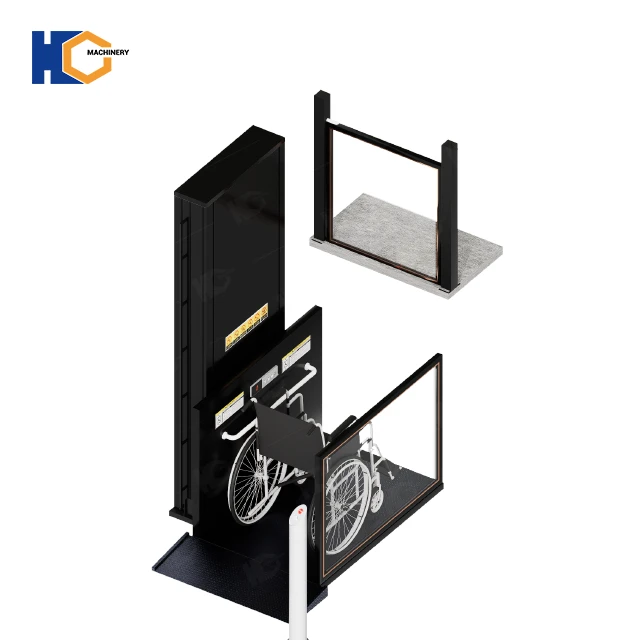
For example, Huichuang Lift offers a vertical platform wheelchair lift configuration with a 250/350 kg rated load and a 1430 × 1000 mm platform. The published product listing provides a reference price of $2,400–$6,500, subject to the actual project requirements.
Product details: Vertical Platform Wheelchair Lifts for Home.
For public and commercial accessibility projects, see our wheelchair lifts for public buildings.
4. How Much Does a Commercial Platform Lift Cost?
Commercial platform lifts are used in buildings where accessibility, operating frequency, and public safety are important.
Typical applications include:
- Hospitals and medical facilities
- Shopping centers
- Schools and universities
- Hotels and restaurants
- Office buildings
- Churches and public service buildings
A commercial wheelchair platform lift may have a factory equipment budget of several thousand dollars, while a complete installed project can cost substantially more depending on the site and compliance requirements.
Compared with a simple residential installation, commercial projects may require:
- Higher usage ratings
- Larger platform dimensions
- Additional landing gates
- More complex entrance arrangements
- Enhanced safety interlocks
- Building modifications
- Local permits and inspections
Commercial Platform Lift vs. Residential Platform Lift
| Comparison | Residential Lift | Commercial Lift |
|---|---|---|
| Operating frequency | Usually lower | Often higher |
| User environment | Private home | Public or commercial building |
| Platform configuration | Often compact | May require larger dimensions |
| Safety requirements | Applicable residential requirements | Applicable commercial requirements |
| Installation complexity | Often simpler | May involve more coordination |
| Maintenance planning | Based on private use | Important for operational continuity |
Buyers should not assume that a residential model can automatically be used in a public building. The selected equipment must meet the requirements applicable to its intended use and installation location.
Residential Platform Lift Costs
Residential platform lifts are primarily used for:
- Elderly accessibility
- Wheelchair access
- Multi-story homes
- Porch access
- Garage entry
Typical residential lift pricing:
| Residential Lift Type | Average Cost |
|---|---|
| Porch wheelchair lift | $3,000–$6,000 |
| Indoor platform lift | $5,000–$10,000 |
| Luxury home platform lift | $10,000–$20,000 |
| Inclined stair platform lift | $8,000–$18,000 |
Installation costs may range from $1,500 to $5,000 depending on site preparation requirements.
Commercial Platform Lift Costs
Commercial platform lifts must handle heavier usage and stricter safety regulations.
Common applications include:
- Shopping malls
- Schools
- Hospitals
- Restaurants
- Hotels
- Office buildings
Commercial lift prices usually range from:
$8,000 to $30,000
Factors affecting commercial pricing include:
- Passenger traffic volume
- ADA compliance
- Fire safety systems
- Custom finishes
- Glass enclosures
- Automatic doors
Commercial lifts are generally more durable and designed for continuous daily operation.
Cargo Platform Lift Prices
Cargo platform lifts are widely used in warehouses and industrial facilities.
These lifts transport:
- Pallets
- Equipment
- Raw materials
- Machinery
- Industrial goods
Typical cargo platform lift pricing:
| Capacity | Price Range |
|---|---|
| 500 kg | $5,000–$10,000 |
| 1000 kg | $8,000–$15,000 |
| 2000 kg | $12,000–$22,000 |
| 5000 kg | $20,000–$40,000+ |
Industrial lifts may also require:
- Explosion-proof systems
- Custom platform sizes
- PLC control systems
- Automatic loading integration
Platform Lift Installation Cost
Installation is a major part of the total project budget.
Typical installation expenses include:
- Site inspection
- Foundation work
- Electrical wiring
- Structural modifications
- Permit applications
- Testing and certification
Average installation costs:
| Installation Type | Typical Cost |
|---|---|
| Simple residential installation | $1,500–$3,000 |
| Commercial installation | $3,000–$8,000 |
| Industrial installation | $5,000–$15,000 |
Difficult installations may require crane access or custom steel structures, increasing costs further.
5. How Much Does an Industrial Hydraulic Cargo Lift Cost?
Industrial platform lifts are designed to transport materials, equipment, and goods between different levels.
They are widely used in:
- Warehouses
- Manufacturing plants
- Distribution centers
- Automotive workshops
- Loading areas
- Commercial storage facilities
Huichuang Lift publishes a hydraulic cargo lift price range of approximately $1,500–$20,000 for listed product configurations. The company offers customized solutions with load capacities from 1 to 100 tons and lifting heights from 1 to 20 meters, depending on the design.
Product reference: Hydraulic Cargo Lift Specifications.
Hydraulic Cargo Lift Price by Project Requirement
The following table is a practical specification guide, not a fixed price list.
| Rated Capacity | Typical Application | Important Design Considerations |
|---|---|---|
| 500 kg | Light warehouse goods | Platform dimensions and loading access |
| 1,000 kg | Standard pallets and materials | Hydraulic capacity and guide rails |
| 2,000 kg | Industrial material handling | Reinforced structure and safety devices |
| 3,000–5,000 kg | Heavy warehouse equipment | Structural support and load distribution |
| 5,000 kg+ | Heavy industrial transportation | Custom engineering and site evaluation |
Why Does a Cargo Lift Cost More Than a Small Wheelchair Lift?
The difference is not simply the size of the platform.
A heavy-duty cargo lift may require:
- Larger hydraulic cylinders
- Stronger steel structures
- Reinforced platform frames
- Higher-capacity hydraulic power units
- Heavy-duty guide rails
- Multiple safety mechanisms
- Larger landing gates
- Customized loading arrangements
A 1,000 kg cargo lift also needs to accommodate the physical dimensions and distribution of the load. A pallet that weighs 1,000 kg may require a larger platform than several smaller boxes with the same combined weight.
For this reason, buyers should provide both the maximum load and the dimensions of the goods being transported.
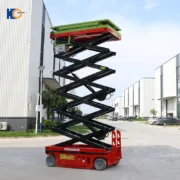
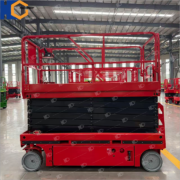
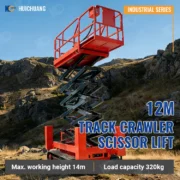
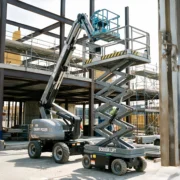
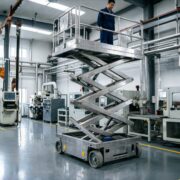
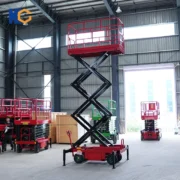
6. How Much Does a Scissor Platform Lift Cost?
Scissor lifts use a crossed-arm mechanical structure to raise and lower a working platform.
They are widely used in industrial maintenance, construction, warehousing, and material handling.
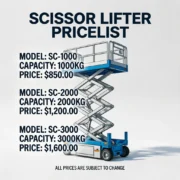
Huichuang Lift’s published product listings include:
| Product Type | Published Price Reference | Typical Application |
|---|---|---|
| Mobile hydraulic scissor lift | $1,300–$5,500 | Workshops, maintenance, and flexible lifting operations |
| Self-propelled electric scissor lift | $3,300–$11,000 | Warehouses, construction, and elevated work |
These prices are equipment references for the listed configurations. Final prices depend on lifting height, load capacity, platform dimensions, power system, and optional features.
Related products:
What Determines the Cost of a Scissor Lift?
The most important factors include:
- Working height: Higher working heights generally require a larger lifting structure and additional engineering.
- Rated load: A higher load capacity requires stronger components and a suitable hydraulic system.
- Platform size: Larger platforms increase material and structural requirements.
- Mobility: Stationary, manually movable, and self-propelled designs have different configurations.
- Power source: Battery-powered electric models and other power configurations affect the quotation.
- Optional features: Extension platforms, safety rails, emergency lowering, and customized controls may increase the price.
For industrial buyers, it is important to distinguish a scissor lift used to elevate workers from a stationary scissor lifting table designed to move materials between different levels. They may use similar mechanisms but are not necessarily designed for the same operation.
7. Seven Factors That Affect Platform Lift Prices
Regardless of the lift type, several technical factors have a direct influence on the final quotation.
7.1 Lifting Height
The lifting height determines how far the platform must travel.
A lift designed for a 1-meter rise has different structural and hydraulic requirements from a system designed for 6 meters or more.
Higher lifting heights may require:
- Longer guide rails
- Stronger supporting structures
- Different hydraulic cylinder specifications
- Additional safety protection
- More complex installation arrangements
When requesting a quotation, provide the actual vertical travel distance rather than only the building’s total height.
7.2 Load Capacity
Load capacity affects the size and strength of the lifting structure.
For accessibility equipment, the rated load must accommodate the wheelchair user and mobility equipment.
For industrial lifts, it must accommodate the maximum goods weight, trolley, pallet, or machinery being transported.
Do not calculate capacity using average load alone. The maximum expected load and its distribution should be considered.
7.3 Platform Dimensions
A larger platform generally requires more materials and a stronger supporting structure.
For wheelchair lifts, the platform must provide enough space for the wheelchair and safe entry and exit.
For cargo lifts, the platform should match the dimensions of pallets, trolleys, or other materials.
A common purchasing mistake is choosing a lift based on rated capacity without checking whether the goods can physically fit on the platform.
7.4 Drive System
Different lifting systems have different costs and maintenance requirements.
| Drive System | Advantages | Considerations |
|---|---|---|
| Hydraulic | Flexible capacity and smooth lifting | Requires hydraulic oil and component inspection |
| Screw drive | Compact design for suitable applications | Speed and capacity depend on design |
| Traction | Suitable for certain passenger-lifting systems | More complex system configuration |
| Scissor mechanism | Stable vertical lifting platform | Structure and load requirements affect design |
The best system depends on the application, travel distance, operating frequency, and load requirements.
7.5 Indoor vs. Outdoor Installation
Outdoor equipment may need additional protection against:
- Rain and moisture
- Snow and ice
- UV exposure
- Dust and dirt
- Coastal corrosion
- Temperature changes
Possible upgrades include weather-resistant control boxes, anti-corrosion coatings, galvanized components, protective covers, and suitable drainage arrangements.
A lift installed under a covered entrance may not require the same protection as a unit exposed to heavy rain and coastal conditions.
7.6 Safety Features
Safety components should be selected according to the lift design and applicable regulations.
Depending on the application, a platform lift may include:
- Emergency stop
- Overload protection
- Emergency lowering
- Safety sensors
- Mechanical safety devices
- Door and gate interlocks
- Limit switches
- Non-slip platform surfaces
- Audible or visual alarms
Buyers should confirm the exact safety configuration in the quotation and technical drawings.
7.7 Customization Requirements
Customized designs may increase manufacturing costs because they can require additional engineering, non-standard materials, or special components.
Common customization requirements include:
- Non-standard platform dimensions
- Special lifting heights
- Higher load capacities
- Different entrance directions
- Customized control systems
- Special surface treatments
- Outdoor protection
- OEM logos and packaging
Customization is worthwhile when it solves a real installation or operational problem. Standard configurations are usually a better starting point when they already meet the project’s requirements.
8. Platform Lift Installation Cost: A Complete Project Budget
Installation costs can make a substantial difference to the final project price.
For U.S. residential wheelchair platform lift projects, published installation estimates vary widely. Angi’s 2026 guide identifies additional expenses such as concrete slabs, electrical work, and structural modifications. Lifeway Mobility also emphasizes that site preparation, permits, and installation conditions are important parts of the final quotation.
For industrial projects, installation costs depend on the building structure, equipment size, loading arrangements, and local labor.
What Should Be Included in an Installation Budget?
| Cost Item | Description |
|---|---|
| Foundation work | Concrete base, anchoring, and supporting structure |
| Structural modifications | Floor openings, wall changes, and landing adjustments |
| Electrical work | Power supply, wiring, and control connections |
| Transportation | Delivery, unloading, and handling |
| Installation labor | Assembly, alignment, and commissioning |
| Permits and inspection | Local approvals and required inspections |
| Safety accessories | Gates, barriers, and additional protection |
| Testing | Functional checks and load testing where required |
Example: Industrial Cargo Lift Project Budget
Suppose a warehouse needs a hydraulic cargo lift to move materials between two floors.
The equipment quotation is $8,000. The following is an illustrative project budget:
| Cost Item | Estimated Cost |
|---|---|
| Hydraulic cargo lift equipment | $8,000 |
| Export packaging | $300 |
| International freight and insurance | $1,200 |
| Customs and import-related allowance | $800 |
| Foundation and structural preparation | $1,500 |
| Electrical installation | $500 |
| Local assembly and commissioning | $1,500 |
| Illustrative project budget | $13,800 |
This example is not a supplier quotation. Actual freight, customs duties, local taxes, construction, and installation costs vary by destination and project conditions.
For international sourcing, ask the supplier to clarify the delivery term and which costs are excluded. This helps prevent unexpected expenses after the equipment leaves the factory.
9. How to Calculate the Total Cost of Ownership
The purchase price is only the initial investment. Buyers should also consider the cost of operating and maintaining the lift.
A useful calculation is:
Total Cost of Ownership = Equipment Purchase + Delivery + Installation + Energy + Maintenance + Repairs + Replacement Parts
The main cost categories include:
Energy Consumption
Energy costs depend on the motor power, lifting frequency, travel distance, and operating time.
A lift used several times per day in a private home has a different energy profile from an industrial lift operating throughout a production shift.
Routine Maintenance
Maintenance requirements vary by lift type.
For hydraulic systems, routine checks may include hydraulic oil condition, hoses, cylinders, connections, and leakage.
For electrical systems, inspection may include wiring, control components, limit switches, and safety devices.
Spare Parts and Technical Support
Before purchasing, confirm:
- Whether standard spare parts are available
- How long the supplier can support the product
- Whether maintenance instructions are provided
- Whether remote technical assistance is available
- What the warranty covers
- Whether replacement parts are included or charged separately
A supplier with reliable technical support can help reduce downtime and simplify long-term maintenance.
10. How to Reduce Platform Lift Costs Without Compromising Safety
Reducing costs does not mean selecting the cheapest equipment or removing essential safety features.
Instead, focus on avoiding unnecessary specifications and preventing expensive project mistakes.
1. Select the Correct Lift Type
A wheelchair platform lift, cargo lift, and scissor lift serve different purposes.
Choosing the correct equipment from the beginning avoids paying for an unsuitable system or replacing it later.
2. Confirm the Actual Load and Platform Size
Provide the maximum load weight and dimensions of the goods or wheelchair.
This helps the manufacturer select an appropriate structure without unnecessary overdesign.
3. Use Standard Components Where Possible
Standard platform dimensions, hydraulic components, and control systems can reduce manufacturing complexity.
Custom components should be used when the site or application genuinely requires them.
4. Prepare Site Measurements Before Ordering
Incorrect measurements can lead to expensive changes during installation.
Provide site drawings, photographs, floor heights, entrance dimensions, and available installation space.
5. Compare Complete Quotations
Do not compare one supplier’s equipment-only price with another supplier’s installed price.
Ask every supplier to clarify equipment, packaging, freight, installation, warranty, and excluded costs.
6. Evaluate After-Sales Support
A lower purchase price may not provide good long-term value if spare parts are difficult to obtain or technical support is unavailable.
Check warranty coverage, maintenance instructions, and the supplier’s ability to provide replacement components.
11. How to Choose a Reliable Platform Lift Manufacturer
For distributors, contractors, and industrial project buyers, selecting a manufacturer is just as important as selecting the product.
A reliable supplier should provide clear technical information, transparent quotations, and practical support.
Here are seven points to evaluate.
| Evaluation Item | What Buyers Should Check |
|---|---|
| Manufacturing capability | Own factory, production equipment, and engineering team |
| Product range | Ability to supply the required lift type |
| Customization | Platform size, height, load, voltage, and control options |
| Quality control | Production inspection and testing procedures |
| Documentation | Technical drawings, manuals, and relevant compliance documents |
| Warranty | Coverage period, exclusions, and replacement parts |
| Technical support | Installation guidance and after-sales communication |
Why Source Platform Lifts From Huichuang Lift?
Huichuang Lift, operated by Jinan Huichuang Machinery Manufacturing Co., Ltd., is a lifting equipment manufacturer based in Jinan, Shandong, China.
Our product portfolio includes:
- Wheelchair lifts
- Vertical platform lifts
- Hydraulic cargo lifts
- Scissor lifts
- Lift tables
- Home elevators
- Loading ramps
- Customized hydraulic lifting equipment
Our manufacturing facility covers approximately 20,000 square meters, with engineering and production teams supporting different lifting equipment requirements.
For international distributors, contractors, and project buyers, we offer:
Factory-direct supply: Buyers can communicate with the manufacturer about product specifications, pricing, and project requirements.
OEM and customization: We can customize platform dimensions, lifting height, rated capacity, voltage, control systems, and other specifications according to the project.
Multiple product categories: Buyers can source different lifting equipment from one manufacturer, simplifying product communication and procurement.
Technical assistance: Our team can provide technical documentation, operating manuals, and support for product installation and maintenance.
International supply experience: Huichuang Lift serves customers in North America, South America, Europe, Southeast Asia, and other markets.
Learn more about our manufacturing factory and company background.
12. What Information Do You Need to Get an Accurate Platform Lift Quote?
A professional quotation should be based on actual technical requirements rather than a general product name.
Before contacting a manufacturer, prepare the following information:
| Required Information | Example |
|---|---|
| Application | Wheelchair access or warehouse material handling |
| Lift type | Vertical platform lift or hydraulic cargo lift |
| Lifting height | 3 meters |
| Rated load | 1,000 kg |
| Platform size | 1,500 × 1,800 mm |
| Number of stops | 2 |
| Installation environment | Indoor or outdoor |
| Power supply | 220V / 60Hz |
| Entrance arrangement | Same-side, 90-degree, or 180-degree |
| Safety requirements | Emergency stop, overload protection, safety gates |
| Destination country | United States, Canada, Australia, etc. |
| Quantity | 1 unit or bulk order |
The values above are examples only. Your actual specifications should reflect the project.
For the most accurate recommendation, also provide:
- Site photographs
- Building floor plans
- Loading and unloading arrangements
- Dimensions of the goods or wheelchair
- Required delivery time
- Local safety or compliance requirements
This information helps the manufacturer identify potential design problems before production begins.
13. Frequently Asked Questions About Platform Lift Prices
How much does a platform lift cost on average?
The price depends on the lift type and quotation scope. Basic factory-supplied accessibility lifts may start at a few thousand dollars, while customized commercial and industrial systems can cost tens of thousands. Installation and transportation are often additional.
How much does a wheelchair platform lift cost?
Huichuang Lift publishes a factory price reference of approximately $2,400–$6,500 for certain wheelchair lift configurations. In the United States, professionally installed projects can cost considerably more because of labor, site preparation, permits, and other expenses.
How much does a vertical platform lift cost?
A vertical platform lift may cost several thousand dollars for a basic factory-supplied configuration. The final price depends on lifting height, platform size, load capacity, enclosure, safety features, and installation conditions.
How much does a hydraulic cargo lift cost?
Huichuang Lift publishes hydraulic cargo lift prices of approximately $1,500–$20,000 for listed configurations. Heavy-duty systems with larger platforms, higher capacities, or customized structures require individual quotations.
Is a platform lift cheaper than an elevator?
For short-rise accessibility or material-handling applications, a platform lift is often more economical than a conventional passenger elevator. However, a platform lift is not a universal replacement for an elevator. The correct solution depends on travel height, building use, passenger requirements, and applicable regulations.
Does the platform lift price include installation?
Not necessarily. Factory quotations commonly cover equipment only. Local installation quotations may include delivery, site preparation, electrical work, labor, and inspection. Always confirm what is included.
Can a platform lift be installed outdoors?
Yes. Many platform lifts are designed for outdoor applications. However, the equipment may require suitable corrosion protection, weather-resistant electrical components, and other environmental options.
What is the difference between a cargo lift and a scissor lift?
A cargo lift is designed to transport goods between different levels, often using a guided vertical platform. A scissor lift uses crossed mechanical arms to raise a platform and may be used for maintenance, work-at-height, or material handling. Their structures and intended applications are different.
Can Huichuang Lift customize platform lifts?
Yes. Huichuang Lift supports customized lifting equipment according to project requirements, including platform dimensions, lifting height, load capacity, voltage, control systems, and other options. The final design and price depend on technical feasibility and the selected configuration.
How long does it take to manufacture a customized platform lift?
The production lead time depends on the equipment type, quantity, customization requirements, and production schedule. Buyers should confirm the delivery schedule with the manufacturer before placing an order.
14. Get a Factory-Direct Platform Lift Quotation From Huichuang Lift
So, how much does a platform lift cost?
The answer depends on the application, lifting height, rated capacity, platform dimensions, drive system, and installation requirements.
For residential buyers, the priority is safe and convenient access. For commercial projects, compliance and operating frequency are important. For industrial buyers, load capacity, platform dimensions, structural strength, and operating efficiency usually determine the right solution.
Huichuang Lift provides factory-direct wheelchair lifts, vertical platform lifts, hydraulic cargo lifts, scissor lifts, and customized lifting equipment for international buyers.
Whether you are purchasing one unit for a specific project or sourcing products for distribution, our team can help evaluate your requirements and recommend a suitable configuration.
Request a quotation today.
To receive a more accurate price, send us:
- Application and lift type
- Required lifting height
- Rated load capacity
- Platform dimensions
- Indoor or outdoor installation
- Destination country
- Required quantity
Contact Huichuang Lift: https://www.jnhclift.com/contact-us/

Jnhclift (Huichuang Lift), based in Jinan, China, is a professional manufacturer of scissor lifts, home elevators, and lift platforms. With our own dedicated factory, we deliver high-quality, reliable lifting solutions tailored to meet diverse industrial and residential needs.

 Room 203, Second Floor, Building 8, Phase Ⅱ, Zhizao Town, Jibei Street, Jiyang District, Jinan City, Shandong Province
 +86 152 5319 3706
 admin@jnhclift.com