Types of Elevator: Complete Guide

Elevators are essential to modern buildings, enabling efficient vertical transportation in residential, commercial, and industrial environments. From compact home lifts to high-speed skyscraper systems, different types of elevators are designed to meet specific needs in terms of capacity, speed, building height, and usage frequency.

In this comprehensive guide, we will explore the main types of elevators, their working principles, features, applications, advantages, and limitations, helping you choose the most suitable system for your project.


What Is an Elevator?

An elevator (or lift) is a vertical transportation system that moves people or goods between floors of a building. It typically consists of:

  • A cabin (car)
  • A drive system
  • Guide rails
  • A control system
  • Safety mechanisms

Elevators are broadly classified based on their drive mechanism, design, and application.


Main Types of Elevators by Drive System

1. Traction Elevators

Overview

Traction elevators are the most commonly used systems in mid- to high-rise buildings. They operate using steel ropes and a counterweight, powered by an electric motor.

How It Works

The motor rotates a sheave (pulley), moving the ropes that raise or lower the elevator car while the counterweight balances the load.

Types:

  • Geared traction elevators
  • Gearless traction elevators

Features:

  • High speed (up to 10 m/s or more)
  • Energy-efficient due to counterweight
  • Suitable for tall buildings

Applications:

  • Office buildings
  • Hotels
  • High-rise residential towers
  • Shopping malls

Pros:

  • Fast and efficient
  • Lower energy consumption
  • Smooth operation
  • Suitable for heavy usage

Cons:

  • Higher installation cost
  • Requires overhead machine space (for some designs)
  • Complex maintenance


2. Hydraulic Elevators

Overview

Hydraulic elevators use fluid pressure to move a piston that lifts the cabin. They are commonly used in low-rise buildings.

Features:

  • Smooth and quiet operation
  • Strong lifting capacity
  • Lower initial cost

Applications:

  • Residential homes
  • Low-rise apartments
  • Warehouses
  • Small commercial buildings

Pros:

  • Reliable and simple design
  • Cost-effective
  • Good for heavy loads

Cons:

  • Slower speed
  • Limited height (typically up to 5–6 floors)
  • Requires hydraulic oil maintenance


3. Machine Room-Less (MRL) Elevators

Overview

MRL elevators are a modern version of traction systems that eliminate the need for a separate machine room.

Features:

  • Compact design
  • Energy-efficient
  • Reduced building space requirements

Applications:

  • Mid-rise buildings
  • Residential complexes
  • Commercial offices

Pros:

  • Space-saving
  • Lower construction cost
  • Modern design

Cons:

  • Maintenance can be more complex
  • Limited for very tall buildings

4. Pneumatic (Vacuum) Elevators

Overview

Pneumatic elevators use air pressure differences to move the cabin inside a transparent tube.

Features:

  • No cables or pulleys
  • Minimal structural requirements
  • Modern aesthetic design

Applications:

  • Private homes
  • Luxury villas
  • Small buildings

Pros:

  • Easy installation
  • Space-saving
  • Energy-efficient

Cons:

  • Limited capacity
  • Higher cost per unit size
  • Slower speed

5. Screw Drive Elevators

Overview

Screw drive elevators use a rotating screw mechanism to move the cabin.

Features:

  • Compact system
  • No machine room required
  • Simple installation

Applications:

  • Residential homes
  • Low-rise buildings

Pros:

  • Safe and reliable
  • Low maintenance
  • Compact footprint

Cons:

  • Slower operation
  • Limited travel height
  • Noise may be higher than hydraulic

6. Chain Drive Elevators

Overview

Chain drive elevators use a chain mechanism instead of ropes.

Features:

  • Durable lifting system
  • Suitable for heavy loads

Applications:

  • Industrial settings
  • Warehouses

Pros:

  • Strong lifting capability
  • Durable

Cons:

  • Noisy
  • Requires regular maintenance

Elevator Types by Application

1. Passenger Elevators

Description

Designed to transport people comfortably and safely.

Applications:

  • Residential buildings
  • Offices
  • Hotels

Features:

  • Comfortable interiors
  • Safety systems
  • Moderate to high speed

2. Freight Elevators

Description

Used for transporting goods rather than people.

Applications:

  • Factories
  • Warehouses
  • Logistics centers

Features:

  • Heavy load capacity
  • Durable construction

3. Home Elevators

Description

Compact elevators designed for residential use.

Applications:

  • Villas
  • Duplex homes

Pros:

  • Improves accessibility
  • Adds property value

Cons:

  • Limited capacity

4. Hospital Elevators

Description

Specialized elevators for medical environments.

Features:

  • Large cabin for stretchers
  • Smooth operation
  • Emergency controls

5. Service Elevators

Description

Used by staff in hotels or commercial buildings.

Applications:

  • Hotels
  • Restaurants
  • Office buildings

6. Car Elevators

Description

Designed to transport vehicles.

Applications:

  • Parking garages
  • Car showrooms

Additional Types of Elevators (Advanced & Specialized)

1. Magnetic Levitation (Maglev) Elevators

Overview

Maglev elevators are an emerging technology that uses linear motor systems and magnetic levitation instead of cables or pistons.

Features:

  • Rope-free operation
  • Can move vertically and horizontally
  • Extremely smooth and quiet

Applications:

  • High-tech skyscrapers
  • Smart buildings
  • Future urban infrastructure

Pros:

  • No height limitation from cables
  • Multi-directional movement
  • High efficiency

Cons:

  • Very high cost
  • Limited commercial availability
  • Complex technology

2. Rack and Pinion Elevators

Overview

This type uses a gear (pinion) that climbs along a fixed rack, similar to a railway system.

Features:

  • Strong traction even in harsh environments
  • No reliance on cables

Applications:

  • Construction sites
  • Industrial plants
  • Mining operations

Pros:

  • Extremely durable
  • Works in outdoor and rugged conditions

Cons:

  • Noisy operation
  • Not suitable for residential or luxury use

3. Inclined Elevators

Overview

Inclined elevators travel along a sloped track rather than vertically.

Features:

  • Operates like a hybrid between an elevator and a funicular

Applications:

  • Hillside homes
  • Resorts
  • Public transportation in mountainous areas

Pros:

  • Ideal for sloped terrain
  • Unique design flexibility

Cons:

  • Limited applications
  • Higher installation complexity

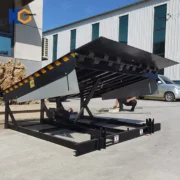
4. Platform Lifts (Vertical Platform Lifts – VPL)

Overview

Platform lifts are designed primarily for accessibility, especially for wheelchair users.

Features:

  • Open or semi-enclosed platform
  • Short travel height

Applications:

  • Homes
  • Schools
  • Public buildings

Pros:

  • Cost-effective accessibility solution
  • Simple installation

Cons:

  • Limited speed and travel distance
  • Lower capacity compared to elevators

5. Stair Lifts

Overview

Stair lifts are not traditional elevators but are important mobility solutions.

Features:

  • Chair mounted on a rail along stairs

Applications:

  • Residential homes
  • Elderly care

Pros:

  • Very affordable
  • Easy installation

Cons:

  • Only for individual use
  • Limited functionality

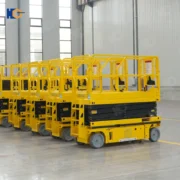
6. Scissor Lift Elevators

Overview

Scissor lifts use a folding support mechanism (like crossed beams) to raise platforms.

Features:

  • Vertical lifting platform
  • Hydraulic or electric drive

Applications:

  • Warehouses
  • Maintenance work
  • Industrial lifting

Pros:

  • Strong lifting capacity
  • Simple design

Cons:

  • Limited height
  • Not for passenger comfort

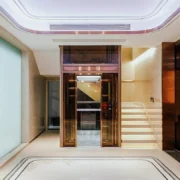
7. Capsule Elevators (Panoramic Elevators)

Overview

Capsule elevators are designed with glass walls for aesthetic and viewing purposes.

Features:

  • Transparent cabin
  • Stylish design

Applications:

  • Shopping malls
  • Hotels
  • Tourist attractions

Pros:

  • Enhances building aesthetics
  • Provides scenic views

Cons:

  • Higher cost
  • Requires more maintenance (cleaning, glass care)

8. Firefighter Elevators

Overview

These are specialized elevators designed for emergency use by firefighters.

Features:

  • Fire-resistant construction
  • Backup power systems
  • Special control modes

Applications:

  • High-rise buildings
  • Commercial complexes

Pros:

  • Critical for safety compliance
  • Enables emergency response

Cons:

  • Not used for regular passenger service
  • Higher installation cost

9. Goods-Only / Dumbwaiter Systems (Advanced Types)

Overview

While basic dumbwaiters were mentioned, advanced versions include:

  • Automated vertical logistics systems
  • Smart delivery lifts

Applications:

  • Restaurants
  • Hospitals
  • Warehouses

Pros:

  • Improves operational efficiency
  • Reduces labor

Cons:

  • Limited size and function

10. Automated Parking Elevators

Overview

These systems transport vehicles vertically within automated parking structures.

Features:

  • Fully automated
  • Space-saving

Applications:

  • Urban parking garages
  • Commercial buildings

Pros:

  • Maximizes parking capacity
  • Reduces land usage

Cons:

  • High initial investment
  • Requires advanced control systems

Special Elevator Types

1. Double-Deck Elevators

  • Two cabins stacked vertically
  • Serve two floors simultaneously
  • Used in high-rise buildings

2. Observation Elevators

  • Glass walls
  • Installed on building exteriors
  • Provide scenic views

3. Dumbwaiters

  • Small elevators for food or documents
  • Used in restaurants and homes

Comparison of Elevator Types

TypeSpeedCostCapacityBest Use
TractionHighHighMedium–HighHigh-rise
HydraulicMediumMediumHighLow-rise
MRLMedium–HighMediumMediumMid-rise
PneumaticLowMedium–HighLowHomes
ScrewLowMediumLowResidential
ChainLowMediumHighIndustrial

Key Factors When Choosing an Elevator

1. Building Height

  • Low-rise → Hydraulic or screw
  • Mid/high-rise → Traction or MRL

2. Usage Frequency

  • High traffic → Traction
  • Low traffic → Hydraulic

3. Budget

  • Limited → Hydraulic
  • Premium → Traction or pneumatic

4. Space Availability

  • Limited space → MRL or pneumatic

5. Load Requirements

  • Heavy goods → Freight or hydraulic
  • Passengers → Traction

Safety Features in Modern Elevators

  • Emergency brakes
  • Overload sensors
  • Door interlocks
  • Backup power systems
  • Alarm systems

Safety standards are regulated globally to ensure reliability.


Advantages of Modern Elevator Technology

  • Energy efficiency
  • Smart control systems
  • Smooth ride quality
  • Enhanced safety
  • Customizable design

Disadvantages and Challenges

  • High installation cost
  • Maintenance requirements
  • Space constraints
  • Energy consumption (for some types)

Future Trends in Elevator Systems

Smart Elevators

  • AI-based dispatch systems
  • Touchless controls

Green Technology

  • Regenerative drives
  • Energy-saving systems

Space Optimization

  • Compact and machine room-less designs

Conclusion

Understanding the different types of elevators is essential for selecting the right system for your building. Each type—whether traction, hydraulic, pneumatic, or screw-driven—offers unique advantages tailored to specific applications.

  • Traction elevators dominate high-rise buildings
  • Hydraulic elevators are ideal for residential and low-rise use
  • MRL systems offer modern space-saving solutions
  • Pneumatic and screw elevators provide compact alternatives for homes

By evaluating your building’s height, usage needs, budget, and space constraints, you can choose an elevator system that delivers efficiency, safety, and long-term value.

In an increasingly vertical world, elevators are not just a convenience—they are a critical component of modern infrastructure and living standards.

How Much Does a Platform Lift Cost?

Platform lifts have become one of the most practical solutions for improving accessibility in homes, commercial buildings, warehouses, factories, schools, and public facilities. Whether you need a wheelchair platform lift for accessibility compliance or a heavy-duty cargo platform lift for industrial transport, understanding the real cost of a platform lift is essential before making a purchase.
The challenge is that platform lift prices vary significantly depending on lift type, lifting height, load capacity, installation environment, safety features, and country of manufacture. A simple vertical wheelchair lift for a home may cost only a few thousand dollars, while a large hydraulic cargo platform lift for industrial use can cost tens of thousands.

This guide explains everything buyers need to know about platform lift pricing, including average costs, specifications, installation fees, customization expenses, operating costs, and how to choose the right supplier.

What Is a Platform Lift?

A platform lift is a lifting device designed to transport people, wheelchairs, goods, or equipment vertically between different levels. Unlike traditional elevators, platform lifts usually have simpler structures, lower installation costs, and reduced space requirements.

Common platform lift types include:

  • Vertical platform lifts (VPL)
  • Wheelchair lifts
  • Hydraulic platform lifts
  • Scissor platform lifts
  • Cargo platform lifts
  • Inclined platform lifts
  • Outdoor platform lifts
  • Low-rise accessibility lifts

Platform lifts are widely used because they provide an economical alternative to conventional elevators while meeting accessibility and material-handling requirements.

Average Platform Lift Cost in 2026

The average price of a platform lift typically ranges from $3,000 to $35,000 depending on specifications and application scenarios.

Here is a general price overview:

Platform Lift TypeTypical Price Range
Small residential wheelchair lift$3,000–$8,000
Vertical platform lift$5,000–$15,000
Inclined platform lift$8,000–$20,000
Hydraulic cargo platform lift$10,000–$30,000
Scissor platform lift$6,000–$25,000
Outdoor platform lift$7,000–$18,000
Custom industrial platform lift$15,000–$35,000+

These prices usually refer to factory or equipment-only costs. Installation, shipping, permits, and taxes are generally additional expenses.

Factors That Affect Platform Lift Prices

1. Lift Type

The biggest factor influencing platform lift cost is the type of lift.

A wheelchair platform lift designed for residential use is much less expensive than a large hydraulic cargo lift used in factories. Scissor lifts and inclined lifts also require different engineering systems, which changes pricing significantly.

For example:

  • Vertical lifts are generally simpler and more affordable
  • Inclined lifts require rail systems and advanced controls
  • Hydraulic lifts offer stronger lifting capacity but cost more
  • Scissor lifts are ideal for industrial lifting applications

Choosing the right type prevents overspending on unnecessary features.

2. Lifting Height

Higher lifting heights require:

  • Longer guide rails
  • More powerful motors
  • Stronger hydraulic systems
  • Additional safety systems

A lift traveling only 1–2 meters costs far less than one designed for 6–10 meters.

Typical cost increases based on travel height:

Travel HeightEstimated Additional Cost
1–2 metersBase price
3–5 meters+20%–40%
6–10 meters+50%–80%
Above 10 metersCustom pricing

The higher the lift travels, the more structural engineering is required.

3. Load Capacity

Platform lifts come with different weight capacities.

Common capacities include:

  • 250 kg
  • 300 kg
  • 500 kg
  • 1000 kg
  • 2000 kg+
  • 5000 kg industrial systems

Higher load capacities require:

  • Larger hydraulic cylinders
  • Reinforced platforms
  • Stronger steel structures
  • Heavy-duty motors

A 250 kg wheelchair platform lift may cost under $6,000, while a 3000 kg cargo platform lift can exceed $25,000.

4. Indoor vs Outdoor Installation

Outdoor platform lifts usually cost more because they require weather-resistant materials and protection systems.

Outdoor lift upgrades may include:

  • Galvanized steel
  • Anti-rust coatings
  • Waterproof electrical systems
  • UV-resistant paint
  • Drainage systems
  • Weatherproof control panels

Outdoor installations may add 10%–30% to the total project cost.

Rain, snow, heat, and dust can quickly damage low-quality outdoor lifts. Nobody enjoys discovering their “waterproof” lift becomes an expensive bird perch after one rainy season.

5. Drive System

Platform lifts mainly use hydraulic, screw-driven, or traction systems.

Hydraulic Platform Lifts

Advantages:

  • Smooth operation
  • High lifting capacity
  • Lower initial cost

Disadvantages:

  • Hydraulic oil maintenance
  • Higher energy consumption

Average price:
$5,000–$30,000

Screw-Driven Platform Lifts

Advantages:

  • Quiet operation
  • Compact design
  • Lower maintenance

Disadvantages:

  • Slower speed
  • Limited lifting height

Average price:
$6,000–$18,000

Traction Platform Lifts

Advantages:

  • Energy efficient
  • Smooth ride
  • Suitable for frequent use

Disadvantages:

  • Higher installation cost

Average price:
$10,000–$35,000

6. Safety Features

Safety systems also influence the final price.

Common platform lift safety features include:

  • Emergency stop buttons
  • Overload protection
  • Emergency lowering system
  • Safety sensors
  • Anti-fall devices
  • Automatic brakes
  • Battery backup
  • Door interlocks

Basic lifts include standard protection systems, while premium models offer advanced smart monitoring and remote diagnostics.

More safety features generally mean higher reliability and compliance with international regulations.

Residential Platform Lift Costs

Residential platform lifts are primarily used for:

  • Elderly accessibility
  • Wheelchair access
  • Multi-story homes
  • Porch access
  • Garage entry

Typical residential lift pricing:

Residential Lift TypeAverage Cost
Porch wheelchair lift$3,000–$6,000
Indoor platform lift$5,000–$10,000
Luxury home platform lift$10,000–$20,000
Inclined stair platform lift$8,000–$18,000

Installation costs may range from $1,500 to $5,000 depending on site preparation requirements.

Commercial Platform Lift Costs

Commercial platform lifts must handle heavier usage and stricter safety regulations.

Common applications include:

  • Shopping malls
  • Schools
  • Hospitals
  • Restaurants
  • Hotels
  • Office buildings

Commercial lift prices usually range from:

$8,000 to $30,000

Factors affecting commercial pricing include:

  • Passenger traffic volume
  • ADA compliance
  • Fire safety systems
  • Custom finishes
  • Glass enclosures
  • Automatic doors

Commercial lifts are generally more durable and designed for continuous daily operation.

Cargo Platform Lift Prices

Cargo platform lifts are widely used in warehouses and industrial facilities.

These lifts transport:

  • Pallets
  • Equipment
  • Raw materials
  • Machinery
  • Industrial goods

Typical cargo platform lift pricing:

CapacityPrice Range
500 kg$5,000–$10,000
1000 kg$8,000–$15,000
2000 kg$12,000–$22,000
5000 kg$20,000–$40,000+

Industrial lifts may also require:

  • Explosion-proof systems
  • Custom platform sizes
  • PLC control systems
  • Automatic loading integration

Platform Lift Installation Cost

Installation is a major part of the total project budget.

Typical installation expenses include:

  • Site inspection
  • Foundation work
  • Electrical wiring
  • Structural modifications
  • Permit applications
  • Testing and certification

Average installation costs:

Installation TypeTypical Cost
Simple residential installation$1,500–$3,000
Commercial installation$3,000–$8,000
Industrial installation$5,000–$15,000

Difficult installations may require crane access or custom steel structures, increasing costs further.

Maintenance and Operating Costs

Platform lifts require regular maintenance to ensure safety and long service life.

Typical annual maintenance costs:

Lift TypeAnnual Maintenance Cost
Residential lift$300–$800
Commercial lift$800–$2,000
Industrial lift$2,000–$5,000

Maintenance usually includes:

  • Hydraulic oil inspection
  • Electrical testing
  • Safety system checks
  • Lubrication
  • Motor inspection
  • Emergency system testing

High-quality lifts from reliable manufacturers generally reduce long-term maintenance expenses.

How Much Does a Custom Platform Lift Cost?

Custom platform lifts are more expensive because they are designed around specific project requirements.

Customization options include:

  • Platform size
  • Stainless steel finishes
  • Glass panels
  • Smart control systems
  • Special colors
  • Remote controls
  • Automatic gates
  • Non-standard lifting heights

Custom lift prices usually start around:

$12,000–$15,000

Large industrial custom lifts can exceed:

$50,000+

However, customization often improves operational efficiency and building integration.

China vs Europe vs USA Platform Lift Prices

Manufacturing region strongly affects pricing.

China Platform Lift Suppliers

Advantages:

  • Lower manufacturing cost
  • Competitive pricing
  • OEM customization
  • Large production capacity

Typical price range:
$3,000–$25,000

European Platform Lift Brands

Advantages:

  • Premium quality
  • Advanced engineering
  • Strong certifications

Typical price range:
$15,000–$40,000

USA Platform Lift Manufacturers

Advantages:

  • Local support
  • Faster installation
  • Easier compliance

Typical price range:
$10,000–$35,000

Many buyers choose Chinese suppliers because they can reduce procurement costs by 30%–50% compared with European brands.

How to Choose the Right Platform Lift

When comparing platform lifts, buyers should focus on more than just price.

Important considerations include:

  • Load capacity
  • Safety certification
  • Warranty terms
  • After-sales support
  • Installation requirements
  • Maintenance availability
  • Energy efficiency
  • Customization capability

A cheaper lift may result in higher repair costs later.

Before purchasing, ask suppliers for:

  • Technical drawings
  • Certification documents
  • Customer references
  • Installation videos
  • Warranty policy
  • Spare parts availability

A good supplier should clearly explain all project costs before production begins.

Hidden Costs Buyers Often Ignore

Many first-time buyers only consider the equipment price and forget additional expenses.

Potential hidden costs include:

  • Shipping fees
  • Customs duties
  • Local permits
  • Building modifications
  • Concrete foundation work
  • Electrical upgrades
  • Inspection fees
  • Maintenance contracts

These costs can add 20%–50% to the original equipment price.

Understanding the complete budget helps avoid expensive surprises during installation.

Is a Platform Lift Worth the Cost?

For most homes and businesses, platform lifts provide excellent long-term value.

Benefits include:

  • Improved accessibility
  • Increased property value
  • Reduced labor costs
  • Better operational efficiency
  • Compliance with accessibility regulations
  • Safer transportation of goods and passengers

Compared with traditional elevators, platform lifts are often more affordable, easier to install, and less space-intensive.

For residential users, platform lifts can significantly improve independence and mobility. For businesses, they improve workflow efficiency and workplace safety.

Final Thoughts

So, how much does a platform lift cost? The answer depends on lift type, lifting height, load capacity, installation environment, and customization requirements.

In general:

  • Basic residential platform lifts start around $3,000
  • Commercial platform lifts range from $8,000–$30,000
  • Heavy-duty industrial lifts can exceed $40,000

Buyers should evaluate total ownership cost rather than focusing only on the initial purchase price. A reliable, well-designed platform lift can operate safely for many years with proper maintenance.

Before purchasing, compare multiple suppliers, review certifications carefully, and request detailed quotations that include equipment, shipping, installation, and maintenance costs. A well-informed decision can save thousands of dollars while ensuring safety, reliability, and long-term performance.

How Much Does an Outdoor Wheelchair Lift Cost?

Outdoor wheelchair lifts have become an increasingly popular accessibility solution for homes, public buildings, schools, churches, offices, and commercial facilities. For individuals using wheelchairs, mobility scooters, or walkers, stairs can become a major barrier to independence and safety. An outdoor wheelchair lift provides a reliable and practical way to move between elevations without requiring expensive structural remodeling.

One of the most common questions buyers ask is: “How much does an outdoor wheelchair lift cost?” The answer depends on many factors, including lift type, lifting height, platform size, weight capacity, weatherproofing level, installation conditions, and customization requirements.

In this detailed guide, you will learn everything about outdoor wheelchair lift costs, including average price ranges, installation expenses, maintenance costs, hidden fees, and how to choose the right lift for your budget.

What Is an Outdoor Wheelchair Lift?

An outdoor wheelchair lift is a vertical or inclined lifting device designed specifically for outdoor accessibility. Unlike indoor lifts, outdoor wheelchair lifts are engineered to withstand rain, snow, sunlight, humidity, wind, and temperature changes.

These lifts are commonly installed in:

  • Residential homes
  • Apartment entrances
  • Schools
  • Churches
  • Hospitals
  • Public buildings
  • Shopping centers
  • Restaurants
  • Outdoor decks and porches

Outdoor wheelchair lifts are usually powered by hydraulic, screw-driven, or electric systems and include weather-resistant components for long-term durability.

Average Outdoor Wheelchair Lift Cost in 2026

The average cost of an outdoor wheelchair lift typically ranges from $4,000 to $25,000 depending on the lift design and installation complexity.

Here is a general pricing overview:

Lift TypeAverage Price Range
Basic porch wheelchair lift$4,000–$7,000
Vertical platform lift (VPL)$6,000–$15,000
Inclined wheelchair lift$10,000–$20,000
Heavy-duty outdoor lift$15,000–$25,000+
Custom outdoor wheelchair lift$20,000–$40,000+

These prices usually cover equipment only. Installation, shipping, permits, and taxes are often additional costs.

Main Factors That Affect Outdoor Wheelchair Lift Costs

1. Lift Type

The type of wheelchair lift has the greatest impact on price.

Vertical Platform Lifts

Vertical platform lifts move straight up and down like a mini elevator.

Advantages:

  • Lower cost
  • Compact footprint
  • Easier installation
  • Ideal for porches and decks

Average cost:
$6,000–$15,000

Inclined Wheelchair Lifts

Inclined lifts travel along the staircase using a rail system.

Advantages:

  • No major structural changes
  • Good for narrow spaces
  • Preserves building layout

Disadvantages:

  • Higher cost
  • More complex installation

Average cost:
$10,000–$20,000

Portable Outdoor Wheelchair Lifts

Portable models are designed for temporary or flexible use.

Advantages:

  • Lower upfront cost
  • Easy relocation
  • Minimal construction

Average cost:
$4,000–$8,000

2. Lifting Height

Higher lifting heights require stronger motors, longer rails, larger support structures, and enhanced safety systems.

Typical height-related pricing:

Lifting HeightTypical Cost Impact
1–3 ftBase price
4–6 ft+15%–25%
7–10 ft+30%–50%
Above 10 ftCustom pricing

Most residential outdoor wheelchair lifts are designed for heights between 4 and 8 feet.

Commercial lifts often require greater travel distances, increasing costs significantly.

3. Weight Capacity

Outdoor wheelchair lifts are available in different load capacities.

Common capacities include:

  • 550 lbs
  • 750 lbs
  • 1000 lbs
  • 1400 lbs

Higher capacity lifts cost more because they require:

  • Stronger steel frames
  • Larger platforms
  • Heavy-duty drive systems
  • Reinforced safety components

A standard 550 lb lift may cost around $6,000, while a heavy-duty commercial model can exceed $20,000.

4. Weatherproof Features

Outdoor lifts must survive harsh environmental conditions year-round.

Weather-resistant upgrades may include:

  • Galvanized steel
  • Stainless steel hardware
  • Waterproof electrical systems
  • Anti-corrosion coatings
  • UV-resistant finishes
  • Protective covers
  • Drainage systems
  • Heated platforms

These features increase durability but also raise costs.

A low-cost indoor lift installed outdoors usually ages about as gracefully as cardboard left in a swimming pool.

5. Platform Size

Larger platforms cost more because they use additional materials and require stronger lifting systems.

Common platform sizes include:

Platform SizeTypical Application
32″ × 42″Standard wheelchair
36″ × 48″Larger wheelchairs
42″ × 54″Mobility scooters
Custom sizesCommercial use

Custom platform dimensions can add 15%–40% to the total lift price.

6. Drive System

Different drive systems affect pricing, maintenance, and performance.

Hydraulic Outdoor Wheelchair Lifts

Advantages:

  • Smooth lifting
  • Strong lifting capacity
  • Reliable performance

Disadvantages:

  • Hydraulic oil maintenance
  • Higher energy usage

Typical cost:
$7,000–$20,000

Screw-Driven Lifts

Advantages:

  • Quiet operation
  • Low maintenance
  • Compact structure

Disadvantages:

  • Slower speed
  • Limited lifting height

Typical cost:
$6,000–$15,000

Electric Drum Systems

Advantages:

  • Simple structure
  • Lower cost

Disadvantages:

  • Less suitable for heavy-duty use

Typical cost:
$4,000–$10,000

Outdoor Wheelchair Lift Installation Costs

Installation is one of the biggest additional expenses.

Professional installation usually costs between:

$2,000 and $10,000

Installation pricing depends on:

  • Site accessibility
  • Concrete foundation work
  • Electrical wiring
  • Structural modifications
  • Local permit requirements
  • Crane access
  • Stair configuration

Common Installation Expenses

Installation ComponentTypical Cost
Concrete pad$500–$3,000
Electrical work$800–$2,500
Permit fees$200–$1,500
Labor costs$1,500–$5,000
Structural modifications$1,000–$8,000

Older buildings may require additional reinforcement work, increasing total project costs.

Residential Outdoor Wheelchair Lift Costs

Residential outdoor wheelchair lifts are usually more affordable than commercial systems.

Typical residential pricing:

Residential Lift TypeAverage Cost
Porch lift$4,000–$7,000
Deck wheelchair lift$5,000–$10,000
Two-story home lift$10,000–$18,000
Luxury accessibility lift$15,000–$25,000

Residential lifts are typically designed for lower travel heights and lighter daily usage.

Commercial Outdoor Wheelchair Lift Costs

Commercial wheelchair lifts require stronger construction and stricter compliance standards.

Common commercial applications include:

  • Schools
  • Government buildings
  • Retail centers
  • Restaurants
  • Hospitals
  • Hotels

Commercial outdoor wheelchair lifts usually cost:

$12,000–$30,000+

Commercial systems often include:

  • ADA compliance
  • Automatic doors
  • Emergency backup power
  • Higher weight capacities
  • Anti-slip platforms
  • Smart control systems

Heavy public usage increases durability requirements, which raises pricing.

ADA Compliance and Cost Impact

In the United States, many commercial wheelchair lifts must comply with ADA regulations.

ADA-compliant lifts often require:

  • Specific platform dimensions
  • Safety gates
  • Emergency systems
  • Proper controls
  • Backup power
  • Slip-resistant surfaces

ADA compliance can increase lift costs by 10%–25%, but it is essential for legal accessibility requirements.

Hidden Costs Buyers Often Ignore

Many buyers focus only on the equipment price and overlook additional expenses.

Common hidden costs include:

  • Shipping fees
  • Import duties
  • Annual inspections
  • Maintenance contracts
  • Replacement batteries
  • Weather protection covers
  • Concrete repairs
  • Electrical upgrades

These extra costs can increase the total project budget by 20%–40%.

Outdoor Wheelchair Lift Maintenance Costs

Outdoor lifts require regular maintenance because they are exposed to environmental conditions.

Typical annual maintenance costs:

Lift TypeAnnual Maintenance
Residential lift$300–$800
Commercial lift$800–$2,500

Maintenance services usually include:

  • Safety inspections
  • Lubrication
  • Electrical testing
  • Hydraulic oil checks
  • Battery testing
  • Rust prevention
  • Platform cleaning

Proper maintenance helps extend the lift lifespan and reduce unexpected repair costs.

How Long Does an Outdoor Wheelchair Lift Last?

A high-quality outdoor wheelchair lift typically lasts:

10–20 years

Lifespan depends on:

  • Build quality
  • Climate conditions
  • Maintenance frequency
  • Usage intensity
  • Installation quality

Premium lifts with galvanized steel and weather-resistant components generally last much longer in outdoor environments.

Are Cheap Outdoor Wheelchair Lifts Worth It?

Very cheap outdoor wheelchair lifts can sometimes create more problems than savings.

Low-cost lifts may use:

  • Thin steel structures
  • Weak motors
  • Poor waterproofing
  • Low-quality electronics
  • Inadequate safety systems

These issues often lead to:

  • Frequent repairs
  • Corrosion problems
  • Electrical failures
  • Safety risks
  • Shorter lifespan

Choosing a reputable manufacturer is usually a better long-term investment.

China vs USA vs European Outdoor Wheelchair Lift Costs

Manufacturing region strongly affects lift pricing.

Chinese Manufacturers

Advantages:

  • Lower production costs
  • OEM customization
  • Competitive pricing

Average price:
$4,000–$15,000

USA Manufacturers

Advantages:

  • Faster support
  • Easier ADA compliance
  • Local installation service

Average price:
$8,000–$25,000

European Brands

Advantages:

  • Premium engineering
  • Advanced safety systems
  • High-end design

Average price:
$12,000–$35,000

Many international buyers source wheelchair lifts from China because they can significantly reduce procurement costs while still obtaining CE-certified systems.

How to Choose the Right Outdoor Wheelchair Lift

Before purchasing, buyers should compare more than just the initial price.

Important factors include:

  • Safety certification
  • Weight capacity
  • Weather resistance
  • Warranty terms
  • Installation support
  • Spare parts availability
  • Maintenance requirements
  • Lift speed
  • Noise level

Ask suppliers for:

  • Technical specifications
  • Installation drawings
  • Certification documents
  • Customer references
  • Warranty details
  • Real project photos

A reliable supplier should provide clear pricing without hidden surprises.

Is an Outdoor Wheelchair Lift Worth the Cost?

For many families and businesses, outdoor wheelchair lifts provide tremendous value.

Benefits include:

  • Improved accessibility
  • Greater independence
  • Increased property value
  • Enhanced safety
  • ADA compliance
  • Reduced physical strain
  • Better quality of life

Compared with extensive remodeling or moving to a different property, a wheelchair lift is often a more practical and affordable solution.

Final Thoughts

So, how much does an outdoor wheelchair lift cost? In most cases, buyers can expect total project costs between $6,000 and $25,000 depending on lift type, installation complexity, travel height, and customization requirements.

Basic residential lifts are the most affordable, while commercial and custom systems require higher investment due to stricter safety standards and heavier usage demands.

Before making a purchase, it is important to evaluate total ownership costs, including installation, maintenance, permits, and long-term reliability. A well-designed outdoor wheelchair lift can provide years of safe, dependable accessibility while improving convenience, independence, and property functionality.