
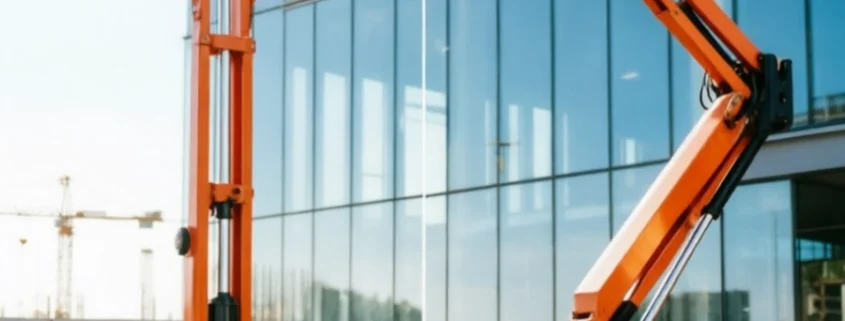
Manlift vs Boom Lift: Which Is Best for Your Project?
When working at height, choosing the right aerial work platform can significantly impact productivity, safety, operating costs, and project success. Two terms that are frequently used in construction, maintenance, warehousing, telecommunications, and industrial applications are manlift and boom lift. Although many people use these terms interchangeably, they are not exactly the same.
Understanding the differences between a manlift and a boom lift is essential before investing in equipment, renting machinery, or selecting the best solution for a specific job site. The wrong choice can lead to reduced efficiency, higher operating costs, and unnecessary safety risks.
Drawing on industry experience and real-world applications, this guide provides a detailed comparison of manlifts and boom lifts, including their features, advantages, disadvantages, applications, costs, and key considerations to help you make the best decision.
What Is a Manlift?
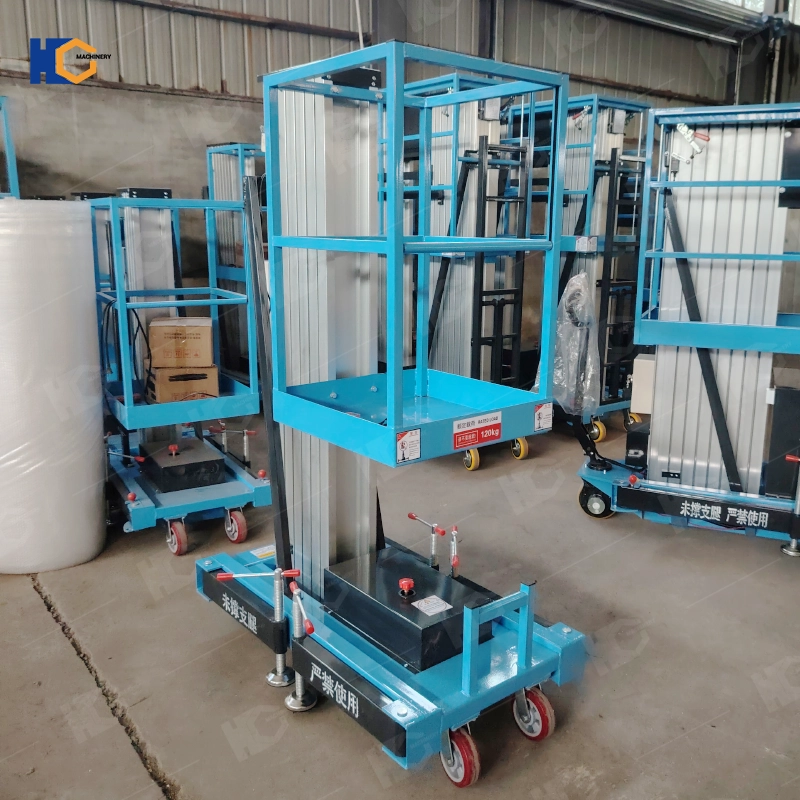
A manlift is a general term for equipment designed to safely elevate personnel to work at height. The primary purpose of a manlift is to lift workers and their tools vertically to reach elevated work areas.
Several types of equipment may fall under the manlift category, including:
- Vertical mast lifts
- Personnel lifts
- Push-around lifts
- Single mast lifts
- Double mast lifts
- Mobile elevated work platforms
- Some scissor lifts
Most manlifts are designed for vertical access rather than horizontal outreach.
Key Characteristics of Manlifts
- Compact design
- Primarily vertical movement
- Smaller platform size
- Lightweight construction
- Suitable for indoor use
- Easy transportation and storage
- Lower purchase cost
Manlifts are commonly used in environments where workers need straight-up access without obstacles.
What Is a Boom Lift?
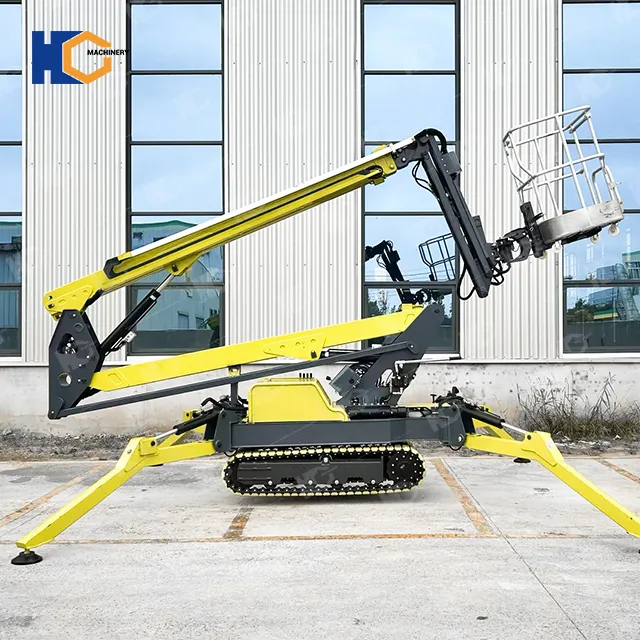
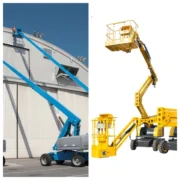
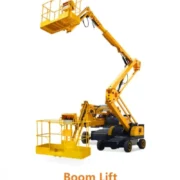
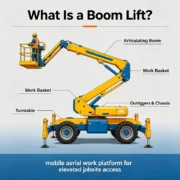
A boom lift is a specialized aerial work platform equipped with an extendable arm or boom that can elevate workers both vertically and horizontally.
Unlike traditional manlifts, boom lifts provide greater flexibility by allowing operators to reach over obstacles and access difficult-to-reach areas.
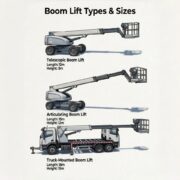
Boom lifts are generally divided into two categories:
Telescopic Boom Lift
Also called a straight boom lift.
Features include:
- Long horizontal reach
- High working heights
- Fast positioning
- Excellent outdoor performance
Articulating Boom Lift
Also called a knuckle boom lift.
Features include:
- Multiple joints
- Ability to maneuver around obstacles
- Greater flexibility
- Suitable for confined areas
Boom lifts are widely used in construction, utilities, telecommunications, industrial maintenance, and infrastructure projects.
Understanding the Key Difference
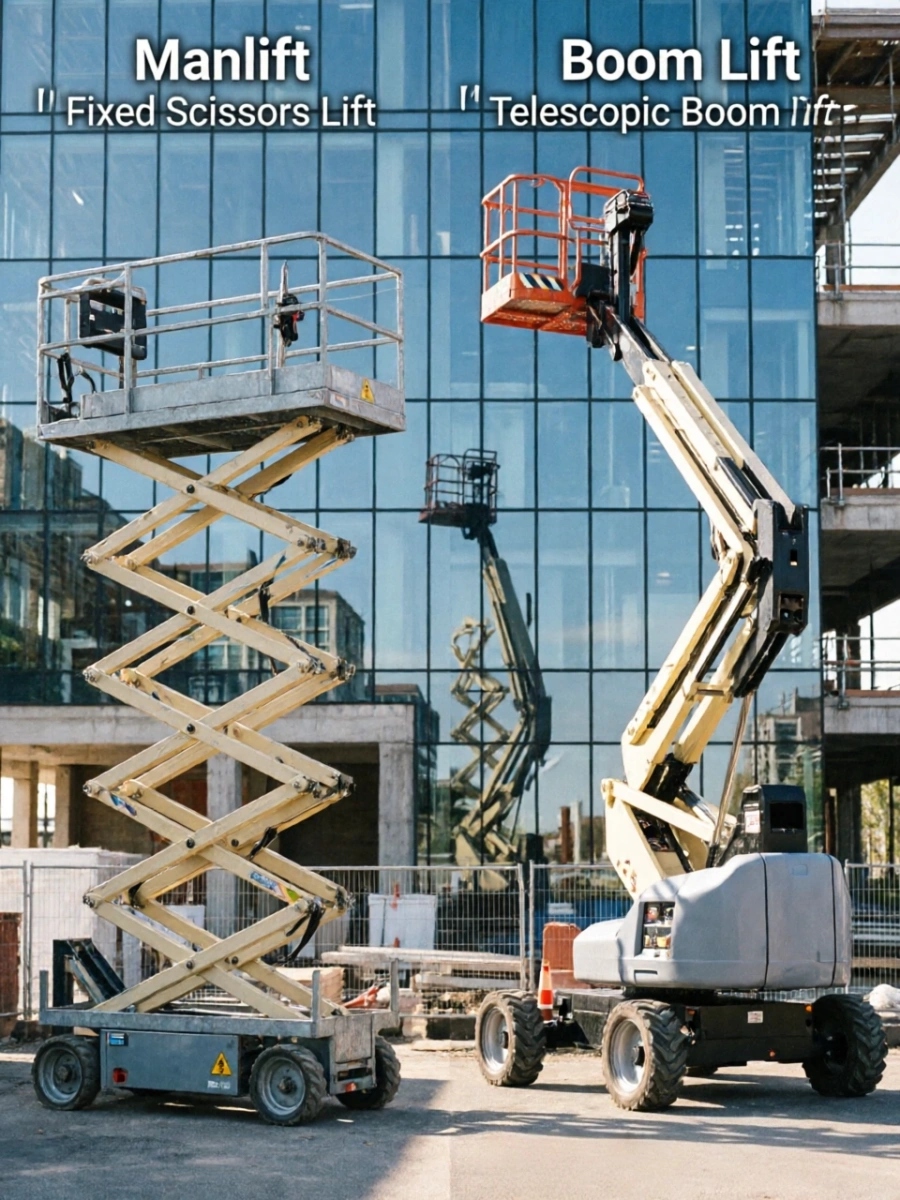
The simplest distinction is:
Manlift
Moves primarily up and down.
Boom Lift
Moves up, down, and outward.
If your project requires reaching over obstacles, a boom lift is usually the better solution.
If you only need vertical access, a manlift may be more efficient and economical.
How Each Machine Works
Manlift Operating Principle
Most manlifts use:
- Hydraulic cylinders
- Electric motors
- Mechanical mast systems
The platform travels vertically along a mast structure.
The operator controls movement from the platform or ground station.
Boom Lift Operating Principle
Boom lifts use:
- Hydraulic systems
- Telescopic boom sections
- Articulating joints
- Electronic control systems
The boom can extend outward while simultaneously raising the platform.
This creates a much larger working envelope.
Reach Comparison
Reach capability is often the deciding factor.
Manlift Reach
Typical platform heights:
- 4m
- 6m
- 8m
- 10m
- 12m
Horizontal reach:
- Minimal or none
Boom Lift Reach
Typical working heights:
- 10m
- 16m
- 20m
- 26m
- 32m
- 40m+
- 60m+
Horizontal outreach:
- 5m to 25m+
For projects requiring access over machinery, roofs, pipelines, or buildings, boom lifts provide a major advantage.
Platform Capacity Comparison
Manlift
Typical capacities:
- 120kg to 300kg
Usually designed for:
- One operator
- One operator plus tools
Boom Lift
Typical capacities:
- 200kg to 450kg
Can often accommodate:
- Multiple workers
- Heavy equipment
- Maintenance tools
For heavier work requirements, boom lifts generally offer greater versatility.
Mobility and Maneuverability
Manlift Advantages
Manlifts are highly maneuverable because they are:
- Compact
- Lightweight
- Narrow in width
They can easily pass through:
- Standard doorways
- Elevators
- Warehouse aisles
Boom Lift Advantages
Boom lifts offer superior access flexibility but typically require:
- More operating space
- Larger turning radius
- Better site planning
For tight indoor environments, manlifts often have the advantage.
Indoor Applications
Many facilities require equipment that can operate safely indoors.
Best Indoor Uses for Manlifts
- Warehouses
- Shopping malls
- Airports
- Factories
- Libraries
- Retail stores
- Hospitals
Electric manlifts produce:
- Zero emissions
- Low noise
- Minimal floor loading
Indoor Uses for Boom Lifts
Electric articulating boom lifts can also work indoors, especially when obstacles must be bypassed.
Examples include:
- Manufacturing facilities
- Convention centers
- Aircraft hangars
However, boom lifts generally require more space.
Outdoor Applications
Outdoor projects often involve greater height requirements and more complex access challenges.
Best Outdoor Uses for Boom Lifts
- Building construction
- Bridge maintenance
- Wind turbine servicing
- Utility line installation
- Telecommunications towers
- Oil and gas facilities
Boom lifts excel in these environments.
Outdoor Uses for Manlifts
Manlifts are suitable for:
- Building maintenance
- Sign installation
- Facility inspections
However, their limited reach reduces versatility.
Safety Comparison
Safety should always be a primary consideration.
Manlift Safety Advantages
- Smaller working envelope
- Lower operating complexity
- Reduced risk of collision
- Easier operator training
Boom Lift Safety Considerations
Boom lifts require more training because operators must manage:
- Horizontal outreach
- Load distribution
- Obstacle avoidance
- Wind exposure
Modern boom lifts include:
- Tilt sensors
- Overload protection
- Emergency lowering systems
- Platform leveling systems
Both machines are safe when used properly.
Productivity Comparison
Manlift Productivity
Ideal for repetitive vertical tasks.
Examples:
- Light replacement
- Inventory management
- Indoor maintenance
Boom Lift Productivity
Ideal for complex projects involving multiple access points.
Examples:
- Structural steel work
- Exterior building maintenance
- Utility installations
Boom lifts often reduce repositioning time significantly.
Cost Comparison
Price is often a major factor in equipment selection.
Manlift Purchase Price
Typical range:
- $3,000 to $15,000
Depending on:
- Height
- Capacity
- Power source
Boom Lift Purchase Price
Typical range:
- $20,000 to $150,000+
Depending on:
- Working height
- Brand
- Drive system
- Reach capability
Boom lifts require a significantly larger investment.
Maintenance Costs
Manlift Maintenance
Generally includes:
- Battery servicing
- Hydraulic inspections
- Safety checks
Annual maintenance costs are relatively low.
Boom Lift Maintenance
Requires servicing of:
- Hydraulic systems
- Telescopic sections
- Articulating joints
- Drive systems
Maintenance expenses are generally higher.
Transportation Requirements
Manlift Transportation
Most manlifts can be:
- Towed easily
- Loaded on small trailers
- Moved with forklifts
Boom Lift Transportation
Larger boom lifts often require:
- Flatbed trailers
- Professional transport
- Additional permits
Transportation costs are typically higher.
Energy Efficiency
Electric Manlifts
Benefits include:
- Low power consumption
- Zero emissions
- Reduced operating costs
Electric Boom Lifts
Modern electric boom lifts have improved efficiency, but larger models consume more energy.
Diesel boom lifts remain common for outdoor projects.
Manlift vs Boom Lift: Pros and Cons
Manlift Advantages
- Lower cost
- Compact size
- Easy operation
- Indoor-friendly
- Minimal maintenance
- Lightweight design
Manlift Disadvantages
- Limited reach
- No horizontal outreach
- Smaller working area
- Lower versatility
Boom Lift Advantages
- Exceptional reach
- Horizontal access capability
- High productivity
- Greater flexibility
- Suitable for challenging environments
Boom Lift Disadvantages
- Higher cost
- Larger footprint
- Increased maintenance
- More operator training required
Industry-Specific Recommendations
Warehouses
Recommended:
Manlift
Reason:
Efficient vertical access in narrow aisles.
Shopping Malls
Recommended:
Manlift
Reason:
Compact and easy to maneuver.
Manufacturing Plants
Recommended:
Depends on layout.
For machinery obstacles:
Boom lift.
For open vertical access:
Manlift.
Construction Sites
Recommended:
Boom lift
Reason:
Maximum flexibility and reach.
Telecommunications
Recommended:
Boom lift
Reason:
Required horizontal and vertical reach.
Airports
Recommended:
Combination of both
Reason:
Different maintenance tasks require different access solutions.
How to Choose Between a Manlift and a Boom Lift
Ask the following questions:
Do You Need Horizontal Reach?
If yes:
Choose a boom lift.
Is Your Workspace Limited?
If yes:
Choose a manlift.
Is Budget a Major Concern?
If yes:
Choose a manlift.
Are There Obstacles Blocking Access?
If yes:
Choose a boom lift.
Will the Equipment Be Used Indoors?
For most indoor applications:
Choose a manlift.
Do You Need Maximum Versatility?
Choose a boom lift.
Expert Recommendation
Based on years of experience in the aerial work platform industry, many buyers initially focus on height alone. However, the true decision should be based on access requirements.
If your work involves straight vertical access in warehouses, factories, shopping centers, or maintenance environments, a manlift usually delivers the best value. It is affordable, easy to operate, and highly efficient.
If your project requires reaching over obstacles, accessing building exteriors, servicing utilities, or working at significant heights, a boom lift is often the superior investment despite the higher cost.
The most expensive mistake is not buying a larger machine—it is buying a machine that cannot reach the work area efficiently.
Conclusion
The comparison between manlifts and boom lifts ultimately comes down to the type of access your project requires. Manlifts are compact, cost-effective, and ideal for vertical access in indoor environments. Boom lifts offer superior height, horizontal outreach, and flexibility, making them the preferred choice for construction, infrastructure, telecommunications, and complex maintenance projects.
For businesses focused on indoor maintenance, warehousing, and facility management, a manlift often provides the best return on investment. For contractors, utility companies, and industrial operators who need to reach difficult locations, a boom lift delivers unmatched versatility and productivity.
Before purchasing or renting equipment, carefully evaluate your working height, horizontal reach requirements, operating environment, budget, and future project needs. Choosing the right aerial work platform will improve safety, increase efficiency, and maximize long-term value.

Jnhclift (Huichuang Lift), based in Jinan, China, is a professional manufacturer of scissor lifts, home elevators, and lift platforms. With our own dedicated factory, we deliver high-quality, reliable lifting solutions tailored to meet diverse industrial and residential needs.

-180x180.webp "Towable trailer boom lift (3)")
 Room 203, Second Floor, Building 8, Phase Ⅱ, Zhizao Town, Jibei Street, Jiyang District, Jinan City, Shandong Province
 +8615628811021
 admin@jnhclift.com