Posts

Top 10 Boom Lift Manufacturers in the US (2025 Update)

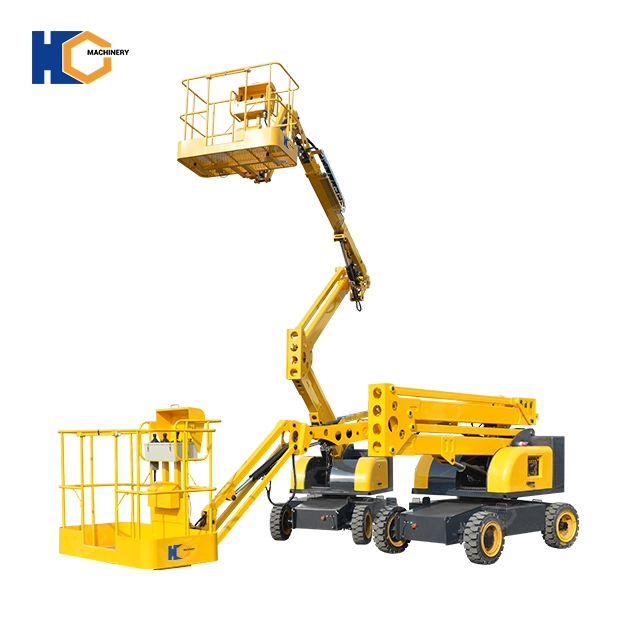
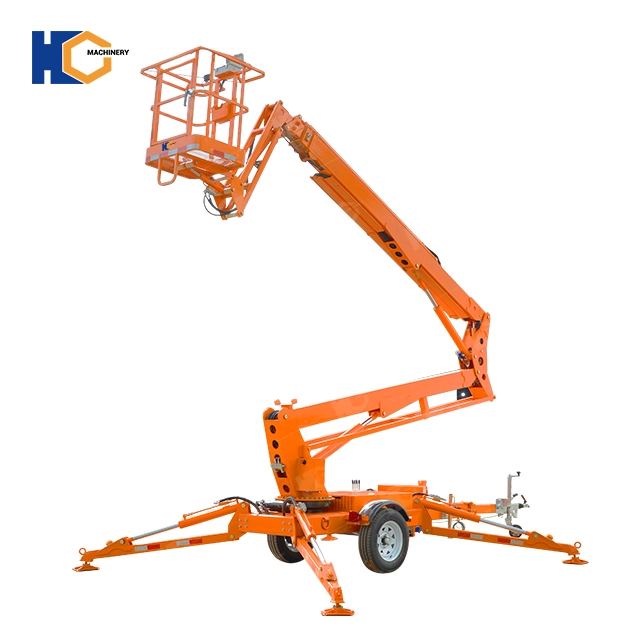
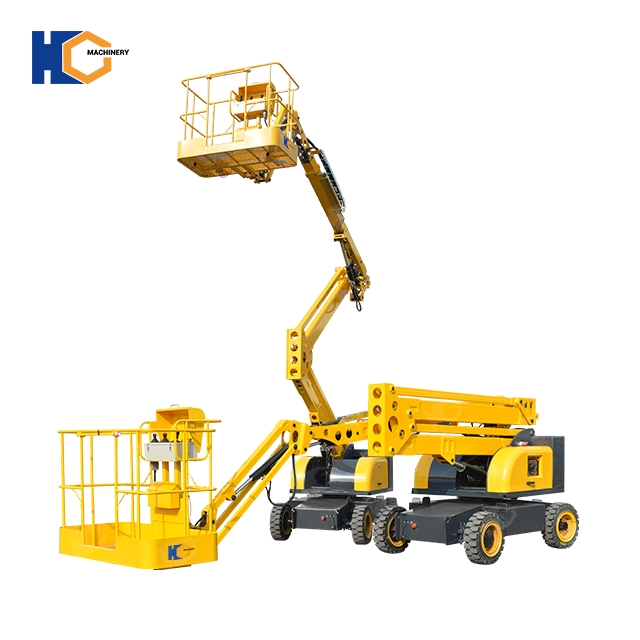
Boom lifts—also known as cherry pickers or aerial work platforms—are essential pieces of equipment designed to safely lift workers and tools to elevated work areas. They are commonly divided into two types: telescopic boom lifts (straight booms), which offer extended horizontal reach, and articulating boom lifts (knuckle booms), which provide greater flexibility to reach up and over obstacles. Whether on a construction site or in a warehouse, boom lifts play a vital role in increasing both safety and productivity when working at height.

In the United States, boom lifts are widely used across sectors such as commercial construction, building maintenance, logistics and warehousing, utilities, and even event management. From installing signage to repairing overhead electrical lines, these machines provide access to hard-to-reach areas safely and efficiently. As workplace safety regulations become more stringent, the demand for high-quality boom lifts continues to rise.

Choosing a reliable boom lift manufacturer is crucial—not only to ensure safety but also to maximize long-term value. Reputable manufacturers invest in quality engineering, rigorous safety testing, and ongoing innovation, offering equipment that meets or exceeds industry standards like ANSI and OSHA. They also provide comprehensive after-sales support, access to spare parts, and training, all of which are vital for reducing downtime and maintenance costs.

In this Top 10 Boom Lift Manufacturers in the US (2025 Update) guide, we’ve carefully evaluated leading companies based on several key criteria:

  • Product quality and durability
  • Market presence and reputation
  • Technological innovation, such as electric and hybrid models
  • Availability of service and support networks
  • Range of models suitable for both rental and purchase

Whether you’re a contractor looking to expand your fleet or a facility manager seeking a dependable lift for occasional use, this guide will help you identify the best boom lift brands in the U.S. market today. Read on to discover which manufacturers made the top 10 in 2025.

How We Ranked These Manufacturers

When compiling this Top 10 Boom Lift Manufacturers in the US (2025 Update) list, we evaluated each company using a clear set of criteria to ensure fairness, relevance, and real-world value. Our goal is to provide buyers, contractors, and rental companies with trustworthy insights into which brands offer the best equipment and long-term support. Here’s a breakdown of the key factors we considered:

1. Product Quality and Safety Standards

First and foremost, product quality is non-negotiable. We assessed each manufacturer’s build quality, reliability under tough conditions, and compliance with strict safety regulations. All top-rated boom lift manufacturers meet or exceed ANSI (American National Standards Institute) and OSHA (Occupational Safety and Health Administration) guidelines. These standards ensure that the machines are designed and built to perform safely in various industrial and commercial environments. We also looked at durability, ease of maintenance, and user feedback regarding equipment lifespan.

2. Brand Reputation and Market Presence

Reputation matters—especially in a field where safety and uptime are critical. We analyzed customer reviews, contractor testimonials, and expert opinions to gauge brand trust. A strong presence in the U.S. market, including partnerships with major rental companies and construction firms, also played a role in our evaluation. Companies with decades of experience and a proven track record were given preference over newer or less-established brands.

3. Technological Innovation

The best boom lift manufacturers are not just keeping up with industry trends—they’re driving them. We gave high marks to companies that have introduced electric and hybrid boom lifts, remote diagnostics, automatic leveling systems, and eco-friendly features. In today’s market, innovation means not only improving efficiency and safety but also reducing the environmental impact. Manufacturers that prioritize R&D and continue to release updated, cutting-edge models scored higher on our list.

4. Service Network and Parts Availability

A high-quality boom lift is only as good as the support behind it. We evaluated each company’s ability to provide nationwide service coverage, quick access to replacement parts, and responsive customer service. Manufacturers with well-established dealer networks and mobile service fleets offer a significant advantage, especially in fast-paced industries where downtime can be costly.

5. Suitability for Rental and Purchase Markets

Finally, we looked at how well a brand’s product line caters to both the rental and ownership markets. For rental companies, factors such as equipment versatility, low maintenance, and fleet standardization options are key. For end-users looking to purchase, long-term reliability, cost of ownership, and resale value matter more. We gave preference to manufacturers whose boom lifts perform well in both environments.

By analyzing these five pillars—quality, reputation, innovation, support, and market versatility—we’ve created a ranking that reflects the current state of the boom lift industry in the U.S. in 2025. Whether you’re in construction, maintenance, or industrial operations, this guide helps you invest in equipment that meets both your operational needs and safety standards.

1. JLG Industries – https://www.jlg.com

JLG Industries, founded in 1969 and headquartered in Pennsylvania, is one of the best boom lift manufacturers in the US and globally. Known for its innovation and durability, JLG offers a wide range of boom lifts, including the popular 600AJ, 860SJ, and EC600 Series. These models are praised for their performance, safety features, and advanced control systems. JLG’s extensive dealer and service network ensures quick support and minimal downtime, making it a trusted choice for both large-scale construction projects and industrial applications. Whether you’re buying or renting, JLG boom lifts provide excellent value and reliability across indoor and outdoor job sites. With continuous innovation in electric and hybrid technologies, JLG remains a leader in aerial work platform solutions.


2. Genie (Terex) – https://www.genielift.com

Genie, a brand under the Terex Corporation, is one of the best boom lift manufacturers in the US, with decades of experience in designing aerial work platforms. Genie’s boom lifts like the Z-45/25 and S-65 are known for their strong lifting capacity and ease of operation. The company offers a full range of electric and rough-terrain boom lifts, making them suitable for indoor maintenance and outdoor construction work. Genie also excels in operator safety and low-emission solutions, responding to the industry’s shift toward greener equipment. Their products are backed by a robust service and parts network across North America, ensuring reliable support. Genie’s reputation for innovation and value has made it a go-to brand for rental fleets and contractors alike.


3. Skyjack – https://www.skyjack.com

Skyjack, a Linamar company based in Canada, is one of the best boom lift manufacturers in the US, particularly favored by rental companies for its easy-to-maintain machines. Popular models such as the SJ66T and SJ85 AJ are built for durability and simplicity, offering intuitive controls and reliable performance. Skyjack boom lifts are widely available throughout the United States and come with strong aftermarket support. Their machines are especially known for “keep it simple” engineering, allowing for fast repairs and reduced downtime. With a growing focus on electric models and sustainability, Skyjack is a dependable choice for customers seeking efficiency and lower operational costs in both indoor and outdoor environments.


4. Snorkel – https://www.snorkellifts.com

Snorkel, a joint US-UK manufacturer, has made a name as one of the best boom lift manufacturers for compact and efficient solutions. Known for its rugged yet lightweight designs, Snorkel offers models like the A46JRT and S3219E, which are ideal for rental fleets and tight job sites. Their products prioritize operator safety, maneuverability, and ease of maintenance. With manufacturing facilities in the US and global distribution, Snorkel ensures excellent service reach. The company continues to innovate in electric and hybrid models, targeting customers who demand reliable, low-emission aerial lifts. Snorkel’s machines are widely respected in commercial construction, facility management, and industrial maintenance sectors.


5. Haulotte Group – https://www.haulotte-usa.com

Haulotte Group, a France-based global equipment manufacturer, has established itself as one of the best boom lift manufacturers expanding in the US. With a strong focus on electric and eco-friendly aerial lifts, models such as the HA61 LE and Compact 14 are increasingly popular among environmentally conscious contractors. Haulotte emphasizes innovation in operator comfort, energy efficiency, and fleet management. Their after-sales service is growing steadily in the U.S., with improved parts availability and local dealer partnerships. Haulotte’s “Blue Strategy” underlines its commitment to sustainability and digitalization, positioning the company as a future-ready player in the North American lift market.


6. MEC Aerial Work Platforms – https://www.mecawp.com

MEC, headquartered in California, is one of the best boom lift manufacturers for innovation and niche performance. The company focuses on designing aerial lifts that improve safety, productivity, and total cost of ownership. Signature models like the MEC 60-J and Micro 26 offer compact design with big reach, especially suitable for urban environments or confined industrial spaces. MEC is recognized for introducing unique features such as Leak Containment Systems and hybrid power options. Though smaller in scale compared to giants like JLG or Genie, MEC offers exceptional customer service and customization options that appeal to specialized users and fleet operators who value tailored solutions.


7. Niftylift – https://www.niftylift.com

Niftylift, based in the UK, has become one of the best hybrid boom lift manufacturers supplying the US market. Known for its pioneering hybrid technology, the HR21 Hybrid stands out with low emissions, quiet operation, and an impressive working envelope. Niftylift’s machines are lightweight, reducing ground pressure and making them suitable for delicate indoor flooring and outdoor terrain alike. Their smart diagnostics and easy-to-use controls improve both safety and efficiency. The company supports U.S. customers via an established dealer network and provides strong post-sale support. With growing demand for green and hybrid lifts, Niftylift is a smart choice for forward-thinking contractors.


8. Manitou – https://www.manitou.com

Manitou, originally a French manufacturer, has strengthened its position in the U.S. aerial lift market, especially after acquiring American company GEHL. Today, it is one of the best boom lift manufacturers for heavy-duty applications. Popular models such as the 160 ATJ and TJ 65 are known for their off-road capabilities and robust design. Manitou’s focus on operator comfort, safety features, and low total cost of ownership makes it attractive to construction firms and logistics companies. The brand continues to invest in electric platforms and smart control systems, expanding its footprint in both North America and global markets.


9. Aichi (Toyota Industries) – https://www.toyota-industries.com

Aichi, a subsidiary of Toyota Industries, is one of the best boom lift manufacturers known for precision and reliability. Though originally based in Japan, Aichi has been supplying the U.S. market for years with high-quality models like the SV-Series. These lifts are especially valued for their tight turning radius, smooth operation, and quiet electric motors. Designed with the same attention to detail and reliability as Toyota’s automotive products, Aichi lifts are a popular choice in warehousing, facility maintenance, and light construction. Their commitment to zero emissions and automation ensures a strong future in the aerial work platform segment.


10. Huichuang Lift – https://www.jnhclift.com

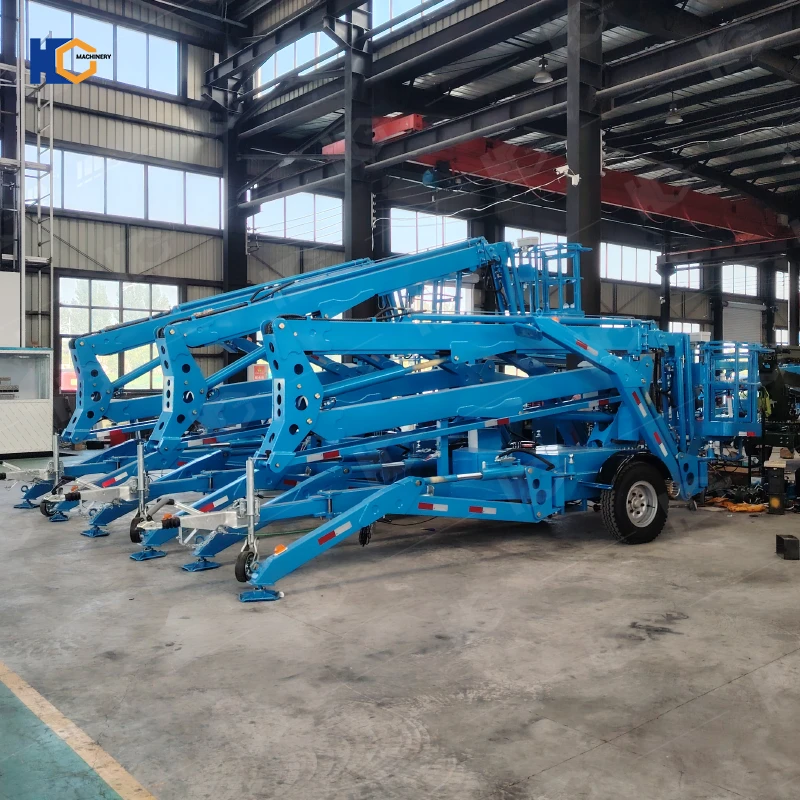
Huichuang Lift, based in China, is quickly emerging as one of the best value-focused boom lift manufacturers entering the US market. With cost-effective yet increasingly high-quality models like the JNHC Series, Huichuang is gaining attention among smaller contractors and rental companies seeking affordable alternatives. While still building its brand in North America, the company is focused on meeting international safety certifications and offering dependable electric and diesel boom lifts. As Chinese manufacturers gain traction globally, Huichuang is positioning itself as a serious competitor in the mid-range lift market by balancing price, performance, and growing service support.

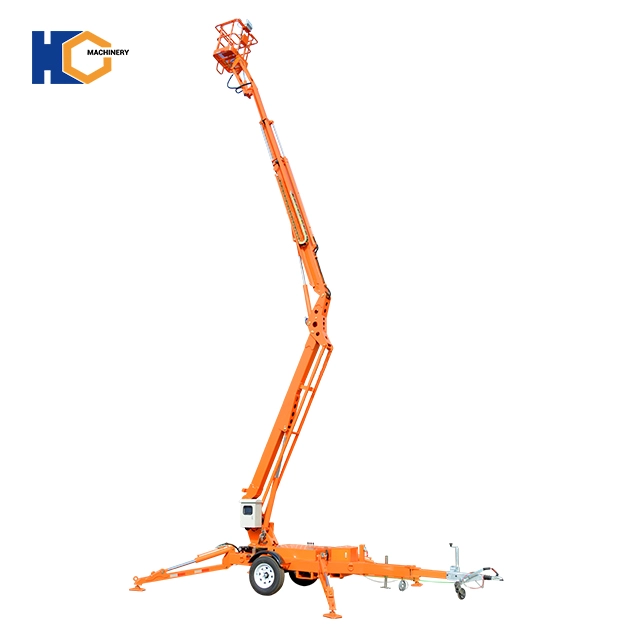
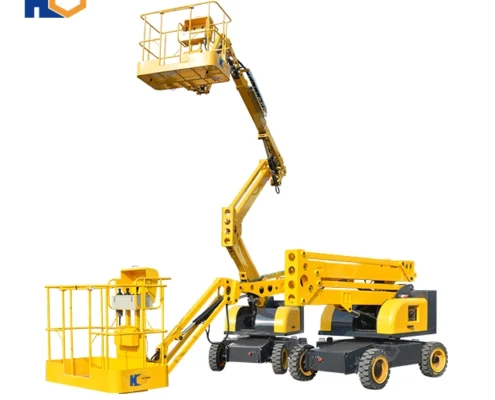
If you want to know more about huichuang lift’s boom lifts, you can click here: 30 ft 35 ft 40 ft 45 ft 50 ft 60 ft 65 ft Electric articulated boom lift factory,We have our own lift factory and can provide customization and OEM services.


Tips for Choosing the Right Boom Lift Manufacturer

Choosing the right boom lift manufacturer isn’t just about selecting a brand name—it’s about finding the right partner for your job site’s specific needs. Whether you’re a construction manager, facility maintenance supervisor, or rental fleet operator, here are key factors to consider before making your decision:

1. Define Your Application Needs

Start by assessing how and where the boom lift will be used. For indoor work, electric models with non-marking tires and compact dimensions are ideal. In contrast, outdoor applications such as construction or utilities work often require rough-terrain models with diesel power, four-wheel drive, and longer outreach. Also consider working height, horizontal reach, and lift capacity. Choosing a manufacturer that offers a wide product range ensures you get the right machine for the task at hand.

2. Balance Budget and Total Cost of Ownership

It’s tempting to choose the cheapest option upfront, but long-term costs like maintenance, downtime, and fuel efficiency should be part of the equation. High-quality machines from reputable manufacturers may cost more initially, but they typically offer better durability, higher resale value, and lower long-term operating costs. Look for brands known for engineering reliability and low service frequency.

3. Consider Renting vs. Buying

If your boom lift usage is infrequent or short-term, renting from a fleet that carries premium manufacturers might be the smarter option. However, if you need daily access to aerial work platforms, purchasing could offer better ROI. Some manufacturers specialize in rental-friendly models, while others build for heavy-duty ownership. Choose a manufacturer whose product line suits your usage model.

4. Evaluate After-Sales Support

After-sales support is often overlooked—but it’s critical. Choose a manufacturer with a strong U.S. service network, easy access to spare parts, and responsive customer service. Downtime costs money; having local support means faster repairs and better uptime. Some top manufacturers even offer remote diagnostics and digital service platforms, which can drastically reduce unplanned delays.


Whether you’re focused on indoor precision, outdoor power, or fleet efficiency, choosing the right boom lift manufacturer depends on aligning product features, support infrastructure, and long-term value. The best boom lift manufacturers in the US offer a balance of innovation, support, and application-specific solutions—choose wisely to maximize safety and productivity.

Conclusion

The Top 10 Boom Lift Manufacturers in the US (2025) showcase a wide range of strengths, from cutting-edge innovation to budget-friendly reliability. Industry leaders like JLG and Genie are ideal for large-scale construction projects requiring high lift capacities, rugged performance, and extensive service networks. On the other hand, brands such as Skyjack and Snorkel offer more accessible solutions for small to mid-sized businesses or rental companies that prioritize ease of maintenance and lower total cost of ownership.

Ultimately, there is no one-size-fits-all solution. The right boom lift manufacturer depends on your specific job requirements, budget, and frequency of use. Carefully considering factors like product range, support availability, and long-term value will help ensure that your investment delivers maximum safety, performance, and return. By aligning your choice with your operational goals, you’ll be well-positioned to get the most from your boom lift equipment.

FAQ: Boom Lifts and Manufacturers (2025)

Q1: What is the best boom lift brand in 2025?
A: In 2025, top-rated boom lift brands include JLG and Genie, known for their high performance, innovation, and nationwide service networks. These manufacturers are widely used on major U.S. construction sites and offer a full range of electric, hybrid, and diesel-powered models.


Q2: Are Chinese boom lift brands reliable?
A: Yes, some Chinese boom lift brands, like Huichuang, are improving rapidly in quality and safety standards. While not yet as established as U.S. or European brands, they offer competitive pricing and are gaining trust among budget-conscious buyers and smaller rental fleets in the U.S.


Q3: Which boom lift is best for warehouse use?
A: For warehouse environments, electric boom lifts with compact dimensions and zero-emission operation are ideal. Models like the Genie Z-30/20 N or JLG EC600 provide quiet, smooth indoor performance with precise maneuverability in tight spaces.


Q4: How much does a boom lift cost in the US?
A: Boom lift prices vary by type and size. New electric models start around $25,000–$40,000, while large diesel articulating lifts can cost $80,000 or more. Rental rates range from $200–$500 per day, depending on reach height and region.

Boom Lift Sizes: Complete Guide

Boom lifts are among the most versatile aerial work platforms used in construction, maintenance, warehousing, telecommunications, utilities, and industrial projects. Unlike scissor lifts, which move vertically, boom lifts provide both vertical and horizontal reach, allowing operators to access difficult-to-reach locations safely and efficiently.

One of the most common questions buyers and renters ask is: What boom lift sizes are available?

The answer depends on the type of boom lift, working height requirements, outreach needs, terrain conditions, and power source. Modern boom lifts range from compact indoor models with working heights of 20 feet to heavy-duty machines capable of reaching over 180 feet.

This guide explains boom lift sizes by category, compares different boom lift types, and helps businesses choose the right machine for their projects.

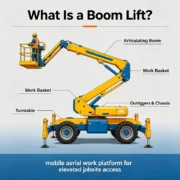
What Is a Boom Lift?

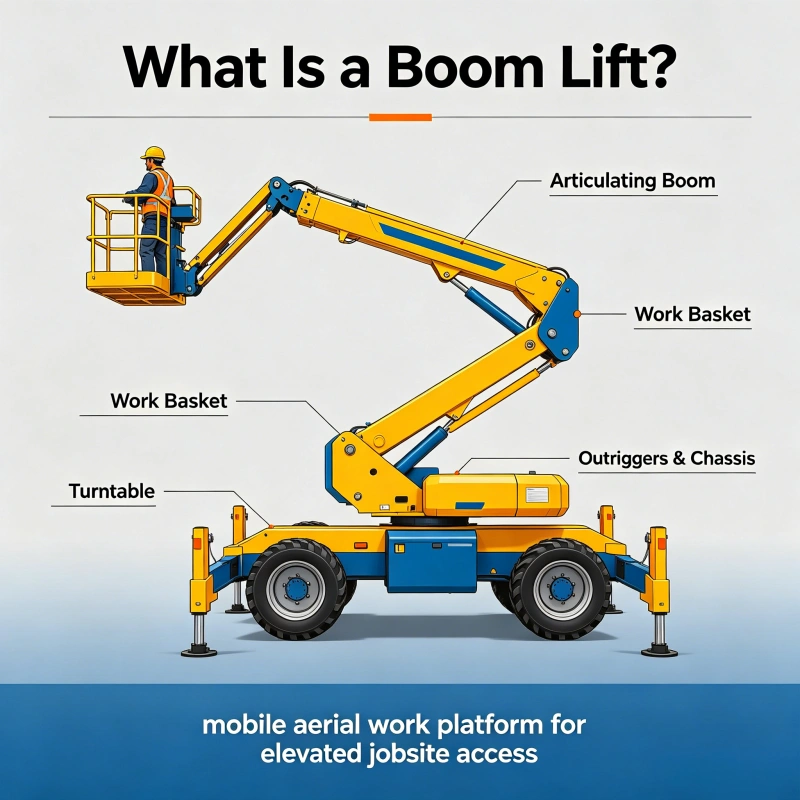
A boom lift is an aerial work platform equipped with a hydraulic arm (boom) that elevates workers, tools, and materials to high locations. The boom can extend outward and upward, providing access to areas that ladders, scaffolding, and scissor lifts cannot easily reach.

Boom lifts are widely used for:

  • Building construction
  • Exterior maintenance
  • Window cleaning
  • Bridge inspection
  • Telecommunications installation
  • Tree trimming
  • Industrial maintenance
  • Airport operations
  • Warehouse management
  • Utility line repairs

The primary specification used to classify boom lifts is working height.

Understanding Boom Lift Size Measurements

Before comparing boom lift sizes, it is important to understand key measurements.

Working Height

Working height refers to the maximum height an operator can safely reach while standing in the platform.

Typical range:

  • 20 ft (6 m)
  • 30 ft (9 m)
  • 40 ft (12 m)
  • 60 ft (18 m)
  • 80 ft (24 m)
  • 120 ft (36 m)
  • 180 ft (55 m)

Platform Height

Platform height is the actual height of the work basket.

Example:

  • Platform height: 38 ft
  • Working height: 44 ft

Manufacturers usually add approximately 6 ft to the working height calculation.

Horizontal Outreach

Horizontal outreach measures how far the boom can extend sideways.

This specification is crucial when working over obstacles such as:

  • Machinery
  • Roof edges
  • Trees
  • Utility poles
  • Industrial equipment

Lift Capacity

Boom lift platforms typically support:

  • 440 lbs (200 kg)
  • 500 lbs (227 kg)
  • 660 lbs (300 kg)
  • 1,000 lbs (454 kg)

Larger models often accommodate multiple workers and tools.

Types of Boom Lifts and Their Sizes

Boom lifts can be divided into several major categories.

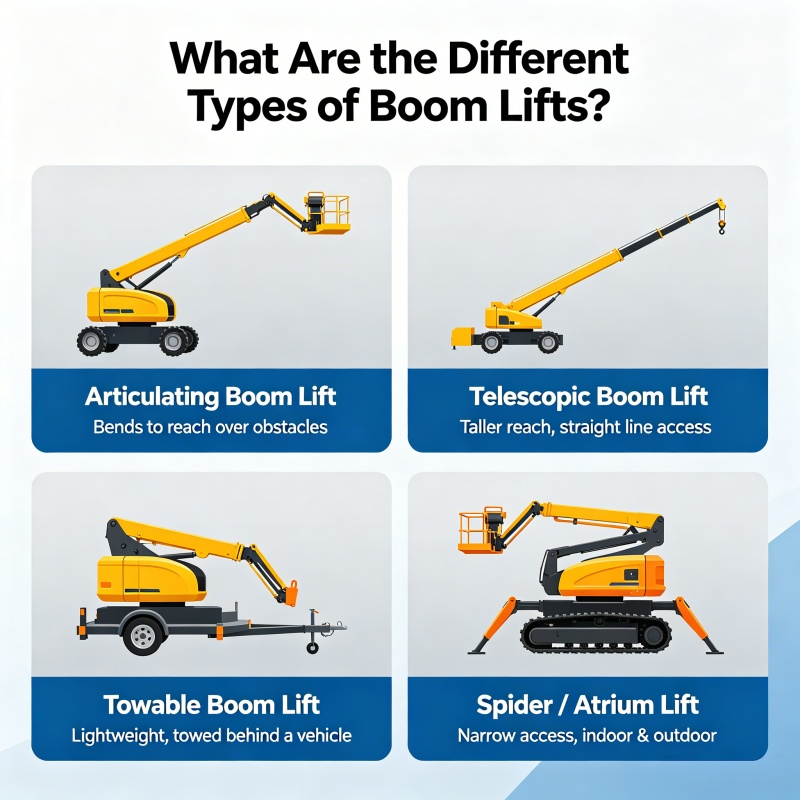
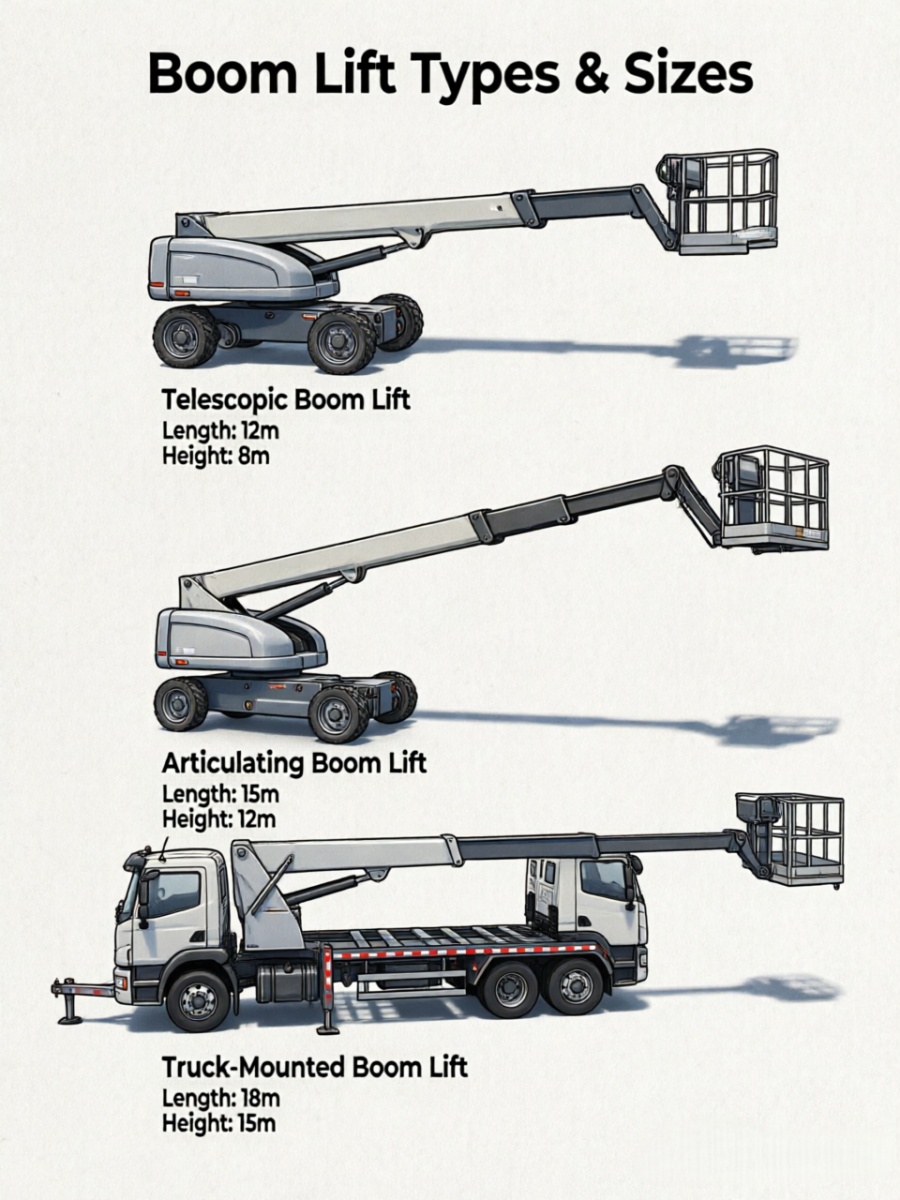
1. Telescopic Boom Lift

Telescopic boom lifts, often called straight boom lifts, feature a boom that extends in a straight line.

These machines offer maximum horizontal outreach and are ideal for jobs requiring long-distance access.

Typical Sizes

Working HeightPlatform HeightHorizontal Reach
40 ft34 ft25 ft
60 ft54 ft45 ft
80 ft74 ft60 ft
120 ft114 ft80 ft
180 ft174 ft100+ ft

Advantages

  • Longest outreach
  • Fast elevation speed
  • Ideal for large construction projects
  • Suitable for bridge and infrastructure work

Applications

  • Steel structure installation
  • Stadium construction
  • Airport maintenance
  • High-rise buildings

2. Articulating Boom Lift

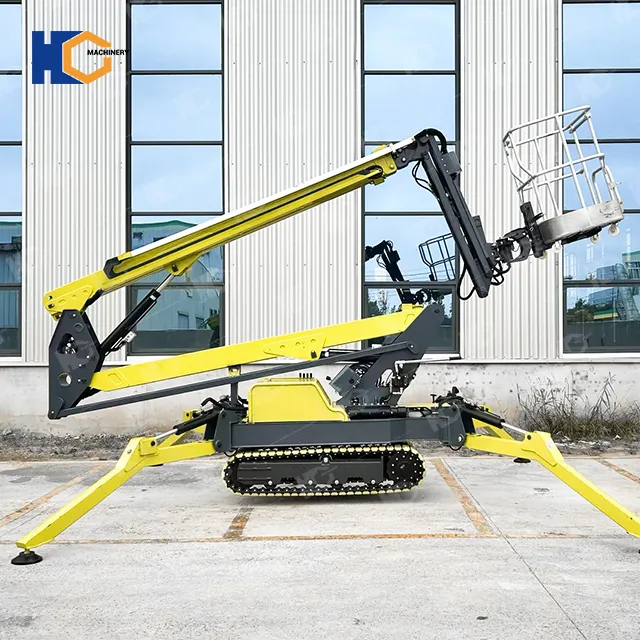
Articulating boom lifts feature multiple hinged sections that allow the boom to bend around obstacles.

These machines are often called knuckle boom lifts.

Typical Sizes

Working HeightPlatform Height
30 ft24 ft
45 ft39 ft
60 ft54 ft
80 ft74 ft
150 ft144 ft

Advantages

  • Excellent maneuverability
  • Can reach over obstacles
  • Suitable for confined spaces
  • Increased positioning flexibility

Applications

  • Industrial plants
  • Warehouses
  • Shopping centers
  • Refineries
  • Aircraft maintenance

Telescopic vs Articulating Boom Lift

FeatureTelescopic Boom LiftArticulating Boom Lift
Reach DistanceExcellentGood
Obstacle NavigationLimitedExcellent
Setup SpeedFasterModerate
FlexibilityLowerHigher
Large Construction SitesBestGood
Indoor MaintenanceModerateExcellent

3. Towable Boom Lift

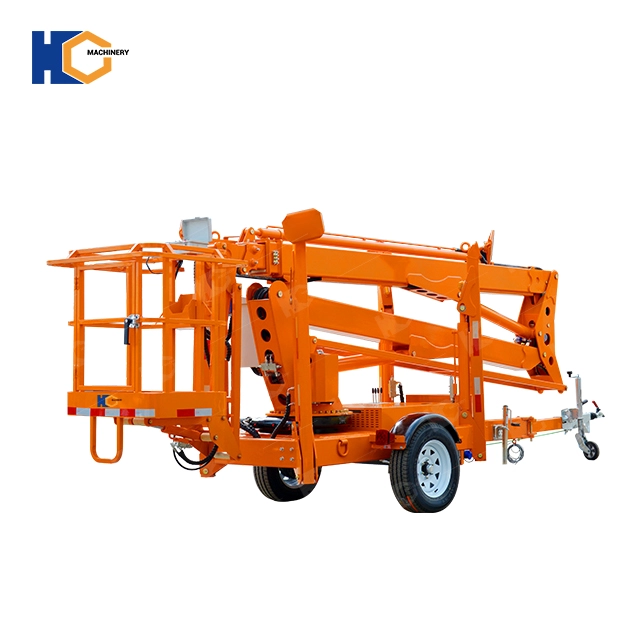
Towable boom lifts are lightweight units that can be transported using a pickup truck, SUV, or trailer hitch.

These are among the most economical boom lifts available.

Typical Sizes

Working HeightPlatform Height
30 ft24 ft
35 ft29 ft
45 ft39 ft
55 ft49 ft

Advantages

  • Lower acquisition cost
  • Easy transportation
  • Minimal maintenance
  • Lightweight design

Applications

  • Tree care
  • Sign installation
  • Property maintenance
  • Residential projects

Towable boom lifts are especially popular among rental companies and contractors with multiple job sites.

4. Self-Propelled Electric Boom Lift

Electric boom lifts use battery-powered drive systems and produce zero emissions.

These machines are designed primarily for indoor operations.

Typical Sizes

Working HeightPlatform Height
30 ft24 ft
40 ft34 ft
50 ft44 ft
60 ft54 ft

Advantages

  • Zero emissions
  • Low noise operation
  • Lower operating costs
  • Environmentally friendly

Applications

  • Warehouses
  • Manufacturing facilities
  • Airports
  • Shopping malls
  • Data centers

As sustainability requirements increase, electric boom lifts continue gaining market share globally.

5. Diesel Self-Propelled Boom Lift

Diesel boom lifts are designed for outdoor operations and rough terrain.

They offer higher power and longer operating cycles than battery-powered models.

Typical Sizes

Working HeightPlatform Height
40 ft34 ft
60 ft54 ft
80 ft74 ft
100 ft94 ft
150 ft144 ft
180 ft174 ft

Advantages

  • Powerful engines
  • Longer runtime
  • Rough terrain capability
  • Higher lifting capacities

Applications

  • Construction sites
  • Mining operations
  • Infrastructure projects
  • Oil and gas facilities

6. Rough Terrain Boom Lift

Rough terrain boom lifts are equipped with:

  • Four-wheel drive
  • Large off-road tires
  • Oscillating axles
  • Enhanced ground clearance

Common Sizes

Working HeightPlatform Height
45 ft39 ft
65 ft59 ft
85 ft79 ft
135 ft129 ft

Best Uses

  • Uneven ground
  • Muddy construction sites
  • Remote projects
  • Wind farms

These lifts maintain stability where standard boom lifts may struggle.

7. Compact Boom Lift

Compact boom lifts are specifically engineered for narrow spaces.

Typical Sizes

Working HeightPlatform Height
20 ft14 ft
26 ft20 ft
30 ft24 ft
35 ft29 ft

Advantages

  • Small turning radius
  • Lightweight design
  • Easy transportation
  • Indoor accessibility

Applications

  • Retail stores
  • Warehouses
  • Office buildings
  • Hotels

8. Truck-Mounted Boom Lift

Truck-mounted boom lifts combine aerial access equipment with a road-legal vehicle.

Typical Sizes

Working HeightPlatform Height
40 ft34 ft
60 ft54 ft
80 ft74 ft
120 ft114 ft

Advantages

  • Rapid deployment
  • Excellent mobility
  • No trailer required
  • Reduced transportation costs

Applications

  • Utility companies
  • Telecommunications
  • Street lighting
  • Municipal maintenance

Most Popular Boom Lift Sizes

30-40 ft Boom Lifts

Ideal for:

  • Warehouses
  • Residential projects
  • Indoor maintenance

45-60 ft Boom Lifts

Ideal for:

  • Commercial buildings
  • Sign installation
  • Roofing projects

65-85 ft Boom Lifts

Ideal for:

  • Construction
  • Infrastructure projects
  • Industrial facilities

100 ft+ Boom Lifts

Ideal for:

  • High-rise construction
  • Bridge inspection
  • Wind energy projects

Factors Affecting Boom Lift Size Selection

Working Height Requirements

Always choose a machine with a slightly greater reach than the actual work area.

Ground Conditions

For rough terrain:

  • Diesel models
  • Four-wheel drive
  • Larger tires

For indoor flooring:

  • Electric models
  • Non-marking tires

Horizontal Reach Needs

Projects involving obstacles require greater outreach or the use of articulating booms.

Transportation Requirements

Towable and truck-mounted lifts offer easier mobility between locations.

Budget Considerations

Generally:

  • Towable boom lifts = lowest cost
  • Electric boom lifts = lower operating costs
  • Diesel rough terrain lifts = higher purchase price
  • Ultra-high boom lifts = premium investment

Boom Lift vs Scissor Lift Size Comparison

FeatureBoom LiftScissor Lift
Vertical ReachExcellentExcellent
Horizontal ReachExcellentNone
ManeuverabilityHighModerate
Obstacle AccessExcellentPoor
Platform CapacityModerateHigh
Outdoor UseExcellentGood

When jobs require reaching over obstacles, boom lifts are the preferred solution.

Future Trends in Boom Lift Sizes

The boom lift industry continues evolving through:

  • Lithium battery technology
  • Hybrid power systems
  • Lightweight materials
  • Smart telematics
  • Autonomous positioning systems

Manufacturers are introducing larger electric boom lifts capable of reaching heights previously achievable only with diesel-powered equipment.

As sustainability regulations become stricter, battery-powered models in the 60–80 ft range are expected to become increasingly common.

Conclusion

Boom lifts are available in a wide range of sizes, from compact 20-foot indoor machines to giant 180-foot construction platforms. The best boom lift size depends on working height, outreach requirements, terrain conditions, transportation needs, and project type.

The major categories include telescopic boom lifts, articulating boom lifts, towable boom lifts, electric boom lifts, diesel boom lifts, rough terrain boom lifts, compact boom lifts, and truck-mounted boom lifts. Each offers unique advantages for specific applications.

By understanding boom lift sizes and the capabilities of each type, contractors, rental companies, and facility managers can select the safest and most cost-effective aerial work platform for their operations.

Boom Lift Uses: Complete Guide

Boom lifts have become one of the most versatile aerial work platforms used across construction, maintenance, industrial operations, warehousing, telecommunications, utilities, and facility management. Whenever workers need safe access to elevated work areas that are difficult to reach with ladders or scaffolding, a boom lift often becomes the preferred solution.

Unlike traditional access equipment, boom lifts provide exceptional vertical and horizontal reach, allowing operators to work safely around obstacles while improving productivity and reducing labor costs. Modern boom lifts are available in multiple configurations, including articulating, telescopic, towable, electric, and self-propelled models, each designed for specific working environments.

This guide explores the major uses of boom lifts, the challenges they solve, how different boom lift types compare, and why they have become essential equipment in modern industries.

What Is a Boom Lift?

A boom lift is an aerial work platform (AWP) equipped with a hydraulic lifting arm, commonly called a boom, that raises workers, tools, and materials to elevated work locations.

Unlike scissor lifts that move only vertically, boom lifts provide both vertical and horizontal outreach. This flexibility allows operators to access difficult areas while avoiding obstacles such as machinery, walls, roofs, pipelines, and structural components.

Typical boom lift working heights range from:

  • 20 ft (6 m)
  • 30 ft (9 m)
  • 40 ft (12 m)
  • 60 ft (18 m)
  • 80 ft (24 m)
  • 120 ft (36 m)
  • 185 ft (56 m)

Depending on the model and application.

Why Industries Choose Boom Lifts

Many industries have moved away from ladders and traditional scaffolding because they present limitations in safety, efficiency, and mobility.

Boom lifts provide:

  • Safer elevated access
  • Faster job completion
  • Reduced labor requirements
  • Greater reach capability
  • Improved maneuverability
  • Lower setup time
  • Enhanced productivity

As labor costs continue to rise worldwide, companies are increasingly relying on boom lifts to improve operational efficiency.

Pain Points Solved by Boom Lifts

Difficult Access to Elevated Areas

Many work locations are obstructed by equipment, walls, pipelines, or architectural structures.

Boom lifts allow operators to reach above and around obstacles.

Safety Risks Associated with Ladders

Falls remain one of the leading causes of workplace injuries.

Boom lifts provide guardrails, emergency controls, overload protection, and stable working platforms.

Time-Consuming Scaffold Installation

Scaffolding often requires extensive assembly and dismantling.

Boom lifts can be deployed within minutes.

Limited Reach

Traditional access equipment often cannot reach complex work areas.

Boom lifts provide both vertical and horizontal movement.

Labor Shortages

A single operator can perform tasks that previously required multiple workers.

Main Types of Boom Lifts and Their Uses

Understanding the different boom lift categories is essential when selecting equipment.

Articulating Boom Lift Uses

Articulating boom lifts, also called knuckle boom lifts, feature multiple hinged sections.

These joints allow the boom to bend around obstacles.

Common Applications

Building Maintenance

Workers can access:

  • Roof edges
  • Exterior walls
  • Window systems
  • Architectural structures

Industrial Facilities

Used for:

  • Pipe inspections
  • Equipment maintenance
  • HVAC servicing

Tree Trimming

Operators can maneuver around branches safely.

Stadium Maintenance

Ideal for accessing hard-to-reach structural areas.

Advantages

  • Exceptional flexibility
  • Excellent obstacle avoidance
  • Suitable for confined spaces

Best Industries

  • Property management
  • Facility maintenance
  • Manufacturing
  • Municipal services

Telescopic Boom Lift Uses

Telescopic boom lifts feature a straight extendable boom.

They provide maximum horizontal outreach.

Common Applications

High-Rise Construction

Workers can access upper floors and exterior structures.

Steel Structure Installation

Used for:

  • Warehouses
  • Factories
  • Industrial buildings

Bridge Construction

Long outreach simplifies access over obstacles.

Wind Energy Projects

Maintenance technicians can reach elevated turbine components.

Advantages

  • Longest reach
  • Fast elevation speed
  • Excellent productivity

Best Industries

  • Construction
  • Infrastructure projects
  • Energy sector
  • Telecommunications

Towable Boom Lift Uses

Towable boom lifts are lightweight units transported using pickup trucks or trailers.

Common Applications

Residential Construction

Perfect for:

  • Roofing
  • Painting
  • Gutter installation

Sign Installation

Frequently used for commercial signage projects.

Event Setup

Used for:

  • Lighting installation
  • Stage construction
  • Decoration work

Property Maintenance

Ideal for schools, churches, and community facilities.

Advantages

  • Affordable investment
  • Easy transportation
  • Low maintenance costs

Best Industries

  • Small contractors
  • Rental companies
  • Property maintenance providers

Self-Propelled Boom Lift Uses

Self-propelled boom lifts can travel while elevated.

This significantly improves efficiency.

Common Applications

Large Construction Sites

Operators can reposition quickly without lowering the platform.

Industrial Plants

Maintenance crews move efficiently between work zones.

Warehouses

Used for:

  • Inventory systems
  • Lighting repairs
  • Facility upgrades

Airports

Suitable for terminal maintenance and infrastructure work.

Advantages

  • Maximum productivity
  • Reduced downtime
  • Excellent mobility

Best Industries

  • Industrial maintenance
  • Logistics
  • Warehousing
  • Infrastructure management

Electric Boom Lift Uses

Electric boom lifts operate using battery power.

Common Applications

Shopping Malls

Quiet operation minimizes disruption.

Hospitals

Zero emissions improve indoor air quality.

Warehouses

Safe operation inside enclosed environments.

Data Centers

Suitable for sensitive indoor facilities.

Advantages

  • Zero emissions
  • Low noise
  • Lower operating costs

Best Industries

  • Indoor maintenance
  • Retail facilities
  • Healthcare
  • Clean manufacturing

Diesel Boom Lift Uses

Diesel boom lifts remain the preferred choice for outdoor heavy-duty applications.

Common Applications

Construction Sites

Provide power and endurance for demanding projects.

Mining Operations

Suitable for rough terrain environments.

Oil and Gas Facilities

Support maintenance and inspection activities.

Infrastructure Development

Used in bridges, highways, and utility projects.

Advantages

  • High power output
  • Rough terrain capability
  • Extended operating hours

Construction Industry Applications

Construction is one of the largest users of boom lifts.

Tasks include:

  • Steel erection
  • Exterior cladding
  • Glass installation
  • Painting
  • Welding
  • Roofing
  • Electrical work

Compared with scaffolding, boom lifts significantly reduce project timelines.

Telecommunications Industry Applications

Telecommunication technicians use boom lifts for:

  • Cell tower maintenance
  • Antenna installation
  • Fiber optic deployment
  • Communication equipment upgrades

Articulating and telescopic boom lifts are particularly popular in this sector.

Utility Industry Applications

Power companies frequently utilize boom lifts for:

  • Streetlight maintenance
  • Power line inspections
  • Electrical repairs
  • Utility pole installations

Insulated boom lifts provide additional electrical safety.

Facility Maintenance Applications

Modern commercial facilities rely heavily on boom lifts.

Typical tasks include:

  • HVAC maintenance
  • Lighting replacement
  • Window cleaning
  • Roof inspections
  • Fire protection system maintenance

Warehouse Applications

Large warehouses often contain ceilings exceeding 30 feet.

Boom lifts help workers:

  • Install lighting
  • Service sprinkler systems
  • Upgrade automation equipment
  • Conduct inspections

Electric boom lifts are commonly used indoors.

Agriculture Applications

Agricultural businesses use boom lifts for:

  • Orchard maintenance
  • Greenhouse repairs
  • Storage facility inspections
  • Equipment servicing

Articulating booms are particularly useful around trees and crops.

Airport Applications

Airports use boom lifts for:

  • Terminal maintenance
  • Hangar operations
  • Lighting repairs
  • Security system installations

Self-propelled boom lifts improve efficiency in large facilities.

Boom Lift vs Scissor Lift

Many buyers compare boom lifts and scissor lifts.

FeatureBoom LiftScissor Lift
Horizontal ReachExcellentNone
Vertical ReachExcellentExcellent
Obstacle AccessExcellentLimited
Working Area FlexibilityHighModerate
Platform CapacityLowerHigher
CostHigherLower

When to Choose a Boom Lift

Choose a boom lift when:

  • Obstacles exist
  • Horizontal outreach is needed
  • Work areas are difficult to access

When to Choose a Scissor Lift

Choose a scissor lift when:

  • Straight vertical access is sufficient
  • Heavy materials must be lifted
  • The budget is limited

Boom Lift vs Scaffolding

Traditional scaffolding still has applications but faces several limitations.

FeatureBoom LiftScaffolding
Setup TimeMinutesHours or Days
MobilityExcellentPoor
SafetyHighModerate
Labor RequirementLowHigh
FlexibilityExcellentLimited

Boom lifts often provide a lower total project cost despite higher equipment expenses.

Future Trends in Boom Lift Applications

Several industry trends continue driving demand.

Electrification

Battery-powered boom lifts are becoming increasingly popular.

Smart Diagnostics

Remote monitoring improves fleet management.

Telematics

Fleet owners can track:

  • Utilization rates
  • Maintenance schedules
  • Operator performance

Hybrid Systems

Hybrid boom lifts combine diesel power with electric efficiency.

Enhanced Safety Technology

Modern systems include:

  • Anti-entrapment devices
  • Collision avoidance systems
  • Load monitoring technology

How to Select the Right Boom Lift

Before purchasing a boom lift, consider:

Working Height

Determine maximum platform height requirements.

Horizontal Outreach

Evaluate access obstacles.

Indoor or Outdoor Use

Electric models are better indoors, while diesel models dominate outdoor applications.

Ground Conditions

Rough terrain requires specialized models.

Frequency of Use

Frequent use may justify investment in self-propelled equipment.

Budget

Consider total ownership costs, including maintenance and fuel consumption.

Conclusion

Boom lifts have become indispensable tools across construction, telecommunications, utilities, facility maintenance, warehousing, agriculture, aviation, and industrial sectors. Their ability to provide safe vertical and horizontal access dramatically improves efficiency while reducing labor requirements and workplace risks.

Different boom lift types serve different purposes. Articulating boom lifts excel at maneuvering around obstacles, telescopic boom lifts provide maximum outreach, towable boom lifts offer affordability and portability, and self-propelled boom lifts maximize productivity on large job sites.

Compared with ladders, scaffolding, and even scissor lifts, boom lifts often offer superior flexibility, safety, and operational efficiency. As industries continue demanding safer and more productive elevated access solutions, boom lifts will remain one of the most valuable investments for contractors, maintenance teams, and facility operators worldwide.

Manlift vs Boom Lift: Which Is Best for Your Project?

When working at height, choosing the right aerial work platform can significantly impact productivity, safety, operating costs, and project success. Two terms that are frequently used in construction, maintenance, warehousing, telecommunications, and industrial applications are manlift and boom lift. Although many people use these terms interchangeably, they are not exactly the same.

Understanding the differences between a manlift and a boom lift is essential before investing in equipment, renting machinery, or selecting the best solution for a specific job site. The wrong choice can lead to reduced efficiency, higher operating costs, and unnecessary safety risks.

Drawing on industry experience and real-world applications, this guide provides a detailed comparison of manlifts and boom lifts, including their features, advantages, disadvantages, applications, costs, and key considerations to help you make the best decision.

What Is a Manlift?

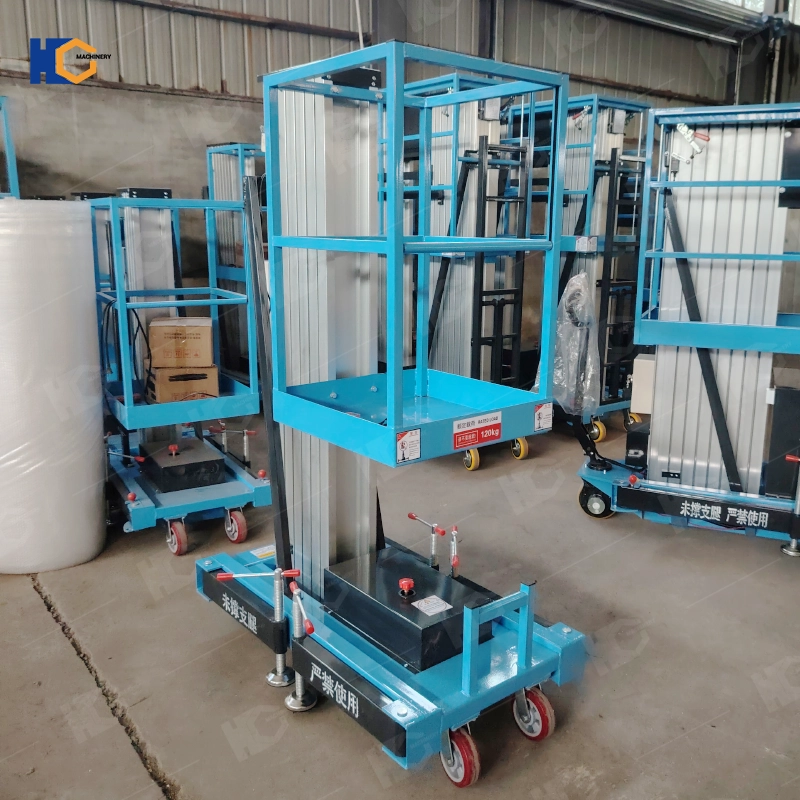
A manlift is a general term for equipment designed to safely elevate personnel to work at height. The primary purpose of a manlift is to lift workers and their tools vertically to reach elevated work areas.

Several types of equipment may fall under the manlift category, including:

  • Vertical mast lifts
  • Personnel lifts
  • Push-around lifts
  • Single mast lifts
  • Double mast lifts
  • Mobile elevated work platforms
  • Some scissor lifts

Most manlifts are designed for vertical access rather than horizontal outreach.

Key Characteristics of Manlifts

  • Compact design
  • Primarily vertical movement
  • Smaller platform size
  • Lightweight construction
  • Suitable for indoor use
  • Easy transportation and storage
  • Lower purchase cost

Manlifts are commonly used in environments where workers need straight-up access without obstacles.

What Is a Boom Lift?

A boom lift is a specialized aerial work platform equipped with an extendable arm or boom that can elevate workers both vertically and horizontally.

Unlike traditional manlifts, boom lifts provide greater flexibility by allowing operators to reach over obstacles and access difficult-to-reach areas.

Boom lifts are generally divided into two categories:

Telescopic Boom Lift

Also called a straight boom lift.

Features include:

  • Long horizontal reach
  • High working heights
  • Fast positioning
  • Excellent outdoor performance

Articulating Boom Lift

Also called a knuckle boom lift.

Features include:

  • Multiple joints
  • Ability to maneuver around obstacles
  • Greater flexibility
  • Suitable for confined areas

Boom lifts are widely used in construction, utilities, telecommunications, industrial maintenance, and infrastructure projects.

Understanding the Key Difference

The simplest distinction is:

Manlift

Moves primarily up and down.

Boom Lift

Moves up, down, and outward.

If your project requires reaching over obstacles, a boom lift is usually the better solution.

If you only need vertical access, a manlift may be more efficient and economical.

How Each Machine Works

Manlift Operating Principle

Most manlifts use:

  • Hydraulic cylinders
  • Electric motors
  • Mechanical mast systems

The platform travels vertically along a mast structure.

The operator controls movement from the platform or ground station.

Boom Lift Operating Principle

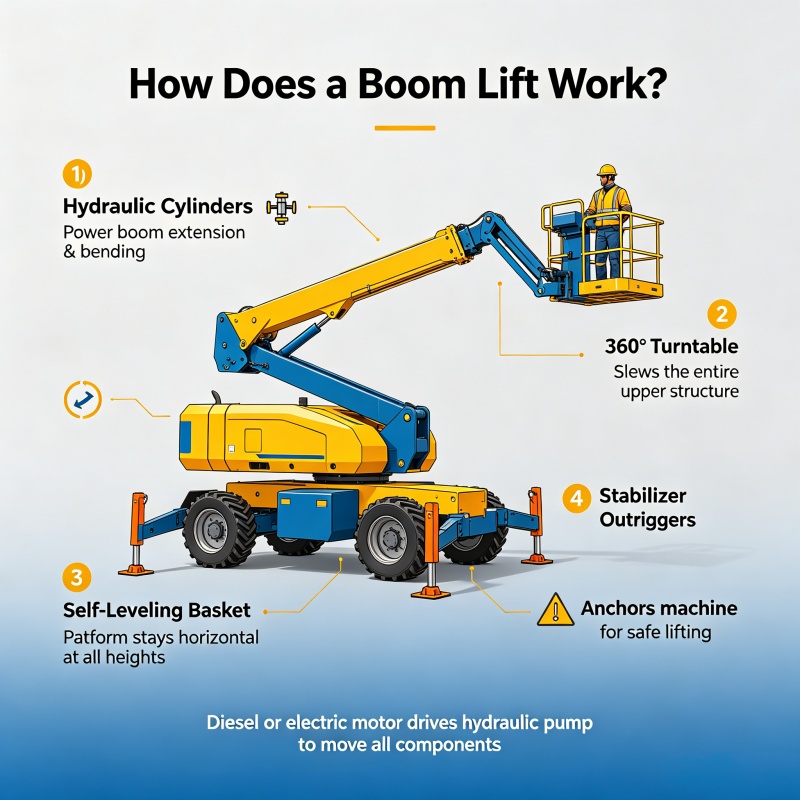
Boom lifts use:

  • Hydraulic systems
  • Telescopic boom sections
  • Articulating joints
  • Electronic control systems

The boom can extend outward while simultaneously raising the platform.

This creates a much larger working envelope.

Reach Comparison

Reach capability is often the deciding factor.

Manlift Reach

Typical platform heights:

  • 4m
  • 6m
  • 8m
  • 10m
  • 12m

Horizontal reach:

  • Minimal or none

Boom Lift Reach

Typical working heights:

  • 10m
  • 16m
  • 20m
  • 26m
  • 32m
  • 40m+
  • 60m+

Horizontal outreach:

  • 5m to 25m+

For projects requiring access over machinery, roofs, pipelines, or buildings, boom lifts provide a major advantage.

Platform Capacity Comparison

Manlift

Typical capacities:

  • 120kg to 300kg

Usually designed for:

  • One operator
  • One operator plus tools

Boom Lift

Typical capacities:

  • 200kg to 450kg

Can often accommodate:

  • Multiple workers
  • Heavy equipment
  • Maintenance tools

For heavier work requirements, boom lifts generally offer greater versatility.

Mobility and Maneuverability

Manlift Advantages

Manlifts are highly maneuverable because they are:

  • Compact
  • Lightweight
  • Narrow in width

They can easily pass through:

  • Standard doorways
  • Elevators
  • Warehouse aisles

Boom Lift Advantages

Boom lifts offer superior access flexibility but typically require:

  • More operating space
  • Larger turning radius
  • Better site planning

For tight indoor environments, manlifts often have the advantage.

Indoor Applications

Many facilities require equipment that can operate safely indoors.

Best Indoor Uses for Manlifts

  • Warehouses
  • Shopping malls
  • Airports
  • Factories
  • Libraries
  • Retail stores
  • Hospitals

Electric manlifts produce:

  • Zero emissions
  • Low noise
  • Minimal floor loading

Indoor Uses for Boom Lifts

Electric articulating boom lifts can also work indoors, especially when obstacles must be bypassed.

Examples include:

  • Manufacturing facilities
  • Convention centers
  • Aircraft hangars

However, boom lifts generally require more space.

Outdoor Applications

Outdoor projects often involve greater height requirements and more complex access challenges.

Best Outdoor Uses for Boom Lifts

  • Building construction
  • Bridge maintenance
  • Wind turbine servicing
  • Utility line installation
  • Telecommunications towers
  • Oil and gas facilities

Boom lifts excel in these environments.

Outdoor Uses for Manlifts

Manlifts are suitable for:

  • Building maintenance
  • Sign installation
  • Facility inspections

However, their limited reach reduces versatility.

Safety Comparison

Safety should always be a primary consideration.

Manlift Safety Advantages

  • Smaller working envelope
  • Lower operating complexity
  • Reduced risk of collision
  • Easier operator training

Boom Lift Safety Considerations

Boom lifts require more training because operators must manage:

  • Horizontal outreach
  • Load distribution
  • Obstacle avoidance
  • Wind exposure

Modern boom lifts include:

  • Tilt sensors
  • Overload protection
  • Emergency lowering systems
  • Platform leveling systems

Both machines are safe when used properly.

Productivity Comparison

Manlift Productivity

Ideal for repetitive vertical tasks.

Examples:

  • Light replacement
  • Inventory management
  • Indoor maintenance

Boom Lift Productivity

Ideal for complex projects involving multiple access points.

Examples:

  • Structural steel work
  • Exterior building maintenance
  • Utility installations

Boom lifts often reduce repositioning time significantly.

Cost Comparison

Price is often a major factor in equipment selection.

Manlift Purchase Price

Typical range:

  • $3,000 to $15,000

Depending on:

  • Height
  • Capacity
  • Power source

Boom Lift Purchase Price

Typical range:

  • $20,000 to $150,000+

Depending on:

  • Working height
  • Brand
  • Drive system
  • Reach capability

Boom lifts require a significantly larger investment.

Maintenance Costs

Manlift Maintenance

Generally includes:

  • Battery servicing
  • Hydraulic inspections
  • Safety checks

Annual maintenance costs are relatively low.

Boom Lift Maintenance

Requires servicing of:

  • Hydraulic systems
  • Telescopic sections
  • Articulating joints
  • Drive systems

Maintenance expenses are generally higher.

Transportation Requirements

Manlift Transportation

Most manlifts can be:

  • Towed easily
  • Loaded on small trailers
  • Moved with forklifts

Boom Lift Transportation

Larger boom lifts often require:

  • Flatbed trailers
  • Professional transport
  • Additional permits

Transportation costs are typically higher.

Energy Efficiency

Electric Manlifts

Benefits include:

  • Low power consumption
  • Zero emissions
  • Reduced operating costs

Electric Boom Lifts

Modern electric boom lifts have improved efficiency, but larger models consume more energy.

Diesel boom lifts remain common for outdoor projects.

Manlift vs Boom Lift: Pros and Cons

Manlift Advantages

  • Lower cost
  • Compact size
  • Easy operation
  • Indoor-friendly
  • Minimal maintenance
  • Lightweight design

Manlift Disadvantages

  • Limited reach
  • No horizontal outreach
  • Smaller working area
  • Lower versatility

Boom Lift Advantages

  • Exceptional reach
  • Horizontal access capability
  • High productivity
  • Greater flexibility
  • Suitable for challenging environments

Boom Lift Disadvantages

  • Higher cost
  • Larger footprint
  • Increased maintenance
  • More operator training required

Industry-Specific Recommendations

Warehouses

Recommended:

Manlift

Reason:

Efficient vertical access in narrow aisles.

Shopping Malls

Recommended:

Manlift

Reason:

Compact and easy to maneuver.

Manufacturing Plants

Recommended:

Depends on layout.

For machinery obstacles:

Boom lift.

For open vertical access:

Manlift.

Construction Sites

Recommended:

Boom lift

Reason:

Maximum flexibility and reach.

Telecommunications

Recommended:

Boom lift

Reason:

Required horizontal and vertical reach.

Airports

Recommended:

Combination of both

Reason:

Different maintenance tasks require different access solutions.

How to Choose Between a Manlift and a Boom Lift

Ask the following questions:

Do You Need Horizontal Reach?

If yes:

Choose a boom lift.

Is Your Workspace Limited?

If yes:

Choose a manlift.

Is Budget a Major Concern?

If yes:

Choose a manlift.

Are There Obstacles Blocking Access?

If yes:

Choose a boom lift.

Will the Equipment Be Used Indoors?

For most indoor applications:

Choose a manlift.

Do You Need Maximum Versatility?

Choose a boom lift.

Expert Recommendation

Based on years of experience in the aerial work platform industry, many buyers initially focus on height alone. However, the true decision should be based on access requirements.

If your work involves straight vertical access in warehouses, factories, shopping centers, or maintenance environments, a manlift usually delivers the best value. It is affordable, easy to operate, and highly efficient.

If your project requires reaching over obstacles, accessing building exteriors, servicing utilities, or working at significant heights, a boom lift is often the superior investment despite the higher cost.

The most expensive mistake is not buying a larger machine—it is buying a machine that cannot reach the work area efficiently.

Conclusion

The comparison between manlifts and boom lifts ultimately comes down to the type of access your project requires. Manlifts are compact, cost-effective, and ideal for vertical access in indoor environments. Boom lifts offer superior height, horizontal outreach, and flexibility, making them the preferred choice for construction, infrastructure, telecommunications, and complex maintenance projects.

For businesses focused on indoor maintenance, warehousing, and facility management, a manlift often provides the best return on investment. For contractors, utility companies, and industrial operators who need to reach difficult locations, a boom lift delivers unmatched versatility and productivity.

Before purchasing or renting equipment, carefully evaluate your working height, horizontal reach requirements, operating environment, budget, and future project needs. Choosing the right aerial work platform will improve safety, increase efficiency, and maximize long-term value.

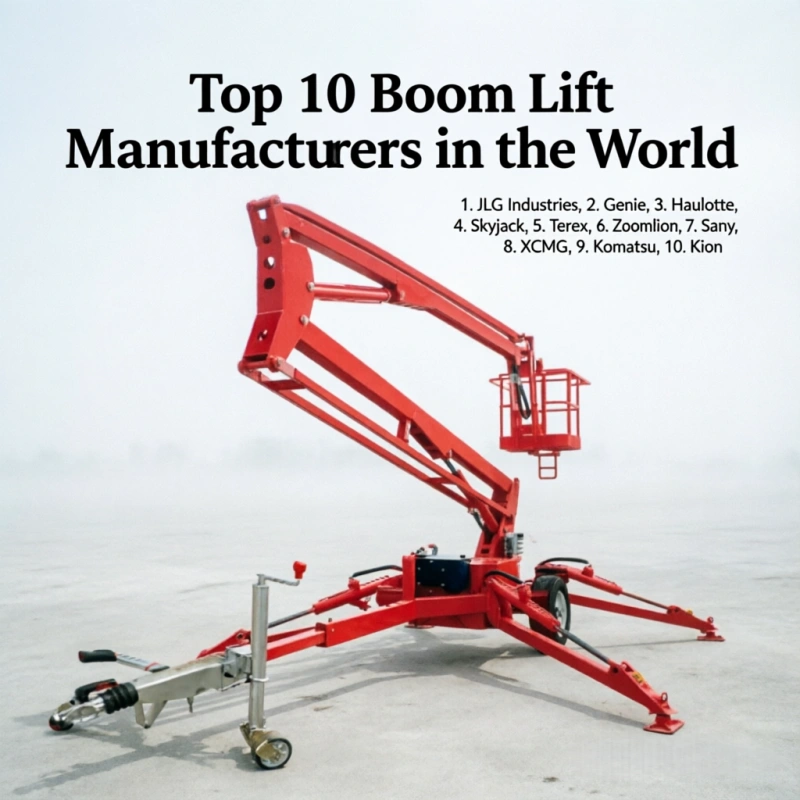
Top 10 Boom Lift Manufacturers in the World

Boom lifts, also known as aerial work platforms (AWPs), play a crucial role across various industries by providing safe and efficient access to elevated work areas. Whether it’s for construction, maintenance, or warehousing, these machines enhance productivity and ensure worker safety at height. The global boom lift market is highly competitive, featuring a wide range of manufacturers known for their engineering excellence, cutting-edge technology, and commitment to quality. From electric models designed for indoor use to rugged diesel-powered lifts built for rough terrain, each brand offers distinct advantages. Below is an in-depth look at the top 10 boom lift manufacturers worldwide.

What Is a Boom Lift?

A boom lift is an aerial work platform (AWP) designed to safely lift workers, tools, and materials to elevated work areas. Unlike scissor lifts, which move only vertically, boom lifts feature an extendable arm (boom) that can reach up, out, and over obstacles. They are widely used in construction, building maintenance, warehouse operations, utility work, tree trimming, and industrial installations.

Boom lifts improve workplace safety and efficiency by providing stable access to hard-to-reach locations. Most models are equipped with safety guardrails, emergency lowering systems, and advanced control systems that enable precise platform positioning.

Main Types of Boom Lifts

1. Articulating Boom Lift

Also known as a knuckle boom lift, this type has multiple hinged sections that allow the boom to bend around obstacles. It is ideal for maintenance work inside factories, shopping malls, and complex construction sites.

2. Telescopic Boom Lift

A telescopic boom lift features a straight extendable arm that provides maximum horizontal outreach and working height. It is commonly used in large construction projects, bridge work, and outdoor maintenance.

3. Towable Boom Lift

Towable boom lifts can be transported using a pickup truck or trailer hitch. They are lightweight, cost-effective, and popular among contractors who need mobility between job sites.

4. Self-Propelled Boom Lift

These boom lifts have built-in drive systems that allow operators to move the machine while elevated. They are suitable for large warehouses, industrial facilities, and construction sites.

5. Trailer-Mounted Boom Lift

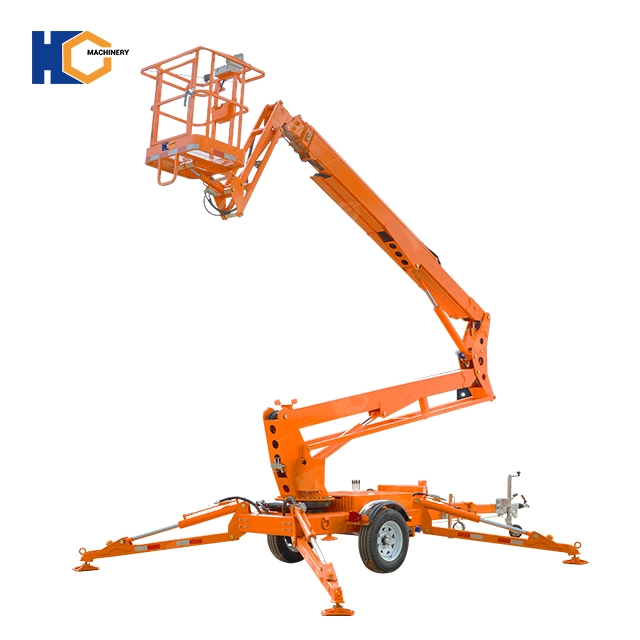
Mounted on a trailer chassis, these lifts are easy to transport and set up. They are often used for utility maintenance, sign installation, and landscaping work.

Advantages of Boom Lifts

  • High working heights, often up to 58 meters or more
  • Excellent horizontal reach
  • Ability to work around obstacles
  • Improved worker safety
  • Increased productivity
  • Suitable for indoor and outdoor applications

Choosing the right boom lift depends on working height, outreach requirements, terrain conditions, and project budget. For jobs that require flexible access to elevated areas, boom lifts are among the most efficient and versatile lifting solutions available.

1. Genie

Genie, a well-known brand under Terex Corporation, is one of the world’s leading boom lift manufacturers. It is highly regarded for its durable, innovative, and safety-focused aerial work platforms. Genie’s equipment is widely used in construction, maintenance, warehousing, and various industrial sectors. Their product range includes telescopic and articulating boom lifts, scissor lifts, vertical mast lifts, and telehandlers, all designed to provide reliable performance and enhanced operator safety. With a strong emphasis on quality and compliance with international safety standards, Genie has earned the trust of professionals around the globe. The company also offers excellent after-sales support, with a comprehensive parts and service network that ensures long-term equipment efficiency. Genie’s commitment to innovation, sustainability, and user-friendly design continues to set it apart in the industry, solidifying its position as a top choice for aerial work solutions worldwide.

2. Haulotte

Haulotte is one of the world’s leading boom lift manufacturers, known for its strong focus on innovation, reliability, and safety. Based in France, Haulotte has established itself as a global specialist in people and material lifting equipment, serving a wide range of industries including construction, maintenance, logistics, and events. The company offers a comprehensive range of aerial work platforms, including articulating and telescopic boom lifts, scissor lifts, vertical masts, and telehandlers.

Haulotte’s boom lifts are particularly praised for their robustness, precision, and adaptability across various terrains and challenging job sites. Designed with operator comfort and efficiency in mind, these machines feature advanced technology such as automatic leveling, intuitive controls, and emission-reducing power options. Haulotte also emphasizes sustainability, with electric and hybrid models that help reduce environmental impact.

With subsidiaries and service centers across more than 20 countries, Haulotte provides strong after-sales support, training, and spare parts availability, ensuring long-term performance and customer satisfaction. Their commitment to continuous improvement and safety standards has earned them a trusted reputation in the global market. Haulotte remains a preferred choice for professionals seeking durable, efficient, and innovative lifting solutions.

3. JOVOO

JOVOO is one of the emerging boom lift manufacturers in the world, rapidly gaining recognition for its dedication to quality, innovation, and safety. Specializing in the development of high-performance aerial work platforms, JOVOO designs its boom lifts with advanced technology to meet the evolving needs of elevated work across various industries, including construction, facility maintenance, and industrial operations.

Despite being a newer player in the market, JOVOO has quickly established a reputation for producing reliable, efficient machines that prioritize operator safety and job-site productivity. Their boom lifts feature intelligent control systems, energy-efficient power options, and robust structural designs that ensure stability and performance in diverse working conditions.

JOVOO’s focus on continuous improvement, combined with responsive customer service and technical support, has positioned the company as a competitive and promising brand in the aerial equipment industry. With a growing global presence and a clear vision for the future, JOVOO is committed to becoming a trusted name in the sector. Their emphasis on innovation, user-friendly design, and manufacturing excellence makes them one of the rising boom lift manufacturers to watch on the international stage.

4. Niftylift

Niftylift, based in the UK, is one of the world’s leading boom lift manufacturers, known for its innovative and environmentally friendly designs. Specializing in lightweight, compact boom lifts, Niftylift offers machines that deliver impressive outreach, efficiency, and performance. Their products are widely used in construction, maintenance, and industrial applications where space and weight restrictions are key concerns. Niftylift incorporates advanced hybrid and electric technologies to reduce fuel consumption and minimize emissions, making them a pioneer in sustainable aerial work solutions. With a strong focus on safety, reliability, and ease of use, Niftylift continues to set industry standards and remains a trusted choice for professionals seeking eco-conscious, high-performance lifting equipment.

5. Tuhe Lift

Tuhe Lift is one of the world’s growing boom lift manufacturers, recognized for delivering reliable, cost-effective aerial work platforms tailored to the needs of various industries. Based in China, Tuhe Lift has built a solid reputation for producing equipment that meets international quality standards while remaining competitively priced, making it an attractive option for customers seeking value and performance.

Specializing in a range of lifting equipment, including boom lifts, scissor lifts, and vertical mast lifts, Tuhe Lift designs its machines with user safety, durability, and operational efficiency in mind. Their boom lifts are engineered to perform in diverse environments, from construction sites to industrial maintenance tasks, and are equipped with modern control systems to ensure precise operation and enhanced safety.

Tuhe Lift’s commitment to quality control, continuous innovation, and customer satisfaction has helped the brand gain visibility and trust in both domestic and international markets. With expanding global distribution channels and responsive after-sales support, Tuhe Lift is becoming a notable player in the aerial work platform industry. Their blend of technology, reliability, and affordability positions them as one of the promising boom lift manufacturers on the global stage.

6. U-MAC

U-MAC Vietnam Co., Ltd. is a notable boom lift manufacturer worldwide, known for providing high-quality lifting and material-handling solutions. Established in 2007 and headquartered in Hanoi, Vietnam, U-MAC specializes in the sales and rental of various aerial work platforms, including boom lifts, scissor lifts, telehandlers, and cranes. Their products serve a wide range of industries such as construction, shipbuilding, aviation, and energy.

U-MAC Vietnam partners with globally recognized brands like JLG, TEUPEN, ALMAC, and DENYO, ensuring reliable, state-of-the-art equipment. The company also offers strong after-sales services, technical support, and operator training, with a focus on safety, efficiency, and customer satisfaction. With a professional technical team and a commitment to quality, U-MAC has earned a trusted reputation not only in Vietnam but also across Southeast Asia. Their dedication to continuous improvement and innovative lifting solutions positions them as a leading player in the aerial equipment industry.

7. JNHC Lift

JNHC Lift, based in Jinan, Shandong, China, is one of the established boom lift manufacturers in the world, known for its extensive experience and dedication to quality. With over 25 years in the lifting equipment industry, JNHC Lift has built a strong reputation as a reliable producer of hydraulic elevators, lift platforms, and aerial work equipment, including boom lifts. Their products are widely used in construction, warehousing, logistics, facility maintenance, and other sectors that require safe and efficient elevated access solutions.

What sets JNHC Lift apart is its strong emphasis on customization. The company works closely with clients to design and deliver lift solutions tailored to specific operational needs, whether it involves space constraints, height requirements, or terrain challenges. Their boom lifts are engineered for safety, durability, and ease of use, incorporating advanced control systems and robust structural components.

JNHC Lift adheres to strict quality control processes and complies with international standards, which has helped the company expand its presence beyond China into global markets. Their commitment to customer satisfaction, technical support, and ongoing innovation has made them a trusted name in the industry. As demand for reliable and flexible lifting solutions grows, JNHC Lift continues to evolve as a competitive player in the global boom lift manufacturing sector.

8. Maco Corporation

Maco Corporation, headquartered in India, is a recognized boom lift manufacturer worldwide, known for delivering high-quality industrial equipment and lifting solutions. With a strong presence in sectors such as construction, infrastructure, and facility maintenance, Maco offers a diverse range of boom lifts designed for safety, reliability, and operational efficiency.

Their product line includes both articulating and telescopic boom lifts, engineered to perform in challenging environments while ensuring ease of use and enhanced operator safety. Maco Corporation places a strong emphasis on quality, adhering to international standards and incorporating advanced technology into their equipment.

In addition to manufacturing, Maco is also known for its excellent customer service, providing end-to-end support from consultation and customization to after-sales maintenance. This commitment to customer satisfaction has helped solidify their reputation as a trusted and dependable partner in the lifting equipment industry, both in India and on the global stage.

9. Conger

Conger Industries Inc., based in Wisconsin, USA, is a reputable boom lift manufacturer known for its comprehensive material handling solutions. With decades of industry experience, Conger provides a wide range of equipment, including articulating and telescopic boom lifts, designed to meet the demands of construction, maintenance, and industrial applications.

The company offers equipment for sale, rental, and lease, along with robust maintenance and support services. Their boom lifts are valued for their performance, safety features, and adaptability to various job site conditions. Conger’s commitment to operational efficiency and customer-focused solutions has earned them a strong reputation in the market.

What sets Conger apart is their dedication to customer service—offering tailored recommendations, training, and ongoing technical support to ensure optimal equipment usage. With a strong regional presence and a growing client base, Conger Industries Inc. remains a trusted name in the lifting equipment sector.

10. EU-Gépker Kft.

EU-Gépker Kft., based in Hungary, is a notable boom lift manufacturer worldwide, particularly recognized in the European market. The company specializes in supplying a wide range of aerial work platforms, including both articulating and telescopic boom lifts, designed to meet the diverse needs of industries such as construction, maintenance, logistics, and facility management.

Known for their emphasis on quality and customer service, EU-Gépker Kft. ensures that all equipment meets high safety and performance standards. Their boom lifts are engineered for efficiency, ease of use, and durability, making them suitable for both indoor and outdoor applications.

EU-Gépker also offers flexible sales and rental options, as well as responsive after-sales support and maintenance services. This customer-centric approach, combined with their commitment to continuous improvement, has earned EU-Gépker a solid reputation as a reliable and trusted supplier of lifting solutions in Hungary and across Europe.

Conclusion

The boom lift manufacturing industry comprises a diverse and competitive group of companies, each bringing unique strengths, innovations, and solutions to support elevated work across a wide range of environments. These machines are essential in industries such as construction, maintenance, logistics, aviation, and industrial operations—where safe and efficient access to height is critical. From globally established brands with decades of engineering excellence to fast-growing newcomers pushing the boundaries of technology and affordability, the top manufacturers play a crucial role in shaping the future of aerial work platforms.

These leading companies are known for their commitment to quality, safety, and performance. They continually invest in research and development to improve machine efficiency, reduce emissions, and enhance operator comfort and control. Many have adopted sustainable practices, offering electric and hybrid models to reduce environmental impact while maintaining high operational standards.

By offering a range of equipment options—articulating and telescopic boom lifts, scissor lifts, and more—they cater to diverse job site needs and terrain conditions. With strong global distribution networks, robust customer support, and a focus on innovation, these top 10 boom lift manufacturers ensure that professionals worldwide have access to advanced, reliable, and safe lifting solutions that meet the demands of modern workspaces.

Scissor lift vs boom lift pros and cons

When working at height, choosing the right aerial work platform can directly affect safety, productivity, operating costs, and project efficiency. Two of the most popular lifting solutions in construction, warehousing, maintenance, and industrial operations are the scissor lift and the boom lift. Although both machines are designed to elevate workers and materials, they serve very different purposes.

Understanding the difference between a scissor lift vs boom lift is essential for contractors, warehouse operators, facility managers, and rental companies. Some projects require vertical lifting capacity and large platform space, while others demand horizontal outreach and flexible maneuverability around obstacles.

This comprehensive guide explains the pros and cons of scissor lifts and boom lifts, compares their features, applications, costs, safety considerations, and performance, and helps you determine which machine is best for your specific job site.

What Is a Scissor Lift?

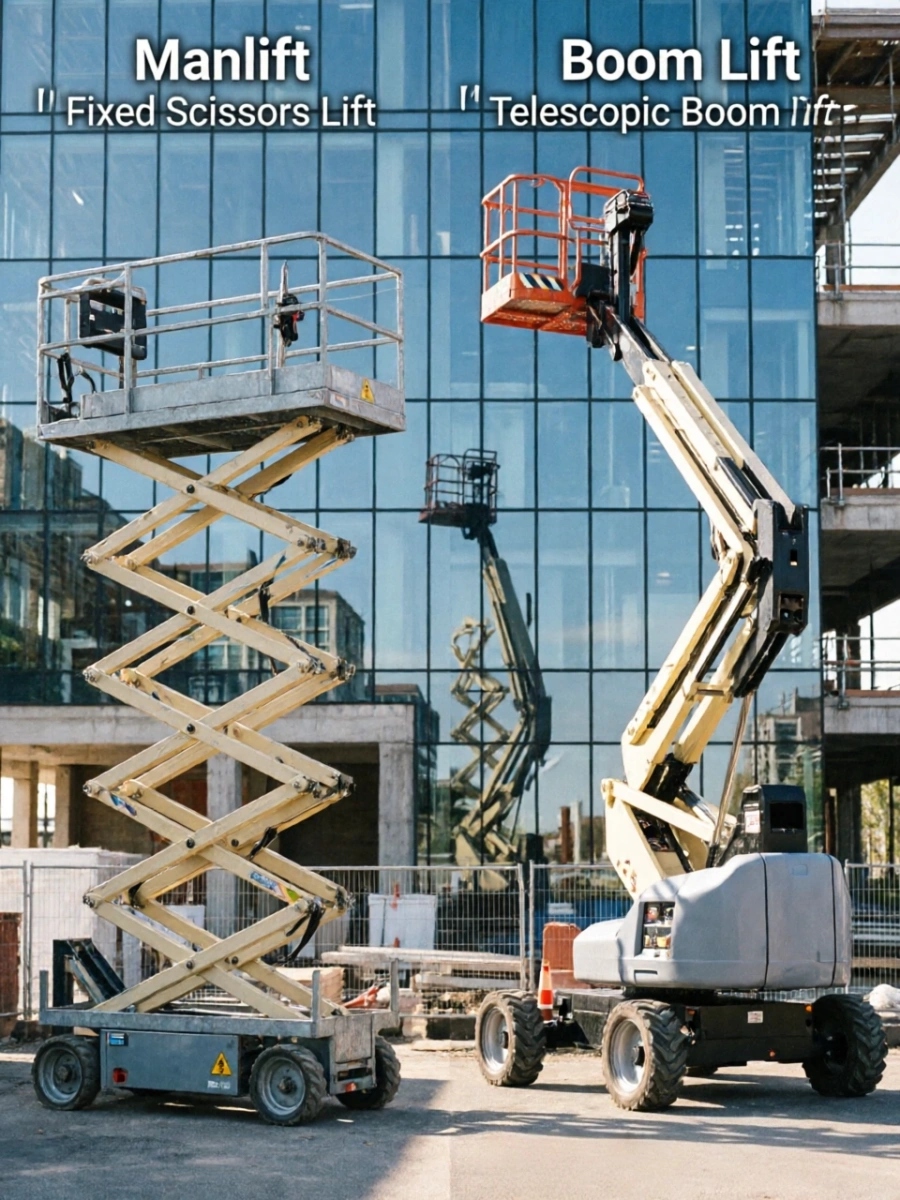
A scissor lift is a type of aerial work platform that moves vertically using crisscrossing metal supports known as a pantograph or scissor mechanism. Hydraulic, electric, or pneumatic systems extend the platform upward in a straight vertical direction.

Scissor lifts are commonly used for:

  • Indoor maintenance
  • Warehouse operations
  • Ceiling installation
  • Electrical work
  • Painting
  • Inventory management
  • Factory maintenance
  • Retail store setup

These machines provide stable vertical elevation with large working platforms capable of carrying multiple workers and tools simultaneously.

Main Features of a Scissor Lift

  • Vertical lifting only
  • Large platform capacity
  • Stable working surface
  • Compact design
  • Suitable for indoor and outdoor use
  • Available in electric and diesel models

What Is a Boom Lift?

A boom lift is an aerial platform equipped with a hydraulic arm that can extend both vertically and horizontally. Unlike scissor lifts, boom lifts can reach over obstacles and access difficult working areas.

Boom lifts are widely used for:

  • Construction projects
  • High-rise building maintenance
  • Tree trimming
  • Outdoor repairs
  • Bridge inspection
  • Telecommunications
  • Utility work
  • Sign installation

Boom lifts are available in two primary types:

Articulating Boom Lift

An articulating boom lift features multiple hinged sections that allow the arm to bend around obstacles.

Telescopic Boom Lift

A telescopic boom lift uses a straight extendable arm for maximum horizontal outreach and height.

Scissor Lift vs Boom Lift: Core Differences

The biggest difference between a scissor lift vs boom lift lies in movement and reach capability.

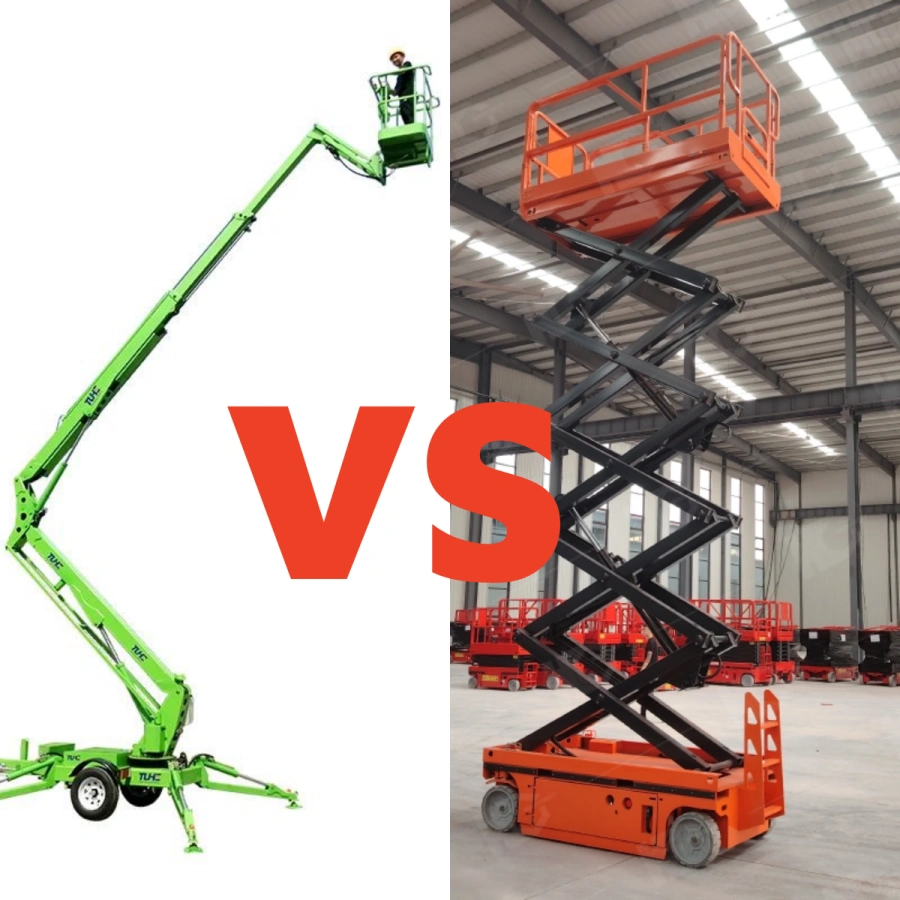
FeatureScissor LiftBoom Lift
MovementVertical onlyVertical + horizontal
Platform SizeLargeSmaller
Working HeightModerateHigher
Horizontal ReachNoneExcellent
StabilityVery stableLess stable than scissor lifts
ManeuverabilityGood in tight indoor spacesBetter around obstacles
Lift CapacityHigherLower
Best UseVertical accessDifficult access areas
Indoor ApplicationsExcellentGood
Outdoor ApplicationsModerateExcellent
Purchase CostLowerHigher

Pros of Scissor Lifts

Scissor lifts remain one of the most cost-effective and widely used aerial work platforms in the world.

1. Excellent Stability

One major advantage of scissor lifts is platform stability. Because the lifting structure moves directly upward, the center of gravity remains balanced during operation.

This stability makes scissor lifts ideal for:

  • Long-duration tasks
  • Precision work
  • Indoor construction
  • Maintenance operations

Workers often feel more comfortable on scissor lifts because there is less sway compared to boom lifts.

2. Larger Platform Space

Scissor lifts typically provide larger working platforms than boom lifts.

Benefits include:

  • Space for multiple workers
  • Room for tools and materials
  • Increased productivity
  • Reduced trips up and down

This makes them ideal for warehouse shelving installation, ceiling repairs, and electrical projects.

3. Higher Load Capacity

Scissor lifts generally support heavier loads than boom lifts.

Some heavy-duty scissor lifts can handle:

  • Multiple operators
  • Construction materials
  • HVAC equipment
  • Large toolkits

This lifting power improves workflow efficiency on industrial projects.

4. Lower Equipment Cost

Compared to boom lifts, scissor lifts are more affordable to:

  • Purchase
  • Rent
  • Maintain
  • Transport

Businesses with limited budgets often choose scissor lifts for routine elevated work.

5. Ideal for Indoor Use

Electric scissor lifts produce:

  • Low noise
  • Zero emissions
  • Smooth operation

This makes them perfect for:

  • Warehouses
  • Shopping malls
  • Factories
  • Airports
  • Hospitals

6. Easier Operation

Scissor lifts are generally simpler to operate and require less advanced maneuvering skills than boom lifts.

New operators can often learn controls more quickly.

Cons of Scissor Lifts

Despite their advantages, scissor lifts also have several limitations.

1. No Horizontal Reach

The biggest disadvantage of a scissor lift is the inability to extend sideways.

If obstacles block vertical access, the machine must be repositioned.

This can reduce efficiency on complex job sites.

2. Limited Outdoor Capability

Many electric scissor lifts are designed mainly for indoor use.

Outdoor challenges include:

  • Rough terrain
  • Uneven surfaces
  • Wind exposure
  • Muddy ground

Diesel rough-terrain scissor lifts improve outdoor performance but still lack the flexibility of boom lifts.

3. Lower Maximum Height

Although modern scissor lifts can reach impressive heights, they generally cannot match the vertical reach of boom lifts.

Typical working heights:

  • Scissor lifts: 20–50 feet
  • Boom lifts: up to 180+ feet

4. Restricted Access Around Obstacles

Scissor lifts cannot reach over:

  • Machinery
  • Pipes
  • Roofing structures
  • Utility lines

This limits their use in crowded environments.

Pros of Boom Lifts

Boom lifts offer exceptional versatility and access capabilities.

1. Horizontal Outreach

The greatest advantage of a boom lift is its ability to reach horizontally.

This feature allows operators to:

  • Reach over obstacles
  • Access difficult areas
  • Reduce machine repositioning
  • Improve efficiency on large sites

2. Superior Height Capability

Boom lifts can achieve significantly greater working heights than scissor lifts.

Some telescopic boom lifts exceed 180 feet, making them ideal for:

  • High-rise construction
  • Stadium maintenance
  • Bridge inspection
  • Industrial facilities

3. Better Outdoor Performance

Many boom lifts are designed specifically for rugged outdoor environments.

Features may include:

  • Four-wheel drive
  • Rough terrain tires
  • High ground clearance
  • Diesel engines

These machines handle uneven construction sites more effectively.

4. Flexible Positioning

Articulating boom lifts can bend around structures and obstacles.

This flexibility is extremely valuable for:

  • Tree trimming
  • Building maintenance
  • Utility repairs
  • Industrial inspection

5. Reduced Repositioning Time

Because boom lifts can extend horizontally, operators spend less time moving equipment.

This improves productivity on complex projects.

Cons of Boom Lifts

Boom lifts also have disadvantages that should be considered carefully.

1. Higher Cost

Boom lifts are significantly more expensive than scissor lifts.

Costs include:

  • Higher purchase price
  • Increased rental fees
  • More maintenance
  • Greater fuel consumption

For small businesses, this can be a major factor.

2. Smaller Platform Capacity

Boom lifts usually accommodate fewer workers and less material.

Smaller baskets limit:

  • Tool storage
  • Worker capacity
  • Material transportation

3. More Complex Operation

Operating a boom lift requires more advanced training due to:

  • Horizontal movement
  • Height management
  • Balance considerations
  • Obstacle navigation

Improper operation can increase accident risks.

4. Less Stability at Maximum Reach

As the boom extends outward, platform movement may increase.

Operators may experience:

  • More sway
  • Wind sensitivity
  • Reduced comfort

This is especially noticeable at high elevations.

5. Larger Turning Radius

Boom lifts often require more operating space, making them less suitable for tight indoor environments.

Scissor Lift vs Boom Lift for Indoor Applications

For indoor work, scissor lifts are often the preferred choice.

Why Scissor Lifts Excel Indoors

  • Compact dimensions
  • Non-marking tires
  • Quiet electric operation
  • Stable platforms
  • Better load capacity

Common indoor applications include:

  • Warehouse inventory work
  • Lighting installation
  • HVAC maintenance
  • Retail renovations

When Boom Lifts Work Better Indoors

Boom lifts are useful indoors when workers need to:

  • Reach over obstacles
  • Access complex ceiling structures
  • Navigate around machinery

Articulating electric boom lifts are especially popular in factories and industrial facilities.

Scissor Lift vs Boom Lift for Outdoor Applications

Outdoor job sites often favor boom lifts because of their flexibility and terrain capability.

Best Outdoor Uses for Boom Lifts

  • Steel structure construction
  • Telecommunications
  • Exterior painting
  • Utility maintenance
  • Wind turbine inspection

Outdoor Advantages of Rough Terrain Scissor Lifts

Rough terrain scissor lifts still perform well for:

  • Large outdoor installations
  • Solar panel projects
  • Stadium maintenance
  • Industrial shutdowns

Their larger platforms remain valuable for team-based work.

Safety Comparison

Safety is one of the most important considerations when choosing aerial equipment.

Scissor Lift Safety Advantages

Scissor lifts generally offer:

  • Better platform stability
  • Simpler controls
  • Lower tipping risk
  • Safer vertical lifting

These factors make them popular for beginner operators.

Boom Lift Safety Challenges

Boom lifts require greater caution because of:

  • Extended outreach
  • Wind sensitivity
  • Dynamic movement
  • Obstacle navigation

Proper operator certification and training are essential.

Maintenance Comparison

Maintenance costs vary significantly between these machines.

Scissor Lift Maintenance

Scissor lifts usually have:

  • Simpler hydraulic systems
  • Fewer moving joints
  • Lower maintenance costs

Routine servicing includes:

  • Hydraulic inspection
  • Battery maintenance
  • Platform checks
  • Safety testing

Boom Lift Maintenance

Boom lifts involve more complex systems, including:

  • Articulating joints
  • Extended hydraulic arms
  • Advanced control systems

Maintenance requirements are generally higher and more expensive.

Fuel and Power Options

Both scissor lifts and boom lifts are available in different power configurations.

Electric Models

Advantages include:

  • Zero emissions
  • Quiet operation
  • Indoor suitability
  • Lower operating cost

Diesel Models

Benefits include:

  • Greater power
  • Outdoor capability
  • Rough terrain performance
  • Longer operation time

Hybrid and lithium battery models are also becoming increasingly popular.

Rental Cost Comparison

Rental pricing depends on:

  • Lift height
  • Power type
  • Terrain capability
  • Brand
  • Region

However, boom lifts usually cost more than scissor lifts.

Typical Daily Rental Range

Equipment TypeDaily Rental Cost
Electric Scissor Lift$100–$250
Rough Terrain Scissor Lift$250–$500
Articulating Boom Lift$300–$800
Telescopic Boom Lift$500–$1,500

Long-term rentals often reduce daily rates significantly.

Industries That Prefer Scissor Lifts

Scissor lifts are widely used in:

  • Warehousing
  • Retail
  • Manufacturing
  • Aviation maintenance
  • Facility management
  • Logistics centers

Their combination of affordability and efficiency makes them highly versatile.

Industries That Prefer Boom Lifts

Boom lifts dominate industries requiring difficult access, including:

  • Construction
  • Telecommunications
  • Utility maintenance
  • Oil and gas
  • Infrastructure inspection
  • Arboriculture

Their outreach capabilities provide access impossible for scissor lifts.

Which Lift Is Better for Construction?

The answer depends on the project type.

Choose a Scissor Lift If You Need:

  • Straight vertical access
  • Large platform capacity
  • Indoor operation
  • Lower operating costs
  • Multiple workers on the platform

Choose a Boom Lift If You Need:

  • Horizontal outreach
  • Obstacle navigation
  • Extreme working heights
  • Outdoor rough terrain capability
  • Flexible access angles

Environmental Considerations

Electric aerial platforms are becoming more important because of sustainability goals.

Electric Scissor Lift Benefits

  • Lower emissions
  • Reduced noise pollution
  • Lower energy consumption

Electric Boom Lift Benefits

  • Cleaner operation on indoor/outdoor mixed sites
  • Improved urban project compliance

Many cities now encourage low-emission construction equipment.

Future Trends in Aerial Work Platforms

The aerial lift industry is evolving rapidly.

Emerging Trends Include:

  • Lithium battery systems
  • Smart telematics
  • Autonomous safety features
  • Remote diagnostics
  • AI-assisted operation
  • Lightweight materials

Manufacturers are also focusing on improved energy efficiency and operator safety.

How to Choose Between a Scissor Lift and Boom Lift

Before selecting equipment, ask these questions:

1. Do You Need Horizontal Reach?

If yes, choose a boom lift.

2. Is Platform Capacity Important?

If yes, a scissor lift may be better.

3. Will You Work Indoors or Outdoors?

Indoor projects often favor electric scissor lifts.

Outdoor rugged environments usually favor boom lifts.

4. Are There Obstacles?

Boom lifts excel when obstacles block direct access.

5. What Is Your Budget?

Scissor lifts are generally more economical.

Final Verdict: Scissor Lift vs Boom Lift

The debate between scissor lift vs boom lift ultimately comes down to job requirements.

Scissor lifts are cost-effective, stable, and ideal for vertical access tasks involving multiple workers and materials. They perform exceptionally well indoors and on projects where horizontal outreach is unnecessary.

Boom lifts provide unmatched flexibility, superior height, and horizontal reach. They are the preferred solution for outdoor construction, obstacle navigation, and high-access maintenance projects.

Neither machine is universally better. The best choice depends on:

  • Working height
  • Access complexity
  • Terrain conditions
  • Budget
  • Platform capacity needs
  • Safety requirements

For many contractors and industrial operators, having access to both types of aerial lifts provides maximum operational flexibility.

As construction technology continues to evolve, modern scissor lifts and boom lifts are becoming safer, smarter, and more energy efficient. Choosing the right equipment today can dramatically improve productivity, reduce labor costs, and enhance workplace safety for years to come.

Boom Lift vs Cherry Picker: Specifications, Differences, and How to Choose

For beginners, Boom Lift and Cherry Picker are both machines that can do the job of picking cherries. But there are some differences between them. Let’s take a closer look.


When it comes to elevated work platforms, boom lifts and cherry pickers are among the most commonly used machines in industries such as construction, maintenance, and landscaping. Both machines provide access to high areas, but they are not identical. Understanding the differences between a boom lift and a cherry picker is crucial for making an informed decision, whether you are a professional or a beginner. This article will cover their specifications, advantages and disadvantages, a price comparison, and tips for beginners to help choose the right equipment.

What is a Boom Lift?

A boom lift is a type of aerial work platform (AWP) that consists of a platform or bucket attached to a long arm or boom, which can extend to significant heights. Boom lifts are typically used for tasks requiring both vertical and horizontal reach, making them versatile for a wide range of jobs.

Specifications of a Boom Lift

SpecificationDetails
Maximum Height30 – 210 feet (varies by model)
Horizontal Reach20 – 80 feet
Platform Capacity500 – 1,000 lbs
Power SourceElectric, Diesel, or Hybrid
TypesArticulating Boom Lift, Telescopic Boom Lift
MobilitySelf-propelled or towable
Rotation360-degree rotation for articulating models

Advantages of Boom Lifts

  1. Extended Reach: Boom lifts can reach significant heights and extend horizontally, which makes them ideal for jobs that require both vertical and outreach capabilities.
  2. Versatility: Available in different models such as articulating and telescopic boom lifts, allowing use in a variety of applications such as building maintenance, window cleaning, and construction.
  3. Rotation: Articulating boom lifts offer 360-degree rotation, providing excellent maneuverability in tight or complex areas.
  4. Indoor/Outdoor Use: Electric models are suitable for indoor jobs, while diesel or hybrid models are better suited for outdoor use.

Disadvantages of Boom Lifts

  1. Cost: Boom lifts are generally more expensive than other types of elevated work platforms, including cherry pickers.
  2. Size and Weight: Due to their large size and weight, they require ample space for transport and operation.
  3. Complexity: Operating a boom lift can require more training compared to simpler machines like scissor lifts or cherry pickers.

What is a Cherry Picker?

A cherry picker, originally used for fruit picking, is another type of aerial work platform designed for elevating workers. While it is often used interchangeably with “boom lift,” a cherry picker typically refers to smaller and simpler machines that focus more on vertical lifting rather than extended outreach.

Specifications of a Cherry Picker

SpecificationDetails
Maximum Height30 – 60 feet (varies by model)
Horizontal ReachLimited to minimal horizontal movement
Platform Capacity250 – 500 lbs
Power SourceElectric or Diesel
MobilityTowable or self-propelled
UsageOften used for maintenance tasks like tree trimming, electrical work, and signage

Advantages of Cherry Pickers

  1. Cost-Effective: Cherry pickers are generally more affordable than boom lifts, making them ideal for small businesses or short-term projects.
  2. Compact Size: Their smaller size makes them easier to transport and maneuver in confined spaces.
  3. Simplicity: They are easier to operate and often require less training compared to boom lifts.
  4. Ideal for Lower Heights: For tasks that don’t require extensive reach or high vertical lifts, cherry pickers are efficient and sufficient.

Disadvantages of Cherry Pickers

  1. Limited Height and Reach: Cherry pickers usually have a lower maximum height and limited horizontal reach, making them less versatile for complex tasks.
  2. Lower Capacity: The platform typically supports fewer people or lighter weights compared to boom lifts, limiting their use in heavy-duty applications.
  3. Less Versatility: Cherry pickers are not as versatile as boom lifts in terms of articulation and rotation.

Boom Lift vs Cherry Picker: A Comparison

Here’s a comparison table that outlines the key differences between a boom lift and a cherry picker:

FeatureBoom LiftCherry Picker
Maximum HeightUp to 210 feetUp to 60 feet
Horizontal ReachExtensive horizontal outreach (up to 80 feet)Limited horizontal reach
Platform Capacity500 – 1,000 lbs250 – 500 lbs
MobilitySelf-propelled or towableTowable or self-propelled
Rotation360-degree rotation (articulating models)Limited or no rotation
CostHigherLower
Training RequiredMore complex, requires detailed trainingEasier to operate, requires minimal training
VersatilitySuitable for a wide range of tasksBest for smaller or simpler jobs

Price Comparison: Boom Lift vs Cherry Picker

Below is an estimated price range for both boom lifts and cherry pickers based on their features and models:

Machine TypePrice Range (USD)
Boom Lift$35,000 – $150,000
Cherry Picker$15,000 – $45,000

Prices vary depending on the size, power source, and features such as articulation, height, and reach.

How to operate Boom Lift and Cherry Picker

Operating a Boom Lift and Cherry Picker involves safety checks, starting the equipment, moving the lift, and elevating the platform. Although both operate on similar principles, Boom Lifts are more complex and require proper training and certification before use. Below is an overview of how to operate these machines:

How to Operate a Boom Lift

  1. Inspect the Equipment
    • Daily Inspection: Check hydraulic oil, fuel (for diesel or hybrid models), battery charge, tires, brake system, and emergency descent function.
    • Safety Check: Ensure that the working area is free of obstacles and the ground is stable; check that safety equipment like harnesses and guardrails are functioning properly.
  2. Start the Equipment
    • Access the Platform: Use the safety handles to enter the operator platform and fasten the safety harness.
    • Power the System: Depending on the model, the lift can be powered on using a key or start button. Some electric models require holding down an activation button to start.
    • Check the Control Panel: Verify that the lift, rotate, and movement controls are operating correctly.
  3. Operate the Boom Lift
    • Elevate and Move: Use the control panel or joystick to adjust the platform’s height and angle. A Boom Lift offers both vertical and horizontal movement, so adjust accordingly to ensure smooth and safe operation.
    • Safety Precautions: Ensure the platform is stable when operating and avoid sudden movements. Raise and lower the platform slowly to prevent instability.
  4. Emergency Stop and Descent
    • Every Boom Lift is equipped with an emergency stop and descent feature. In case of an emergency, immediately press the stop button and use the emergency descent function to lower the platform to the ground safely.
  5. Shut Down and Maintenance
    • Lower the Platform: Use the control panel to bring the platform down to its lowest position.
    • Shut Off the Equipment: Turn off the power and remove the key.
    • Clean and Maintain: After use, check the machine for any necessary refueling, charging, or maintenance.

How to Operate a Cherry Picker

  1. Inspect the Equipment
    • Daily Safety Check: Like a Boom Lift, inspect the fluids, battery, tires, and stability of the platform and guardrails.
    • Area Check: Ensure the working area is free from obstacles and that the ground is stable enough to support the equipment.
  2. Start the Equipment
    • Access the Platform: Use the side ladder or handles to access the platform.
    • Power On: Power up the cherry picker using a key or start button, similar to a Boom Lift.
    • Test Functions: Test the elevation, rotation, and movement controls to ensure everything is working correctly.
  3. Operate the Cherry Picker
    • Elevate the Platform: Depending on the task, use the joystick or control panel to raise the platform vertically. Cherry Pickers mainly offer vertical lifting with limited horizontal movement.
    • Rotate and Adjust: Some models offer rotational control, allowing you to change the direction of the platform.
    • Monitor Surroundings: Be cautious of obstacles and people around the machine while operating it to ensure safety.
  4. Emergency Operations
    • Emergency Stop and Descent: Like a Boom Lift, a Cherry Picker is equipped with emergency stop and descent functions to lower the platform safely in an emergency.
  5. Shut Down and Maintenance
    • Once the work is done, lower the platform and turn off the equipment. After the operation, check if the machine needs any maintenance, refueling, or charging.

Both Boom Lifts and Cherry Pickers follow a general procedure of equipment inspection, start-up, platform elevation, movement, and shut down. Boom Lifts are more complex and require advanced training, while Cherry Pickers are simpler to operate. However, both must adhere to strict safety protocols during operation.

How to Choose: Boom Lift vs Cherry Picker

Choosing between a boom lift and a cherry picker depends on several factors:

1. Height and Reach

  • If your project requires extensive height (over 60 feet) and significant horizontal reach, a boom lift is the better option.
  • For tasks that are primarily vertical and involve heights under 60 feet, a cherry picker will suffice.

2. Budget

  • Cherry Pickers are generally more affordable and may be ideal for smaller businesses or short-term projects with limited budgets.
  • If budget isn’t a constraint and the job requires versatility and extended reach, a Boom Lift will offer more flexibility.

3. Complexity of Tasks

  • A Boom Lift is better for tasks that require maneuverability, such as construction, building maintenance, or any job that requires both height and outreach.
  • A Cherry Picker is ideal for simpler jobs like tree trimming, electrical maintenance, or signage installation.

4. Mobility

  • For projects that require moving around a large worksite, self-propelled boom lifts are a good option.
  • Cherry Pickers, especially towable models, are easier to transport and may be ideal for smaller worksites or jobs that don’t require much relocation.

Advice for Beginners

  1. Assess Your Project Needs: Before investing or renting, determine the height and reach requirements of your tasks. For high-reaching, complex tasks, go for a boom lift. For straightforward tasks at lower heights, a cherry picker will suffice.
  2. Consider Long-term Use: If you’ll need the equipment frequently and for various applications, a boom lift provides more versatility and may be a better long-term investment.
  3. Training: Ensure that operators are properly trained, especially for boom lifts, as they require more skills due to their height, outreach, and articulation features.
  4. Budget Wisely: If your projects are infrequent or short-term, renting either machine might be a more cost-effective solution than purchasing.

Conclusion

Both boom lifts and cherry pickers offer unique advantages for elevated work, but their differences in height, reach, and versatility make them suited to different types of tasks. While boom lifts provide greater flexibility and extended reach for more complex jobs, cherry pickers are a cost-effective and simpler solution for jobs requiring less height and outreach. By evaluating the specific needs of your project, considering budget constraints, and assessing mobility requirements, you can choose the right machine for your job.

If you are looking for high quality boom lifts and cherry pickers, please contact us! As one of the most professional boom lift manufacturers and exporters in China, we are committed to providing high-quality products and exceptional service. Our wide range of boom lifts is designed to meet various needs, offering reliable performance for both indoor and outdoor applications. We will provide you with the most suitable purchasing plan based on your specific requirements, ensuring efficiency and cost-effectiveness. Partner with us for top-notch products and competitive pricing—your satisfaction is our priority! Feel free to reach out for more details.

Portfolio Items