
30 ft to 40 ft Portable Loading Ramps for Semi Trucks
- Lift height: 30 to 40 feet (customizable)
- Brand: HUICHUANG(JNHC lift)
- Customization: YES
- Manual: YES
- Price: $900–$2,500
 +8615628811021
 admin@jnhclift.com
In modern logistics, warehousing, and freight transportation, loading efficiency directly affects operational costs and delivery speed. As semi trucks continue to dominate long-distance freight transportation, businesses need reliable equipment that can safely bridge the gap between ground level and truck trailers. This is where 30 ft to 40 ft portable loading ramps for semi trucks become essential.
These heavy-duty mobile ramps provide a flexible and cost-effective loading solution for warehouses, container yards, factories, farms, ports, and construction sites. Unlike permanent loading docks, portable loading ramps can be moved easily and used in multiple locations, making them ideal for businesses with changing loading requirements.
In this comprehensive guide, we will explain what 30 ft to 40 ft portable loading ramps are, how they work, their major applications, how to use them safely, key specifications, pricing factors, and a detailed competitor comparison to help buyers choose the right ramp for their operations.
What Are 30 ft to 40 ft Portable Loading Ramps for Semi Trucks?
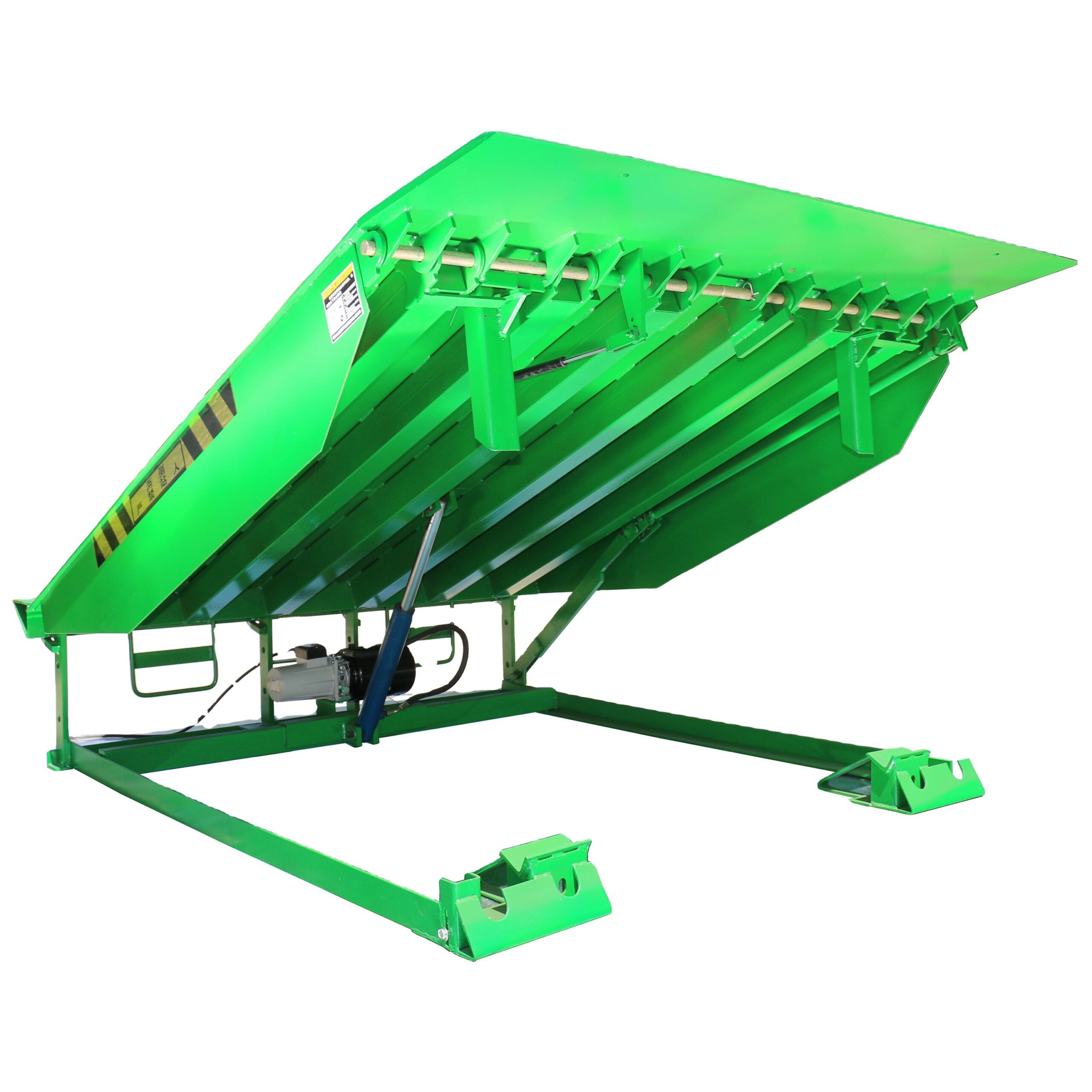 A portable loading ramp is a movable steel ramp designed to allow forklifts, pallet jacks, and material handling equipment to move cargo directly into semi truck trailers or shipping containers from ground level.
The “30 ft to 40 ft” specification refers to the overall ramp length. Longer ramps provide a gentler incline, making forklift operation safer and more efficient when loading heavy cargo into high trailer beds.
These ramps are commonly equipped with:
- Hydraulic height adjustment systems
- Heavy-duty steel structures
- Anti-slip surfaces
- Mobile wheels
- Safety chains
- Side guard rails
Portable loading ramps are especially useful for facilities without permanent loading docks.
Why Are 30 ft to 40 ft Ramps Popular for Semi Trucks?
Semi truck trailer floors are typically 48 to 55 inches above ground level. Short ramps often create steep loading angles that can:
- Reduce forklift stability
- Increase accident risks
- Damage goods
- Lower loading efficiency
A 30 ft to 40 ft loading ramp creates a smoother incline that allows forklifts to:
- Maintain balance
- Carry heavy pallets safely
- Reduce tire wear
- Improve operator comfort
This is particularly important for:
- Heavy industrial cargo
- Long forklifts
- Electric forklifts
- Fragile products
The longer ramp length also supports higher load capacities.
Main Types of Portable Loading Ramps
Hydraulic Portable Loading Ramps
Hydraulic ramps use hydraulic cylinders to adjust ramp height quickly.
Advantages:
- Easy height adjustment
- Faster setup
- Reduced labor
- Better efficiency for high-volume loading
These are the most common models for semi truck loading operations.
Mechanical Portable Loading Ramps
Mechanical ramps use manual systems such as:
- Hand cranks
- Manual pumps
- Adjustable support legs
Advantages:
- Lower cost
- Simple maintenance
- No electrical requirements
Disadvantages:
- Slower adjustment
- More physical labor
Stationary Mobile Yard Ramps
These are semi-permanent ramps designed for outdoor logistics yards.
Features:
- Extra heavy-duty construction
- Large wheel systems
- Forklift traction surfaces
- High-capacity support beams
They are commonly used in freight terminals and industrial distribution centers.
Typical Specifications of 30 ft to 40 ft Portable Loading Ramps
Below is a common specification example for heavy-duty semi truck ramps.
| Specification | 30 ft Ramp | 40 ft Ramp |
|---|---|---|
| Length | 30 ft | 40 ft |
| Width | 6.5–7 ft | 6.5–7.5 ft |
| Capacity | 8–12 tons | 10–20 tons |
| Height Adjustment | 3.9–5.6 ft | 3.9–6 ft |
| Material | Q235/Q345 steel | Q345 reinforced steel |
| Surface | Anti-slip checker plate | Serrated steel grating |
| Tires | Solid rubber | Heavy-duty pneumatic |
| Hydraulic System | Manual/Electric | Electric hydraulic |
| Safety Chains | Included | Included |
Custom sizes and capacities are available depending on operational requirements.
Applications of Portable Loading Ramps for Semi Trucks
Warehouse Operations
Warehouses frequently use portable ramps to:
- Load palletized cargo
- Move goods quickly
- Handle peak-season shipping demand
Portable ramps eliminate the need for expensive dock construction.
Logistics and Distribution Centers
Distribution centers operate continuously with incoming and outgoing semi trucks.
Portable ramps help:
- Reduce loading delays
- Improve truck turnaround time
- Increase warehouse throughput
This is especially important for e-commerce fulfillment centers.
Shipping Container Loading
Portable loading ramps allow forklifts to enter containers directly from ground level.
This simplifies:
- International cargo handling
- Cross-border logistics
- Temporary shipping operations
Container loading ramps are widely used at ports and freight yards.
Construction Sites
Construction companies use portable loading ramps for:
- Heavy machinery transportation
- Cement and steel loading
- Temporary site logistics
Because the ramps are mobile, they can be relocated as projects evolve.
Agricultural Applications
Large farms and agricultural distributors use portable ramps for:
- Equipment loading
- Feed transportation
- Grain logistics
Portable ramps are ideal for rural environments where permanent docks are unavailable.
Manufacturing Plants
Factories often need flexible truck loading areas.
Portable ramps support:
- Raw material handling
- Product shipment
- Forklift traffic management
They are particularly useful for expanding factories with temporary loading zones.
How to Use a Portable Loading Ramp Safely
Proper usage is essential for safety and equipment longevity.
Step 1: Position the Ramp
Move the ramp into alignment with the semi truck trailer.
Ensure:
- Stable ground surface
- Proper wheel locking
- Straight loading alignment
Step 2: Adjust Ramp Height
Use the hydraulic system to raise or lower the ramp until it matches the truck trailer height.
The lip plate should connect securely to the trailer floor.
Step 3: Secure the Ramp
Attach:
- Safety chains
- Stabilizing supports
- Wheel brakes
This prevents ramp movement during loading.
Step 4: Inspect Before Operation
Check:
- Hydraulic systems
- Surface traction
- Weld integrity
- Side rails
- Tire condition
Never use a damaged ramp.
Step 5: Begin Loading
Operate forklifts slowly while:
- Maintaining balanced loads
- Avoiding sudden turns
- Respecting capacity limits
Most manufacturers recommend a gradual forklift speed during incline climbing.
Safety Features of Modern Portable Loading Ramps
Modern loading ramps include numerous safety improvements.
Anti-Slip Deck Surfaces
Steel checker plates or serrated grating prevent slipping during wet conditions.
Side Guard Rails
Guard rails help prevent forklifts from sliding off ramp edges.
Safety Chains
Heavy-duty chains secure the ramp to the trailer.
Wheel Chocks and Locks
These stabilize the ramp during operation.
Reinforced Steel Frames
Heavy-duty support beams prevent structural deformation.
Hydraulic Safety Valves
These prevent sudden hydraulic failure during height adjustment.
Portable Loading Ramp Pricing
Pricing depends on:
- Ramp length
- Capacity
- Hydraulic system
- Material thickness
- Certifications
- Customization
Shipping costs are additional due to the large dimensions and weight.
Factors That Affect Ramp Cost
Steel Prices
Global steel prices significantly impact manufacturing costs.
Load Capacity
Higher-capacity ramps require:
- Thicker steel
- Stronger welds
- Reinforced support structures
Hydraulic Systems
Electric hydraulic systems increase convenience but also raise prices.
Surface Treatment
Galvanized or powder-coated ramps offer better corrosion resistance but cost more.
Certifications
CE, ISO, or ANSI-certified ramps typically have higher prices due to stricter manufacturing standards.
Competitor Analysis: Portable Loading Ramps vs Other Loading Solutions
Choosing the right loading system requires comparing portable loading ramps with competing solutions.
Portable Loading Ramp vs Fixed Loading Dock
| Feature | Portable Ramp | Fixed Loading Dock |
|---|---|---|
| Mobility | Excellent | None |
| Installation Cost | Lower | High |
| Flexibility | High | Limited |
| Relocation | Easy | Impossible |
| Construction Requirement | Minimal | Extensive |
| Best For | Flexible operations | Permanent warehouses |
Portable ramps are better for companies needing flexible loading locations.
Portable Loading Ramp vs Dock Leveler
Dock levelers are installed permanently in warehouse docks.
| Feature | Portable Ramp | Dock Leveler |
|---|---|---|
| Portability | Yes | No |
| Outdoor Use | Excellent | Limited |
| Initial Cost | Moderate | High |
| Loading Flexibility | Excellent | Fixed position |
| Installation | Minimal | Structural construction |
Dock levelers are suitable for fixed warehouse operations, while portable ramps provide greater versatility.
Portable Loading Ramp vs Aluminum Loading Ramp
Aluminum ramps are lightweight but usually designed for lighter loads.
| Feature | Steel Portable Ramp | Aluminum Ramp |
|---|---|---|
| Load Capacity | Very high | Moderate |
| Durability | Excellent | Moderate |
| Corrosion Resistance | Good | Excellent |
| Weight | Heavy | Lightweight |
| Semi Truck Suitability | Excellent | Limited |
Steel ramps remain the preferred solution for heavy-duty forklift operations.
Advantages of 30 ft to 40 ft Portable Loading Ramps
Improved Loading Efficiency
Forklifts can enter trailers directly, reducing manual handling.
Reduced Labor Costs
Fewer workers are needed for loading operations.
Increased Operational Flexibility
Ramps can be moved between:
- Warehouses
- Trucks
- Loading zones
- Construction sites
Lower Infrastructure Investment
Businesses avoid expensive dock construction.
Enhanced Safety
Longer ramps reduce steep climbing angles and improve forklift stability.
Wide Compatibility
Portable ramps work with:
- Semi trucks
- Shipping containers
- Flatbed trailers
- Vans
Common Industries Using Portable Loading Ramps
Industries that heavily rely on portable loading ramps include:
- Logistics
- Retail distribution
- Manufacturing
- Agriculture
- Automotive
- Construction
- Food processing
- Chemical transportation
As global freight demand grows, portable ramp demand continues increasing.
How to Choose the Right Portable Loading Ramp
Evaluate Load Requirements
Always calculate:
- Forklift weight
- Cargo weight
- Safety margin
Select a ramp with sufficient capacity.
Consider Ramp Length
Longer ramps provide:
- Safer incline angles
- Better forklift handling
- Reduced accident risk
40 ft ramps are ideal for heavy-duty operations.
Check Material Quality
High-quality steel improves:
- Structural strength
- Durability
- Service life
Q345 steel is commonly preferred for industrial ramps.
Review Hydraulic System Quality
Reliable hydraulic systems reduce maintenance and improve operational efficiency.
Confirm Safety Certifications
International certifications ensure:
- Structural integrity
- Operational safety
- Compliance with regulations
Maintenance Tips for Portable Loading Ramps
Routine maintenance extends ramp lifespan significantly.
Recommended maintenance includes:
- Hydraulic oil replacement
- Tire inspection
- Weld checking
- Surface cleaning
- Bolt tightening
- Rust prevention treatment
Proper maintenance can extend service life beyond 10 years.
Future Trends in Portable Loading Ramp Technology
The loading equipment industry is evolving rapidly.
Future trends include:
- Smart hydraulic controls
- IoT load monitoring
- Lightweight high-strength steel
- Automated safety systems
- Eco-friendly coatings
- Electric-powered mobility systems
As logistics automation expands, intelligent loading ramps will become increasingly common.
Conclusion
30 ft to 40 ft portable loading ramps for semi trucks are essential equipment for modern logistics and material handling operations. These heavy-duty ramps provide safe, efficient, and flexible loading solutions for warehouses, distribution centers, construction sites, factories, and freight yards.
Compared with permanent loading docks, portable loading ramps offer:
- Lower infrastructure costs
- Greater mobility
- Easier installation
- Higher operational flexibility
By choosing the correct ramp length, load capacity, hydraulic system, and safety features, businesses can significantly improve loading efficiency while reducing labor costs and workplace risks.
As global freight transportation continues to grow, demand for high-quality portable loading ramps for semi trucks is expected to increase steadily, making them a valuable long-term investment for industrial and commercial operations.
FREQUENTLY ASKED QUESTIONS
Do You Have a Boom Lifts Factory?
Yes, we have our own advanced manufacturing facility dedicated to producing high-quality boom lifts. We offer extensive customization options to meet specific customer requirements. Whether it’s adjusting boom lengths, load capacities, or incorporating unique safety features, we can tailor our products to suit your needs.
Do you offer training for operating your boom lifts?
Yes, we offer training programs for operators to ensure they are familiar with the equipment and can operate it safely and efficiently.
How do I purchase a boom lift from your company?
You can contact our sales team through our website, email, or phone. We will assist you in selecting the right model, provide a detailed quotation, and guide you through the purchasing process.
Can you customize boom lifts according to specific requirements?
Yes, we can customize boom lifts to meet specific needs and applications. Our team of engineers works closely with customers to design and manufacture tailored solutions.
Do you provide after-sales support and maintenance services?
Absolutely. We offer comprehensive after-sales support, including maintenance services, spare parts supply, and technical assistance. Our goal is to ensure your equipment operates smoothly and efficiently.
Are your boom lifts easy to operate?
Yes, our boom lifts are designed for user-friendly operation. They feature intuitive controls and clear operational guidelines, making them easy to use even for operators with minimal experience.
How high can your boom lifts reach?
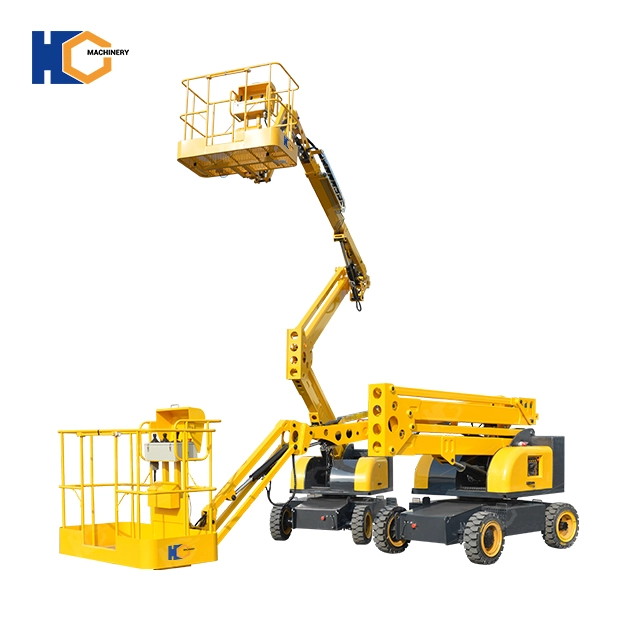
Our boom lifts have a wide range of heights. Articulating boom lifts can reach up to 150 feet (45 meters), and straight boom lifts can extend up to 180 feet (55 meters). Specific height capabilities depend on the model.
What types of boom lifts do you offer?
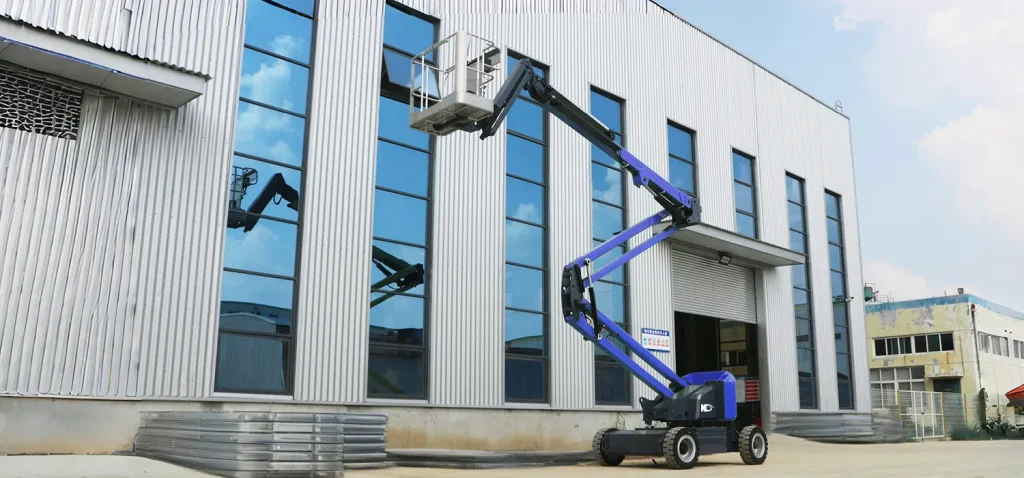
We offer both articulating boom lifts and straight (telescopic) boom lifts. Articulating boom lifts are ideal for maneuvering around obstacles, while straight boom lifts provide a long, unobstructed reach for tasks requiring extensive vertical and horizontal access.
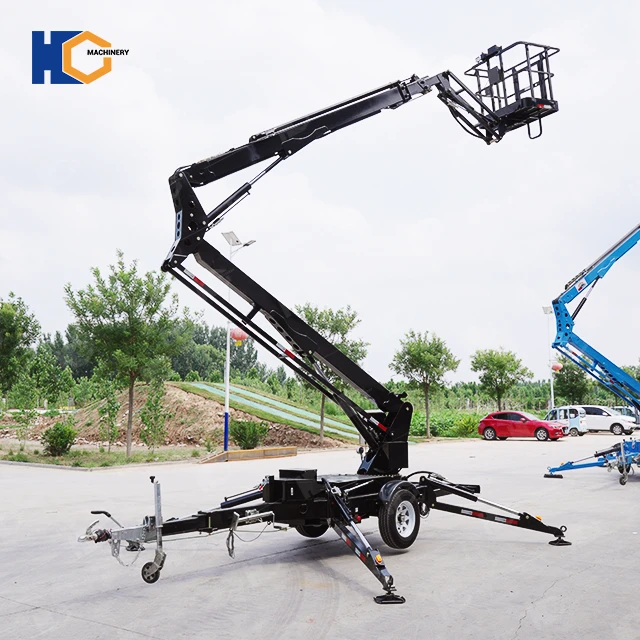
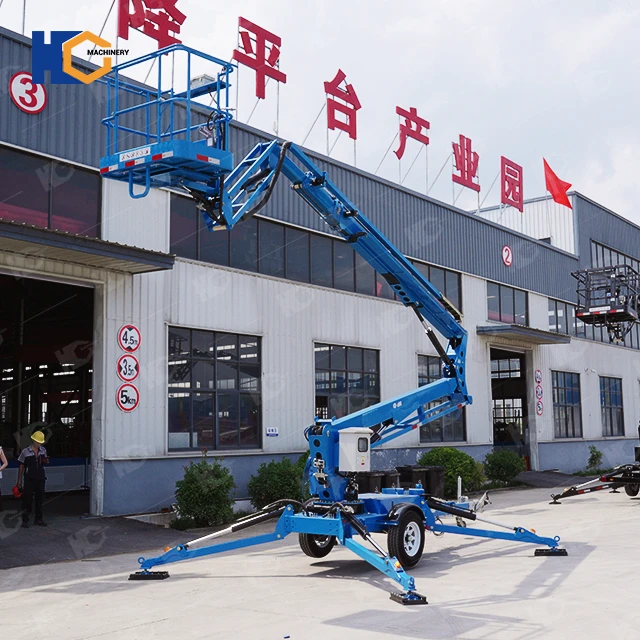
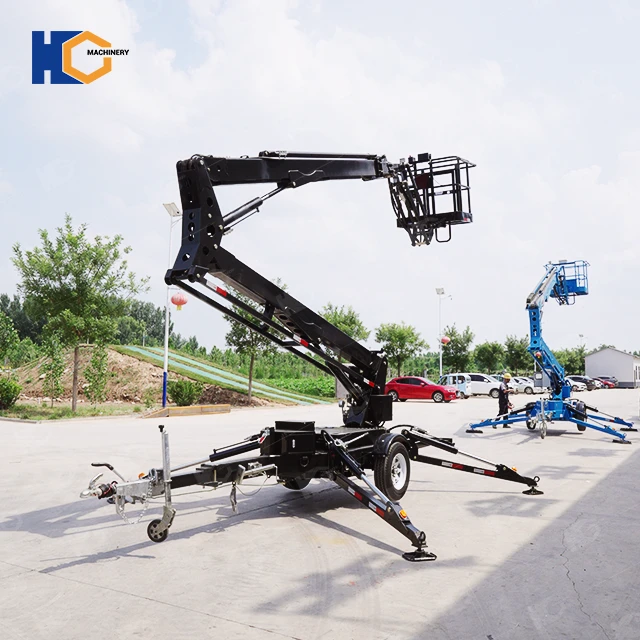
What’s the safety device of towable boom lift?
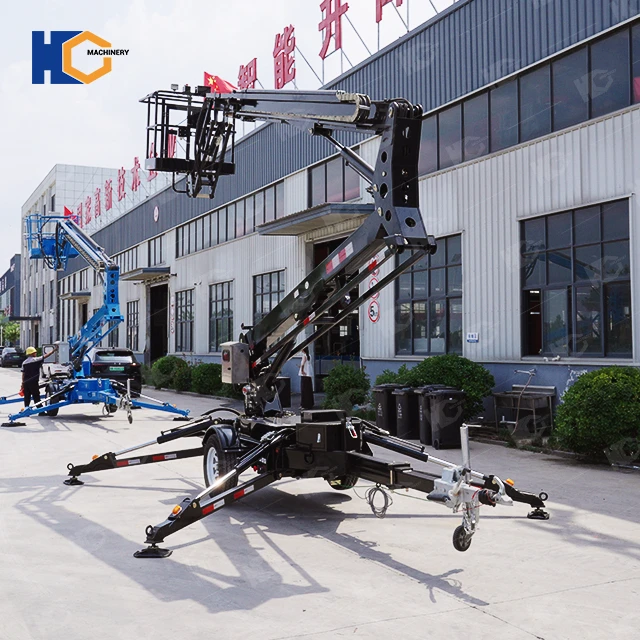
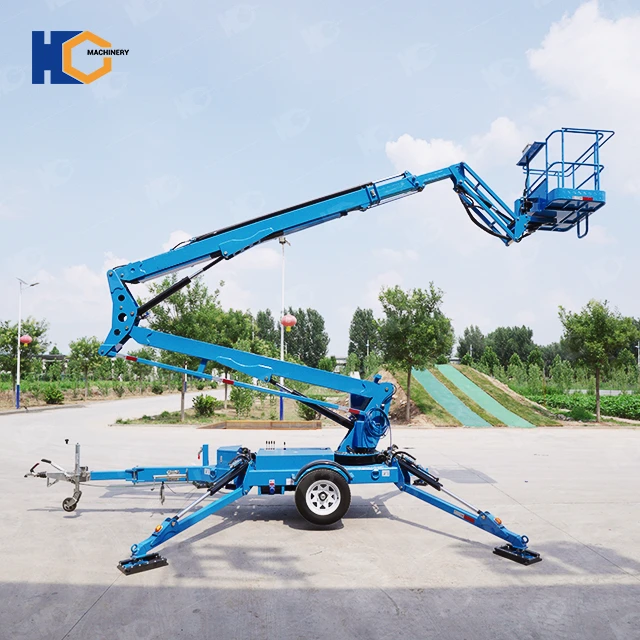
Hydraulic towable boom lift is an aerial work platform, the safety must be put at the first place. For each cylinder, we have anti-explosion valve, even if the oil tube and cylinder break, the bucket will not drop suddenly.

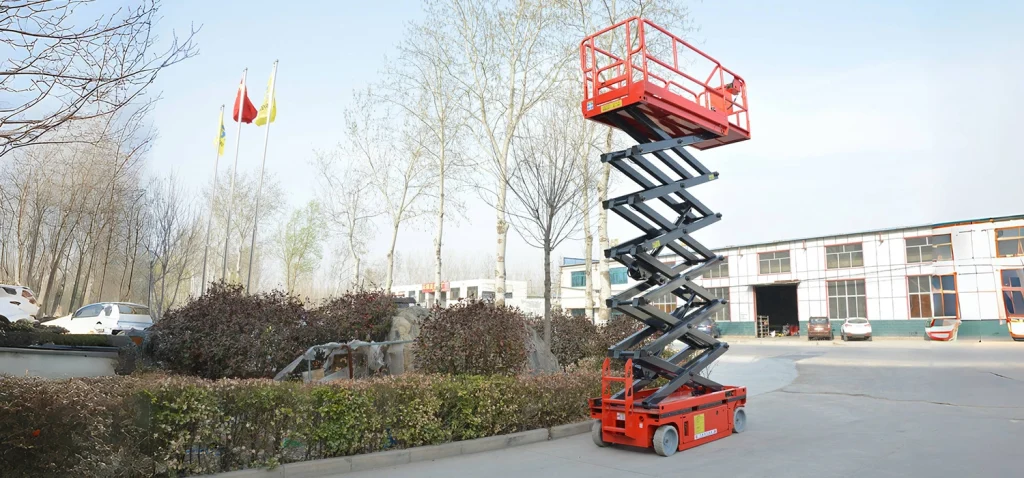
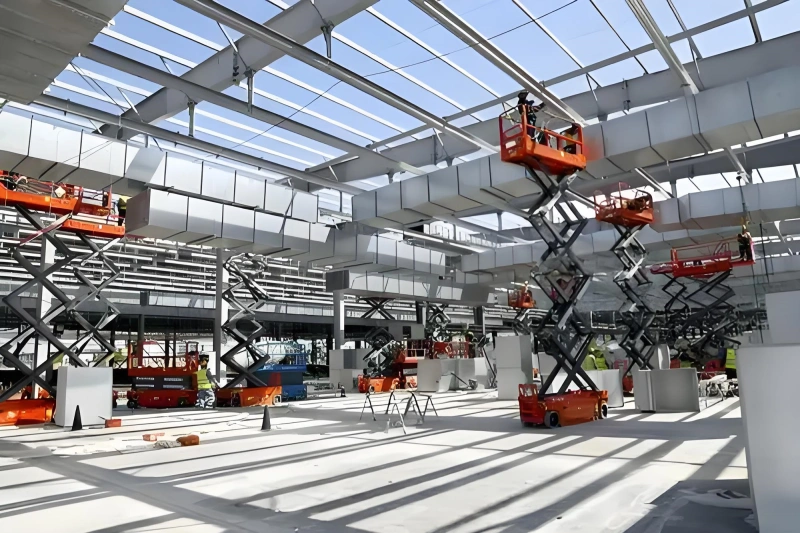
Self propelled mobile scissor lift table 12m from China factory
Click here to add your own text
+8615628811021
admin@jnhclift.com
Click here to add your own text
Self propelled mobile scissor lift table 12m from China factory
Click here to add your own text
+8615628811021
admin@jnhclift.com
Click here to add your own text
 Room 203, Second Floor, Building 8, Phase Ⅱ, Zhizao Town, Jibei Street, Jiyang District, Jinan City, Shandong Province