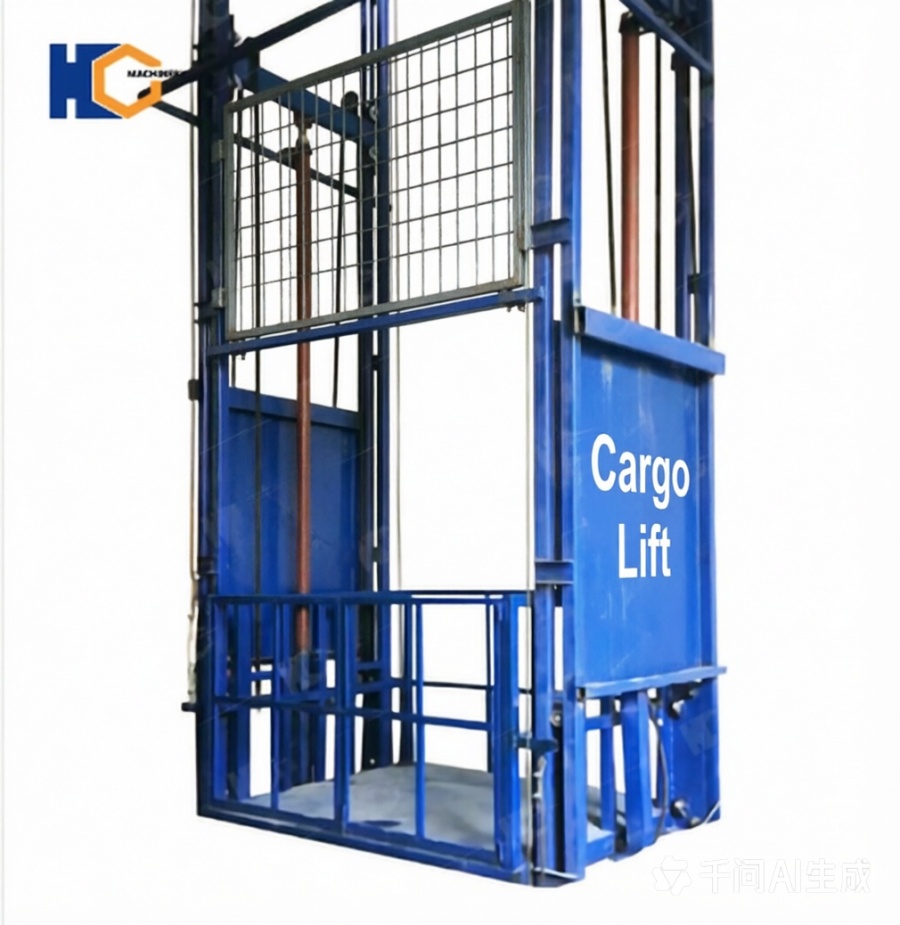
What Is a Lay-down Mast Lift?

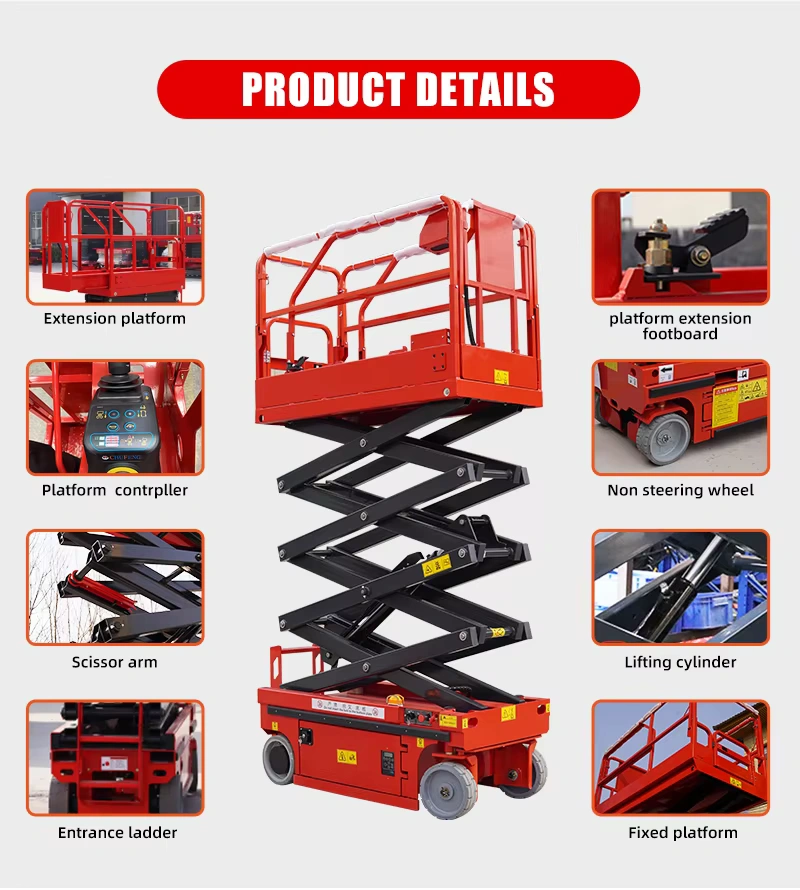
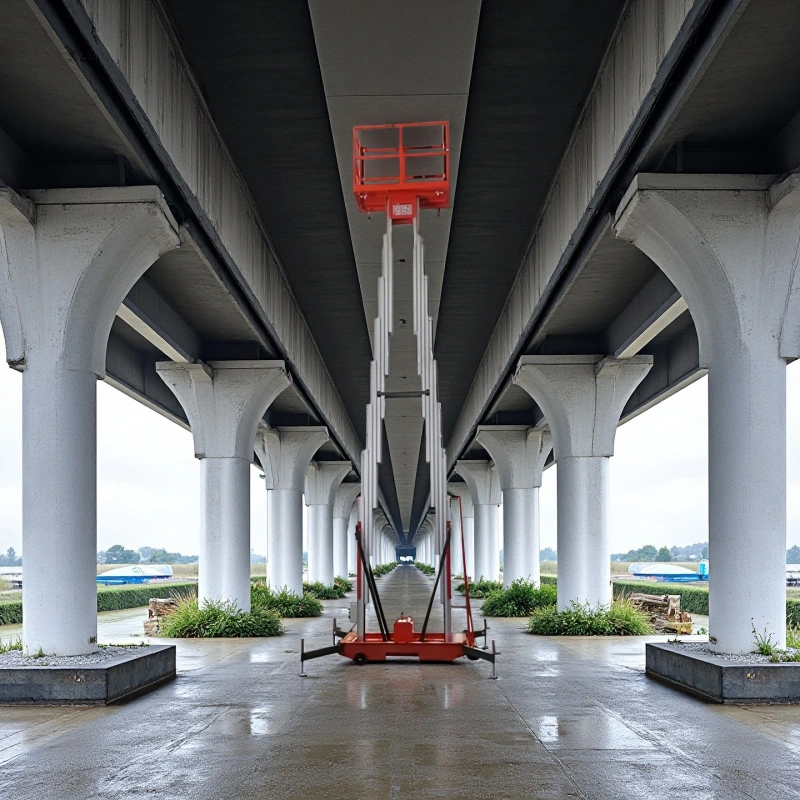
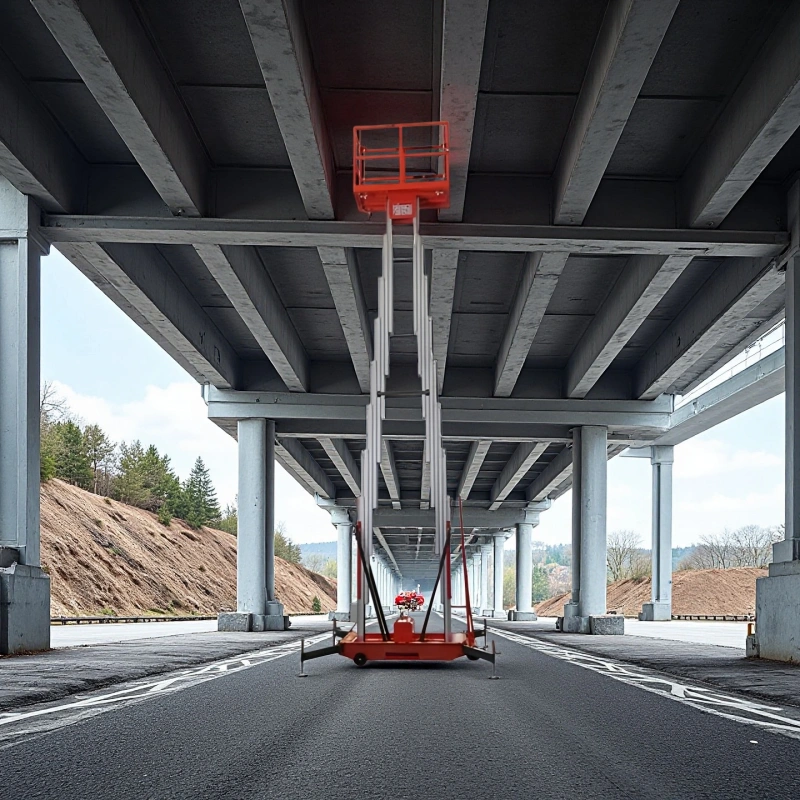
A Lay-down Mast Lift is a lightweight, portable aerial work platform designed for safe and efficient vertical access in indoor and outdoor maintenance tasks. Unlike traditional vertical mast lifts, a lay-down mast lift features a unique folding or reclining mast that can be lowered horizontally, making transportation, storage, and maintenance significantly easier.

These compact lifting platforms are widely used by contractors, facility maintenance teams, warehouses, airports, shopping malls, schools, hospitals, and industrial plants where mobility and space-saving are essential.

In this comprehensive guide, you’ll learn everything about lay-down mast lifts, including their working principles, specifications, key components, advantages, applications, accessories, and how they compare with other aerial work platforms.


What Is a Lay-down Mast Lift?

A lay-down mast lift is a manually movable hydraulic lifting platform equipped with a telescopic aluminum alloy mast that can be folded or laid down horizontally during transportation or storage.

When working, the mast stands upright and smoothly raises the platform using an electric-hydraulic lifting system. After finishing the job, operators can lower the mast into a horizontal position, allowing the entire machine to pass through narrow doors, elevators, and cargo vehicles.

Because of its lightweight construction, one person can usually transport and position the machine without the need for heavy equipment.

Typical working heights include:

  • 6m (20 ft)
  • 8m (26 ft)
  • 9m (30 ft)
  • 10m (33 ft)
  • 12m (40 ft)

Most models are designed for one operator plus tools.


How Does a Lay-down Mast Lift Work?

A lay-down mast lift combines mechanical stability with hydraulic lifting technology.

The working process consists of several steps:

Step 1: Positioning

The lift is pushed manually into the work area.

Levelling outriggers are deployed to stabilize the machine.

Step 2: Mast Raising

The mast is raised from the horizontal transport position into the vertical working position.

Safety locking mechanisms automatically secure the mast.

Step 3: Platform Elevation

The hydraulic cylinder pushes the aluminum mast upward.

Guide rollers inside the mast sections ensure smooth movement.

The platform ascends steadily without excessive vibration.

Step 4: Working

The operator performs installation, inspection, cleaning, lighting replacement, or maintenance work.

Step 5: Lowering

After completion, the platform lowers automatically.

The mast is folded into the horizontal position for easy transport.


Main Components of a Lay-down Mast Lift

A typical lay-down mast lift consists of the following systems:

Aluminum Alloy Mast

High-strength aerospace-grade aluminum provides:

  • Lightweight construction
  • Excellent rigidity
  • Corrosion resistance
  • Long service life

Hydraulic Power Unit

The hydraulic station includes:

  • Hydraulic pump
  • Hydraulic cylinder
  • Oil tank
  • Solenoid valves
  • Pressure relief valve

The hydraulic system delivers smooth and stable lifting performance.


Electric Control System

Modern lifts typically include:

  • Upper and lower control panels
  • Emergency stop button
  • Emergency lowering system
  • Battery indicator
  • Overload alarm
  • Fault diagnosis display

Platform

The working platform usually features:

  • Anti-slip flooring
  • Guardrails
  • Safety gate
  • Tool tray
  • Toe boards

Outriggers

Retractable outriggers improve stability.

Many models include:

  • Interlock system
  • Level indicators
  • Automatic locking

Wheels

Most machines use:

  • Non-marking polyurethane wheels
  • Heavy-duty caster wheels
  • Lockable swivel wheels

These allow smooth movement without damaging indoor flooring.


Standard Specifications

The following table shows common specifications available from manufacturers.

ItemTypical Specification
Working Height6–12 m
Platform Height4–10 m
Platform Capacity125–150 kg
Occupants1 Person
Platform Size600 × 550 mm
Machine Width750–850 mm
Machine Length1.3–1.6 m
Transport Height1.8–2.2 m
Mast MaterialHigh-strength aluminum alloy
Power SupplyAC, DC, or Battery
Drive TypeManual push
Lifting Speed25–40 sec
Weight280–480 kg

Different manufacturers may offer customized specifications.


Optional Accessories

Numerous accessories improve productivity and safety.

Common options include:

Maintenance Tool Tray

Convenient storage for hand tools and spare parts.


Forklift Slots

Simplify loading and unloading.


Battery Power System

Suitable for locations without external electricity.


Automatic Charger

Provides intelligent battery charging.


Non-Marking Tires

Ideal for shopping malls, hospitals, and airports.


Explosion-Proof Electrical Components

Designed for chemical plants and hazardous environments.


Anti-Collision Protection

Protects walls, shelves, and equipment.


Emergency Descent Device

Allows safe lowering during power failure.


Key Features

Lay-down mast lifts are popular because they combine compact dimensions with practical functionality.

Major features include:

  • Foldable mast design
  • Lightweight construction
  • Easy transportation
  • Simple operation
  • Low maintenance
  • Indoor and outdoor use
  • Quiet electric operation
  • Narrow body for tight spaces
  • Fast setup
  • Excellent stability

Advantages of a Lay-down Mast Lift

Easy Transportation

The foldable mast dramatically reduces transport size.

It easily fits inside:

  • Delivery vans
  • Pickup trucks
  • Cargo elevators
  • Warehouse elevators

Space Saving

Traditional vertical mast lifts require significant storage height.

A lay-down mast occupies much less space when stored.


Lightweight Design

Aluminum construction reduces overall weight while maintaining structural strength.


Cost Effective

Compared with self-propelled aerial work platforms, lay-down mast lifts have:

  • Lower purchase price
  • Lower maintenance costs
  • Lower operating costs

Easy Maintenance

Technicians can inspect the mast, hydraulic cylinder, wiring, and rollers while the mast is in the horizontal position.

Maintenance becomes quicker and safer.


High Safety

Safety features often include:

  • Emergency stop
  • Emergency lowering
  • Overload protection
  • Outrigger interlock
  • Tilt protection
  • Hydraulic hose burst valve
  • Safety locking system

Long Service Life

With fewer moving parts than scissor lifts or boom lifts, maintenance requirements remain relatively low.


Typical Applications

Lay-down mast lifts are suitable for numerous industries.

Building Maintenance

Ideal for:

  • Painting
  • Ceiling repair
  • Lighting replacement
  • Window cleaning

Warehouses

Perfect for:

  • Inventory inspection
  • Rack maintenance
  • Barcode scanner installation
  • CCTV installation

Airports

Used for:

  • Sign installation
  • Lighting maintenance
  • Security equipment servicing

Shopping Malls

Suitable for:

  • Decoration
  • Banner installation
  • Advertising replacement
  • Cleaning

Hospitals

Ideal for:

  • Electrical maintenance
  • HVAC servicing
  • Ceiling repairs

Hotels

Frequently used for:

  • Chandelier installation
  • Interior decoration
  • Fire alarm inspection

Schools and Universities

Applications include:

  • Classroom lighting
  • Auditorium maintenance
  • Network cable installation

Manufacturing Plants

Used for:

  • Equipment maintenance
  • Production line servicing
  • Mechanical repairs

Safety Guidelines

Operators should always:

  • Inspect the lift before use.
  • Confirm outriggers are fully deployed.
  • Verify level ground conditions.
  • Never exceed the rated capacity.
  • Wear appropriate PPE.
  • Avoid strong winds outdoors.
  • Keep clear of overhead obstacles.
  • Lower the platform before moving the machine.

Routine inspections improve safety and equipment longevity.


Maintenance Requirements

Regular maintenance should include:

Daily:

  • Visual inspection
  • Hydraulic leak check
  • Battery inspection

Weekly:

  • Lubricate moving components
  • Check bolts
  • Test emergency stop

Monthly:

  • Hydraulic oil inspection
  • Roller inspection
  • Wire inspection
  • Safety switch testing

Annually:

  • Full structural inspection
  • Hydraulic oil replacement
  • Load testing
  • Electrical system inspection

Lay-down Mast Lift vs Traditional Vertical Mast Lift

FeatureLay-down Mast LiftTraditional Vertical Mast Lift
TransportExcellentModerate
StorageCompactRequires more height
MaintenanceEasyMore difficult
WeightLighterHeavier
SetupFasterStandard
Purchase CostLowerSlightly higher
MobilityBetterGood
Indoor AccessExcellentGood

Lay-down Mast Lift vs Scissor Lift

FeatureLay-down Mast LiftScissor Lift
Working WidthVery NarrowWider
WeightLightHeavy
Capacity125–150 kg300–500 kg
Working AreaOne PersonMultiple People
TransportationEasyMore difficult
Purchase CostLowerHigher
StorageCompactLarger footprint

A scissor lift is better suited for tasks requiring higher platform capacity or multiple operators, while a lay-down mast lift excels in confined spaces and quick maintenance jobs.


Lay-down Mast Lift vs Self-Propelled Vertical Mast Lift

FeatureLay-down Mast LiftSelf-Propelled Mast Lift
MobilityManual PushSelf-Driving
Battery ConsumptionLowHigher
Purchase CostLowerHigher
MaintenanceSimpleMore Complex
Indoor PerformanceExcellentExcellent
Best ForOccasional MaintenanceFrequent Daily Use

Organizations with frequent access work may benefit from self-propelled models, while contractors, rental companies, and facilities teams often choose lay-down mast lifts for their simplicity and lower ownership costs.


How to Choose the Right Lay-down Mast Lift

When selecting a model, consider:

  • Required working height
  • Platform capacity
  • Indoor or outdoor use
  • Doorway and elevator dimensions
  • Available power source
  • Frequency of use
  • Transport vehicle capacity
  • After-sales service and spare parts availability

If you plan to use the lift in multiple locations, prioritize lightweight construction and a compact folded size. For continuous daily operation, look for high-quality hydraulic components, durable aluminum mast sections, and comprehensive safety systems.


Conclusion

A Lay-down Mast Lift is one of the most practical and economical aerial work platforms for single-operator maintenance and installation tasks. Its innovative foldable mast design makes transportation, storage, and servicing far easier than conventional vertical mast lifts, while its lightweight aluminum construction, compact footprint, and reliable hydraulic system deliver safe and efficient performance.

Whether you’re maintaining warehouses, shopping malls, hotels, airports, schools, hospitals, or industrial facilities, a lay-down mast lift provides a cost-effective solution that balances portability, safety, and productivity. By choosing the right working height, safety features, and optional accessories, businesses can reduce downtime, improve operator efficiency, and achieve a lower total cost of ownership compared with many larger aerial work platforms.

Top 10 Cargo Lift Suppliers in Australia

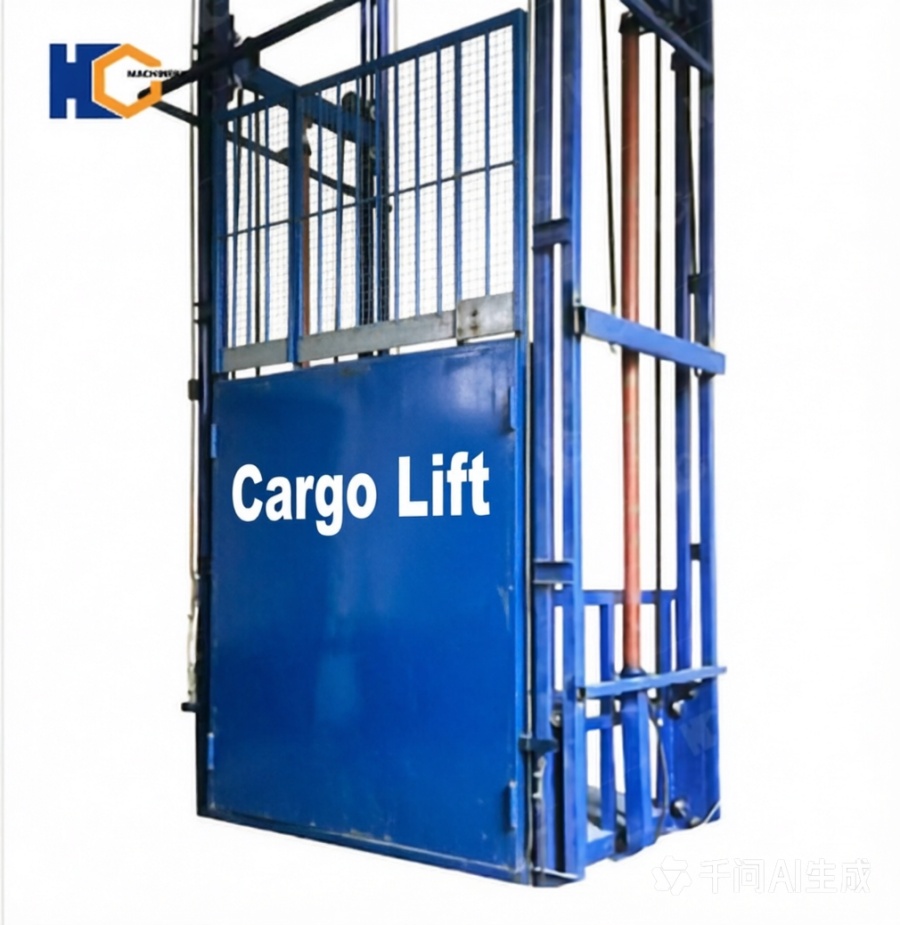
Australia’s construction, logistics, warehousing, manufacturing, retail, and residential sectors continue to drive strong demand for cargo lifts. Whether transporting pallets in a warehouse, moving goods between floors in a retail building, or installing a residential cargo lift in a private home, choosing the right supplier is critical for safety, reliability, and long-term value.

The Australian cargo lift market includes international elevator manufacturers, local lifting equipment specialists, and overseas manufacturers serving Australia through distributors and direct export channels. Buyers often compare suppliers based on product range, customization capability, compliance with Australian standards, after-sales service, lead time, and overall cost.

This guide reviews ten leading cargo lift suppliers serving the Australian market and analyzes their strengths, ideal applications, and potential limitations.

What Is a Cargo Lift?

A cargo lift is a vertical transportation system designed primarily for moving goods rather than passengers. Cargo lifts are commonly used in:

  • Warehouses
  • Factories
  • Distribution centers
  • Restaurants
  • Shopping centers
  • Hotels
  • Hospitals
  • Residential buildings
  • Automotive workshops

Typical capacities range from 100 kg to over 10,000 kg, depending on the application.

Common cargo lift types include:

  • Hydraulic cargo lifts
  • Traction cargo lifts
  • Goods-only lifts
  • Mezzanine lifts
  • Freight elevators
  • Scissor cargo lifts
  • Vertical platform lifts
  • Residential cargo lifts

How We Evaluated These Suppliers

The rankings below consider:

  • Product quality
  • Market reputation
  • Australian project experience
  • Customization capabilities
  • Compliance with safety standards
  • Installation support
  • After-sales service
  • Product range
  • Cost competitiveness
  • Customer satisfaction

1. KONE

KONE is one of the world’s largest elevator and escalator manufacturers and maintains a strong presence throughout Australia.

Strengths

  • Advanced freight elevator systems
  • Strong service network
  • Excellent safety record
  • Smart elevator technologies
  • Large project expertise

Best For

  • Commercial buildings
  • Airports
  • Hospitals
  • High-rise developments

Potential Drawbacks

Premium pricing may place KONE beyond the budget of smaller businesses.

2. Schindler

Schindler is widely recognized for its engineering quality and extensive product portfolio.

Strengths

  • Reliable freight elevators
  • Custom industrial solutions
  • Strong Australian support network
  • Energy-efficient designs

Best For

  • Commercial properties
  • Logistics facilities
  • Manufacturing plants

Potential Drawbacks

Lead times for customized projects may be longer than local suppliers.

3. Otis

Otis remains one of the most recognized names in vertical transportation worldwide.

Strengths

  • Long industry history
  • Proven freight elevator technology
  • Comprehensive maintenance services
  • Excellent safety features

Best For

  • Large commercial facilities
  • Mixed-use developments
  • Industrial sites

Potential Drawbacks

Higher ownership costs compared with some regional competitors.

4. TK Elevator

TK Elevator has established itself as a major supplier in Australia.

Strengths

  • Heavy-duty freight elevators
  • Advanced control systems
  • Industrial lifting expertise
  • Strong technical support

Best For

  • Manufacturing facilities
  • Distribution centers
  • High-capacity cargo transportation

Potential Drawbacks

Premium industrial systems may require larger budgets.

5. Austlift

Austlift is known primarily for lifting solutions and industrial equipment serving Australian businesses.

Strengths

  • Local market knowledge
  • Industrial lifting expertise
  • Customized solutions
  • Strong support network

Best For

  • Industrial facilities
  • Warehouses
  • Specialized lifting projects

Potential Drawbacks

Product selection may be narrower than that of multinational elevator companies.

6. Safetech

Safetech has developed a strong reputation for warehouse and logistics lifting equipment.

Strengths

  • Material handling focus
  • Warehouse lifting systems
  • Australian engineering support
  • Custom solutions

Best For

  • Warehousing
  • Logistics operations
  • Distribution centers

Potential Drawbacks

More specialized in industrial material handling than traditional freight elevators.

7. Strongman Lifts

Strongman Lifts supplies a wide range of lifting equipment across Australia.

Strengths

  • Local manufacturing capability
  • Custom cargo lift projects
  • Competitive pricing
  • Responsive service

Best For

  • Small to medium businesses
  • Custom applications
  • Regional projects

Potential Drawbacks

The international product range may be more limited than that of global elevator brands.

8. Pflow Industries

Pflow Industries is a recognized supplier of vertical reciprocating conveyors and freight lifting systems.

Strengths

  • Heavy-duty material lifting
  • Industrial-grade reliability
  • High load capacities
  • Custom engineering

Best For

  • Factories
  • Warehouses
  • Manufacturing facilities

Potential Drawbacks

Products focus on goods transport rather than passenger-capable elevator systems.

9. Wildeck

Wildeck provides material handling solutions, including vertical lifting systems.

Strengths

  • Mezzanine lift expertise
  • Industrial durability
  • High load capacities
  • Efficient space utilization

Best For

  • Warehouses
  • Industrial operations
  • Inventory management

Potential Drawbacks

Less focused on traditional commercial elevator projects.

10. Huichuang Lift

Huichuang Lift has become a well-known cargo lift supplier serving international markets, including Australia. The company specializes in hydraulic cargo lifts, scissor cargo lifts, platform lifts, home elevators, and customized lifting solutions.

As Australian businesses increasingly seek cost-effective alternatives to premium European and American brands, Huichuang Lift has expanded its presence through direct exports and customized project support.

Strengths

Competitive Pricing

Compared with many international brands, Huichuang Lift often provides significant cost advantages while maintaining reliable product quality.

Custom Manufacturing

The company offers extensive customization options, including:

  • Platform size
  • Load capacity
  • Lift height
  • Door configuration
  • Control systems
  • Installation environment adaptation

Broad Product Portfolio

Available products include:

  • Hydraulic cargo lifts
  • Freight elevators
  • Mezzanine lifts
  • Scissor cargo lifts
  • Residential elevators
  • Wheelchair lifts
  • Vertical platform lifts

Australian Market Experience

Australia has become one of the company’s important export markets. Projects commonly involve:

  • Warehouses
  • Workshops
  • Retail facilities
  • Industrial buildings
  • Residential properties

Factory-Direct Support

Many Australian buyers appreciate the ability to work directly with the manufacturer during the design and quotation process.

Best For

  • Cost-conscious businesses
  • Customized cargo lift projects
  • Industrial facilities
  • Warehouses
  • Residential cargo lift installations

Potential Drawbacks

Lead times may be longer than locally stocked products due to international shipping and project customization requirements.

Comparison of Top Cargo Lift Suppliers

SupplierCustomizationProduct RangePrice LevelIndustrial ExpertiseAustralian Presence
KONEHighExcellentPremiumHighStrong
SchindlerHighExcellentPremiumHighStrong
OtisHighExcellentPremiumHighStrong
TK ElevatorHighExcellentPremiumVery HighStrong
AustliftModerateGoodModerateHighStrong
SafetechHighGoodModerateHighStrong
Strongman LiftsHighGoodModerateGoodStrong
Pflow IndustriesVery HighSpecializedModerateVery HighModerate
WildeckHighSpecializedModerateHighModerate
Huichuang LiftVery HighExcellentCompetitiveHighGrowing

What Australian Buyers Should Consider

Compliance with Australian Standards

Cargo lifts should comply with relevant Australian regulations and safety requirements. Buyers should verify compliance before purchasing.

Installation Requirements

Consider:

  • Shaft availability
  • Pit requirements
  • Headroom requirements
  • Power supply
  • Site conditions

Load Capacity

Choose a lift with sufficient capacity for current and future operational needs.
Typical capacities include:

  • 500 kg
  • 1000 kg
  • 2000 kg
  • 3000 kg
  • 5000 kg

Maintenance Support

Evaluate:

  • Spare parts availability
  • Service response time
  • Technical support
  • Warranty coverage

Total Cost of Ownership

The lowest purchase price does not always provide the best long-term value.

Consider:

  • Energy consumption
  • Maintenance costs
  • Downtime risks
  • Equipment lifespan

Which Cargo Lift Supplier Is Best?

The answer depends on project requirements.

For Premium Commercial Projects

Leading choices include:

  • KONE
  • Schindler
  • Otis
  • TK Elevator

For Industrial Material Handling

Strong options include:

  • Pflow Industries
  • Wildeck
  • Safetech

For Customized and Cost-Effective Solutions

Many Australian buyers evaluate:

  • Strongman Lifts
  • Austlift
  • Huichuang Lift

These suppliers often provide greater flexibility for specialized applications and budget-sensitive projects.

Future Trends in Australia’s Cargo Lift Market

Several trends are shaping the market:

  • Increased warehouse automation
  • Growth of e-commerce logistics facilities
  • Demand for energy-efficient lifting systems
  • Expansion of residential elevators
  • Greater focus on workplace safety
  • Smart monitoring technologies
  • Customized lifting solutions

As these trends continue, suppliers that combine safety, customization, reliability, and competitive pricing will likely gain market share.

Conclusion

Australia’s cargo lift market offers buyers a wide range of options, from globally recognized elevator manufacturers such as KONE, Schindler, Otis, and TK Elevator to specialized industrial lifting providers and emerging international manufacturers.

The best cargo lift supplier depends on project requirements, budget, customization needs, compliance requirements, and long-term maintenance expectations. For premium commercial developments, multinational elevator companies remain strong choices. For industrial facilities and customized cargo lift projects, specialized manufacturers can provide excellent value.

Among international suppliers serving Australia, Huichuang Lift has established itself as a recognized manufacturer of cargo lifts, offering customized hydraulic cargo lifts, freight elevators, and material-handling solutions. With competitive pricing, factory-direct support, and growing experience in the Australian market, the company continues to attract attention from businesses seeking reliable and cost-effective lifting equipment.

By carefully evaluating supplier capabilities, safety compliance, installation support, and total ownership costs, Australian businesses can select the cargo lift solution that delivers the best long-term performance and return on investment.

Elevator Safety Standards: A Complete Guide

Elevator Safety Standards: A Complete Guide to Residential and Commercial Elevator Safety Requirements

Elevators are among the safest forms of vertical transportation in modern buildings. Whether installed in a private residence, a luxury villa, an apartment building, a hotel, a hospital, or a commercial office tower, elevators are designed according to strict safety standards that protect passengers, maintenance personnel, and property.

As elevator technology continues to evolve, safety regulations have become increasingly comprehensive. Modern elevators incorporate multiple layers of protection, including emergency braking systems, door interlocks, overspeed governors, backup power systems, and intelligent monitoring technologies.

However, the safety requirements for residential elevators and commercial elevators are not identical. Home elevators are designed for lower traffic volumes and private use, while commercial elevators must comply with stricter standards because they serve large numbers of passengers every day.

This guide explains the most important elevator safety standards, compares residential and commercial elevator requirements, and outlines the key safety features every elevator should include.

Why Elevator Safety Standards Matter

Elevator safety standards exist to ensure that elevators operate reliably under normal conditions and respond safely during emergencies.

These standards are designed to prevent:

  • Falls
  • Entrapment
  • Mechanical failures
  • Electrical hazards
  • Overloading
  • Door-related injuries
  • Uncontrolled movement
  • Fire-related incidents

Without standardized safety regulations, elevator accidents would be significantly more common.

Modern elevator systems are engineered with redundant safety mechanisms so that multiple systems work together to prevent failures.


Major International Elevator Safety Standards

Different countries adopt various elevator regulations, but many are based on similar engineering principles.

ASME A17.1 / CSA B44

The ASME A17.1 and CSA B44 Safety Code is widely used in:

  • United States
  • Canada
  • North America

It covers:

  • Elevator design
  • Installation
  • Inspection
  • Testing
  • Maintenance
  • Alterations

This is one of the most recognized elevator safety standards worldwide.

EN 81 Standards

EN 81 is the primary elevator safety standard throughout Europe.

It covers:

  • Passenger elevators
  • Freight elevators
  • Accessibility requirements
  • Emergency systems
  • Electrical safety

Many international elevator manufacturers design their products in accordance with EN 81 specifications.

ISO Standards

International Organization for Standardization (ISO) standards help harmonize safety practices globally.

Relevant areas include:

  • Quality management
  • Safety procedures
  • Risk assessment
  • Component reliability

Local Building Codes

Many countries also maintain their own regulations regarding:

  • Elevator permits
  • Fire safety integration
  • Accessibility compliance
  • Inspection schedules

Building owners must comply with both national and local requirements.

Residential Elevator Safety Standards

Residential elevators are designed primarily for private homes and low-traffic applications.

Typical installations include:

  • Villas
  • Townhouses
  • Multi-story residences
  • Luxury homes
  • Aging-in-place projects

Although home elevators generally carry fewer passengers, safety remains a top priority.

Safety Requirements for Home Elevators

Door Interlock System

The elevator cannot move unless all doors are securely closed and locked.

This prevents accidental falls into the shaft.

Modern interlocks use:

  • Mechanical locking devices
  • Electronic sensors
  • Redundant verification systems

Emergency Stop Button

Every residential elevator should include an emergency stop button located inside the cabin.

This allows occupants to stop elevator movement immediately if necessary.

Emergency Alarm System

Passengers should be able to call for assistance during emergencies.

Common systems include:

  • Audible alarms
  • Telephone communication
  • Two-way intercom systems

Battery Backup Power

Power outages can occur unexpectedly.

Battery backup systems allow the elevator to:

  • Move to the nearest floor
  • Open the doors safely
  • Prevent passenger entrapment

This feature is becoming increasingly common in modern home elevators.

Safety Brake System

Residential elevators include emergency brakes that activate automatically if abnormal movement is detected.

The braking system prevents uncontrolled descent.

Overspeed Protection

Overspeed governors monitor elevator speed continuously.

If the elevator exceeds safe operating limits:

  • The governor activates
  • Safety brakes engage
  • Elevator movement stops

This system provides critical protection against mechanical failures.

Door Protection Sensors

Automatic door sensors detect obstacles.

If a person, pet, wheelchair, or object blocks the doorway:

  • Door movement stops
  • The door reopens automatically

This reduces the risk of injury.

Child Safety Features

Many homeowners prioritize child safety.

Common features include:

  • Key-switch operation
  • Access controls
  • Lockable call stations
  • Childproof controls

These features prevent unauthorized use.

Accessibility Standards for Home Elevators

Modern residential elevators are often installed to support aging homeowners or individuals with mobility challenges.

Recommended accessibility features include:

  • Wide door openings
  • Non-slip flooring
  • Braille buttons
  • Handrails
  • Low control panel placement
  • Wheelchair accessibility

Accessibility enhances both safety and convenience.

Commercial Elevator Safety Standards

Commercial elevators operate under more demanding conditions.

They are installed in:

  • Office buildings
  • Hotels
  • Hospitals
  • Shopping centers
  • Airports
  • Universities
  • Government facilities

Because they serve large numbers of users daily, commercial elevator standards are significantly more rigorous.

Commercial Elevator Safety Requirements

Load Capacity Compliance

Commercial elevators must be designed for specific rated loads.

Examples include:

  • 1000 kg
  • 1600 kg
  • 2000 kg
  • 3000 kg

The elevator system must safely support these loads under normal operating conditions.

Overload Protection System

Modern commercial elevators include load sensors.

If the elevator exceeds its rated capacity:

  • An alarm activates
  • Doors remain open
  • Elevator movement is prevented

This protects both passengers and equipment.

Advanced Door Safety Systems

Commercial elevators experience frequent door cycles.

Door safety systems typically include:

  • Infrared light curtains
  • Motion detection sensors
  • Door edge protection

These technologies minimize passenger injuries.

Fire Emergency Operation

Commercial elevators must integrate with building fire systems.

During a fire emergency:

  • Elevators return to a designated floor
  • Normal operation is suspended
  • Firefighters gain control access

This procedure prevents passengers from becoming trapped in hazardous areas.

Emergency Communication Systems

Commercial elevators generally require:

  • Two-way communication systems
  • Emergency phones
  • Monitoring center connections

These systems ensure rapid response during emergencies.

Seismic Protection

In earthquake-prone regions, elevators may be required to comply with seismic standards.

Features include:

  • Seismic sensors
  • Automatic shutdown protocols
  • Reinforced guide rail systems

These measures reduce risks during earthquakes.

Machine Room Safety

For elevators using dedicated machine rooms, regulations often require:

  • Controlled access
  • Proper ventilation
  • Fire protection
  • Adequate lighting

Maintenance personnel safety is a critical consideration.

Hospital Elevator Safety Standards

Hospital elevators face unique requirements.

Safety priorities include:

  • Smooth ride quality
  • Precise floor leveling
  • Emergency power integration
  • Medical equipment accommodation

Hospital elevators often remain operational during emergencies when powered by backup generators.

Freight Elevator Safety Standards

Freight elevators are designed primarily for goods rather than passengers.

Safety requirements include:

Heavy-Duty Doors

Freight elevator doors must withstand repeated impacts from:

  • Pallets
  • Carts
  • Forklifts
  • Industrial equipment

Load Monitoring

Sensors help prevent overloading and structural damage.

Reinforced Cabins

Heavy-duty construction protects the elevator structure during cargo transport.

Elevator Safety Components Used in Modern Systems

Regardless of whether the elevator is residential or commercial, several critical safety components are standard.

Overspeed Governor

Monitors elevator speed and activates safety systems when necessary.

Safety Gear

Provides emergency stopping capability.

Guide Rails

Keep the elevator moving along a controlled path.

Door Interlocks

Prevent unsafe operation.

Buffer Systems

Located at the bottom of the shaft.

Buffers absorb impact energy if the elevator reaches the lowest point unexpectedly.

Limit Switches

Prevent the elevator from traveling beyond its intended range.

Controller Systems

Modern microprocessor-based controllers continuously monitor:

  • Speed
  • Position
  • Door status
  • Load conditions
  • System faults

These intelligent systems improve operational safety.

Smart Elevator Safety Technologies

The elevator industry is increasingly adopting digital technologies.

IoT Monitoring

Internet-connected elevators can provide:

  • Real-time diagnostics
  • Predictive maintenance
  • Fault notifications

Remote Monitoring

Technicians can identify problems before failures occur.

Artificial Intelligence

AI-assisted monitoring helps detect unusual operating conditions and improve maintenance planning.

Automatic Rescue Devices (ARD)

ARD systems automatically move elevators to a safe floor during power interruptions.

These systems are becoming standard in premium residential and commercial elevators.

Inspection and Maintenance Requirements

Even the safest elevator requires regular maintenance.

Residential Elevators

Recommended:

  • Annual inspections
  • Routine maintenance checks
  • Battery testing

Commercial Elevators

Typically require:

  • Monthly maintenance
  • Annual safety inspections
  • Regulatory compliance testing

Maintenance records should be documented carefully.

Common Causes of Elevator Safety Issues

Most elevator incidents result from inadequate maintenance rather than design failures.

Potential issues include:

  • Worn cables
  • Faulty door sensors
  • Brake system wear
  • Electrical component failure
  • Poor installation practices

Regular servicing greatly reduces these risks.

Choosing a Safe Elevator

When selecting an elevator, buyers should evaluate:

Manufacturer Reputation

Choose suppliers with proven engineering experience.

Compliance Certifications

Verify compliance with:

  • ASME A17.1
  • EN 81
  • Local regulations

Safety Features

Prioritize systems including:

  • Emergency brakes
  • Backup power
  • Door protection
  • Alarm communication

Professional Installation

Even the best elevator can become unsafe if installed incorrectly.

Qualified installers are essential.

Future Trends in Elevator Safety Standards

The future of elevator safety includes:

  • AI-based fault prediction
  • Smart sensors
  • Cloud monitoring
  • Touchless controls
  • Cybersecurity protections
  • Energy-efficient emergency systems

These technologies will continue improving passenger safety and operational reliability.

Conclusion

Elevator safety standards are the foundation of reliable vertical transportation in both residential and commercial buildings. While home elevators focus on user convenience, accessibility, and family safety, commercial elevators must meet more stringent requirements due to higher passenger volumes and operational demands.

Modern safety standards such as ASME A17.1, CSA B44, and EN 81 require elevators to incorporate multiple layers of protection, including overspeed governors, emergency brakes, door interlocks, backup power systems, fire emergency operation, and intelligent monitoring technologies. Whether installing a home elevator or managing a commercial building, selecting a compliant elevator and maintaining it properly are essential steps in ensuring long-term safety, performance, and peace of mind.

The Cabin of a Small Freight Elevator Is Secured to a Motor by a Cable

Small freight elevators play an essential role in warehouses, restaurants, retail stores, factories, hotels, and residential buildings. They provide a safe and efficient way to move goods between floors while reducing manual labor and improving productivity.

One of the most common designs used in modern freight elevators is the cable-driven traction system. In this system, the cabin of a small freight elevator is secured to a motor by a steel cable, allowing the elevator to travel smoothly and safely between different levels.

Although the concept may appear simple, a cable-driven freight elevator comprises multiple components that work together to ensure reliable lifting performance, safety, and long-term durability.

This article explains how cable-operated freight elevators work, their major components, installation process, advantages, disadvantages, and how they compare with hydraulic cargo lifts.

What Is a Cable-Driven Freight Elevator?

A cable-driven freight elevator is a lifting system in which the elevator cabin is connected to an electric motor through steel wire ropes or cables.

When the motor rotates the traction sheave, the steel cables move, causing the elevator car to travel upward or downward inside the guide rails.

This design is commonly known as a traction freight elevator.

The system is widely used because it provides:

  • Smooth operation
  • High lifting efficiency
  • Energy savings
  • Long service life
  • Lower maintenance requirements

Compared with traditional hydraulic cargo lifts, cable-driven elevators often offer faster travel speeds and greater lifting heights.

Main Components of a Small Freight Elevator

To understand how the elevator cabin is secured to a motor by a cable, it is important to understand the major system components.

Elevator Cabin

The cabin is the platform or enclosed car used to transport goods.

Common cabin materials include:

  • Powder-coated steel
  • Stainless steel
  • Galvanized steel
  • Aluminum panels

Typical load capacities include:

  • 100 kg
  • 200 kg
  • 300 kg
  • 500 kg
  • 1000 kg

The cabin is specifically designed to handle freight rather than passengers.

Electric Motor

The motor is the power source that drives the elevator.

Common motor types include:

  • AC induction motors
  • Gear motors
  • Gearless traction motors

The motor generates rotational force that moves the traction sheave.

Steel Wire Rope

The steel wire rope is the critical connection between the elevator cabin and the motor system.

High-quality elevator cables are manufactured using:

  • High-tensile steel wires
  • Corrosion-resistant coatings
  • Multi-strand construction

The cables support the cabin load while ensuring smooth movement.

Traction Sheave

The traction sheave is a grooved pulley attached to the motor shaft.

As the motor rotates:

  • The sheave turns
  • Friction grips the cable
  • The elevator moves up or down

The traction sheave is one of the most important components in the entire lifting system.

Counterweight

Many cable-driven freight elevators use a counterweight.

The counterweight balances the cabin weight and reduces motor workload.

Benefits include:

  • Lower energy consumption
  • Reduced motor wear
  • Improved efficiency
  • Smoother operation

Guide Rails

Guide rails ensure the cabin travels vertically without swinging.

Common materials include:

  • T-shaped steel rails
  • Cold-drawn guide rails
  • Heavy-duty structural rails

These rails maintain alignment and stability.

Safety Brake System

Modern freight elevators include multiple safety devices such as:

  • Overspeed governors
  • Emergency brakes
  • Limit switches
  • Safety interlocks

These systems help prevent accidents and ensure compliance with safety standards.

How Does a Cable-Driven Freight Elevator Work?

The operating principle is based on traction and counterbalance.

When the user presses a floor selection button:

Step 1: Control System Receives the Command

The controller receives a signal from the elevator panel.

The system determines:

  • Destination floor
  • Travel direction
  • Motor operation sequence

Step 2: Motor Starts Rotating

The electric motor activates and begins rotating the traction sheave.

Depending on the requested direction:

  • Clockwise rotation raises the cabin
  • Counterclockwise rotation lowers the cabin

Step 3: Steel Cable Transfers Motion

The steel wire rope moves with the traction sheave.

Since the cabin is secured to the cable, it follows the cable movement.

This converts rotational motor motion into vertical movement.

Step 4: Counterweight Balances the Load

As the cabin rises:

  • Counterweight descends

As the cabin descends:

  • Counterweight rises

This balancing effect dramatically reduces power consumption.

Step 5: Guide Rails Maintain Alignment

Guide rails keep the cabin moving smoothly inside the shaft.

They prevent:

  • Side-to-side movement
  • Tilting
  • Vibration

Step 6: Cabin Reaches Destination Floor

Once the cabin reaches the selected floor:

  • Motor slows down
  • Position sensors activate
  • Braking system engages

The elevator stops precisely at floor level.

Step-by-Step Installation Process

Installing a cable-driven freight elevator requires careful planning and professional engineering.

Step 1: Site Inspection

Engineers evaluate:

  • Building structure
  • Available shaft space
  • Floor load capacity
  • Power supply requirements

This determines the most suitable elevator configuration.

Step 2: Shaft Preparation

The elevator shaft is constructed or prepared.

Requirements typically include:

  • Vertical alignment
  • Sufficient headroom
  • Pit depth
  • Structural support points

Step 3: Guide Rail Installation

Guide rails are mounted inside the shaft.

Precise alignment is critical because even small deviations can affect ride quality.

Step 4: Motor and Machine Installation

The traction machine is installed.

Depending on design, it may be located:

  • Above the shaft
  • In a machine room
  • Inside the shaft (MRL design)

Step 5: Traction Sheave Assembly

The traction sheave is mounted on the motor system.

Technicians verify:

  • Alignment
  • Groove condition
  • Rotation direction

Step 6: Steel Cable Installation

Steel wire ropes are routed through the sheave.

The cables are securely attached to:

  • Elevator cabin
  • Counterweight frame

Proper tensioning is essential for smooth operation.

Step 7: Cabin Installation

The freight cabin is assembled and connected to the suspension system.

Technicians verify:

  • Structural integrity
  • Load distribution
  • Rail alignment

Step 8: Electrical System Installation

Control panels are installed.

Components include:

  • PLC controllers
  • Floor sensors
  • Call buttons
  • Safety circuits

Step 9: Safety Device Installation

Safety systems are installed and tested.

These include:

  • Emergency brakes
  • Door interlocks
  • Overspeed governors
  • Limit switches

Step 10: Testing and Commissioning

Engineers perform comprehensive testing.

Tests include:

  • Empty-load operation
  • Full-load operation
  • Emergency stop testing
  • Speed verification
  • Safety inspections

Only after passing all tests is the elevator placed into service.

Advantages of Cable-Driven Freight Elevators

Energy Efficiency

Counterweight systems significantly reduce power consumption.

This makes traction elevators more efficient than many hydraulic systems.

Higher Travel Heights

Cable elevators can travel much higher than hydraulic lifts.

Typical travel heights include:

  • 3 meters
  • 6 meters
  • 12 meters
  • 20 meters
  • 50 meters or more

Faster Operating Speeds

Typical freight elevator speeds range from:

  • 0.3 m/s
  • 0.5 m/s
  • 1.0 m/s

Hydraulic systems are generally slower.

Smooth Operation

Modern traction systems provide:

  • Reduced vibration
  • Accurate leveling
  • Quiet performance

Lower Long-Term Maintenance

Properly maintained cables and motors often require less servicing than hydraulic oil systems.

Common Applications

Warehouses

Transporting:

  • Cartons
  • Inventory
  • Equipment

Restaurants

Moving:

  • Food supplies
  • Ingredients
  • Kitchen equipment

Retail Stores

Handling:

  • Merchandise
  • Inventory replenishment
  • Stockroom transfers

Factories

Transporting:

  • Components
  • Raw materials
  • Finished products

Residential Buildings

Moving:

  • Groceries
  • Furniture
  • Household goods

Cable-Driven Freight Elevator vs Hydraulic Freight Elevator

FeatureCable-Driven ElevatorHydraulic Freight Elevator
Energy EfficiencyHigherLower
Travel HeightExcellentLimited
SpeedFasterSlower
Machine RoomOptionalOften Required
Installation CostModerateLower
MaintenanceLower Long-TermHydraulic Oil Maintenance
Ride ComfortExcellentGood

For multi-story buildings, traction elevators are often the preferred solution.

How Long Do Elevator Cables Last?

Modern elevator ropes typically last:

  • 5 to 15 years

Factors affecting lifespan include:

  • Usage frequency
  • Load weight
  • Environmental conditions
  • Maintenance quality

Regular inspections help maximize cable life.

Maintenance Requirements

Routine maintenance should include:

Monthly Inspection

Check:

  • Cable wear
  • Sheave condition
  • Safety switches

Quarterly Inspection

Inspect:

  • Motor performance
  • Brake operation
  • Guide rails

Annual Inspection

Perform:

  • Load testing
  • Safety certification
  • Full system diagnostics

Preventive maintenance significantly reduces downtime.

Future Trends in Small Freight Elevators

Modern freight elevators are evolving rapidly.

New technologies include:

  • Gearless traction motors
  • Machine-room-less designs
  • Smart monitoring systems
  • IoT diagnostics
  • Regenerative drives

These innovations improve efficiency while reducing operating costs.

Many manufacturers are also introducing compact freight elevators specifically designed for residential and commercial applications with limited space.

Conclusion

When the cabin of a small freight elevator is secured to a motor by a cable, the result is a highly efficient traction-driven lifting system capable of transporting goods safely between floors. By combining electric motors, steel wire ropes, traction sheaves, guide rails, and advanced safety devices, cable-driven freight elevators provide reliable performance across a wide range of commercial and industrial applications.

Compared with hydraulic alternatives, traction freight elevators offer greater travel heights, faster speeds, improved energy efficiency, and lower long-term operating costs. Understanding how the system works—from motor rotation and cable movement to counterweight balancing and safety braking—helps building owners, facility managers, and equipment buyers select the most suitable freight elevator for their operational needs.
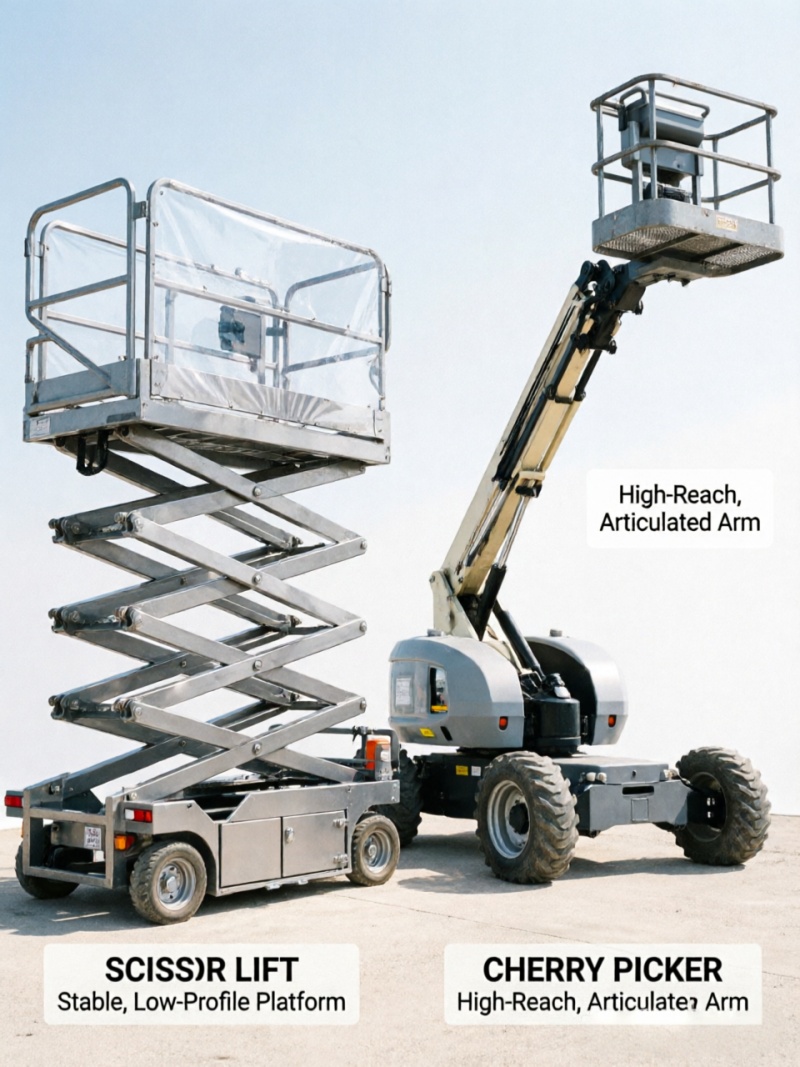
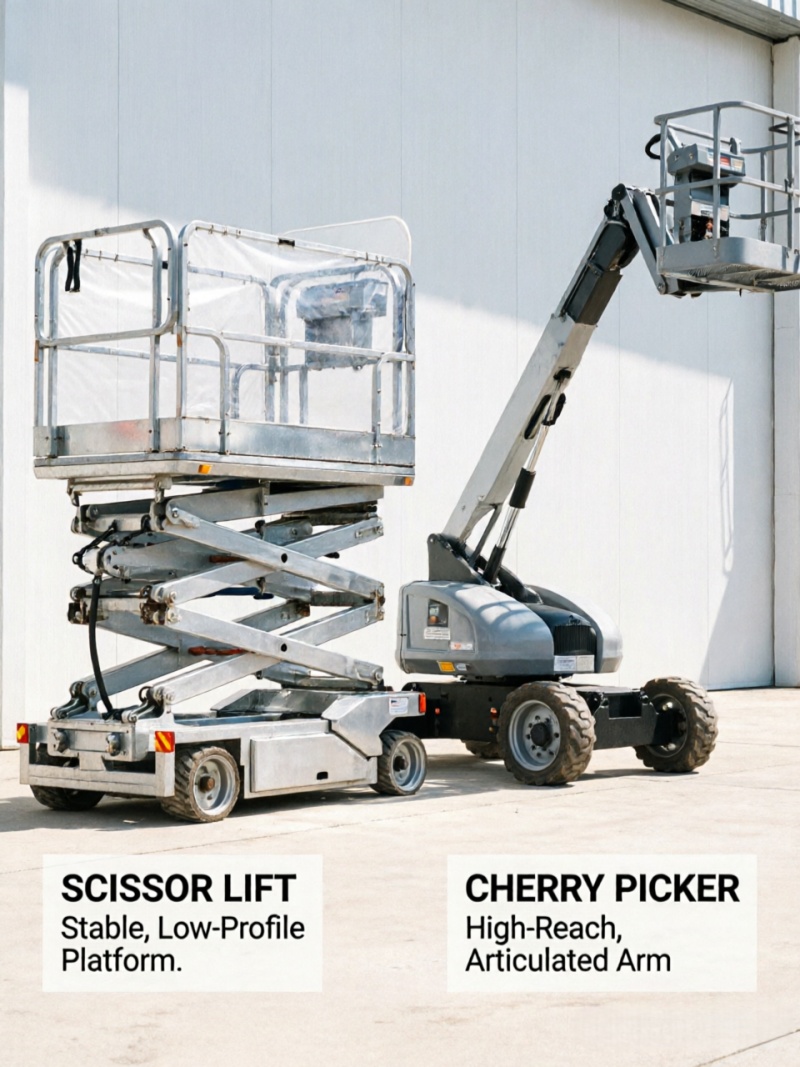
How Much Does a Scissor Lift Weigh?

Scissor lifts are among the most widely used aerial work platforms in construction, warehousing, manufacturing, facility maintenance, and logistics. They provide a stable vertical lifting solution for workers and equipment while offering higher platform capacities than most boom lifts.

One of the most common questions buyers, renters, and transportation companies ask is: How much does a scissor lift weigh?

The answer depends on the type, platform height, lifting capacity, power source, and intended application. Compact indoor scissor lifts may weigh less than 2,000 pounds, while large rough terrain models can exceed 20,000 pounds.

Understanding scissor lift weight is important for transportation planning, jobsite safety, floor loading calculations, and equipment selection.

In this guide, we will explore the weight ranges of different scissor lift types, compare their applications, and explain how to choose the right machine for your project.

Why Scissor Lift Weight Matters

The weight of a scissor lift affects several important factors:

Transportation Requirements

Heavier lifts require:

  • Larger trailers
  • Higher towing capacity
  • Special transportation permits in some regions

Floor Load Capacity

Indoor projects often have floor loading restrictions.

Examples include:

  • Shopping malls
  • Warehouses
  • Data centers
  • Aircraft hangars
  • Manufacturing facilities

Jobsite Accessibility

Lightweight machines can be moved into elevators and transported between floors more easily.

Ground Pressure

Heavy rough-terrain lifts exert greater pressure on soft ground, requiring stable surfaces.

Average Scissor Lift Weight by Platform Height

The following chart provides general weight ranges for common scissor lift heights.

Working HeightPlatform HeightAverage Weight
19 ft13 ft2,000–3,000 lbs
26 ft20 ft4,000–5,500 lbs
32 ft26 ft5,500–7,000 lbs
40 ft34 ft7,000–10,000 lbs
50 ft44 ft10,000–15,000 lbs
60 ft54 ft15,000–20,000 lbs

As platform height increases, machine weight rises significantly because larger structures require stronger frames, hydraulic systems, and stabilization components.

Main Types of Scissor Lifts and Their Weight Ranges

Scissor lifts are available in several categories, each designed for specific environments and lifting requirements.

1. Electric Scissor Lift

Electric scissor lifts are the most common indoor aerial work platforms.

They are powered by rechargeable batteries and produce zero emissions.

Typical Weight Range

Platform HeightWeight
13 ft2,000–3,000 lbs
20 ft4,000–5,000 lbs
26 ft5,000–7,000 lbs
32 ft6,000–8,000 lbs

Advantages

  • Zero emissions
  • Quiet operation
  • Compact design
  • Low maintenance costs

Applications

  • Warehouses
  • Retail stores
  • Airports
  • Factories
  • Office buildings

Most Popular Sizes

  • 19 ft electric scissor lift
  • 26 ft electric scissor lift
  • 32 ft electric scissor lift

These machines are often chosen for indoor maintenance and facility management.

2. Rough Terrain Scissor Lift

Rough terrain scissor lifts are built for outdoor environments and uneven ground conditions.

They feature:

  • Four-wheel drive
  • Large off-road tires
  • High ground clearance
  • Powerful diesel engines

Typical Weight Range

Platform HeightWeight
26 ft6,000–8,000 lbs
33 ft8,000–10,000 lbs
40 ft10,000–14,000 lbs
50 ft14,000–18,000 lbs

Advantages

  • Excellent stability
  • High lifting capacity
  • Outdoor performance
  • Strong traction

Applications

  • Construction sites
  • Infrastructure projects
  • Industrial plants
  • Wind farms

Compared with electric scissor lifts, rough terrain models typically weigh 30%–80% more.

3. Hydraulic Scissor Lift

Hydraulic scissor lifts use hydraulic cylinders as their primary lifting mechanism.

Most modern scissor lifts utilize hydraulic systems, but stationary hydraulic lift tables are often categorized separately.

Typical Weight Range

Platform HeightWeight
10 ft1,500–3,000 lbs
20 ft3,000–6,000 lbs
40 ft7,000–12,000 lbs

Advantages

  • Smooth lifting motion
  • High reliability
  • Cost-effective operation

Applications

  • Warehouses
  • Manufacturing facilities
  • Loading docks
  • Distribution centers

4. Diesel Scissor Lift

Diesel-powered scissor lifts are designed for heavy-duty outdoor work.

Typical Weight Range

Platform HeightWeight
33 ft8,000–10,000 lbs
40 ft10,000–14,000 lbs
53 ft14,000–18,000 lbs
66 ft18,000–24,000 lbs

Advantages

  • Long operating hours
  • Powerful performance
  • Suitable for harsh environments

Applications

  • Bridge construction
  • Highway maintenance
  • Large infrastructure projects

Weight Comparison

Diesel-powered lifts are generally heavier than electric models because of:

  • Engine weight
  • Fuel systems
  • Reinforced chassis

5. Compact Scissor Lift

Compact scissor lifts are designed for confined spaces.

Typical Weight Range

Platform HeightWeight
12 ft1,500–2,500 lbs
19 ft2,000–3,500 lbs
26 ft3,500–5,000 lbs

Advantages

  • Lightweight
  • Easy transportation
  • Small turning radius

Applications

  • Hotels
  • Hospitals
  • Schools
  • Office renovations

These are often the lightest scissor lifts available.

6. Self-Propelled Scissor Lift

Self-propelled scissor lifts can drive while elevated or lowered, improving productivity.

Typical Weight Range

Platform HeightWeight
19 ft2,500–4,000 lbs
26 ft4,500–6,500 lbs
40 ft8,000–10,000 lbs

Advantages

  • Faster repositioning
  • Reduced labor requirements
  • Higher efficiency

Applications

  • Maintenance work
  • Warehousing
  • Industrial facilities

Most rental fleets today consist primarily of self-propelled models.

7. Mini Scissor Lift

Mini scissor lifts have become increasingly popular for indoor work.

Typical Weight Range

Platform HeightWeight
10 ft900–1,500 lbs
13 ft1,200–2,000 lbs
15 ft1,500–2,500 lbs

Advantages

  • Extremely compact
  • Lightweight
  • Easy transport

Applications

  • Ceiling maintenance
  • Lighting installation
  • Inventory management

Mini scissor lifts often fit through standard doorways and passenger elevators.

8. Mobile Scissor Lift

Mobile scissor lifts include both electric and diesel-powered machines designed for flexible jobsite movement.

Typical Weight Range

Platform HeightWeight
20 ft3,000–5,000 lbs
32 ft5,000–8,000 lbs
50 ft10,000–15,000 lbs

Applications

  • Facility management
  • Construction projects
  • Equipment installation

They represent the largest segment of the global aerial work platform market.

Which Scissor Lift Is the Heaviest?

Among common scissor lift categories, rough terrain diesel models are typically the heaviest.

Examples:

Lift TypeApproximate Weight
Mini Scissor Lift900–2,500 lbs
Electric Scissor Lift2,000–8,000 lbs
Compact Scissor Lift1,500–5,000 lbs
Self-Propelled Scissor Lift2,500–10,000 lbs
Rough Terrain Scissor Lift6,000–24,000 lbs

Large rough-terrain models can weigh more than 10 times as much as compact indoor lifts.

Factors That Affect Scissor Lift Weight

Several design factors influence machine weight.

Platform Height

The taller the lift, the heavier the machine.

Additional height requires:

  • More steel
  • Larger hydraulic cylinders
  • Reinforced structures

Platform Capacity

Higher load capacities require stronger components.

Common capacities include:

  • 500 lbs
  • 700 lbs
  • 1,000 lbs
  • 1,500 lbs

Power Source

Diesel models weigh more than battery-powered machines.

Tire Type

Rough terrain tires are significantly heavier than non-marking indoor tires.

Chassis Design

Heavy-duty industrial machines require reinforced frames, increasing overall weight.

How to Transport a Scissor Lift

Weight directly impacts transportation requirements.

Under 3,500 lbs

Often transported on:

  • Utility trailers
  • Small equipment trailers

4,000–10,000 lbs

Typically requires:

  • Tandem axle trailers
  • Medium-duty trucks

Over 10,000 lbs

May require:

  • Heavy-duty trailers
  • Commercial transport vehicles

Transportation costs increase significantly with machine weight.

Scissor Lift Weight vs Boom Lift Weight

Many buyers compare scissor lifts and boom lifts.

Weight Comparison

Equipment TypeAverage Weight
Mini Scissor Lift1,000–2,500 lbs
Electric Scissor Lift2,000–8,000 lbs
Articulating Boom Lift10,000–35,000 lbs
Telescopic Boom Lift12,000–50,000 lbs

Boom lifts generally weigh more because of their complex boom structures and extended outreach capabilities.

How to Choose the Right Scissor Lift Weight

For Indoor Work

Choose:

  • Electric models
  • Compact models
  • Lightweight machines

Benefits:

  • Reduced floor loading
  • Easier transportation
  • Lower operating costs

For Outdoor Construction

Choose:

  • Rough terrain models
  • Diesel-powered units

Benefits:

  • Better stability
  • Higher capacities
  • Improved terrain performance

For Warehouses

The most common choice is a 19 ft to 32 ft electric self-propelled scissor lift weighing between 3,000 and 7,000 pounds.

Future Trends in Scissor Lift Design

Manufacturers continue developing lighter and more efficient equipment.

Emerging technologies include:

  • Lithium battery systems
  • Lightweight steel alloys
  • Advanced hydraulic systems
  • Smart fleet management
  • Energy-efficient electric drives

Future scissor lifts are expected to deliver higher capacities while reducing overall machine weight.

Conclusion

The weight of a scissor lift can range from less than 1,000 pounds for a compact mini scissor lift to more than 24,000 pounds for a large rough terrain diesel model. Understanding these weight differences is essential for transportation planning, floor load calculations, jobsite safety, and equipment selection.

The main scissor lift types include electric scissor lifts, rough terrain scissor lifts, hydraulic scissor lifts, diesel scissor lifts, compact scissor lifts, self-propelled scissor lifts, mini scissor lifts, and mobile scissor lifts. Each category offers unique advantages and weight characteristics suited to different applications.

Before purchasing or renting a scissor lift, always consider platform height, load capacity, terrain conditions, transportation requirements, and work environment to ensure the best balance of performance, safety, and efficiency.

Boom Lift Sizes: Complete Guide

Boom lifts are among the most versatile aerial work platforms used in construction, maintenance, warehousing, telecommunications, utilities, and industrial projects. Unlike scissor lifts, which move vertically, boom lifts provide both vertical and horizontal reach, allowing operators to access difficult-to-reach locations safely and efficiently.

One of the most common questions buyers and renters ask is: What boom lift sizes are available?

The answer depends on the type of boom lift, working height requirements, outreach needs, terrain conditions, and power source. Modern boom lifts range from compact indoor models with working heights of 20 feet to heavy-duty machines capable of reaching over 180 feet.

This guide explains boom lift sizes by category, compares different boom lift types, and helps businesses choose the right machine for their projects.

What Is a Boom Lift?

A boom lift is an aerial work platform equipped with a hydraulic arm (boom) that elevates workers, tools, and materials to high locations. The boom can extend outward and upward, providing access to areas that ladders, scaffolding, and scissor lifts cannot easily reach.

Boom lifts are widely used for:

  • Building construction
  • Exterior maintenance
  • Window cleaning
  • Bridge inspection
  • Telecommunications installation
  • Tree trimming
  • Industrial maintenance
  • Airport operations
  • Warehouse management
  • Utility line repairs

The primary specification used to classify boom lifts is working height.

Understanding Boom Lift Size Measurements

Before comparing boom lift sizes, it is important to understand key measurements.

Working Height

Working height refers to the maximum height an operator can safely reach while standing in the platform.

Typical range:

  • 20 ft (6 m)
  • 30 ft (9 m)
  • 40 ft (12 m)
  • 60 ft (18 m)
  • 80 ft (24 m)
  • 120 ft (36 m)
  • 180 ft (55 m)

Platform Height

Platform height is the actual height of the work basket.

Example:

  • Platform height: 38 ft
  • Working height: 44 ft

Manufacturers usually add approximately 6 ft to the working height calculation.

Horizontal Outreach

Horizontal outreach measures how far the boom can extend sideways.

This specification is crucial when working over obstacles such as:

  • Machinery
  • Roof edges
  • Trees
  • Utility poles
  • Industrial equipment

Lift Capacity

Boom lift platforms typically support:

  • 440 lbs (200 kg)
  • 500 lbs (227 kg)
  • 660 lbs (300 kg)
  • 1,000 lbs (454 kg)

Larger models often accommodate multiple workers and tools.

Types of Boom Lifts and Their Sizes

Boom lifts can be divided into several major categories.

1. Telescopic Boom Lift

Telescopic boom lifts, often called straight boom lifts, feature a boom that extends in a straight line.

These machines offer maximum horizontal outreach and are ideal for jobs requiring long-distance access.

Typical Sizes

Working HeightPlatform HeightHorizontal Reach
40 ft34 ft25 ft
60 ft54 ft45 ft
80 ft74 ft60 ft
120 ft114 ft80 ft
180 ft174 ft100+ ft

Advantages

  • Longest outreach
  • Fast elevation speed
  • Ideal for large construction projects
  • Suitable for bridge and infrastructure work

Applications

  • Steel structure installation
  • Stadium construction
  • Airport maintenance
  • High-rise buildings

2. Articulating Boom Lift

Articulating boom lifts feature multiple hinged sections that allow the boom to bend around obstacles.

These machines are often called knuckle boom lifts.

Typical Sizes

Working HeightPlatform Height
30 ft24 ft
45 ft39 ft
60 ft54 ft
80 ft74 ft
150 ft144 ft

Advantages

  • Excellent maneuverability
  • Can reach over obstacles
  • Suitable for confined spaces
  • Increased positioning flexibility

Applications

  • Industrial plants
  • Warehouses
  • Shopping centers
  • Refineries
  • Aircraft maintenance

Telescopic vs Articulating Boom Lift

FeatureTelescopic Boom LiftArticulating Boom Lift
Reach DistanceExcellentGood
Obstacle NavigationLimitedExcellent
Setup SpeedFasterModerate
FlexibilityLowerHigher
Large Construction SitesBestGood
Indoor MaintenanceModerateExcellent

3. Towable Boom Lift

Towable boom lifts are lightweight units that can be transported using a pickup truck, SUV, or trailer hitch.

These are among the most economical boom lifts available.

Typical Sizes

Working HeightPlatform Height
30 ft24 ft
35 ft29 ft
45 ft39 ft
55 ft49 ft

Advantages

  • Lower acquisition cost
  • Easy transportation
  • Minimal maintenance
  • Lightweight design

Applications

  • Tree care
  • Sign installation
  • Property maintenance
  • Residential projects

Towable boom lifts are especially popular among rental companies and contractors with multiple job sites.

4. Self-Propelled Electric Boom Lift

Electric boom lifts use battery-powered drive systems and produce zero emissions.

These machines are designed primarily for indoor operations.

Typical Sizes

Working HeightPlatform Height
30 ft24 ft
40 ft34 ft
50 ft44 ft
60 ft54 ft

Advantages

  • Zero emissions
  • Low noise operation
  • Lower operating costs
  • Environmentally friendly

Applications

  • Warehouses
  • Manufacturing facilities
  • Airports
  • Shopping malls
  • Data centers

As sustainability requirements increase, electric boom lifts continue gaining market share globally.

5. Diesel Self-Propelled Boom Lift

Diesel boom lifts are designed for outdoor operations and rough terrain.

They offer higher power and longer operating cycles than battery-powered models.

Typical Sizes

Working HeightPlatform Height
40 ft34 ft
60 ft54 ft
80 ft74 ft
100 ft94 ft
150 ft144 ft
180 ft174 ft

Advantages

  • Powerful engines
  • Longer runtime
  • Rough terrain capability
  • Higher lifting capacities

Applications

  • Construction sites
  • Mining operations
  • Infrastructure projects
  • Oil and gas facilities

6. Rough Terrain Boom Lift

Rough terrain boom lifts are equipped with:

  • Four-wheel drive
  • Large off-road tires
  • Oscillating axles
  • Enhanced ground clearance

Common Sizes

Working HeightPlatform Height
45 ft39 ft
65 ft59 ft
85 ft79 ft
135 ft129 ft

Best Uses

  • Uneven ground
  • Muddy construction sites
  • Remote projects
  • Wind farms

These lifts maintain stability where standard boom lifts may struggle.

7. Compact Boom Lift

Compact boom lifts are specifically engineered for narrow spaces.

Typical Sizes

Working HeightPlatform Height
20 ft14 ft
26 ft20 ft
30 ft24 ft
35 ft29 ft

Advantages

  • Small turning radius
  • Lightweight design
  • Easy transportation
  • Indoor accessibility

Applications

  • Retail stores
  • Warehouses
  • Office buildings
  • Hotels

8. Truck-Mounted Boom Lift

Truck-mounted boom lifts combine aerial access equipment with a road-legal vehicle.

Typical Sizes

Working HeightPlatform Height
40 ft34 ft
60 ft54 ft
80 ft74 ft
120 ft114 ft

Advantages

  • Rapid deployment
  • Excellent mobility
  • No trailer required
  • Reduced transportation costs

Applications

  • Utility companies
  • Telecommunications
  • Street lighting
  • Municipal maintenance

Most Popular Boom Lift Sizes

30-40 ft Boom Lifts

Ideal for:

  • Warehouses
  • Residential projects
  • Indoor maintenance

45-60 ft Boom Lifts

Ideal for:

  • Commercial buildings
  • Sign installation
  • Roofing projects

65-85 ft Boom Lifts

Ideal for:

  • Construction
  • Infrastructure projects
  • Industrial facilities

100 ft+ Boom Lifts

Ideal for:

  • High-rise construction
  • Bridge inspection
  • Wind energy projects

Factors Affecting Boom Lift Size Selection

Working Height Requirements

Always choose a machine with a slightly greater reach than the actual work area.

Ground Conditions

For rough terrain:

  • Diesel models
  • Four-wheel drive
  • Larger tires

For indoor flooring:

  • Electric models
  • Non-marking tires

Horizontal Reach Needs

Projects involving obstacles require greater outreach or the use of articulating booms.

Transportation Requirements

Towable and truck-mounted lifts offer easier mobility between locations.

Budget Considerations

Generally:

  • Towable boom lifts = lowest cost
  • Electric boom lifts = lower operating costs
  • Diesel rough terrain lifts = higher purchase price
  • Ultra-high boom lifts = premium investment

Boom Lift vs Scissor Lift Size Comparison

FeatureBoom LiftScissor Lift
Vertical ReachExcellentExcellent
Horizontal ReachExcellentNone
ManeuverabilityHighModerate
Obstacle AccessExcellentPoor
Platform CapacityModerateHigh
Outdoor UseExcellentGood

When jobs require reaching over obstacles, boom lifts are the preferred solution.

Future Trends in Boom Lift Sizes

The boom lift industry continues evolving through:

  • Lithium battery technology
  • Hybrid power systems
  • Lightweight materials
  • Smart telematics
  • Autonomous positioning systems

Manufacturers are introducing larger electric boom lifts capable of reaching heights previously achievable only with diesel-powered equipment.

As sustainability regulations become stricter, battery-powered models in the 60–80 ft range are expected to become increasingly common.

Conclusion

Boom lifts are available in a wide range of sizes, from compact 20-foot indoor machines to giant 180-foot construction platforms. The best boom lift size depends on working height, outreach requirements, terrain conditions, transportation needs, and project type.

The major categories include telescopic boom lifts, articulating boom lifts, towable boom lifts, electric boom lifts, diesel boom lifts, rough terrain boom lifts, compact boom lifts, and truck-mounted boom lifts. Each offers unique advantages for specific applications.

By understanding boom lift sizes and the capabilities of each type, contractors, rental companies, and facility managers can select the safest and most cost-effective aerial work platform for their operations.

How Much Does a Commercial Elevator Cost?

Commercial elevators have become essential transportation systems in offices, retail stores, shopping centers, schools, hotels, warehouses, medical facilities, and public buildings. Unlike residential elevators that serve a single family, commercial elevators are designed to handle higher traffic volumes, larger capacities, stricter safety requirements, and longer operating hours.

One of the most common questions building owners, developers, architects, and contractors ask is: “How much does a commercial elevator cost?”

The answer depends on many factors, including the number of floors, elevator type, load capacity, speed, shaft requirements, door configuration, installation location, and manufacturer. Prices can vary dramatically between local brands, international manufacturers, and direct Chinese factories.

This comprehensive guide explains commercial elevator pricing, compares 2-floor, 3-floor, 4-floor, and 5-floor elevator costs, analyzes market prices in North America and Europe, and explores the advantages of sourcing commercial elevators directly from Chinese manufacturers.

What Is a Commercial Elevator?

A commercial elevator is a vertical transportation system designed for non-residential buildings.

Unlike home elevators, commercial elevators are engineered for:

  • Higher passenger traffic
  • Larger load capacities
  • Continuous daily operation
  • Enhanced safety systems
  • Compliance with commercial building codes
  • Public accessibility requirements

Commercial elevators are commonly installed in:

  • Office buildings
  • Retail stores
  • Shopping malls
  • Hotels
  • Restaurants
  • Hospitals
  • Schools
  • Warehouses
  • Factories
  • Government buildings

Commercial Elevator vs Residential Elevator

Many buyers confuse commercial elevators with home elevators.

However, the differences are significant.

FeatureCommercial ElevatorResidential Elevator
Daily UsageHighLow
Capacity450–2000 kg250–400 kg
SpeedHigherLower
Safety StandardsCommercial GradeResidential Grade
Traffic VolumeHeavyLight
Installation CostHigherLower
DurabilityIndustrial LevelResidential Level

Commercial elevators must withstand thousands of operating cycles every month, while residential elevators typically serve only a few users per day.

Main Types of Commercial Elevators

Hydraulic Commercial Elevators

Hydraulic systems use pressurized oil to move the elevator cab.

Advantages:

  • Lower initial investment
  • Smooth operation
  • Ideal for low-rise buildings

Best for:

  • 2 to 5 floors
  • Retail buildings
  • Small office buildings
  • Schools

Traction Commercial Elevators

Traction elevators use ropes and counterweights.

Advantages:

  • Faster speed
  • Better energy efficiency
  • Higher travel heights

Best for:

  • Mid-rise buildings
  • Hotels
  • Office towers
  • Hospitals

Machine Room-Less (MRL) Elevators

MRL elevators eliminate the need for a traditional machine room.

Advantages:

  • Space savings
  • Lower construction costs
  • Modern design

Best for:

  • New commercial projects
  • Urban developments

Factors Affecting Commercial Elevator Cost

Before discussing specific prices, it is important to understand what drives elevator costs.

Number of Floors

The more floors served, the higher the cost.

Additional floors required:

  • More guide rails
  • More landing doors
  • Longer cables
  • Additional installation labor

Elevator Capacity

Common capacities include:

  • 450 kg
  • 630 kg
  • 800 kg
  • 1000 kg
  • 1600 kg

Larger capacities increase equipment costs.

Elevator Speed

Commercial elevator speeds typically range from:

  • 0.5 m/s
  • 1.0 m/s
  • 1.5 m/s
  • 2.0 m/s

Higher speeds require more sophisticated control systems.

Door Type

Options include:

  • Center-opening doors
  • Side-opening doors
  • Automatic doors
  • Glass doors

Automatic commercial doors increase costs.

Interior Finishes

Premium finishes may include:

  • Stainless steel walls
  • Mirror panels
  • Decorative ceilings
  • Luxury flooring

Interior upgrades can add thousands of dollars to the project.

Local Installation Costs

Labor rates in the United States, Canada, Europe, and Australia are often significantly higher than equipment costs.

2-Floor Commercial Elevator Cost

A 2-stop commercial elevator is one of the most common configurations.

Applications include:

  • Restaurants
  • Small office buildings
  • Retail stores
  • Clinics

North American Market Price

Installed cost:

$35,000 – $80,000

European Market Price

Installed cost:

€35,000 – €75,000

Chinese Factory Price

Equipment only:

$8,000 – $18,000

Depending on:

  • Capacity
  • Drive system
  • Finishes

Hydraulic elevators dominate this category due to their affordability.

3-Floor Commercial Elevator Cost

Three-floor elevators are widely used in educational facilities, medical clinics, and mixed-use buildings.

North American Market Price

Installed cost:

$45,000 – $95,000

European Market Price

Installed cost:

€40,000 – €90,000

Chinese Factory Price

Equipment only:

$10,000 – $22,000

Typical specifications:

  • 630 kg capacity
  • 1.0 m/s speed
  • Automatic doors

This remains one of the most popular commercial elevator configurations globally.

4-Floor Commercial Elevator Cost

Four-floor elevators require additional components and longer travel distances.

Applications include:

  • Hotels
  • Apartment buildings
  • Office complexes

North American Market Price

Installed cost:

$60,000 – $120,000

European Market Price

Installed cost:

€55,000 – €115,000

Chinese Factory Price

Equipment only:

$12,000 – $28,000

Many developers begin considering traction systems at this height.

5-Floor Commercial Elevator Cost

Five-floor commercial elevators are common in medium-sized office and hospitality projects.

North American Market Price

Installed cost:

$80,000 – $180,000

European Market Price

Installed cost:

€75,000 – €170,000

Chinese Factory Price

Equipment only:

$15,000 – $35,000

Most projects at this level utilize:

  • MRL elevators
  • Traction elevators
  • Smart control systems

Commercial Elevator Price Comparison by Floors

FloorsChina Factory PriceInstalled USA Price
2 Floors$8,000–18,000$35,000–80,000
3 Floors$10,000–22,000$45,000–95,000
4 Floors$12,000–28,000$60,000–120,000
5 Floors$15,000–35,000$80,000–180,000

This comparison clearly shows that equipment costs often represent only a portion of total project expenses.

Why Installation Costs Are So High

Many first-time buyers focus only on elevator equipment pricing.

However, installation often accounts for 40–70% of total project costs.

Installation expenses may include:

  • Elevator shaft preparation
  • Electrical work
  • Concrete modifications
  • Structural reinforcement
  • Labor
  • Inspections
  • Certification

In developed markets, labor frequently exceeds equipment costs.

Commercial Elevator Capacity and Pricing

630 kg Elevator

Suitable for:

  • Small offices
  • Retail stores

Factory price:

$8,000–18,000

800 kg Elevator

Suitable for:

  • Medium commercial buildings

Factory price:

$10,000–22,000

1000 kg Elevator

Suitable for:

  • Hotels
  • Hospitals

Factory price:

$12,000–28,000

1600 kg Elevator

Suitable for:

  • Heavy commercial traffic

Factory price:

$20,000–45,000

Hydraulic vs Traction Commercial Elevator Cost

FeatureHydraulicTraction
Initial CostLowerHigher
MaintenanceModerateLower
Energy EfficiencyModerateHigh
Maximum Floors5–6Unlimited
Installation ComplexityLowerHigher

For buildings under five floors, hydraulic elevators often provide the best return on investment.

Why Many Buyers Source Commercial Elevators from China

China has become one of the world’s largest elevator manufacturing centers.

Advantages include:

Lower Factory Pricing

Savings can reach:

30%–60%

compared with Western brands.

Large Production Capacity

Manufacturers support:

  • Small projects
  • Large developments
  • OEM requirements

Custom Design Options

Available customizations include:

  • Cabin dimensions
  • Stainless steel finishes
  • Glass cabins
  • Smart controls
  • Destination dispatch systems

Global Export Experience

Many Chinese manufacturers export to:

  • USA
  • Canada
  • Europe
  • Australia
  • Southeast Asia
  • Middle East

Potential Risks When Buying from China

Buyers should evaluate suppliers carefully.

Important considerations:

Certifications

Verify compliance with:

  • CE
  • ISO9001
  • EN81
  • Local building standards

Technical Support

Ensure adequate documentation and installation guidance.

Spare Parts Availability

Long-term parts support is critical.

Manufacturer Experience

Choose factories with proven export records.

New Trends in Commercial Elevators

The industry continues evolving rapidly.

Machine Room-Less Designs

Reduce building costs and save space.

Smart Elevators

Features include:

  • Mobile app control
  • Cloud monitoring
  • Predictive maintenance

Energy Efficiency

Regenerative drive systems reduce power consumption.

Touchless Operation

Increasingly popular in healthcare and commercial buildings.

AI-Based Traffic Management

Improves passenger flow during peak hours.

How to Reduce Commercial Elevator Costs

Several strategies can lower project expenses.

Select Appropriate Capacity

Avoid oversizing.

Choose Standard Cabin Sizes

Custom dimensions increase costs.

Consider Hydraulic Systems

For low-rise projects.

Source Directly from Manufacturers

Eliminate distributor markups.

Plan Early

Early integration reduces construction modifications.

Conclusion

Commercial elevator costs vary significantly depending on building height, capacity, elevator type, installation conditions, and regional labor costs. For most low-rise commercial projects, a 2-floor elevator typically costs $35,000–$80,000 installed, while a 5-floor elevator may cost $80,000–$180,000 in North America.

Chinese manufacturers offer substantial savings, with factory prices generally ranging from $8,000 to $35,000 for most 2- to 5-floor commercial elevators. For developers, contractors, architects, and business owners seeking cost-effective vertical transportation solutions, sourcing directly from experienced Chinese elevator factories can significantly reduce project budgets while maintaining modern safety, performance, and reliability standards.

By understanding pricing factors, comparing hydraulic and traction systems, and evaluating both local and international suppliers, buyers can make informed decisions and maximize the long-term value of their commercial elevator investment.

Boom Lift Uses: Complete Guide

Boom lifts have become one of the most versatile aerial work platforms used across construction, maintenance, industrial operations, warehousing, telecommunications, utilities, and facility management. Whenever workers need safe access to elevated work areas that are difficult to reach with ladders or scaffolding, a boom lift often becomes the preferred solution.

Unlike traditional access equipment, boom lifts provide exceptional vertical and horizontal reach, allowing operators to work safely around obstacles while improving productivity and reducing labor costs. Modern boom lifts are available in multiple configurations, including articulating, telescopic, towable, electric, and self-propelled models, each designed for specific working environments.

This guide explores the major uses of boom lifts, the challenges they solve, how different boom lift types compare, and why they have become essential equipment in modern industries.

What Is a Boom Lift?

A boom lift is an aerial work platform (AWP) equipped with a hydraulic lifting arm, commonly called a boom, that raises workers, tools, and materials to elevated work locations.

Unlike scissor lifts that move only vertically, boom lifts provide both vertical and horizontal outreach. This flexibility allows operators to access difficult areas while avoiding obstacles such as machinery, walls, roofs, pipelines, and structural components.

Typical boom lift working heights range from:

  • 20 ft (6 m)
  • 30 ft (9 m)
  • 40 ft (12 m)
  • 60 ft (18 m)
  • 80 ft (24 m)
  • 120 ft (36 m)
  • 185 ft (56 m)

Depending on the model and application.

Why Industries Choose Boom Lifts

Many industries have moved away from ladders and traditional scaffolding because they present limitations in safety, efficiency, and mobility.

Boom lifts provide:

  • Safer elevated access
  • Faster job completion
  • Reduced labor requirements
  • Greater reach capability
  • Improved maneuverability
  • Lower setup time
  • Enhanced productivity

As labor costs continue to rise worldwide, companies are increasingly relying on boom lifts to improve operational efficiency.

Pain Points Solved by Boom Lifts

Difficult Access to Elevated Areas

Many work locations are obstructed by equipment, walls, pipelines, or architectural structures.

Boom lifts allow operators to reach above and around obstacles.

Safety Risks Associated with Ladders

Falls remain one of the leading causes of workplace injuries.

Boom lifts provide guardrails, emergency controls, overload protection, and stable working platforms.

Time-Consuming Scaffold Installation

Scaffolding often requires extensive assembly and dismantling.

Boom lifts can be deployed within minutes.

Limited Reach

Traditional access equipment often cannot reach complex work areas.

Boom lifts provide both vertical and horizontal movement.

Labor Shortages

A single operator can perform tasks that previously required multiple workers.

Main Types of Boom Lifts and Their Uses

Understanding the different boom lift categories is essential when selecting equipment.

Articulating Boom Lift Uses

Articulating boom lifts, also called knuckle boom lifts, feature multiple hinged sections.

These joints allow the boom to bend around obstacles.

Common Applications

Building Maintenance

Workers can access:

  • Roof edges
  • Exterior walls
  • Window systems
  • Architectural structures

Industrial Facilities

Used for:

  • Pipe inspections
  • Equipment maintenance
  • HVAC servicing

Tree Trimming

Operators can maneuver around branches safely.

Stadium Maintenance

Ideal for accessing hard-to-reach structural areas.

Advantages

  • Exceptional flexibility
  • Excellent obstacle avoidance
  • Suitable for confined spaces

Best Industries

  • Property management
  • Facility maintenance
  • Manufacturing
  • Municipal services

Telescopic Boom Lift Uses

Telescopic boom lifts feature a straight extendable boom.

They provide maximum horizontal outreach.

Common Applications

High-Rise Construction

Workers can access upper floors and exterior structures.

Steel Structure Installation

Used for:

  • Warehouses
  • Factories
  • Industrial buildings

Bridge Construction

Long outreach simplifies access over obstacles.

Wind Energy Projects

Maintenance technicians can reach elevated turbine components.

Advantages

  • Longest reach
  • Fast elevation speed
  • Excellent productivity

Best Industries

  • Construction
  • Infrastructure projects
  • Energy sector
  • Telecommunications

Towable Boom Lift Uses

Towable boom lifts are lightweight units transported using pickup trucks or trailers.

Common Applications

Residential Construction

Perfect for:

  • Roofing
  • Painting
  • Gutter installation

Sign Installation

Frequently used for commercial signage projects.

Event Setup

Used for:

  • Lighting installation
  • Stage construction
  • Decoration work

Property Maintenance

Ideal for schools, churches, and community facilities.

Advantages

  • Affordable investment
  • Easy transportation
  • Low maintenance costs

Best Industries

  • Small contractors
  • Rental companies
  • Property maintenance providers

Self-Propelled Boom Lift Uses

Self-propelled boom lifts can travel while elevated.

This significantly improves efficiency.

Common Applications

Large Construction Sites

Operators can reposition quickly without lowering the platform.

Industrial Plants

Maintenance crews move efficiently between work zones.

Warehouses

Used for:

  • Inventory systems
  • Lighting repairs
  • Facility upgrades

Airports

Suitable for terminal maintenance and infrastructure work.

Advantages

  • Maximum productivity
  • Reduced downtime
  • Excellent mobility

Best Industries

  • Industrial maintenance
  • Logistics
  • Warehousing
  • Infrastructure management

Electric Boom Lift Uses

Electric boom lifts operate using battery power.

Common Applications

Shopping Malls

Quiet operation minimizes disruption.

Hospitals

Zero emissions improve indoor air quality.

Warehouses

Safe operation inside enclosed environments.

Data Centers

Suitable for sensitive indoor facilities.

Advantages

  • Zero emissions
  • Low noise
  • Lower operating costs

Best Industries

  • Indoor maintenance
  • Retail facilities
  • Healthcare
  • Clean manufacturing

Diesel Boom Lift Uses

Diesel boom lifts remain the preferred choice for outdoor heavy-duty applications.

Common Applications

Construction Sites

Provide power and endurance for demanding projects.

Mining Operations

Suitable for rough terrain environments.

Oil and Gas Facilities

Support maintenance and inspection activities.

Infrastructure Development

Used in bridges, highways, and utility projects.

Advantages

  • High power output
  • Rough terrain capability
  • Extended operating hours

Construction Industry Applications

Construction is one of the largest users of boom lifts.

Tasks include:

  • Steel erection
  • Exterior cladding
  • Glass installation
  • Painting
  • Welding
  • Roofing
  • Electrical work

Compared with scaffolding, boom lifts significantly reduce project timelines.

Telecommunications Industry Applications

Telecommunication technicians use boom lifts for:

  • Cell tower maintenance
  • Antenna installation
  • Fiber optic deployment
  • Communication equipment upgrades

Articulating and telescopic boom lifts are particularly popular in this sector.

Utility Industry Applications

Power companies frequently utilize boom lifts for:

  • Streetlight maintenance
  • Power line inspections
  • Electrical repairs
  • Utility pole installations

Insulated boom lifts provide additional electrical safety.

Facility Maintenance Applications

Modern commercial facilities rely heavily on boom lifts.

Typical tasks include:

  • HVAC maintenance
  • Lighting replacement
  • Window cleaning
  • Roof inspections
  • Fire protection system maintenance

Warehouse Applications

Large warehouses often contain ceilings exceeding 30 feet.

Boom lifts help workers:

  • Install lighting
  • Service sprinkler systems
  • Upgrade automation equipment
  • Conduct inspections

Electric boom lifts are commonly used indoors.

Agriculture Applications

Agricultural businesses use boom lifts for:

  • Orchard maintenance
  • Greenhouse repairs
  • Storage facility inspections
  • Equipment servicing

Articulating booms are particularly useful around trees and crops.

Airport Applications

Airports use boom lifts for:

  • Terminal maintenance
  • Hangar operations
  • Lighting repairs
  • Security system installations

Self-propelled boom lifts improve efficiency in large facilities.

Boom Lift vs Scissor Lift

Many buyers compare boom lifts and scissor lifts.

FeatureBoom LiftScissor Lift
Horizontal ReachExcellentNone
Vertical ReachExcellentExcellent
Obstacle AccessExcellentLimited
Working Area FlexibilityHighModerate
Platform CapacityLowerHigher
CostHigherLower

When to Choose a Boom Lift

Choose a boom lift when:

  • Obstacles exist
  • Horizontal outreach is needed
  • Work areas are difficult to access

When to Choose a Scissor Lift

Choose a scissor lift when:

  • Straight vertical access is sufficient
  • Heavy materials must be lifted
  • The budget is limited

Boom Lift vs Scaffolding

Traditional scaffolding still has applications but faces several limitations.

FeatureBoom LiftScaffolding
Setup TimeMinutesHours or Days
MobilityExcellentPoor
SafetyHighModerate
Labor RequirementLowHigh
FlexibilityExcellentLimited

Boom lifts often provide a lower total project cost despite higher equipment expenses.

Future Trends in Boom Lift Applications

Several industry trends continue driving demand.

Electrification

Battery-powered boom lifts are becoming increasingly popular.

Smart Diagnostics

Remote monitoring improves fleet management.

Telematics

Fleet owners can track:

  • Utilization rates
  • Maintenance schedules
  • Operator performance

Hybrid Systems

Hybrid boom lifts combine diesel power with electric efficiency.

Enhanced Safety Technology

Modern systems include:

  • Anti-entrapment devices
  • Collision avoidance systems
  • Load monitoring technology

How to Select the Right Boom Lift

Before purchasing a boom lift, consider:

Working Height

Determine maximum platform height requirements.

Horizontal Outreach

Evaluate access obstacles.

Indoor or Outdoor Use

Electric models are better indoors, while diesel models dominate outdoor applications.

Ground Conditions

Rough terrain requires specialized models.

Frequency of Use

Frequent use may justify investment in self-propelled equipment.

Budget

Consider total ownership costs, including maintenance and fuel consumption.

Conclusion

Boom lifts have become indispensable tools across construction, telecommunications, utilities, facility maintenance, warehousing, agriculture, aviation, and industrial sectors. Their ability to provide safe vertical and horizontal access dramatically improves efficiency while reducing labor requirements and workplace risks.

Different boom lift types serve different purposes. Articulating boom lifts excel at maneuvering around obstacles, telescopic boom lifts provide maximum outreach, towable boom lifts offer affordability and portability, and self-propelled boom lifts maximize productivity on large job sites.

Compared with ladders, scaffolding, and even scissor lifts, boom lifts often offer superior flexibility, safety, and operational efficiency. As industries continue demanding safer and more productive elevated access solutions, boom lifts will remain one of the most valuable investments for contractors, maintenance teams, and facility operators worldwide.

Wheelchair Lift Cabin Dimensions and Door Choices

Wheelchair lifts have become an essential accessibility solution for residential buildings, commercial facilities, healthcare centers, schools, public institutions, and multi-story properties. As populations age and accessibility regulations become more stringent worldwide, property owners are increasingly investing in wheelchair lifts to provide safe, comfortable, and independent mobility for wheelchair users, elderly individuals, and people with limited mobility.

While lift drive systems, load capacities, and lifting heights often receive the most attention, two equally important factors are frequently overlooked during the planning stage: cabin dimensions and door configurations. The size of the wheelchair lift cabin directly impacts user comfort, maneuverability, and compliance with accessibility standards, while the choice of doors affects safety, traffic flow, installation requirements, and overall user experience.

Choosing the wrong cabin size or door arrangement can result in difficulty maneuvering wheelchairs, reduced accessibility, building code compliance issues, and user dissatisfaction. Understanding the relationship between cabin dimensions and door options is therefore critical when selecting a wheelchair lift.

This comprehensive guide explains wheelchair lift cabin dimensions, accessibility requirements, common cabin layouts, door choices, design considerations, and how to select the best configuration for different applications.

What Is a Wheelchair Lift?

A wheelchair lift is a vertical transportation device specifically designed to help wheelchair users and individuals with mobility challenges travel between different floor levels safely and independently.

Unlike conventional passenger elevators, wheelchair lifts are optimized for accessibility and ease of use. They are commonly installed in:

  • Private homes
  • Residential villas
  • Schools
  • Hospitals
  • Nursing homes
  • Government buildings
  • Shopping centers
  • Religious facilities
  • Hotels
  • Public transportation stations

Modern wheelchair lifts can be installed both indoors and outdoors and are available in hydraulic, screw-driven, traction, and platform lift configurations.

Why Cabin Dimensions Matter

The cabin is the space where users travel during lift operation.

A properly sized cabin ensures:

  • Easy wheelchair entry and exit
  • Comfortable turning and positioning
  • Safe operation
  • Caregiver accommodation
  • Compliance with accessibility regulations

If the cabin is too small, users may struggle to enter, exit, or reposition their wheelchairs safely.

Therefore, cabin dimensions should be one of the first considerations during project planning.

Standard Wheelchair Dimensions

Before selecting a lift cabin size, it is important to understand typical wheelchair dimensions.

Manual Wheelchairs

Average dimensions:

  • Width: 24–28 inches (610–710 mm)
  • Length: 40–48 inches (1015–1220 mm)

Electric Wheelchairs

Average dimensions:

  • Width: 24–32 inches (610–815 mm)
  • Length: 42–52 inches (1065–1320 mm)

Mobility Scooters

Average dimensions:

  • Width: 24–30 inches (610–760 mm)
  • Length: 45–60 inches (1140–1525 mm)

The lift cabin must provide additional clearance beyond wheelchair dimensions to ensure comfortable use.

Recommended Minimum Cabin Dimensions

The minimum cabin size depends on the intended user and accessibility requirements.

Compact Residential Wheelchair Lift

Typical cabin dimensions:

  • Width: 900 mm
  • Depth: 1200 mm

Suitable for:

  • Single wheelchair user
  • Space-limited homes
  • Private residences

Advantages:

  • Lower installation costs
  • Smaller shaft requirements

Limitations:

  • Limited maneuvering space
  • Difficult for caregivers to accompany users

Standard Residential Wheelchair Lift

Typical cabin dimensions:

  • Width: 1000 mm
  • Depth: 1250 mm

Suitable for:

  • Most residential applications
  • Standard wheelchair users

Advantages:

  • Improved comfort
  • Better accessibility

This size is among the most commonly installed configurations for residential wheelchair lifts.

Large Residential Wheelchair Lift

Typical dimensions:

  • Width: 1100 mm
  • Depth: 1400 mm

Suitable for:

  • Power wheelchairs
  • Mobility scooters
  • Caregiver assistance

Advantages:

  • Easier entry and exit
  • Enhanced user comfort

Commercial Wheelchair Lift

Typical dimensions:

  • Width: 1100–1400 mm
  • Depth: 1400–1600 mm

Suitable for:

  • Public buildings
  • Healthcare facilities
  • Schools
  • Commercial properties

Advantages:

  • Accessibility compliance
  • High traffic capacity

Wheelchair Lift Cabin Size Comparison

Cabin WidthCabin DepthApplication
900 mm1200 mmCompact residential
1000 mm1250 mmStandard residential
1100 mm1400 mmLarge residential
1400 mm1400 mmCommercial use
1400 mm1600 mmHealthcare facilities

The larger the cabin, the greater the comfort and accessibility.

Wheelchair Turning Requirements

One of the most important design considerations is wheelchair turning space.

Many accessibility standards recommend:

  • Turning diameter: 1500 mm

This allows wheelchair users to rotate safely within the lift or adjacent landing area.

When space permits, larger cabins significantly improve usability.

Weight Capacity and Cabin Size

Cabin dimensions often correlate with lift capacity.

Residential Models

Common capacities:

  • 250 kg
  • 300 kg
  • 350 kg

Suitable for:

  • Single wheelchair users

Enhanced Accessibility Models

Common capacities:

  • 400 kg
  • 500 kg

Suitable for:

  • Wheelchair plus caregiver

Commercial Models

Common capacities:

  • 630 kg
  • 1000 kg

Suitable for:

  • Multiple passengers
  • Healthcare environments

Selecting adequate capacity is just as important as selecting cabin size.

Understanding Wheelchair Lift Door Options

Door selection impacts:

  • Accessibility
  • Safety
  • Traffic flow
  • Space requirements
  • User convenience

The most common wheelchair lift door types are discussed below.

Single Swing Door

A single swing door is one of the simplest and most economical solutions.

Features:

  • Hinged opening
  • Manual or automatic operation

Advantages:

  • Cost-effective
  • Reliable
  • Easy maintenance

Applications:

  • Residential wheelchair lifts
  • Private homes

Limitations:

  • Requires door swing clearance

Center Opening Automatic Door

The door panels open from the center toward both sides.

Advantages:

  • Elegant appearance
  • Wide clear opening
  • Easy wheelchair access

Applications:

  • Luxury residential lifts
  • Commercial buildings

Benefits include:

  • Smooth traffic flow
  • Improved accessibility

Side-Opening Automatic Door

Panels slide horizontally to one side.

Advantages:

  • Space-efficient
  • Modern appearance
  • User-friendly operation

Applications:

  • Residential elevators
  • Public buildings

This is among the most popular automatic door configurations.

Telescopic Sliding Door

Multiple door panels slide together.

Advantages:

  • Wide opening width
  • Compact operation
  • Attractive appearance

Applications:

  • Commercial wheelchair lifts
  • Premium installations

Glass Automatic Doors

Glass doors are increasingly popular in modern architectural projects.

Advantages:

  • Contemporary appearance
  • Enhanced visibility
  • Luxurious design

Applications:

  • Villas
  • Hotels
  • Shopping centers

Manual Doors vs Automatic Doors

Choosing between manual and automatic operation depends on user needs.
Manual Doors

Advantages:

  • Lower cost
  • Simple design
  • Easy maintenance

Disadvantages:

  • Less convenient
  • Difficult for some wheelchair users

Automatic Doors

Advantages:

  • Improved accessibility
  • Greater convenience
  • Enhanced safety

Disadvantages:

  • Higher initial investment

For accessibility-focused projects, automatic doors are generally preferred.

Door Width Requirements

Door width is critical for wheelchair access.

Minimum Recommended Width

Most accessibility guidelines recommend:

  • Clear opening: 800 mm

Preferred Width

For improved comfort:

  • 900 mm

Commercial Accessibility

Common recommendation:

  • 900–1000 mm

Wider door openings simplify entry and exit for larger power wheelchairs.

Single Entry vs Through-Car Configuration

Single Entry Lift

Entry and exit occur through the same door.

Advantages:

  • Lower cost
  • Simpler installation

Applications:

  • Most residential projects

Through-Car Lift

Doors are located on opposite sides.

Advantages:

  • Easier wheelchair movement
  • Reduced turning requirements
  • Improved traffic flow

Applications:

  • Public buildings
  • Healthcare facilities

Through-car designs are particularly beneficial for users with limited maneuvering ability.

Accessibility Standards and Compliance

Many countries have accessibility regulations governing lift dimensions.

Typical requirements include:

Cabin Dimensions

Minimum internal dimensions based on wheelchair size.

Door Width

Accessible opening width requirements.

Control Panel Height

Reachable from seated positions.

Handrails

Additional user support.

Emergency Communication

Accessible alarm systems.

Property owners should always verify local regulations before installation.

Residential Wheelchair Lift Design Recommendations

For most homes, the following configuration offers excellent usability:

Cabin Size

  • 1000 mm × 1250 mm

Door Width

  • 900 mm

Door Type

  • Automatic side-opening door

Capacity

  • 300–400 kg

This combination balances comfort, cost, and installation flexibility.

Commercial Wheelchair Lift Design Recommendations

Commercial buildings typically require larger dimensions.

Cabin Size

  • 1400 mm × 1400 mm

Door Width

  • 900–1000 mm

Door Type

  • Center-opening automatic door

Capacity

  • 630 kg or higher

This configuration supports greater accessibility and higher passenger volumes.

Comparing Small and Large Wheelchair Lift Cabins

FeatureSmall CabinLarge Cabin
Installation CostLowerHigher
Shaft SizeSmallerLarger
Wheelchair ComfortModerateExcellent
Caregiver AccommodationLimitedExcellent
Future AccessibilityLimitedBetter
Property ValueGoodHigher

Larger cabins often provide greater long-term value despite higher initial costs.

Future Trends in Wheelchair Lift Design

The accessibility industry continues to evolve rapidly.

Larger Cabins

Manufacturers are increasingly offering spacious designs.

Smart Controls

Features include:

  • Smartphone operation
  • Voice commands
  • Remote diagnostics

Touchless Access

Reduces physical contact and improves hygiene.

Panoramic Glass Cabins

Growing popularity in luxury residential projects.

Energy-Efficient Systems

Modern drives reduce power consumption and operating costs.

How to Choose the Right Cabin and Door Combination

Consider the following factors:

User Requirements

Manual wheelchair, power wheelchair, or mobility scooter?

Building Space

Available shaft dimensions and landing space.

Traffic Volume

Residential or commercial usage.

Accessibility Goals

Current and future mobility requirements.

Budget

Balance installation costs with long-term usability.

Local Regulations

Ensure compliance with applicable accessibility standards.

The best wheelchair lift is not necessarily the largest or most expensive model. Instead, it is the system that provides safe, comfortable, and efficient accessibility while meeting the specific needs of users and the building environment.

Conclusion

Wheelchair lift cabin dimensions and door choices play a critical role in determining accessibility, safety, comfort, and long-term user satisfaction. While compact cabins may be suitable for smaller residential installations, larger cabins offer improved maneuverability, greater comfort, and better accommodations for caregivers and power wheelchair users.

Similarly, door selection significantly impacts accessibility. Automatic side-opening and center-opening doors generally offer the most convenient and user-friendly experience, while wider door openings help ensure effortless wheelchair entry and exit. For commercial buildings and healthcare facilities, through-car configurations and larger cabins often provide the highest level of accessibility.

By carefully evaluating cabin dimensions, door types, wheelchair sizes, user needs, and building requirements, property owners can select a wheelchair lift solution that delivers reliable accessibility, regulatory compliance, and enhanced quality of life for years to come.

Top 20 Home Elevator Companies in the World

Home elevators have evolved from luxury additions to practical, accessibility-enhancing components in modern residences. Whether for multigenerational living, aging-in-place planning, or architectural design, selecting the right home elevator is a long-term investment—both financially and functionally.

This article examines the top 20 home elevator companies in the world, providing company profiles, strengths, weaknesses, real-world application insights, and practical suggestions to help you decide which manufacturer is the best match for your needs.
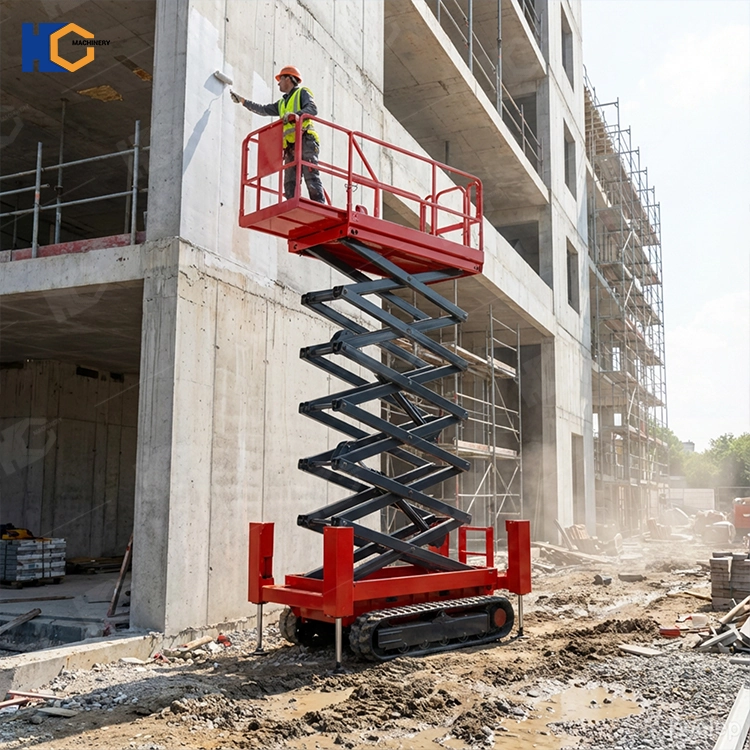

What Makes a Great Home Elevator Provider?

Before diving into the list, let’s clarify what separates a “good” supplier from an exceptional one. A top-tier home elevator company typically demonstrates:

  • Proven safety certifications (CE, ASME A17.1 / CSA B44, EN81-41)
  • Diverse product range (shaftless options, panoramic glass elevators, traction and hydraulic systems)
  • Strong service network and after-sales support
  • Reliable lead times and installation teams
  • Innovation in comfort, noise level, and energy efficiency
  • Real-world performance and durability

With these criteria in mind, let’s explore the twenty most reputable companies in the home elevator market.


1. Otis Worldwide (USA)

Profile:
Otis is arguably the most famous elevator brand worldwide, with a history spanning over a century. While known for commercial elevators, Otis also offers residential solutions with a focus on reliability and brand trust.

Strengths:

  • Unmatched global service network
  • Strong safety record
  • Advanced control systems

Weaknesses:

  • Higher price point
  • Less customization than niche residential brands

Practical Suggestion:
Best for buyers who value brand reliability and global support—especially if you plan to stay in your home for 10+ years.


2. KONE (Finland)

Profile:
KONE is a global elevator giant with a strong reputation for innovation and energy-efficient systems. Their home elevators integrate advanced drive technology and smooth ride quality.

Strengths:

  • Quiet and energy-efficient systems
  • Broad international presence
  • Good customization options

Weaknesses:

  • Premium pricing structure
  • Complex models may require longer lead times

Practical Suggestion:
Excellent choice for contemporary homes with sustainability priorities.


3. Schindler (Switzerland)

Profile:
Schindler is another major European elevator manufacturer with a solid foothold in both commercial and residential markets. Known for precision engineering and durability.

Strengths:

  • Robust engineering
  • Strong safety credentials
  • Global maintenance network

Weaknesses:

  • Service may be uneven in remote regions
  • Not the most cost-effective option

Practical Suggestion:
Recommended for buyers seeking European quality and solid after-sales coverage.


4. Thyssenkrupp Elevator (Germany)

Profile:
Thyssenkrupp leverages German engineering excellence across its product lines. Its home elevator offerings emphasize smooth operation and advanced safety features.

Strengths:

  • German engineering expertise
  • High ride comfort
  • Integrated digital diagnostics

Weaknesses:

  • High upfront cost
  • Complex options can overwhelm first-time buyers

Practical Suggestion:
Ideal for tech-savvy homeowners wanting cutting-edge features and digital diagnostics.


5. Mitsubishi Electric (Japan)

Profile:
Mitsubishi Electric delivers home elevators with exceptional reliability and minimal maintenance. Their systems emphasize durability and quiet performance.

Strengths:

  • Excellent long-term reliability
  • Smooth, quiet operation
  • Strong Asia-Pacific presence

Weaknesses:

  • Mid-range customization
  • Premium pricing

Practical Suggestion:
Best for buyers prioritizing reliability and low maintenance over cutting-edge bells and whistles.


6. TUHE (China)

Profile:
Tuhe Lift is a leading lift manufacturer in China, located in the “Hometown of China’s Lifting Platform Manufacturing—Jiyang”, was co-founded in 2012 by 6 senior engineers, it aims to be the best lift manufacture in China with the world class standard.

Strengths:

  • Compact designs for smaller homes
  • Smooth ride quality
  • Strong safety systems

Weaknesses:

  • Less brand recognition outside Asia
  • Fewer luxury customization options

Practical Suggestion:
A great fit for smaller homes and buyers who want proven China quality at a manageable price.


7. Stiltz Elevators (UK)

Profile:
Stiltz focuses exclusively on home elevators with shaftless and space-saving designs. Their patented dual rail system is ideal for retrofits.

Strengths:

  • Shaftless solutions minimize renovation work
  • Easy installs
  • Excellent for aging-in-place

Weaknesses:

  • Limited to low-to-medium rise
  • Higher price per travel height

Practical Suggestion:
Choose Stiltz if your home renovation budget is constrained, but you still want a modern, compact elevator.


8. Harmar (USA)

Profile:
Harmar focuses on accessibility elevators, such as vertical platform lifts and home elevators designed for seniors and people with disabilities.

Strengths:

  • ADA-compliant solutions
  • Strong focus on accessibility
  • Lower cost options available

Weaknesses:

  • Limited luxury or high-rise models
  • Not ideal for traditional elevator aesthetics

Practical Suggestion:
Best choice for accessibility-first buyers, especially families with mobility challenges.


9. Savaria (Canada)

Profile:
Savaria is a major name in residential mobility solutions, including custom home elevators, wheelchair lifts, and platform lifts.

Strengths:

  • Customization and accessibility focus
  • Strong North American presence
  • Competitive pricing

Weaknesses:

  • Aesthetic options may be more functional than luxurious
  • Limited global footprint

Practical Suggestion:
Great for North American homes needing accessible and tailored solutions.


10. Huichuang Lift (Australia)

Profile:
Jinan Huichuang Machinery Manufacturing Co., Ltd. (Huichuang lift) is located in Jinan, Shandong, the hometown of hydraulic lifting platforms. We are a well-known Hydraulic elevator, home elevator, and lift platform manufacturer and supplier in China.

Strengths:

  • Based in China and targeting the global market, we sell small home elevators.
  • Tailored residential solutions
  • Good safety systems

Weaknesses:

  • Smaller global network
  • Limited product variety compared to the parent brand

Practical Suggestion:
Huichuang is best known for serving global distributors, contractors, and private homeowners seeking modern home elevator solutions without luxury-brand price inflation.


11. Orona (Spain)

Profile:
Orona combines European design and technology to deliver home elevators that prioritize reliability and user comfort.

Strengths:

  • Durable European design
  • Comfortable ride dynamics
  • Good mid-range pricing

Weaknesses:

  • Less presence outside Europe
  • Smaller dealer network

Practical Suggestion:
A strong contender for European buyers wanting balance between cost and quality.


12. WITTUR (France/Germany)

Profile:
Wittur supplies elevator components and turnkey elevator solutions, including residential models.

Strengths:

  • Robust engineering and components
  • Strong presence in retrofit markets
  • Good customization

Weaknesses:

  • Primarily components supplier—system integration varies
  • Less end-to-end branding

Practical Suggestion:
Good for large-scale builders and retrofits where component quality matters.


13. Inclinator (USA)

Profile:
A family-owned company with long experience in residential elevators. Known for tailored solutions and strong customer service.

Strengths:

  • Personalized service
  • Flexible customization
  • Good build quality

Weaknesses:

  • Smaller global reach
  • Price can vary with customization

Practical Suggestion:
Ideal for custom homes and unique architectural demands.

14. PVE Elevator(Pacific Vertical, USA)

Profile:
PVE elevator specializes in residential elevators with a focus on durability and ease of installation.

Strengths:

  • Simple installation process
  • Reliable performance
  • Accessible pricing

Weaknesses:

  • Less focus on luxury aesthetics
  • Mid-tier feature set

Practical Suggestion:
Great for budget-conscious buyers who still want a quality product.


15. Hyundai Elevator (South Korea)

Profile:
A major Asian elevator brand with strong engineering and design capabilities.
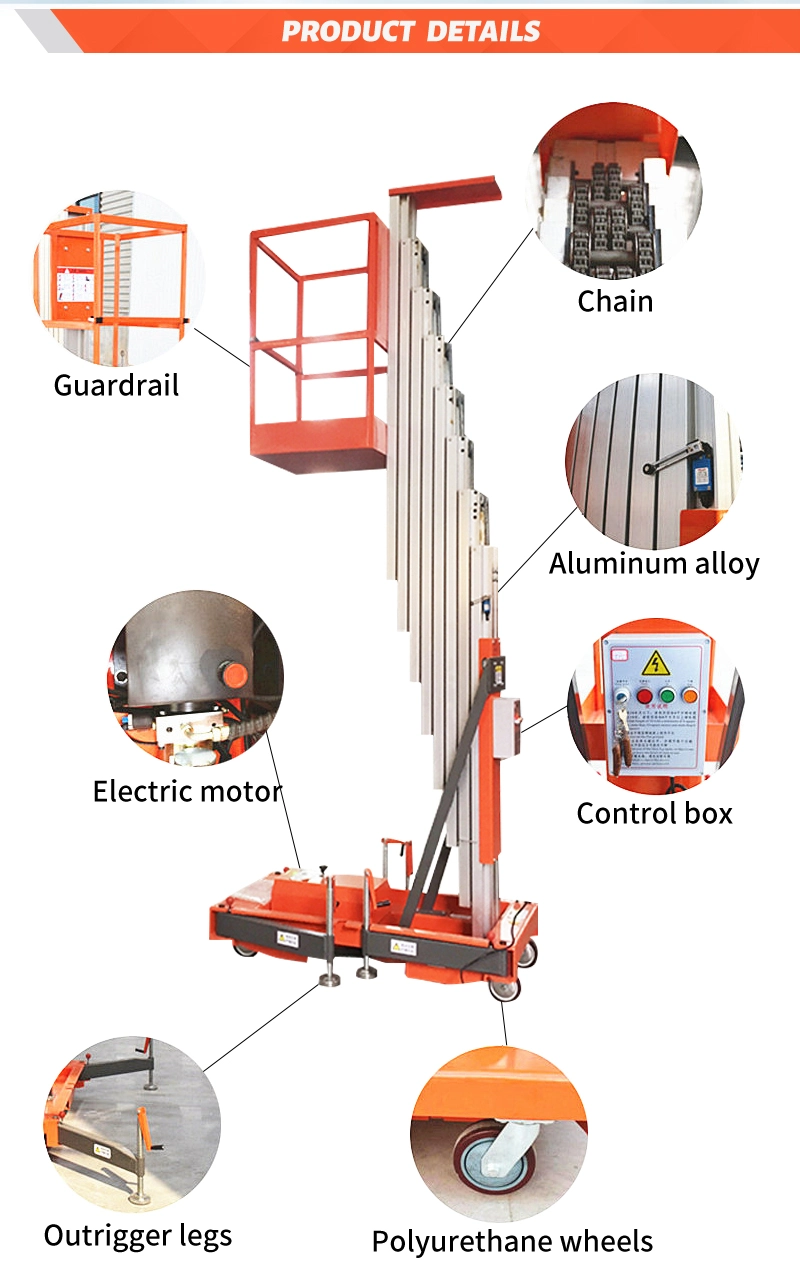
Strengths:

  • Strong Asian market presence
  • Good service infrastructure
  • Solid reliability

Weaknesses:

  • Limited presence in Western markets
  • Fewer home-specific innovations

Practical Suggestion:
Best suited for buyers in Asia-Pacific who want a reputable regional brand.
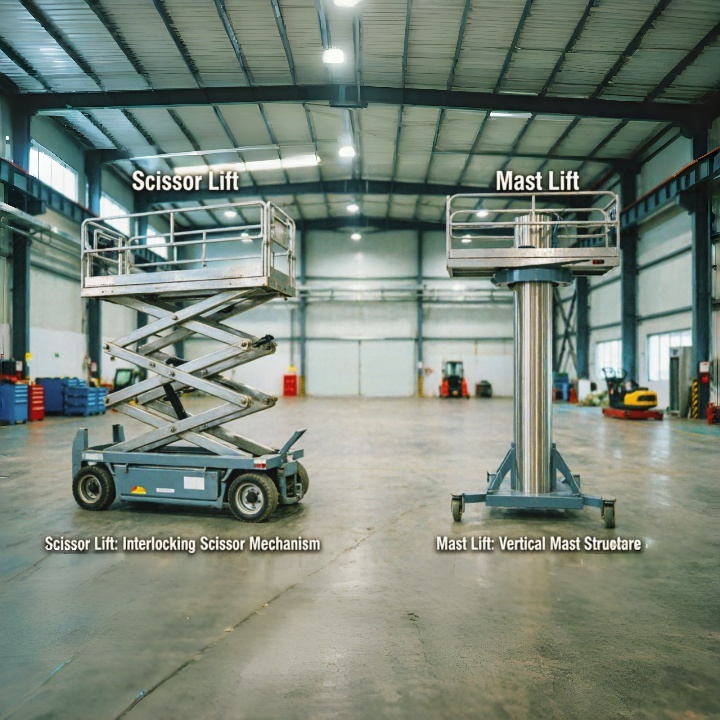

16. Fujitec (Japan)

Profile:
Fujitec is a global elevator manufacturer with a strong track record in both residential and commercial elevators.

Strengths:

  • Excellent reliability
  • Quiet operation
  • Advanced control systems

Weaknesses:

  • Limited home-only product differentiation
  • Pricing on the premium side

Practical Suggestion:
Ideal for buyers seeking longevity and low maintenance.


17. Sanyo (Japan)

Profile:
Sanyo has a long heritage in elevator manufacturing, including home elevators tailored to the Japanese market.

Strengths:

  • Compact designs
  • Smooth ride comfort
  • Proven engineering

Weaknesses:

  • Overseas support is limited in some regions
  • Home elevator portfolios vary by country

Practical Suggestion:
Consider for smaller homes and urban environments with limited space.


18. Hyundai OTIS Shares JV (Korea/USA)

Profile:
A joint operation leveraging Otis technology with regional manufacturing strength.

Strengths:

  • Combined global tech and regional execution
  • Strong safety and service

Weaknesses:

  • Complex global brand structure
  • Pricing above local competitors

Practical Suggestion:
Good for buyers who want both global pedigree and local service.


19. Stannah (UK)

Profile:
Stannah is known for stairlifts and home elevators, with an emphasis on accessibility and British engineering.

Strengths:

  • Deep accessibility expertise
  • Strong service focus
  • High safety standards

Weaknesses:

  • Less technologically advanced than global elevator giants
  • Premium pricing for service

Practical Suggestion:
Perfect for senior mobility applications and retrofit situations.


20. TK Elevator (Global)

Profile:
Formerly ThyssenKrupp Elevator, TK Elevator is a global leader now operating independently with advanced technologies and smart elevator systems.

Strengths:

  • Global support
  • Advanced diagnostics and IoT integration
  • Strong safety credentials

Weaknesses:

  • Premium pricing
  • Complexity may be overkill for small homes

Practical Suggestion:
Best for large homes with smart integration needs and long-term support expectations.


Comparative Buyer Insights

Buyer TypeIdeal Brands
Luxury residentialKONE, Otis, TK Elevator
Aging-in-place / accessibilityStannah, Savaria, Harmar
High customizationInclinator, Stiltz, PVE
Value-drivenSavaria, PVE, Hyundai Elevator
Asian marketsMitsubishi, Fuji, Hyundai
European buyersOrona, Schindler, Lectra

Key Factors When Choosing a Home Elevator

Safety and Certification:
Ensure compliance with CE (Europe), ASME A17.1 / CSA B44 (North America), EN81-41 (global).

Service Network:
A local authorized service team saves time and money over the lifecycle.

Drive Type:
Hydraulic excels at smooth starts; traction offers energy efficiency and smoother rides.

Shaft vs Shaftless:
Shaftless solutions reduce construction needs—for retrofit or small homes.

Customization:
Doors, finishes, controls, and interior panels matter for long-term satisfaction.

How much does a home elevator typically cost?

The cost of a home elevator usually ranges from USD 20,000 to USD 60,000, depending on:

  • Drive system (hydraulic, traction, screw-driven)
  • Travel height and number of stops
  • Customization level (glass cabins, finishes, automation)
  • Installation complexity and local labor costs

Premium European brands and high customization can exceed this range. If you purchase small home elevators from China, you can get an even lower price by buying directly from the Huichuang factory.


Practical Suggestions for Buyers

  1. Define Your Needs Before Choosing a Brand
    Don’t start with a brand name; start with:

    • Travel height
    • Location constraints
    • Load capacity
    • Aesthetics
    • Budget
  2. Visit Installed References if Possible
    Seeing performance in real homes reveals more than brochures.
  3. Check Local Regulations and Compliance
    Some countries have specific registration or inspection requirements.
  4. Evaluate Service Contracts
    A cheaper machine with poor service ends up costing more over time.
  5. Consider Total Cost of Ownership (TCO)
    Think beyond the upfront price—maintenance, electricity, and downtime matter.

levator Comparison Table (Key Brands)

BrandElevator TypeMax Travel HeightCustomizationPrice Range (USD)Best For
OtisHydraulic / Traction15 mMedium40,000–70,000Long-term reliability
KONETraction20 mHigh45,000–75,000Energy efficiency
SchindlerHydraulic / Traction18 mMedium40,000–65,000European quality
StiltzShaftless7 mMedium25,000–45,000Retrofit homes
SavariaHydraulic / Platform12 mHigh22,000–50,000Accessibility
MitsubishiTraction20 mMedium45,000–70,000Quiet operation
InclinatorHydraulic15 mVery High30,000–60,000Custom homes
TK ElevatorTraction20 mHigh45,000–80,000Smart systems

Prices are indicative and vary by region, configuration, and installation.


Regional Selection Guides for Home Elevators

North America (USA & Canada)

Market Characteristics

  • Strong emphasis on ASME certification
  • High demand for aging-in-place solutions
  • Detached homes with retrofit installations

Recommended Brands

  • Savaria
  • Inclinator
  • Harmar
  • Otis
  • PVE

Buyer Advice
Focus on after-sales service coverage and long-term maintenance contracts. Accessibility compliance often matters more than aesthetics.


Europe (EU & UK)

Market Characteristics

  • Strict CE and EN 81 standards
  • High design and architectural integration expectations
  • Smaller homes and tighter shafts

Recommended Brands

  • KONE
  • Schindler
  • Orona
  • Stannah
  • TK Elevator

Buyer Advice
Choose manufacturers with local installation partners. European buyers should prioritize noise control, energy efficiency, and minimalist design.


Asia-Pacific (APAC)

Market Characteristics

  • Rapid urbanization
  • Strong demand in villas and multi-generational homes
  • Price sensitivity varies by country

Recommended Brands

  • Mitsubishi Electric
  • Fuji Elevator
  • Hyundai Elevator
  • Otis (regional manufacturing)
  • Fujitec

Buyer Advice
Ensure local service teams exist. Imported systems without regional support often create long-term maintenance problems.


Final Thoughts

The home elevator market is broad, ranging from global giants with deep engineering resources to specialists focused on accessibility or space-saving designs. There is no single “best” company—only the one that fits your budget, application, installation constraints, and service expectations.

By focusing on real performance data, certification standards, and service capabilities, you can choose an elevator partner that keeps your home safe, comfortable, and future-ready.